Why Biogradska Gora National Park stands out
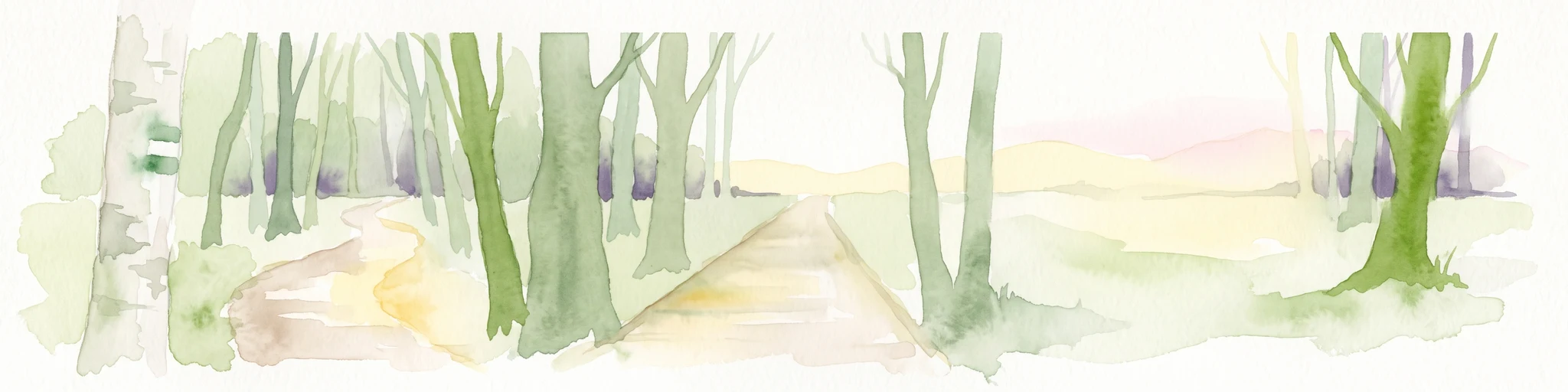
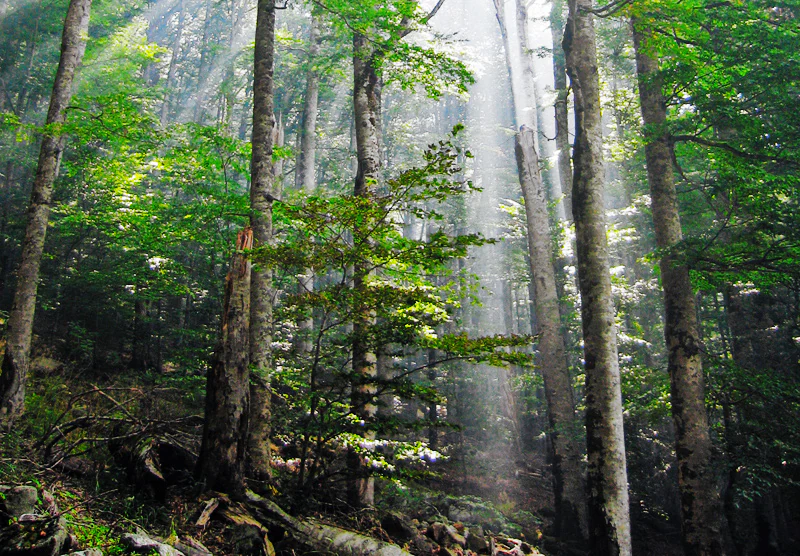
Biogradska Gora is best known for its exceptional ancient beech forest, which stands as one of the last remaining primeval forest ecosystems in Europe. The old-growth forest features mature beech trees of considerable age and size, creating a atmospheric woodland environment that contrasts sharply with the more heavily modified agricultural landscape surrounding the Bjelopavlici plain. This forest reserve represents a rare opportunity to experience a nearly untouched forest ecosystem in a region where most woodlands have been altered by human activity over centuries.
Biogradska Gora National Park history and protected-area timeline
Biogradska Gora was designated as a national park in 1967 during a period when Montenegro was expanding its network of protected areas to preserve natural heritage. The selection of this site reflected the ecological significance of its remaining forest cover in a region where agricultural expansion had reduced woodland extent. The park was created to ensure ongoing protection of the old-growth beech forest and to maintain the ecological processes that depend on these ancient trees. Management of the park has focused on maintaining the forest's natural character while allowing for public access and environmental education. The designation also served conservation goals by protecting watershed functions provided by the forest cover.
Biogradska Gora National Park landscape and geographic character
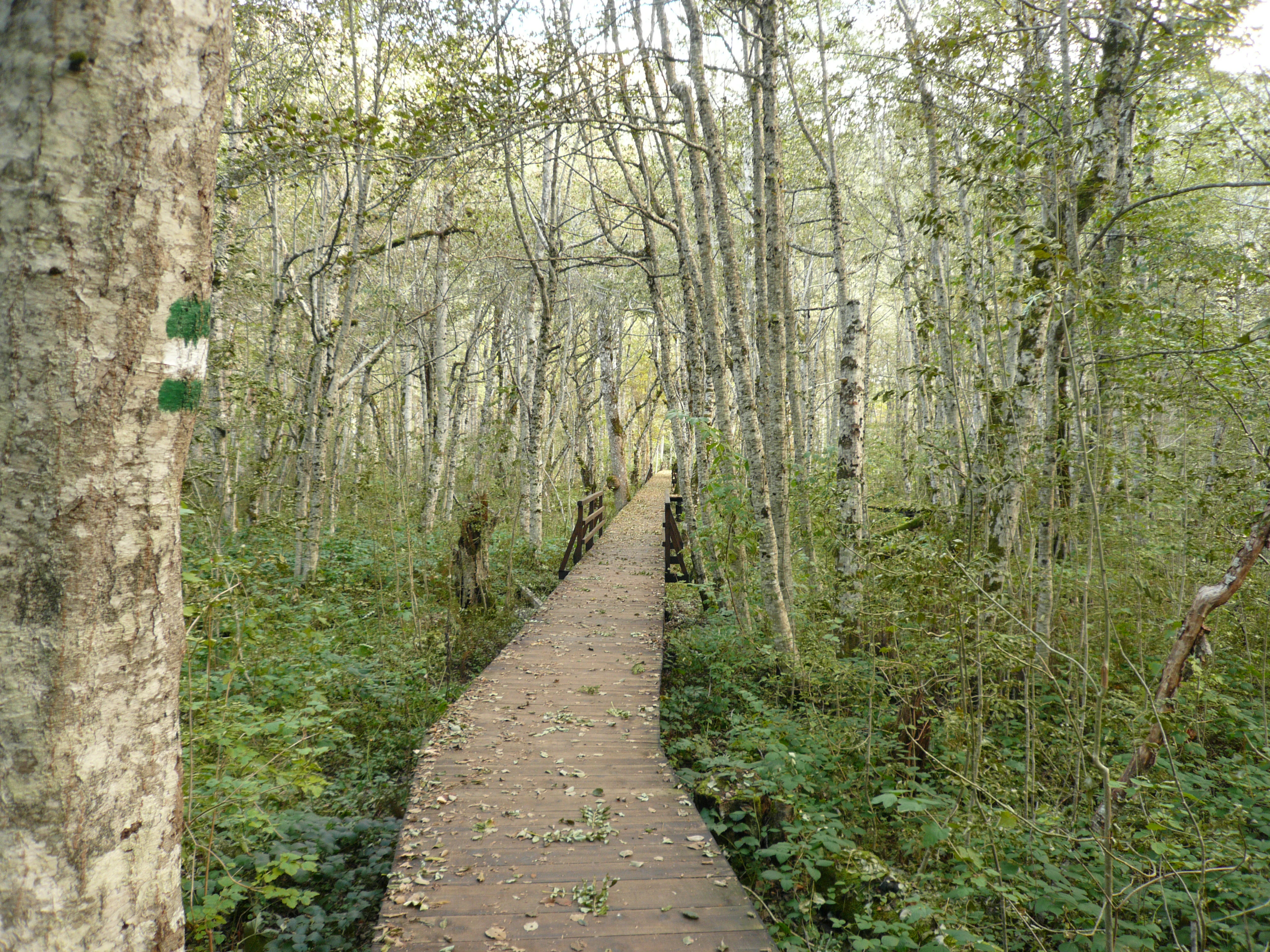
The landscape of Biogradska Gora National Park presents a terrain of gentle relief characteristic of the Bjelopavlici plain region. The protected area encompasses rolling hills and shallow valleys that descend toward the Ljeska river, which drains the surrounding watershed. The forest dominates the higher ground and valley slopes, while the river corridor adds wet meadow and riparian habitats to the ecological mix. The overall impression is of a harmonious landscape where forest and water elements combine with the agricultural plain visible beyond the park boundaries. The beech trees reach considerable heights, creating a canopy that shades the forest floor and produces a distinctive woodland atmosphere. Gentle slopes and accessible terrain make the park suitable for walking and nature observation.
Biogradska Gora National Park ecosystems, habitats, and plant life
The ecological heart of Biogradska Gora lies in its mature beech forest, which represents a forest type once widespread across the Balkans but now largely confined to protected reserves. The old-growth character means the forest contains trees of various ages, standing dead wood, and fallen logs that together create diverse microhabitats. The beech canopy allows limited light to reach the forest floor, resulting in a relatively sparse understory of shade-tolerant plants. This forest structure supports complex ecological relationships including epiphytic organisms, forest floor invertebrates, and vertebrate species that require mature woodland conditions. The presence of the Ljeska river adds aquatic and riparian habitats that increase the overall diversity of the protected area.
Biogradska Gora National Park wildlife and species highlights
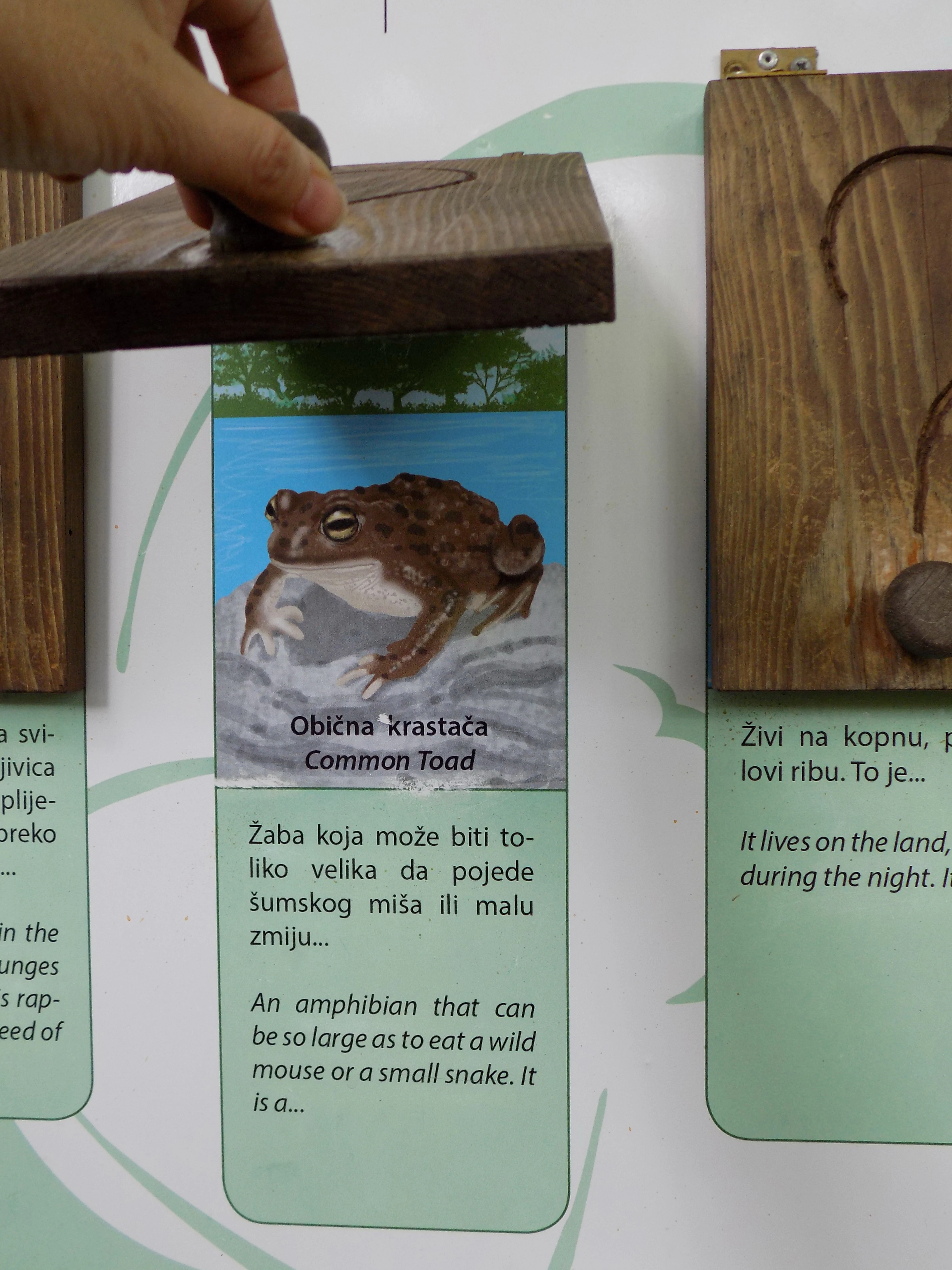
Biogradska Gora's old-growth beech forest provides habitat for species adapted to mature woodland environments. The forest supports populations of forest birds including various tit species, flycatchers, and woodpeckers that require tree cavities and dead wood for nesting. Mammals present in the park include several species of bats that roost in old trees, as well as smaller mammals such as squirrels and dormice that find food and shelter in the complex forest structure. The riparian areas along the Ljeska river support different species including waterfowl and riparian birds. The forest floor supports invertebrate communities that play important roles in decomposition and soil formation processes.
Biogradska Gora National Park conservation status and protection priorities
Biogradska Gora National Park represents a conservation commitment to preserving one of Europe's remaining examples of old-growth beech forest. The protected status ensures that the forest ecosystem can continue functioning without significant human interference, allowing natural processes of growth, death, and regeneration to proceed. This protection benefits not only the trees themselves but the entire community of species that depend on the complex structure of mature forest. The park also serves watershed protection functions, with the forest cover helping to regulate water flow and maintain water quality in the Ljeska river system. As one of the older national parks in Montenegro, Biogradska Gora demonstrates the country's recognition of the ecological and aesthetic value of its forest heritage.
Biogradska Gora National Park cultural meaning and human context
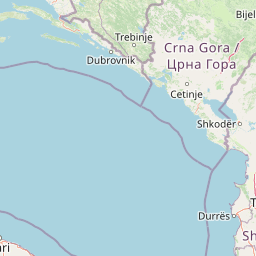
The Bjelopavlici plain has historically been an agricultural region, and the forest preserved within Biogradska Gora exists in the context of a landscape shaped by farming communities over generations. The park area sits within territory associated with the Bjelopavlici people, a regional community whose name is reflected in the geographic name of the plain. The forest likely had traditional uses by local communities over centuries, though the protected status now limits such activities. The town of Berane, nearby to the park, serves as the main access point and regional center for this part of northern Montenegro.
Top sights and standout views in Biogradska Gora National Park
Biogradska Gora offers visitors the rare opportunity to walk through a centuries-old beech forest in the heart of the Balkans. The park's well-maintained trails allow exploration of this ancient woodland, where massive beech trees create an atmospheric environment quite different from typical managed forests. The combination of forest, river, and gentle terrain creates a peaceful setting for nature observation. The park represents an important conservation area for regional biodiversity and serves as an educational resource for understanding forest ecosystem dynamics.
Best time to visit Biogradska Gora National Park
Biogradska Gora can be visited throughout the year, with each season offering a different forest experience. The forest is particularly atmospheric in autumn when beech leaves turn golden, and in winter when the bare branches create stark silhouettes against the sky. Spring brings new growth and bird activity, while summer offers full canopy cover and shade from the beech trees. The accessible terrain makes the park suitable for visits in any season, though winter conditions may affect trail usability.