
Why Cabañeros National Park stands out
Cabañeros is best known as the premier remaining example of Iberian Mediterranean forest, representing the most extensive and well-preserved oak woodland ecosystem in Spain. The park protects four Quercus species, holm oak, cork oak, oak, and melojo oak, alongside their associated understory of rosemary, heathers, and rockrose. Its significance extends to ornithology, supporting the second-largest breeding population of Eurasian black vulture in the world with over 200 pairs, along with populations of Spanish imperial eagle and black stork. The geological heritage is equally remarkable, with Ordovician and Cambrian fossil sites exceeding 400 million years in age, including recent discoveries of the oldest known giant worm fossil. The contrasting landscape of Mediterranean woodland and the unique flat raña ecosystem creates a distinctive setting found nowhere else in Spain.
Cabañeros National Park history and protected-area timeline
The history of Cabañeros National Park is inextricably linked to the broader story of the Montes de Toledo, a region that from the 13th to 19th centuries belonged to the city of Toledo. The city's ordinances, compiled in the 16th century to ensure sustainable use of natural resources, regulated agriculture, livestock keeping, beekeeping, charcoal production, and timber extraction. This regulatory framework, combined with challenging terrain, helped preserve nearly virgin natural conditions well into the 18th century, creating the foundation for the forest ecosystems that survive today.
Following the desamortización of Madoz in 1835, large tracts of land passed to private owners, creating the extensive properties that characterize the region today. For twenty-five years between 1860 and 1885, Cabañeros remained under administration by Toledo's creditors, who managed the estate for livestock and forestry use. The property subsequently passed through aristocratic hands, ultimately belonging to the Duke of Medinaceli and later the Conde de Gavia, before being sold to the Aznar shipping family and the Marqués de Villabrágima in the 20th century.
The park's modern protection emerged from grassroots opposition to military use. Local communities successfully resisted plans to convert the area into a shooting range, leading to declaration as a natural park by the Junta de Comunidades de Castilla-La Mancha in 1988. This designation preceded the final establishment as a national park in 1995, fulfilling decades of conservation aspirations and securing the area's future as Spain's premier Mediterranean forest reserve.
Cabañeros National Park landscape and geographic character
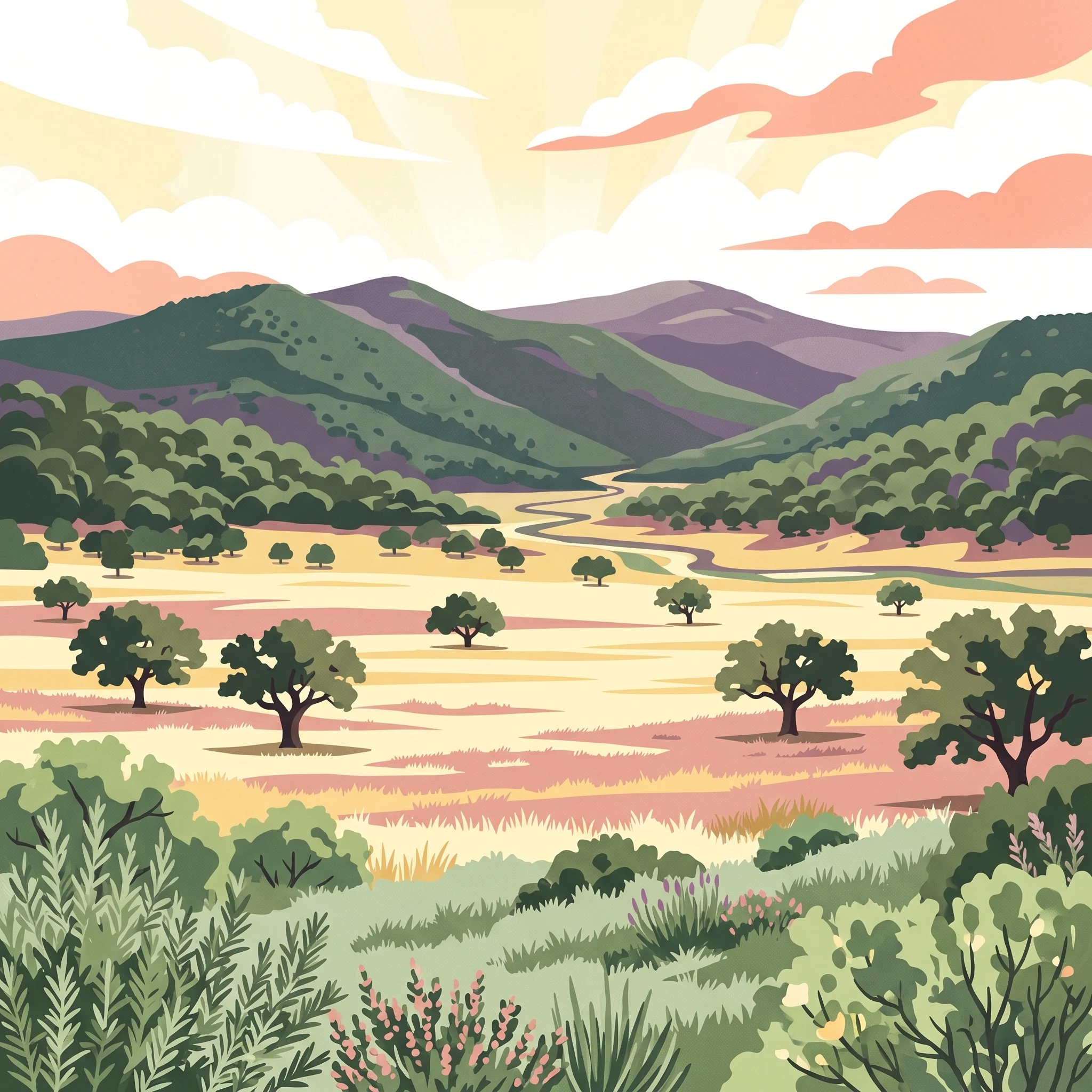
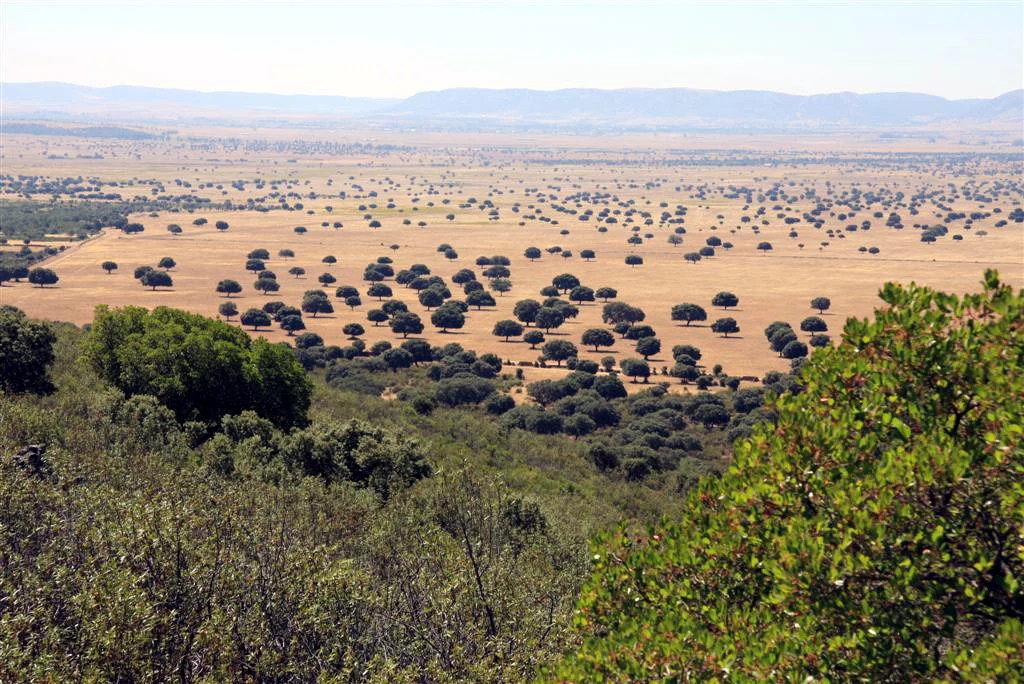
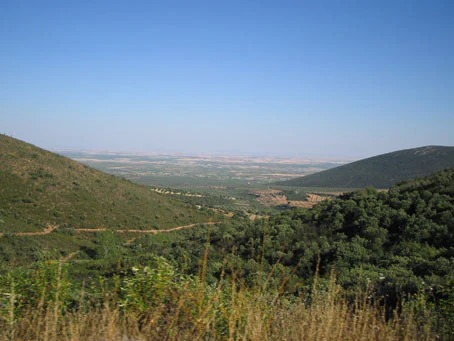
The landscape of Cabañeros National Park presents dramatic contrasts between two principal terrain types that define the Montes de Toledo region. The raña occupies the southeastern portion of the park, comprising a vast flat plain of approximately 8,000 hectares. This unique landscape originated through geological filling processes approximately three million years ago, creating soils quite different from the surrounding mountains. During the 1960s, much of the original forest and scrub was cleared for cereal cultivation, transforming the area into its current character as a grassy woodland with scattered trees, though certain areas retain original vegetation such as the Mancho del Portugués.
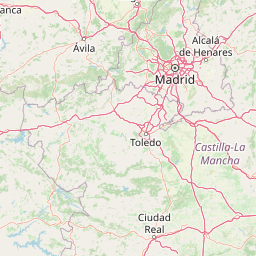
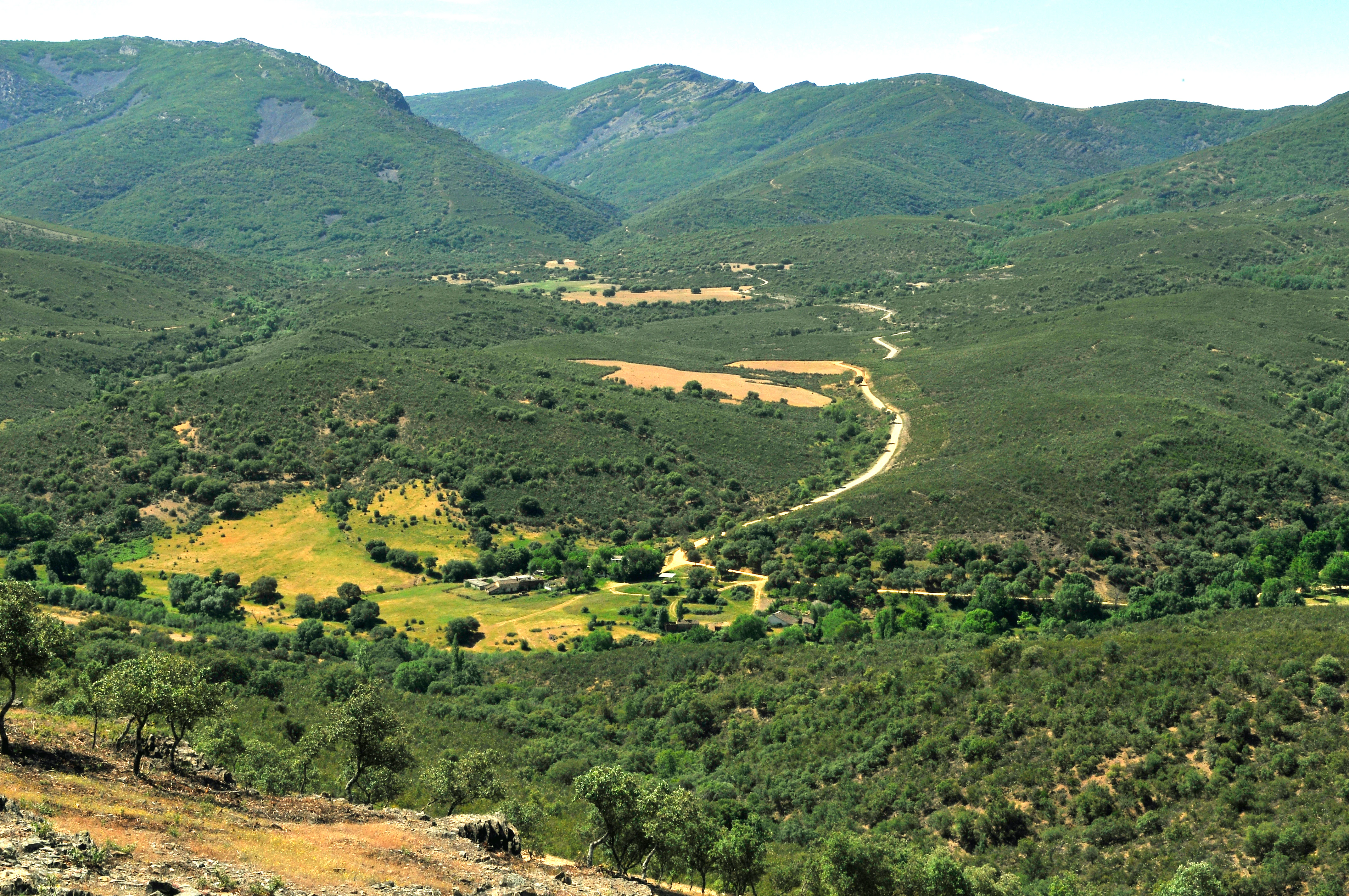
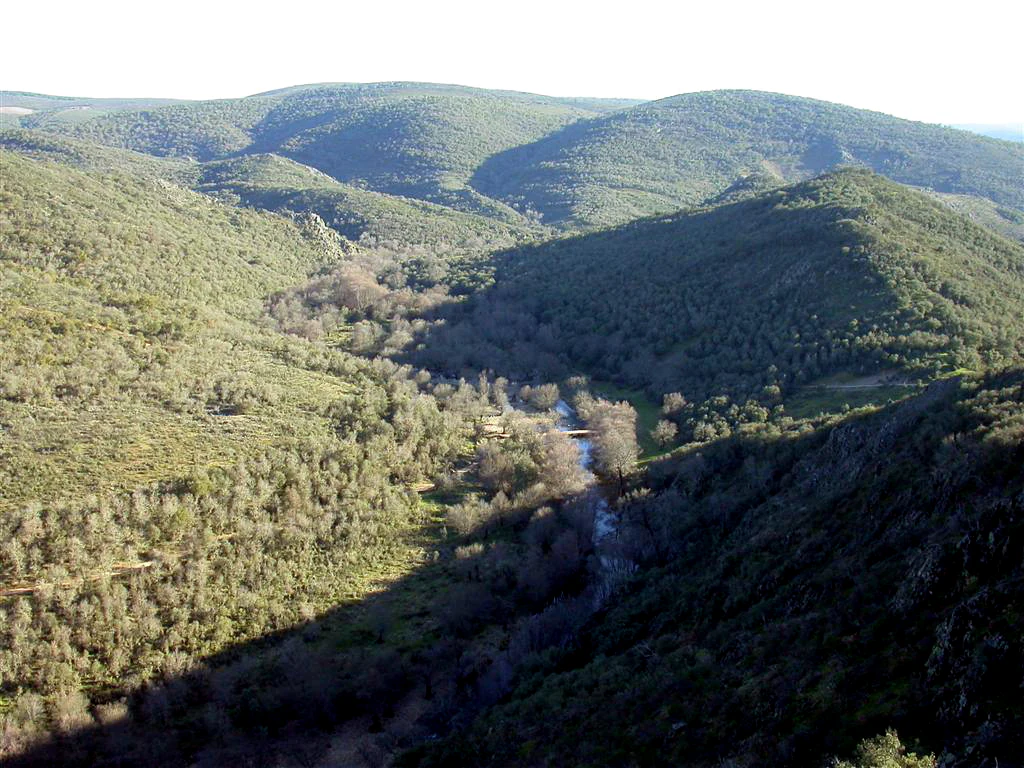
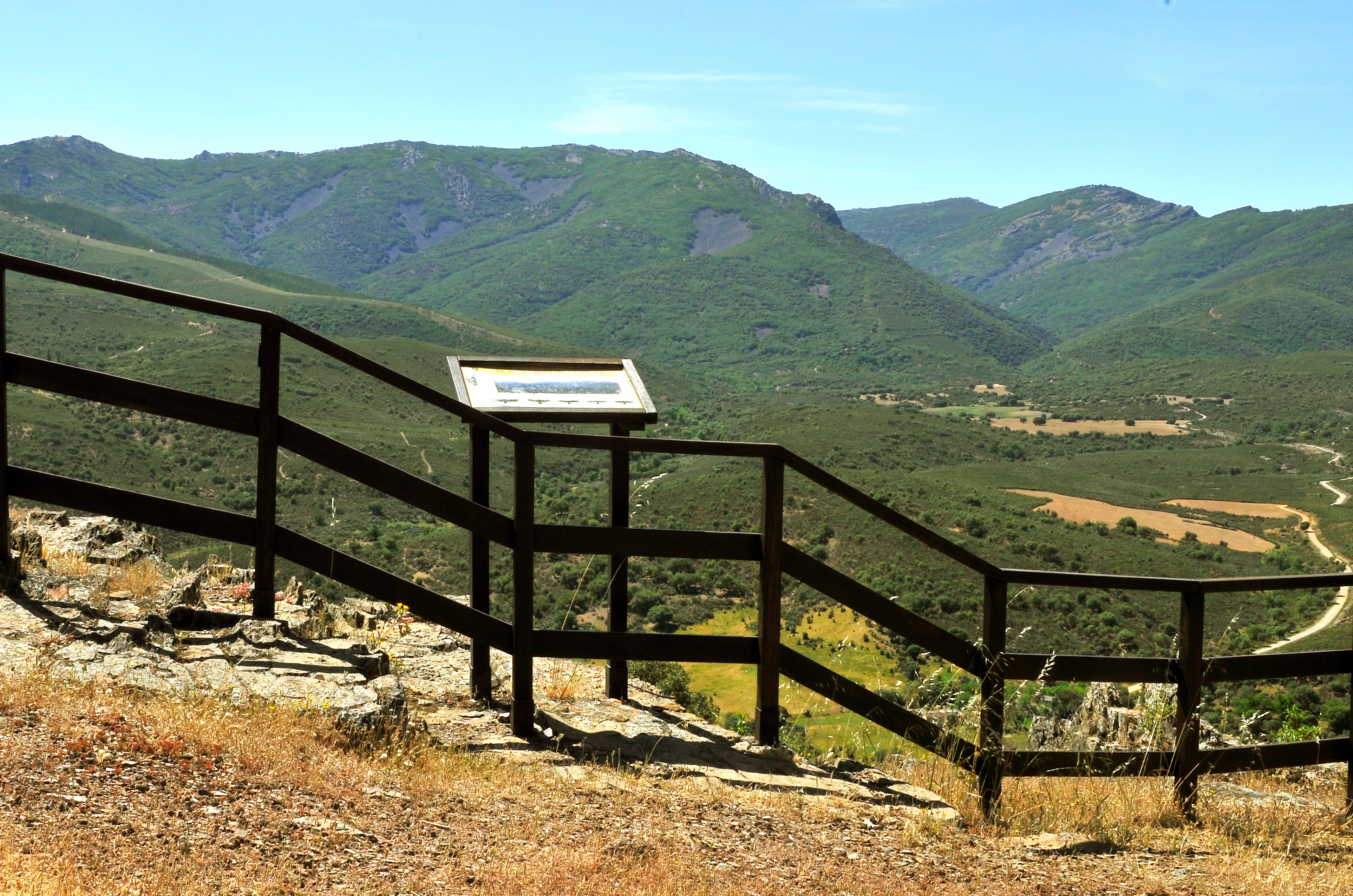
The sierras constitute the mountainous heart of the park, covering the northern, central, and western regions. These terrain features range in elevation from 650 meters to the summit of Rocigalgo at 1,448 meters. The mountain slopes support extensive forests and scrubland, with exposed rocky areas (pedrizas) creating additional habitat diversity. The Chorrito and Rocigalgo massifs dominate the western section, while the Miraflores Sierra lies to the south. The park is framed by the Bullaque River to the east and the Estena River to the west, both tributaries of the Guadiana system. This interplay of flatland and mountain, woodland and cleared areas, creates a visual and ecological diversity that distinguishes Cabañeros from other Spanish protected areas.
Cabañeros National Park ecosystems, habitats, and plant life
Cabañeros National Park is dedicated to the conservation of Mediterranean forest ecosystems adapted to continental Mediterranean climate with cold winters and hot, dry summers, with precipitation concentrated in spring and autumn. Four Quercus species dominate the park's vegetation, each occupying distinct ecological niches according to moisture requirements. The holm oak represents the most drought-adapted species, while cork oak and oak prefer somewhat wetter zones. The melojo oak or rebollo requires greater moisture and grows along watercourses and in higher elevations on shady north-facing slopes, utilizing atmospheric humidity.
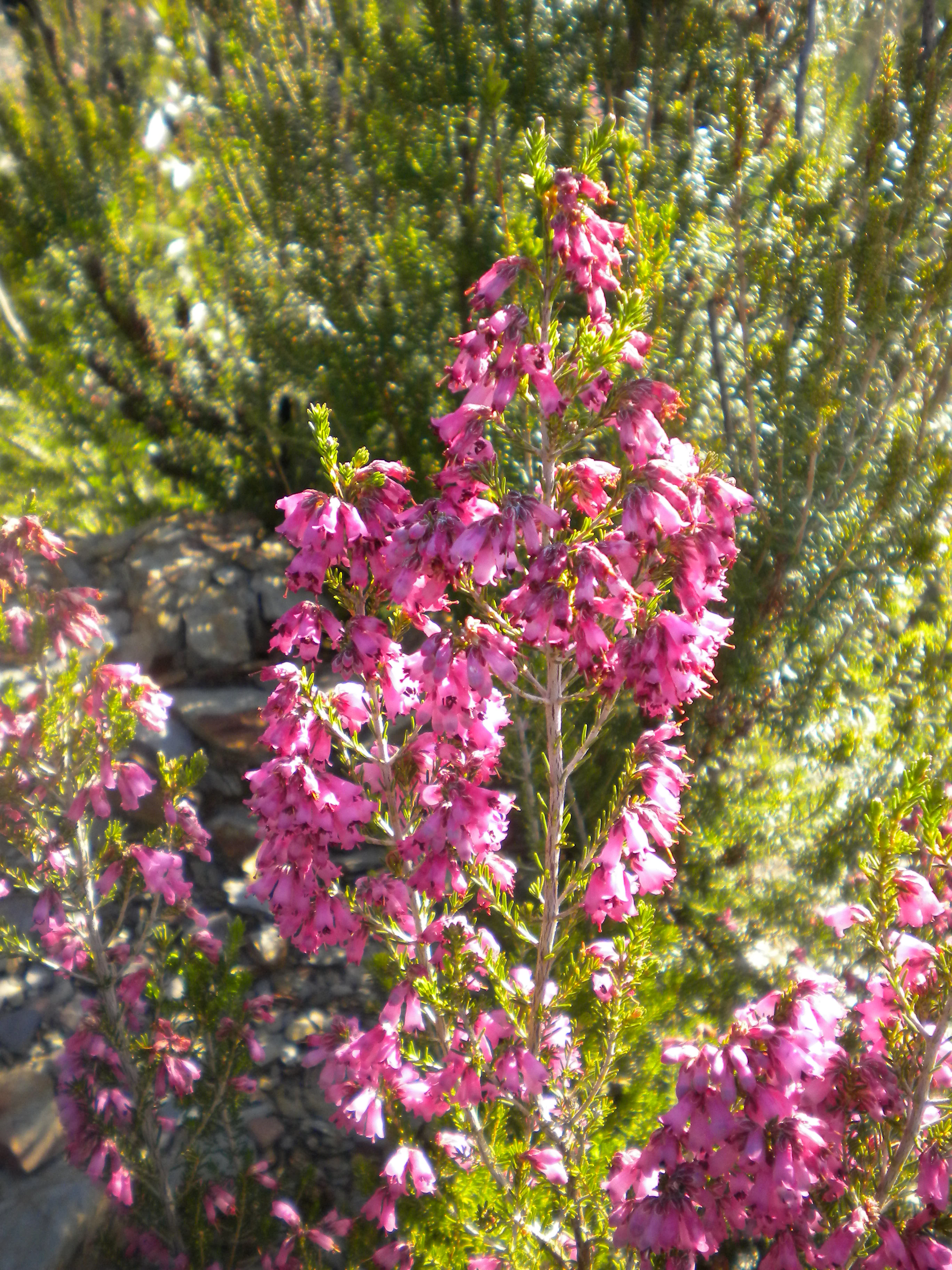
Beyond the dominant oaks, the park supports a rich understory including strawberry tree, laurustinus, and diverse shrubs such as rosemary, heathers, and rockroses that color and perfume the mountain slopes. The herbaceous layer contains notable species including several Paeonia varieties, violets, and diverse grasses. Particularly remarkable is the presence of threatened or relict species in specific microhabitats—tropical-era trees like the laurel survive in certain sheltered corners, while reminders of cooler past periods include birch, yew, and holly. Valley bottoms support peat bogs some exceeding 4,000 years in age, hosting unique flora including bog myrtle and carnivorous plants like butterworts. The park contains 17 habitats of community interest and supports approximately 550 lichen species, representing one-fifth of the Iberian Peninsula's total, reflecting excellent conservation status and environmental quality.
Cabañeros National Park wildlife and species highlights
The wildlife of Cabañeros reflects the park's exceptional ecological diversity, with 276 vertebrate species recorded and a notable percentage of endangered species. Mammals include European otters along the Estena River and four ungulate species: wild boar, red deer, roe deer, and fallow deer in the most forested areas. The park provides potentially suitable habitat for the critically endangered Iberian lynx, though confirmed sightings remain rare in recent years, possibly due to prey species scarcity. The Montes de Toledo have been selected for lynx reintroduction efforts through European LIFE programme projects.
The avifauna is particularly significant, with the park designated as a Special Protection Area. The Eurasian black vulture maintains one of the world's largest breeding colonies here, with over 200 pairs nesting in the large cork oaks above rocky outcrops—remarkably, the absence of cliff faces limits the presence of griffon vulture as breeders. The Spanish imperial eagle, a threatened species, nests within the park boundaries, while the black stork, though rare, uses the area. The raña flatland supports steppe bird species including larks, the calandra lark, crested lark, and short-toed lark, along with threatened species like the great bustard and red-legged partridge. Birds of prey including golden eagles, imperial eagles, booted eagles, and short-toed eagles hunt over the landscapes, with black and red kites also present.
The rivers and streams support endemic fish species including the jarabugo, calandino, and colmilleja, sharing habitat with amphibians such as the Iberian newt and common salamander. The mountainous zones provide habitat for Iberian lynx competitors including wildcat, genet, stone marten, Egyptian mongoose, and badger, all competing for the rabbit that serves as primary prey for the lynx. Higher elevations near the Rocigalgo massif support Spanish ibex and roe deer in the cool oak and ash forests.
Cabañeros National Park conservation status and protection priorities
Cabañeros National Park represents one of Spain's most significant conservation achievements, protecting the finest remaining example of Iberian Mediterranean forest. The park's designation as both a Zone of Special Protection for Birds (ZEPA) and a Site of Community Importance (ZEC) within the European Natura 2000 network reflects its continental importance. The 17 habitats of community interest present within the park, combined with excellent environmental quality and the absence of significant pollution, support extraordinary biodiversity including approximately 550 lichen species representing one-fifth of the Iberian Peninsula's total.
The park aims to develop sustainable tourism as part of its conservation strategy. While hunting is theoretically banned within national parks in Spain, population control hunting has been permitted in certain circumstances. The park faces ongoing conservation challenges, including a 2014 judicial case involving unauthorized firebreak creation within a hunting estate to facilitate hunting activities, resulting in fines ratified in 2017. The Montes de Toledo region has been selected as a reintroduction site for the critically endangered Iberian lynx through European LIFE programme projects, highlighting the park's role in broader species recovery efforts across the Iberian Peninsula.
Cabañeros National Park cultural meaning and human context
The name Cabañeros derives from the traditional conical huts or cabañas built by shepherds and charcoal burners as temporary shelters while working in the fields. These structures, roofed with vegetation from the surrounding environment, were used by the inhabitants of the Montes de Toledo for seasonal pastoral and forestry activities. The name thus reflects centuries of human interaction with this landscape, creating a cultural identity inseparable from the natural environment.
Human presence in the park area extends to the Lower Paleolithic, with archaeological remains found throughout the region. Bronze Age settlements, Roman and Visigothic ruins, and Islamic-period sites have been identified in the park's zone of influence. The necropolis of Malamoneda in Hontanar contains remains from Hispanoroman, Visigothic, Islamic, and Christian-medieval periods. The Los Montes region historically belonged to Toledo from the 13th to 19th centuries, with city ordinances regulating resource use and imposing taxes that, combined with difficult terrain, limited population growth and protected natural areas from intensive development. Traditional activities including charcoal production, pastoralism, agriculture, beekeeping, and cork extraction shaped both the landscape and cultural heritage that the park now preserves.
Top sights and standout views in Cabañeros National Park
Cabañeros stands as Spain's premier Mediterranean forest reserve, protecting the most extensive and best-conserved example of Iberian oak woodland ecosystems. The park's black vulture colony represents one of the world's largest breeding populations, with over 200 pairs nesting in ancient cork oaks. The geological heritage includes Ordovician and Cambrian fossils exceeding 400 million years, including discoveries of the oldest known giant worm. The contrasting landscape of flat raña and mountainous sierras creates ecological diversity found nowhere else in Spain. The park protects four oak species, over 1,000 vascular plant species, and 17 habitats of community interest within the Natura 2000 network.
Best time to visit Cabañeros National Park
Cabañeros can be visited throughout the year, with each season offering distinct experiences. Spring brings abundant wildflower displays across the raña and mountain slopes, with optimal conditions for birdwatching as migratory species return and resident birds become active. The moderate temperatures of spring and autumn make these seasons particularly comfortable for hiking and exploring the park's network of trails. Summer heat can be intense, though the forested areas provide shade and the early morning or late afternoon hours remain suitable for activity. Winter offers a different character, with potentially snowy conditions in the higher elevations and the opportunity to observe large deer herds moving through the raña, though visitor facilities may have reduced hours. The park receives relatively few visitors compared to other Spanish national parks, with approximately 104,000 annual visitors in 2016, making it possible to experience solitude even during peak periods.