Mori Atlas logo
National parkCaldera de Taburiente National Park

Mapping the dramatic terrain and protected boundaries of this unique geological caldera.

Caldera de Taburiente National Park: Spain's Volcanic Protected Landscape on La Palma

(Parque Nacional de la Caldera de Taburiente)

Caldera de Taburiente National Park offers an unparalleled glimpse into Spain's dramatic protected landscapes, centered on the immense Caldera de Taburiente, a spectacular volcanic depression on the island of La Palma. This national park protects a geologically unique environment shaped by ancient volcanic activity, characterized by towering cliffs, deep ravines, and endemic pine forests. As a key site for atlas-based geographic discovery, the park provides critical context for understanding the mapped terrain and natural features of the Canary Islands. Explore its protected boundaries and remarkable landscape from a structured geographic perspective.

Volcanic LandscapeNational ParkCanary IslandsLa PalmaCalderaPine Forest

Caldera de Taburiente National Park

National park

Park overview

Structured park overview, official facts, and landscape profile for Caldera de Taburiente National Park

Caldera de Taburiente National Park park facts, protected area profile, and essential visitor context
Review the core facts for Caldera de Taburiente National Park, including designation, size, terrain, visitor scale, habitats, and operating context in one park-focused overview.

About Caldera de Taburiente National Park

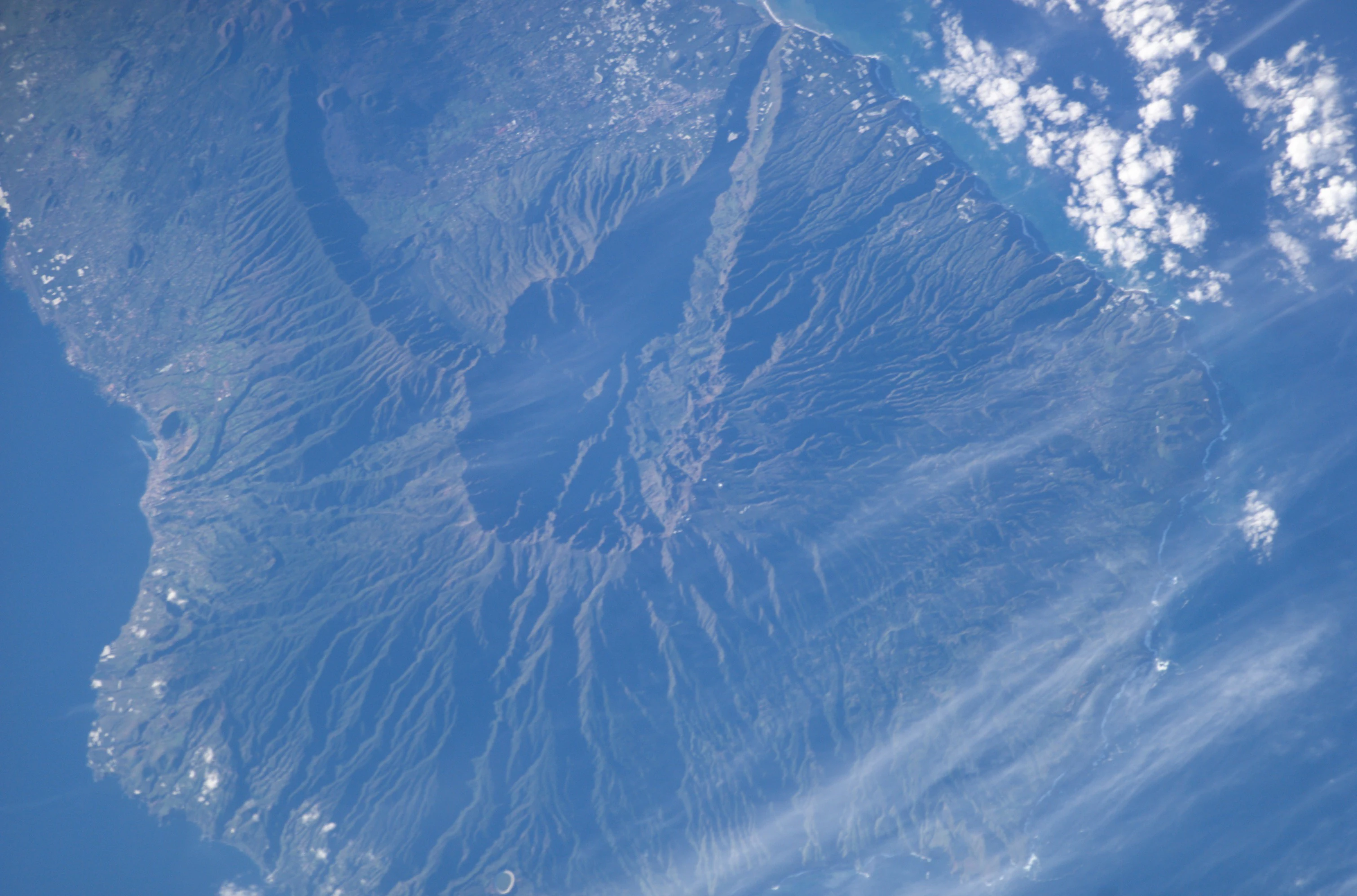
Caldera de Taburiente National Park protects one of the Canary Islands' most spectacular natural landmarks—a vast volcanic caldera that forms the heart of La Palma. The island itself is of volcanic origin, but the Caldera de Taburiente is unusual in that it is an erosional caldera created by landside rather than volcanic collapse. About 525,000 years ago, the southwestern flank of a massive shield volcano collapsed in a debris avalanche, creating a depression that was later enlarged by erosion. The resulting basin is approximately 10 kilometers across, with sheer walls rising dramatically above the floor. The park encompasses not only the caldera itself but also the surrounding ridge of Cumbre Nueva that extends southward from the rim. Within the caldera's interior, the landscape transitions from pine forests on the mid-slopes to pockets of laurisilva (laurel forest) in the deeper ravines where moisture collects. The Barranco de las Angustias, a steep river-carved valley, provides the only natural outlet from the caldera to the sea. This unique topography has shaped both the ecological character and human history of the area.

Quick facts and research context for Caldera de Taburiente National Park

Caldera de Taburiente National Park occupies the central highlands of La Palma island in the Canary Islands archipelago. The protected area covers approximately 46.9 square kilometers around a massive erosional caldera formed by a massive landslide rather than volcanic collapse. The highest point is the Roque de los Muchachos at 2,426 meters, which can be reached by road and hosts important astronomical infrastructure. The Barranco de las Angustias serves as the caldera's only drainage to the sea and contains the Canary Islands' only permanent stream. The park forms part of La Palma's designation as a UNESCO Biosphere Reserve since 2002.

Park context

Deeper park guide and search-rich context for Caldera de Taburiente National Park

Caldera de Taburiente National Park history, landscape, wildlife, and travel context
Explore Caldera de Taburiente National Park through its history, landscape character, ecosystems, wildlife, conservation priorities, cultural context, and seasonal travel timing in a structured park guide built for atlas discovery and search intent.

Why Caldera de Taburiente National Park stands out

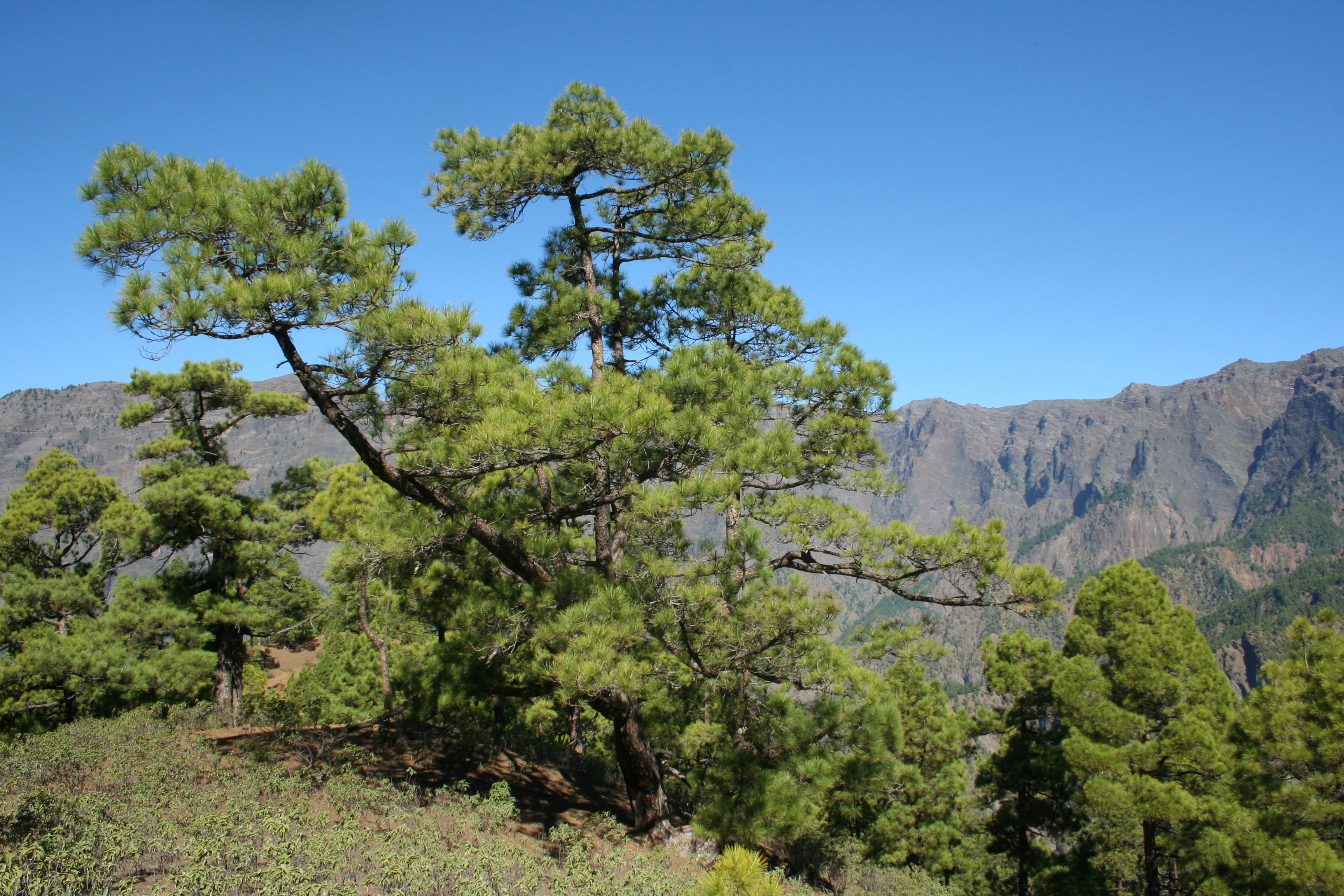
Caldera de Taburiente is best known for its extraordinary geological structure, a massive erosional caldera formed by a massive flank collapse of an ancient shield volcano approximately 525,000 years ago. The International Union of Geological Sciences recognized it as a geological heritage site of international significance. The park features one of the Canary Islands' largest continuous forests of Canary Island Pine, a fire-adapted endemic species that dominates the slopes. The laurel pigeon, red-billed chough, and Atlantic canary inhabit the park, which has been designated an Important Bird Area.
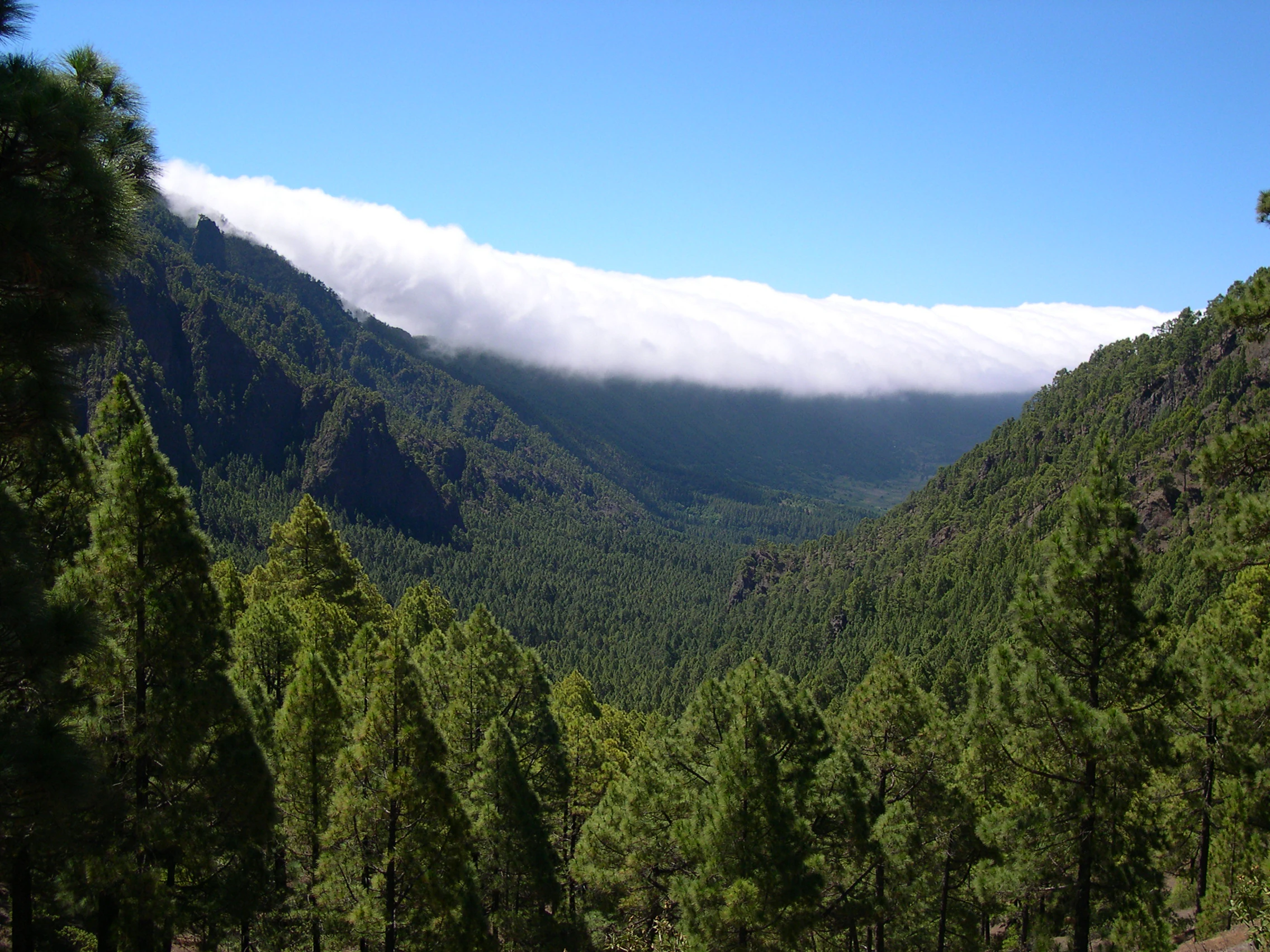
Overview image of Caldera de Taburiente National Park showing what the park is best known for
Visual overview of what makes Caldera de Taburiente National Park a notable national park destination.

Caldera de Taburiente National Park history and protected-area timeline

The Caldera de Taburiente holds significant human history dating back to the indigenous Guanche inhabitants of the Canary Islands. During the Spanish conquest of the islands in the 15th century, the caldera served as the final stronghold of the Benahoaritas, the indigenous people of La Palma. The site's natural defenses proved impregnable to Spanish forces, and the conquistadors only succeeded by luring the Benahoarita leader out under false pretenses of negotiation. In 1815, German geologist Christian Leopold von Buch visited the Canary Islands, distinguishing between the volcanic caldera of Tenerife's Las Cañadas and the erosional origins of Taburiente. Upon returning to Germany, he published his observations and introduced the term "caldera" into the geological vocabulary, a contribution that shaped volcanic terminology worldwide. The mountain has been privately owned since 1557 by the Community of Haciendas of Argual and Tazacorte. The national park was established in 1954, making it the second protected area in the Canary Islands to receive national park status and the fourth in Spain.

Caldera de Taburiente National Park landscape and geographic character

The landscape of Caldera de Taburiente is defined by its extraordinary volcanic topography. The caldera forms a vast bowl approximately 10 kilometers in diameter, with walls that tower up to 2,000 meters above the caldera floor—a vertical relief that ranks among the most impressive in the Canary Islands. The highest point, the Roque de los Muchachos on the northern rim, reaches 2,426 meters and is accessible by road. The southern rim features a lower point called Cumbrecita. In the southwestern portion, the caldera wall gives way to the Barranco de las Angustias, a steep gorge that carries water to the coast and represents the caldera's only drainage outlet. The surrounding landscape includes the ridge of Cumbre Nueva, which extends southward from the caldera rim. Within the interior, deep ravines have been carved by water, and the park features notable waterfalls including the Salto de la Desfondada with a drop of approximately 150 meters. The combination of sheer cliff faces, pine-covered slopes, and dramatic ravine systems creates a landscape of exceptional visual diversity.
Panoramic view of Caldera de Taburiente National Park featuring mountainous landscape, green valleys, and scattered trees under a partly cloudy sky
Panoramic view of Caldera de Taburiente with mountainous terrain and lush valleys

Caldera de Taburiente National Park ecosystems, habitats, and plant life

The ecological character of Caldera de Taburiente reflects the interplay between volcanic terrain and the island's subtropical climate. The park supports distinct vegetation zones determined by altitude and moisture availability. Canary Island Pine dominates the slopes, forming extensive forests that are a signature feature of the landscape. This endemic species has evolved remarkable fire resistance, capable of surviving volcanic eruptions due to its thick bark and regenerative abilities. Above 1,700 meters, the vegetation transitions to include codeso, Canary Islands juniper, and high-altitude endemics. In the damper ravines within the caldera, remnants of laurisilva laurel forest persist, featuring species such as faya, brezo, acebiño, and laurel. The park's plant communities include numerous endemic species adapted to the volcanic substrates, including various aeoniums, jaras, and the distinctive tajinaste. The volcanic geology also supports unique hydrological features, with numerous springs, streams, and waterfalls fed by the moisture that condenses on the high slopes.
Satellite image showing volcanic caldera, mountain ridges, and coastal terrain of Caldera de Taburiente National Park on La Palma, Canary Islands
Satellite view of Caldera de Taburiente National Park and Cumbre Vieja volcano on La Palma

Caldera de Taburiente National Park wildlife and species highlights

The wildlife of Caldera de Taburiente reflects both the park's isolation and the Canary Islands' position as a biogeographical crossroads. The park has been recognized as an Important Bird Area due to populations of laurel pigeons, red-billed choughs, and Atlantic canaries. The pine forests provide habitat for endemic bird species, while the cliff faces support populations of birds of prey including the Canarian kestrel. The invertebrate fauna is particularly diverse, with numerous endemic arthropods including centipedes reaching nearly a hand's length and cave-dwelling beetles that have lost their eyes and pigmentation through adaptation to subterranean life. Vertebrate fauna includes several bat species, introduced mammals such as rabbits and goats that pose conservation challenges, and various reptile species including the perenquén gecko and the endemic Gallotia lizard. The park's streams support fish populations, while amphibians include the Mediterranean tree frog and Perez's frog.
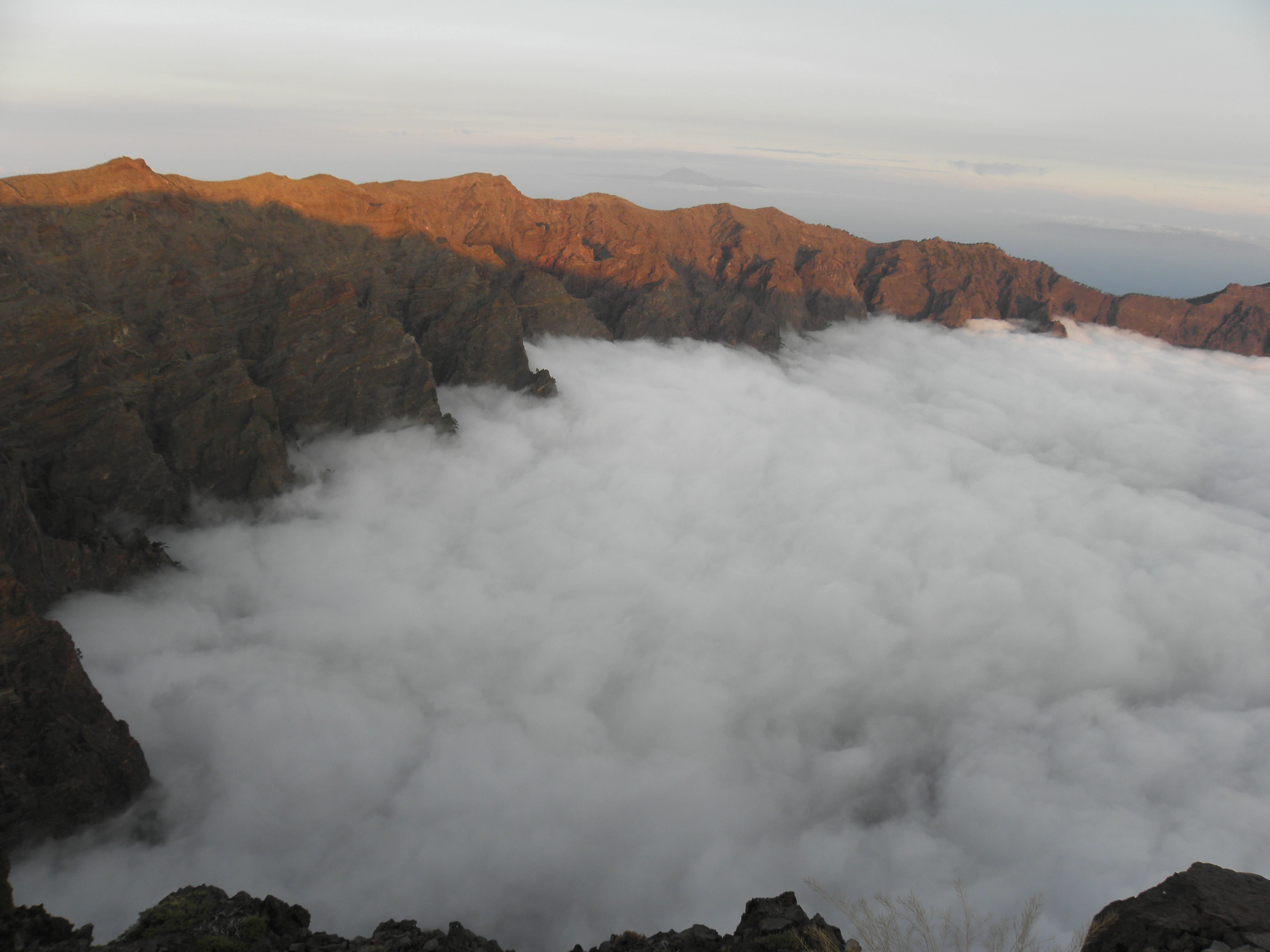
Panoramic view of a volcanic caldera with clouds filling the basin and rocky mountain peaks surrounding it under a partly cloudy sky
Clouds fill the Caldera de Taburiente with sunlit mountain peaks visible above the mist

Caldera de Taburiente National Park conservation status and protection priorities

Caldera de Taburiente holds significant conservation importance at multiple levels. The park was designated as a Special Protection Area for Birds (ZEPA) and a Special Area of Conservation (ZEC), forming part of the European Union's Natura 2000 network. In 2002, the entire island of La Palma was designated a UNESCO Biosphere Reserve, integrating the national park within a broader conservation framework. The park's geological significance led to its recognition by the International Union of Geological Sciences as one of 100 global geological heritage sites, acknowledging its importance in the development of volcanology. The management plan emphasizes genetic rescue programs for endangered species, given the high number of endemics present. The Canary Island Pine forests represent a unique ecosystem adapted to volcanic disturbance, while the remnant laurisilva areas preserve biodiversity from the laurel forest that once covered much of the archipelago.

Caldera de Taburiente National Park cultural meaning and human context

The cultural context of Caldera de Taburiente is deeply intertwined with the indigenous Guanche heritage and the later Spanish colonial history. The name "Taburiente" derives from the Guanche language, meaning "plain, level," while "caldera" is Spanish for "cauldron"—a term that entered geological vocabulary through this site. The caldera served as a fortress of last resort for the Benohoarita people during the Spanish conquest, and the memory of their final resistance remains part of the island's cultural identity. The area's ownership by the Community of Haciendas of Argual and Tazacorte since 1557 reflects the historical pattern of land tenure established after the conquest. The landscape has inspired scientific and artistic study since the 19th century, when naturalists combined geological and botanical observations in their documentation of the island.

Top sights and standout views in Caldera de Taburiente National Park

The Roque de los Muchachos offers access to one of the world's premier astronomical observatories at 2,426 meters, where the clear skies and stable atmosphere support cutting-edge telescope facilities. The Barranco de las Angustias provides the only natural exit from the caldera, following a dramatic river valley to the coast. The park contains the Canary Islands' only permanent stream, a rarity in this archipelago. The laurisilva remnants in the caldera's moist ravines preserve ancient forest types. The Salto de la Desfondada waterfall drops approximately 150 meters, one of the tallest in the Canary Islands. The park protects significant populations of endemic species, from the Canary Island Pine to the various endemic birds and invertebrates.

Best time to visit Caldera de Taburiente National Park

The park can be visited throughout the year, with each season offering different qualities. The summer months typically bring clearer skies and more stable weather conditions, making this the most popular period for visitors. Winter often brings more precipitation and cloud cover that can envelop the higher elevations, though the moisture contributes to the park's lush vegetation and flowing waterfalls. Spring and autumn offer moderate conditions with interesting transitional weather patterns. The high altitude means that temperatures are considerably cooler than at the coast, and visitors should be prepared for rapid weather changes regardless of season.
Park location guide

Geography guide, regional context, and park location map for Caldera de Taburiente National Park

Caldera de Taburiente National Park park geography, regions, and map view in Spain
Understand where Caldera de Taburiente National Park sits in Spain through a broader geographic reading of the surrounding landscape, nearby location context, and its mapped position within the national park landscape.

How Caldera de Taburiente National Park fits into Spain

Spain, officially the Kingdom of Spain, is a unitary parliamentary constitutional monarchy located in Southern and Western Europe. The country occupies most of the Iberian Peninsula and includes territories in the Mediterranean and Atlantic. With a population of approximately 49.6 million and an area of 506,030 km², Spain is a major European economy and cultural force. Its capital is Madrid, and the country is known for its diverse landscapes ranging from mountainous regions to coastal areas.

Wider geography shaping Caldera de Taburiente National Park in Spain

Spain occupies the Iberian Peninsula in Southern and Western Europe. Peninsular Spain is bordered to the north by France, Andorra, and the Bay of Biscay; to the east and south by the Mediterranean Sea and Gibraltar; and to the west by Portugal and the Atlantic Ocean. The territory includes the Canary Islands in the Atlantic Ocean, the Balearic Islands in the Mediterranean Sea, and the autonomous cities of Ceuta and Melilla in mainland Africa. Spain features diverse terrain including the Pyrenees in the northeast, the Sierra Nevada in the south, and the Meseta Central plateau.

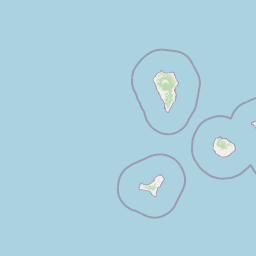
Map view of Caldera de Taburiente National Park

Use this park location map to pinpoint Caldera de Taburiente National Park in Spain, understand its exact geographic position, and read its mapped placement within the surrounding landscape more clearly.

Pigeon | © OpenStreetMap contributors

Location context for Caldera de Taburiente National Park

Canary IslandsLa Palma

Explore the Steep Cliffs, Pine Forests, and Deep Ravines of La Palma's Iconic Protected Area

Caldera de Taburiente National Park Photos: Visualizing Volcanic Landscapes and Dramatic Terrain
Visually explore the unique geological features and diverse ecosystems of Caldera de Taburiente National Park through a curated collection of imagery. This visual atlas helps users understand the park's dramatic volcanic topography, including towering caldera walls, extensive Canary Island pine forests, and deep ravines, providing essential context for its protected landscapes and key habitats.

Panoramic view of dense pine forest and cloud-covered caldera in a mountainous landscape.

Panoramic view of Caldera de Taburiente National Park featuring mountainous landscape, green valleys, and scattered trees under a partly cloudy sky

Satellite image showing volcanic caldera, mountain ridges, and coastal terrain of Caldera de Taburiente National Park on La Palma, Canary Islands

Panoramic view of a volcanic caldera with clouds filling the basin and rocky mountain peaks surrounding it under a partly cloudy sky

Canary Island Pine tree with multiple branches surrounded by other pine trees and vegetation, with mountains visible in the background under a clear blue sky

Park atlas

Explore the regional geography of protected landscapes across La Palma and the Canary Islands archipelago, comparing diverse park characteristics.

Other National Parks and Protected Areas to Explore Near Caldera de Taburiente National Park
Continue park discovery beyond Caldera de Taburiente National Park, browsing other national parks and protected areas across La Palma and the wider Canary Islands archipelago. This focused geographic context allows for direct comparison of volcanic landscapes, unique ecosystems, and conservation efforts throughout this distinct Macaronesian region.
National park

Garajonay National Park: Ancient Laurisilva Forest and Volcanic Landscapes

Explore Spain's unique protected area with rich geographic context.

Garajonay National Park, a treasure of La Gomera, preserves one of the last stands of Europe's ancient laurisilva forest atop dramatic volcanic terrain. This national park offers a rare opportunity to explore a landscape shaped by persistent cloud cover and unique island evolution. Examine the park's mapped boundaries and distinctive natural features through its detailed geographic profile.

Area
40 km²
Established
1981
IUCN
II
Visitors
450K annual
Watercolor illustration of a mountainous landscape with green and purple hues, featuring rolling hills, distant mountains, and a light sky.
National parkTenerife

Teide National Park: Spain's Highest Peak and Distinctive Volcanic Landscape

Explore protected volcanic terrain and mapped geography on Tenerife.

Teide National Park protects the highest point in Spain, Mount Teide, within a spectacular caldera and surrounding volcanic terrain on Tenerife. This national park offers a unique landscape for geographic discovery, showcasing dramatic lava flows, volcanic cones, and endemic flora. Its protected boundaries define a significant area of natural interest, making it a key landmark for atlas exploration of island geography and protected lands.

Area
189.9 km²
Established
1954
IUCN
II
Visitors
4.5M annual
Watercolor painting of a landscape with grassy areas, a winding river, and mountains under a light sky
National parkCanary Islands

Timanfaya National Park: Dramatic Volcanic Landscape in the Canary Islands

Explore Spain's unique geological national park.

Timanfaya National Park offers an extraordinary exploration of volcanic terrain, a protected area that defines geological conservation in the Canary Islands. Its landscape, shaped by powerful eruptions, features vast lava fields, striking volcanic cones, and visible geothermal activity. As Spain's only purely geological national park, Timanfaya provides a unique context for understanding volcanic processes and appreciating the raw beauty of its protected natural environment, serving as a key landmark within the archipelago's geography.

Area
51.07 km²
Established
1974
IUCN
II
Relief
Mountain
Protected landscapeAlentejo Litoral

Southwest Alentejo and Vicentine Coast Natural Park: A Protected Landscape in Alentejo Litoral

Explore its mapped boundaries and regional geographic context.

This detail page offers a deep dive into the Southwest Alentejo and Vicentine Coast Natural Park, a protected landscape situated in Portugal's Alentejo Litoral region. Understand the park's identity as a protected area through its geographic features and mapped extent. MoriAtlas facilitates a structured understanding of this natural landscape, enabling focused discovery of its protected boundaries and regional geographical significance.

Area
895.7 km²
Established
1988
IUCN
V
Visitors
12.7K annual
Protected landscapeAlgarve

Ria Formosa Natural Park Protected Landscape: Algarve Regional Geography

Explore mapped protected landscapes and regional geographic context.

Examine Ria Formosa Natural Park, a protected landscape that defines a significant portion of the Algarve's natural heritage. This atlas-focused exploration details the park's geographic features, its protected status, and its position within the wider regional geography. Understand the mapped extent of this protected landscape and its contribution to the natural context of southern Portugal.

Area
179.01 km²
Established
1978
IUCN
V
Relief
Lowland
Protected landscapePortugal

Arrábida Natural Park: Protected Landscape Atlas and Geographic Context in Portugal

Mapped boundaries of this key Portuguese protected area.

Arrábida Natural Park is presented here as a significant protected landscape, offering rich details for geographic exploration and atlas-based research. Users can investigate its specific mapped boundaries, understand its environmental setting within Portugal, and utilize this data for comparative analysis of protected areas. This resource focuses on the park's inherent geographic identity and its role as a defined natural landscape.

Area
176.41 km²
Established
1976
IUCN
V
Visitors
23.1K annual
Watercolor painting showing rolling coastal hills with green vegetation, a body of water, and distant mountains under a light sky
Protected landscapeLisbon District

Sintra-Cascais Natural Park: Mapped Protected Landscape in Lisbon District, Portugal

Explore Atlantic coast geography and historic palatial terrain.

The Sintra-Cascais Natural Park is a designated protected landscape in Portugal's Lisbon District, renowned for its fusion of natural beauty and historical architecture. This page offers an atlas-style exploration of its mapped boundaries, showcasing the unique Serra de Sintra mountain range meeting the Atlantic coast. Discover the protected area's geographic features, from its lush forested slopes crowned with iconic palaces to the dramatic cliffs and beaches of Cabo da Roca, providing essential context for understanding this distinctive Portuguese natural landscape.

Area
144.51 km²
Established
1981
IUCN
V
Visitors
43.5K annual
Watercolor illustration showing a river flowing through a valley with hills and vegetation
Protected landscapeBeja District

Guadiana Valley Natural Park: Protected Landscape Discovery in Beja District

Explore its mapped geography and protected land context.

Guadiana Valley Natural Park is identified as a protected landscape, providing a specific focus for geographic study and map-based exploration. This entry details the park's unique protected-area status and its contextual placement within the expansive Beja District of southern Portugal. Understand the mapped boundaries and landscape features that define this area, serving as a key point for regional geographic understanding on MoriAtlas.

Area
697 km²
Established
1995
IUCN
V
Visitors
749 annual

Common questions about visiting, size, designation, and location context for Caldera de Taburiente National Park

Caldera de Taburiente National Park FAQs for park facts, access, geography, and protected area context
Find quick answers about Caldera de Taburiente National Park, including protected-area facts, park geography, trail and visitor context, and how the park fits into its surrounding country and regional landscape.
MoriAtlas Explorer

Continue Your Protected Areas Search Across the Global Atlas

Deepen your exploration by continuing the structured search for national parks and protected areas worldwide. Utilize the comprehensive filtering capabilities to compare different conservation landscapes and refine your understanding of global park geography. Discover more about the distribution and characteristics of protected natural areas.

Global natural geography