Why Đerdap National Park stands out
Đerdap National Park is best known for the Iron Gate (Đerdap Gorge), one of Europe's most impressive river canyons. This dramatic landscape features near-vertical limestone cliffs plunging to extraordinary river depths, with the gorge narrowing to just 150 meters in the Kazan section where cliffs soar 300 meters above the water. The park is also renowned for its extraordinary biodiversity, hosting over 1,100 plant species including numerous Tertiary relicts such as Turkish hazel, European yew, and Balkan beech that survived from ancient geological eras. The area is famous for significant wildlife including a stable population of 10-12 Eurasian lynx, rare bird species like Dalmatian pelicans that returned to nest after a century's absence, and diverse habitats supporting 150 bird species. The cultural layer is equally distinguished, with Lepenski Vir representing one of the oldest human settlement sites in the Balkans and Roman engineering marvels including Trajan's Bridge and Tabula Traiana.
Đerdap National Park history and protected-area timeline
Đerdap National Park was established in 1974 to protect the Iron Gate gorge and surrounding natural areas as a comprehensive spatial unit with exceptional cultural-historical values and significant ecosystems. The establishment came during a period of increased environmental awareness in Yugoslavia and reflected recognition that the Iron Gate area required coordinated protection of both natural and cultural heritage. The park management entity, originally founded as the Enterprise for Protection and Development of Đerdap National Park in 1989, was reorganized as the Public Enterprise 'National Park Đerdap' in 1993, with headquarters in Donji Milanovac. The park's borders were significantly expanded in 2020 when the broader Đerdap area was designated as Serbia's first UNESCO Global Geopark, now encompassing 1,330 square kilometers including portions of the Miroč and Kučaj mountain massifs alongside the Iron Gates Gorge. The same year, the entire national park area plus the Mala Vrbica wetland was declared Serbia's 11th Ramsar site, recognizing the international importance of the wetlands that developed after the creation of the reservoir. The Iron Gate dam itself represents a major historical intervention—the Iron Gate I hydroelectric station, completed in 1972 as a collaborative Yugoslav-Romanian project, was among the world's largest power facilities at the time and created the vast Lake Đerdap that now forms a central part of the park's character.
Đerdap National Park landscape and geographic character
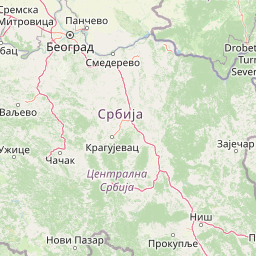
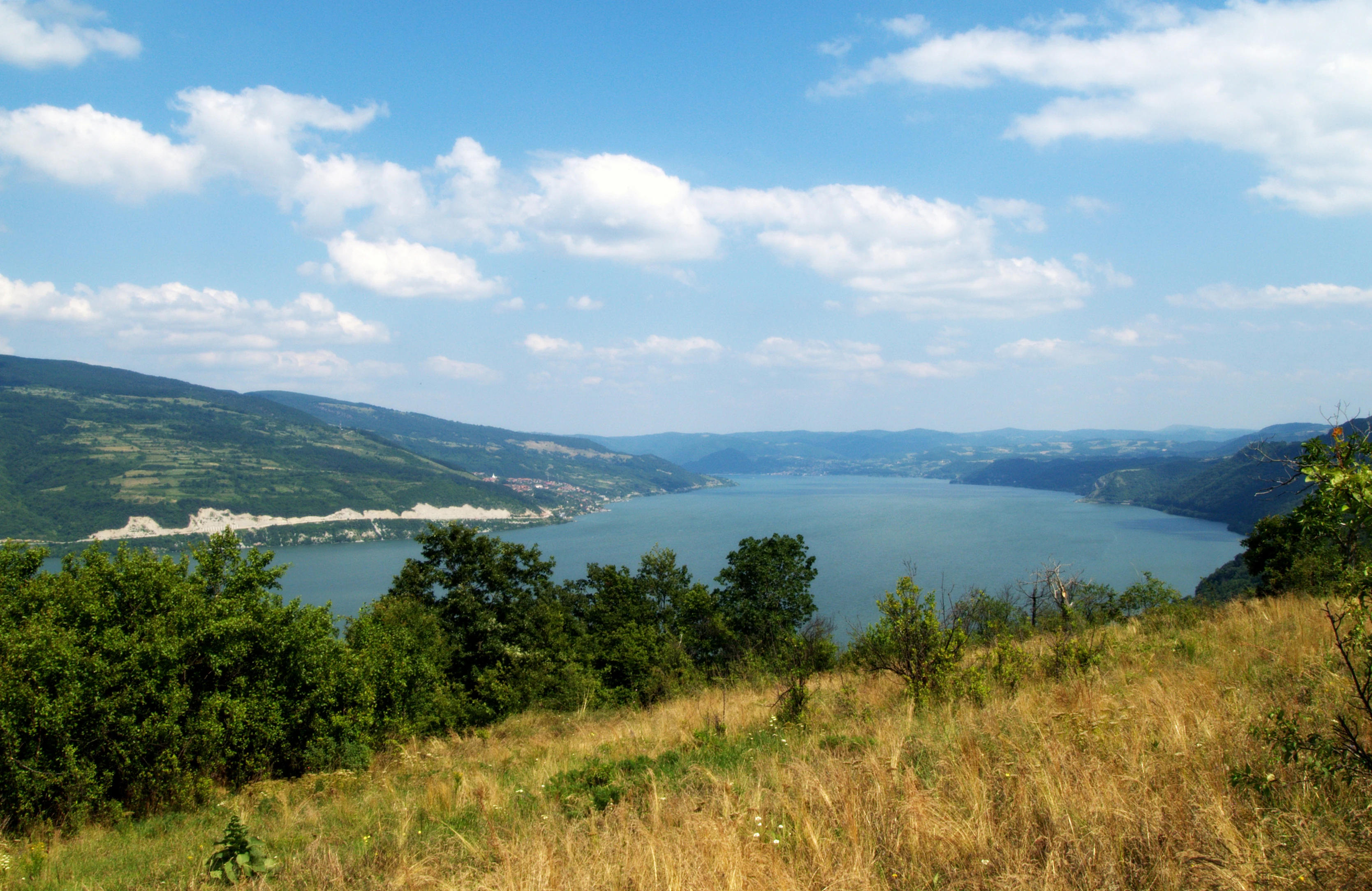
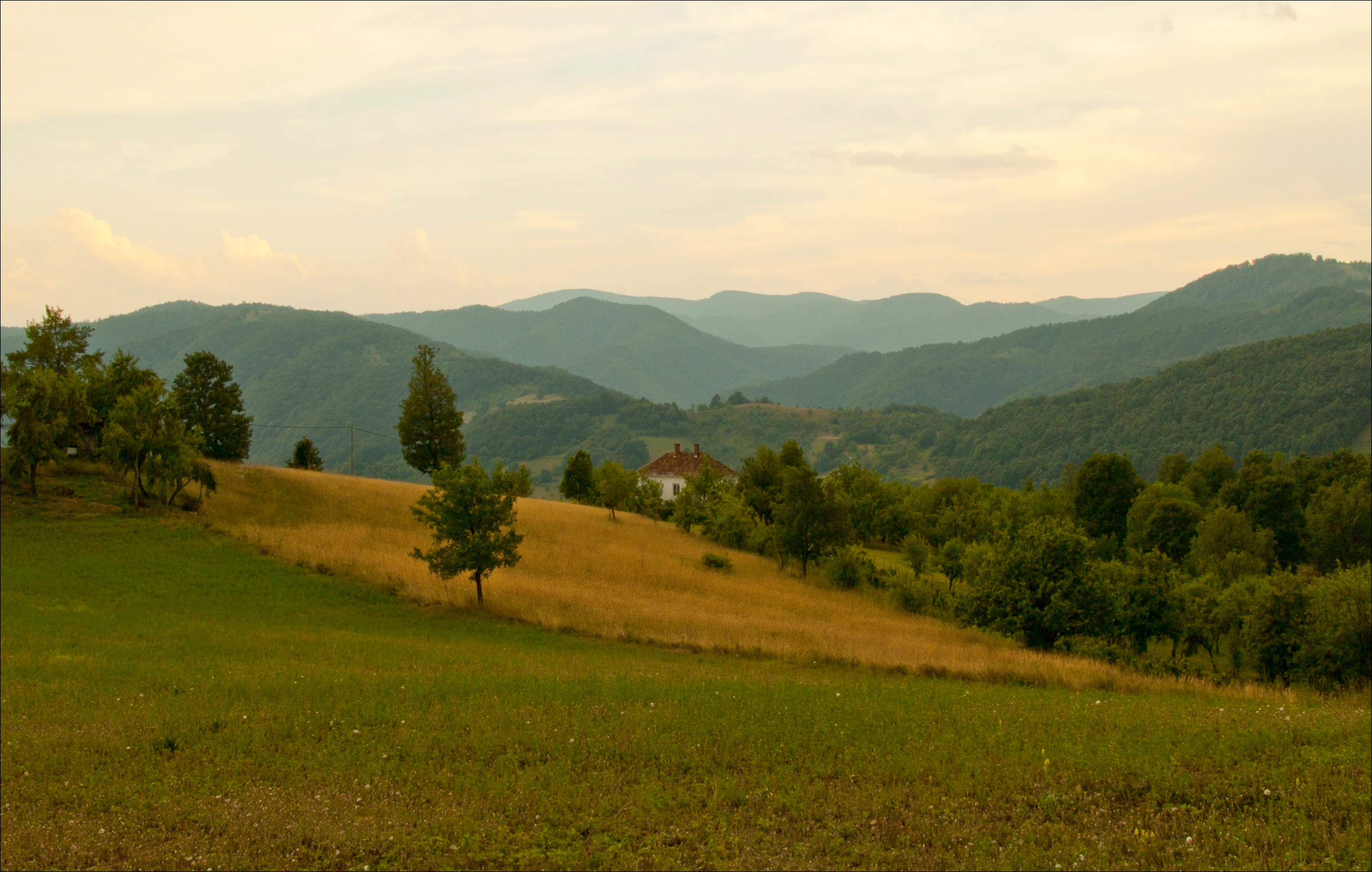
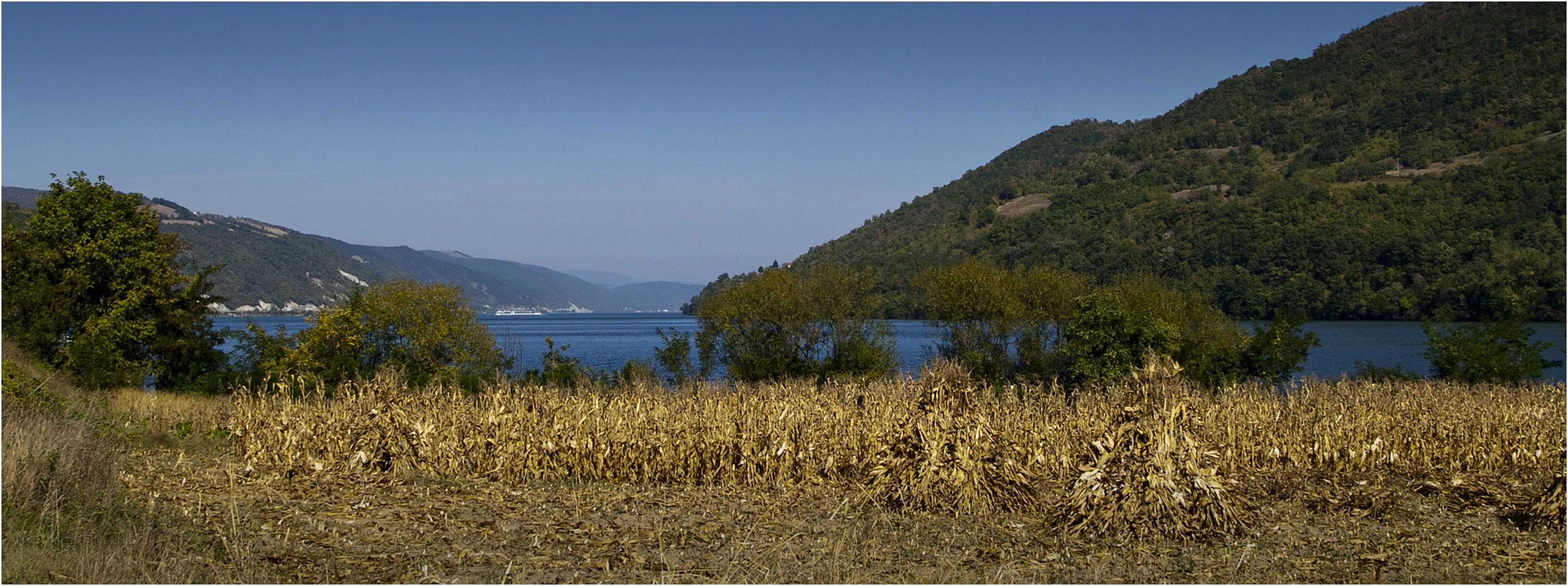
The landscape of Đerdap National Park is defined by the spectacular Iron Gate gorge, a complex river valley system carved through the limestone of the Carpathian Mountains. The gorge extends approximately 100 kilometers from Golubac to Tekija, comprising four distinct canyon sections separated by narrow ravines. The most dramatic section is the Kazan gorge, where the river is compressed to just 150 meters between cliffs reaching 300 meters in height, creating one of the most impressive river vistas in Europe. Along the gorge, river depths reach 82 meters in the Gospođin vir section—one of the deepest river measurements in the world. The park rises from the Danube bank through a forested mountain belt 2 to 8 kilometers wide, with elevations ranging from 50 meters along the river to over 800 meters on the surrounding peaks. The terrain is characterized by karstic topography with numerous caves, pits, sinkholes, and springs, including the significant Blederija spring on Miroč mountain. Several excellent scenic viewpoints offer panoramic views, most notably Veliki štrbac and Mali štrbac above the Kazan gorge, from which one can see the Deli Jovan and Veliki Krš mountains in Serbia and the Carpathians in Romania. The viewpoint Greben was famously described by geologist Jovan Žujović at the 1900 Budapest geology congress as 'the most beautiful hill in the Balkans.'
Đerdap National Park ecosystems, habitats, and plant life
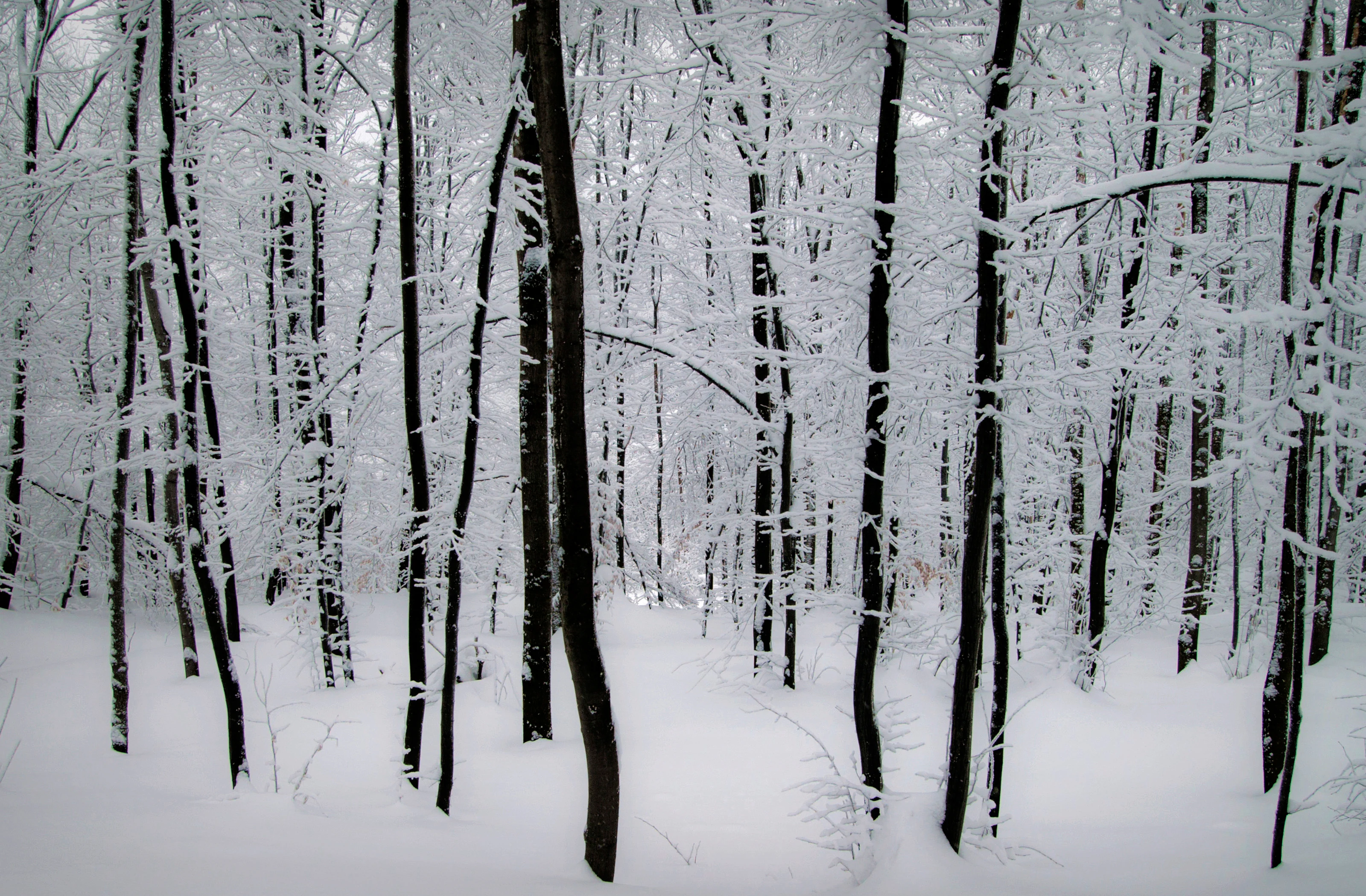
The ecological character of Đerdap National Park is exceptionally rich, shaped by the park's position at the biogeographic crossroads between the Balkans and Central Europe and its diverse habitats ranging from riverine wetlands to mountainous forests. The park supports over 1,100 plant species, including a remarkable number of Tertiary relict species that survived from the ancient Tertiary period when this region supported subtropical forests. These relict species include Turkish hazel, common walnut, European yew, largeleaf linden, downy oak, and European holly—species that serve as living witnesses to the region's ancient climatic and ecological history. Of particular significance are the 57 forest communities found in the park, of which 40 are considered relict, including Balkan beech, Oriental beech, and Balkan maple communities. The park also protects several endemic Balkan species and Carpathian endemites. The creation of Lake Đerdap established important wetland habitats that support additional ecological communities, with the flooded underground water table creating new wetland complexes that have become crucial for waterfowl and other wetland species. The park's designation as an Important Plant Area reflects this extraordinary botanical significance.
Đerdap National Park wildlife and species highlights
Đerdap National Park supports remarkable wildlife diversity, with 150 bird species and significant mammal populations inhabiting its varied habitats. The park is particularly important for large predators, supporting a stable population of 10-12 Eurasian lynx, representing a significant portion of Serbia's estimated 40-60 lynx individuals. This lynx population represents an important conservation success story for the species in the region. The bird fauna is exceptionally diverse, with the return of Dalmatian pelicans in 2018-2019 representing a particularly notable event—these birds, whose closest habitat is the Danube Delta, had not been recorded in Đerdap since 1914. Their continued presence through nesting periods was confirmed in 2021, marking the first confirmed nesting in the area for over a century. Also significant was the discovery of white-winged tern nesting (previously extinct from central Serbia) and yellow-legged gull nesting (the only second nesting locality in Serbia, with no nests recorded since approximately 1900). Other notable species include European roller, woodchat shrike, booted eagle, common tern, and greylag goose. The river and lake support important fish populations, with catfish specimens exceeding 100 kilograms recorded. The Blederija valley and surrounding areas are known for deer and wild boar, with protected hunting grounds at Vratna and Ploče.
Đerdap National Park conservation status and protection priorities
Đerdap National Park holds multiple international protection designations reflecting its outstanding conservation significance. The park was designated a UNESCO Global Geopark in 2020, the first protected area in Serbia to achieve this status, recognizing the exceptional geological heritage of the Iron Gate gorge and surrounding Carpathian landscapes. In the same year, the park became Serbia's 11th Ramsar site, with the protected wetland area encompassing the entire national park plus the Mala Vrbica Important Bird Area outside the park boundaries. The Ramsar designation recognizes the international importance of the wetlands that developed following the creation of the artificial lake. The park also holds Important Bird Area and Important Plant Area designations, recognizing its significance for biodiversity conservation. The protection framework includes zoned management with different protection levels: approximately 8% at Level I (strict protection), 21.5% at Level II, and nearly 71% at Level III, balancing conservation with sustainable use. Thepark's geological significance centers on the Iron Gate as Europe's longest breakthrough-type gorge and the exposure of Carpathian geological formations.
Đerdap National Park cultural meaning and human context
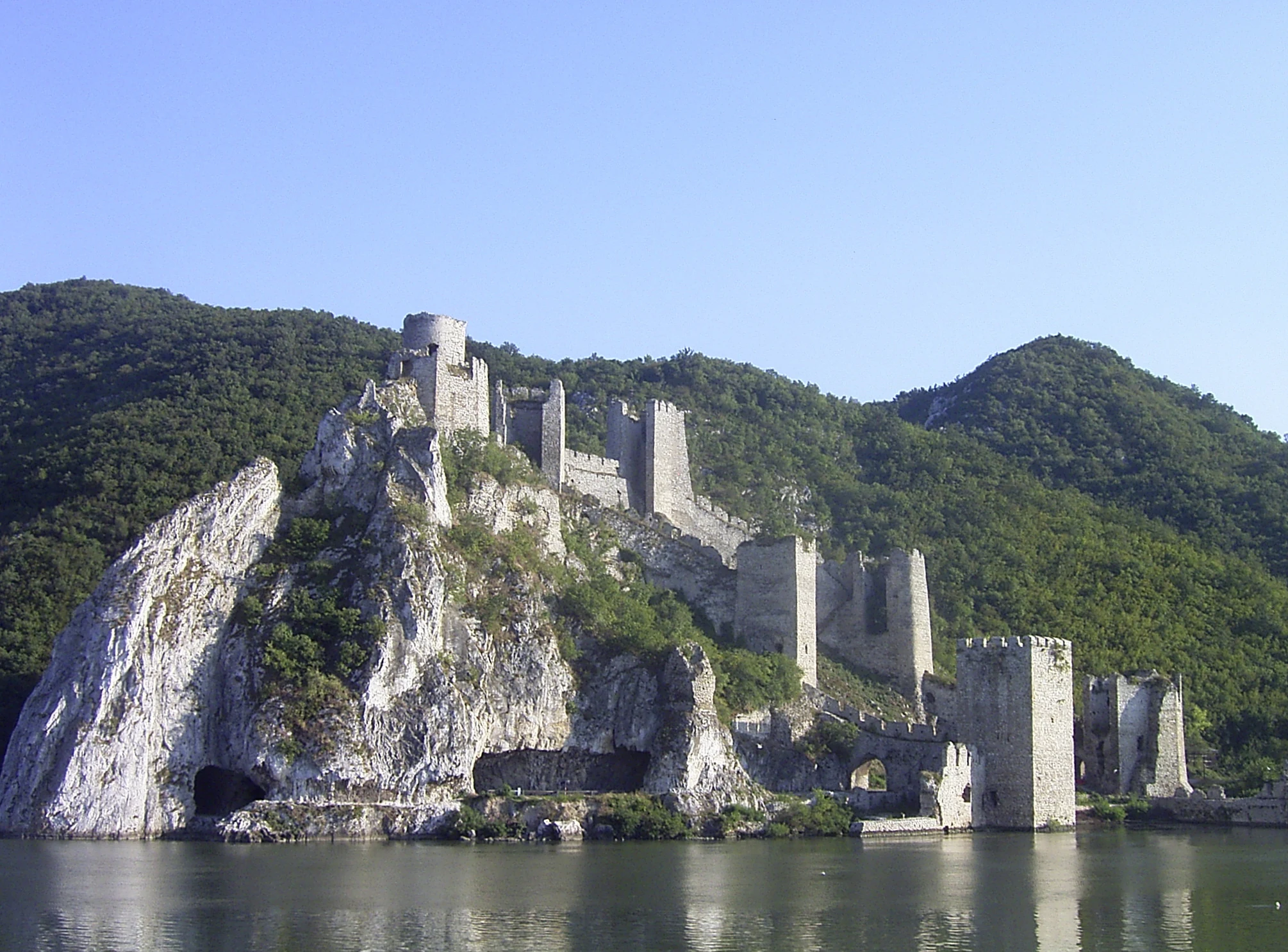
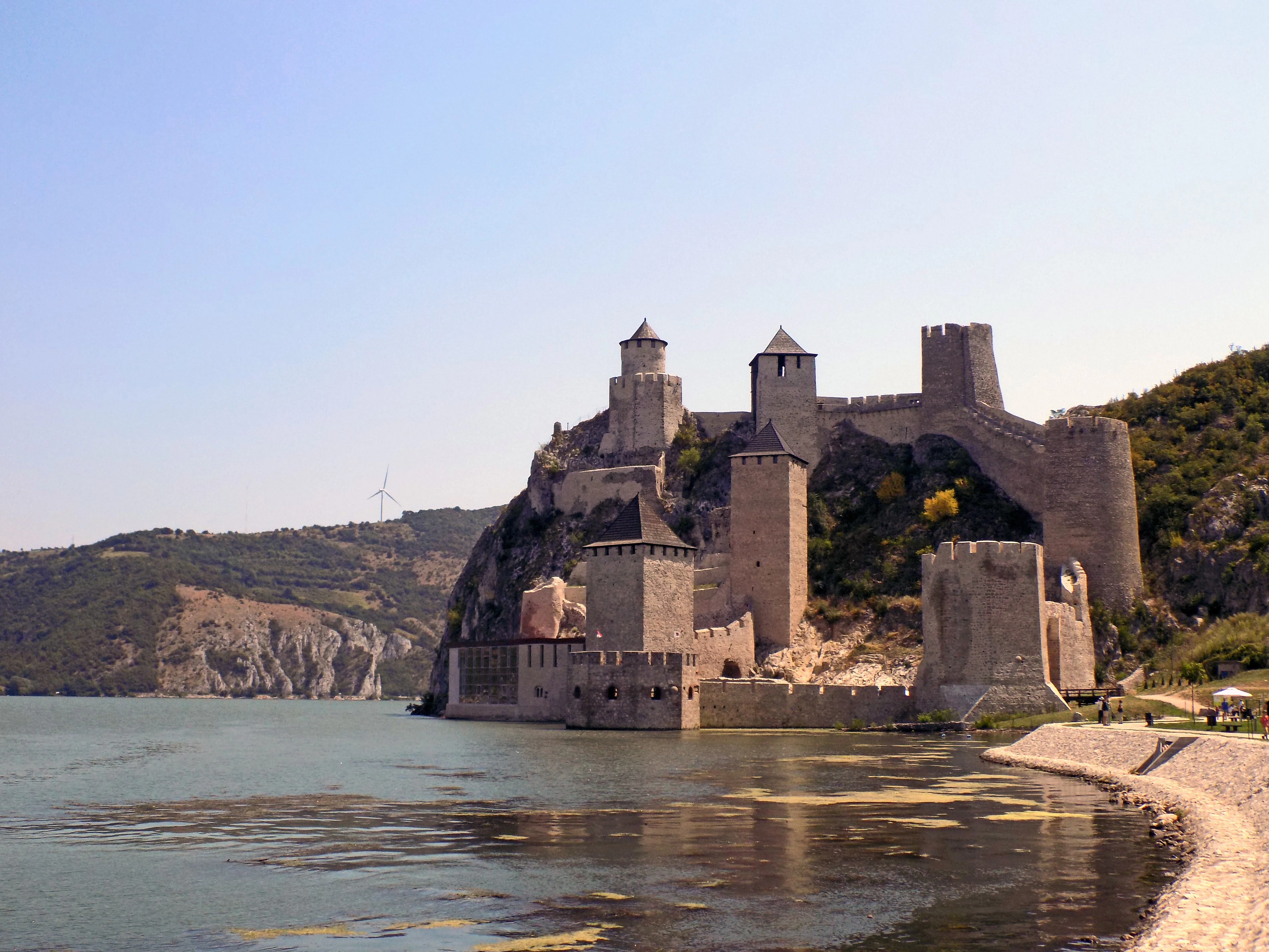
The Đerdap area represents one of Europe's most significant cultural landscapes, where human presence spans at least 11,500 years. The paramount archaeological treasure is Lepenski Vir, discovered in 1967, where excavations revealed exceptional traces of Mesolithic and later Neolithic settlements spanning from 1965 to 1971, with over 30 sites ranging from the Mesolithic to the Late Middle Ages. This site fundamentally shaped understanding of early human development in the Balkans. The region later became a major transit route for the Triballi, Dacians, and Autariates around 800 BC before Roman arrival in the first century BC. Romans established Đerdap as a border zone on the route of the western extension of Via Militaris, and Emperor Trajan built the famed Trajan's Bridge in 105 AD—pillars of which survive today alongside the Tabula Traiana inscription. The Roman fortress Diana stood at Kladovo. Medieval heritage is represented by the Golubac Fortress, a cultural monument containing numerous artifacts including pottery, iron tools, and weapons. The 27 settlements within the park are home to approximately 35,000 residents maintaining traditional connections to this landscape.
Top sights and standout views in Đerdap National Park
Đerdap National Park offers a compelling combination of Europe's most dramatic river gorge, exceptional biodiversity, and profound human history. The Iron Gate represents a geological wonder—the longest breakthrough gorge on the continent—with towering cliffs, extraordinary river depths, and panoramic viewpoints like Greben that geologists have called 'the most beautiful hill in the Balkans.' The ecological significance is extraordinary, with over 1,100 plant species including Tertiary relicts and 40 relict forest communities, plus a stable lynx population and confirmed nesting of rare Dalmatian pelicans after a century's absence. Cultural highlights include the 11,500-year-old Lepenski Vir archaeological site, Roman Trajan's Bridge and Tabula Traiana, and the medieval Golubac Fortress. The vast Lake Đerdap creates additional recreational and ecological value, while the park's 2020 designations as both a UNESCO Global Geopark and Ramsar site recognize its international significance.
Best time to visit Đerdap National Park
Đerdap National Park can be visited year-round, though each season offers distinct experiences. The spring and early summer months bring lush green landscapes, full water flow through the gorge, and excellent conditions for wildlife observation as species are active. Autumn offers particularly spectacular coloring as the diverse forests display vibrant hues, and the lower visitor numbers create a more contemplative experience. Summer brings the warmest conditions and highest water levels in the reservoir, suitable for boat tours and swimming at established tourist facilities. Winter reveals the gorge in its most dramatic light, with snow-dusted cliffs contrasting against the dark river, though some facilities may have reduced operations. The Danube valley generally experiences continental climate with moderate temperatures, though the gorge can create microclimate effects. For wildlife viewing, early morning visits to viewpoints offer the best chances to observe species, while the bird populations are most active during migration seasons.