Why Dipperu National Park stands out
Dipperu National Park is best known for its extensive and scientifically significant brigalow forest, which represents one of the largest and most intact remnants of this once-widespread ecosystem in the North Brigalow Belt. The forest's exceptional scientific value stems from its relative intactness and the diversity of species it supports, making it an important reference site for ecological research and conservation planning in central Queensland. The presence of seven endangered animal species and 260 plant species within the park's boundaries underscores its ecological importance.
Dipperu National Park history and protected-area timeline
Dipperu National Park was established in 1969 as a scientific reserve, reflecting a period when Queensland was beginning to develop a more systematic approach to protecting representative examples of its native vegetation communities. The creation of the park responded to growing scientific concern about the rapid loss of brigalow forest across central Queensland, where extensive clearing for grazing and cropping had dramatically reduced the extent of this once-widespread ecosystem. The decision to designate the area as a strict nature reserve (IUCN category Ia) reflected its primary purpose as a scientific reference site rather than a recreation destination. Management responsibility rests with the Queensland Parks and Wildlife Service, which maintains the area as a protected ecosystem for ongoing research and monitoring. The park's designation as a scientific national park distinguishes it from other protected areas and reflects its role as a living laboratory for studying brigalow forest ecology.
Dipperu National Park landscape and geographic character
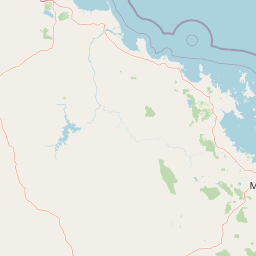
The landscape of Dipperu National Park consists of gently undulating terrain characteristic of the North Brigalow Belt, with elevations around 176 meters above sea level. The terrain supports a relatively dense cover of brigalow woodland, creating a distinctive landscape that differs markedly from the more open pastoral lands that now dominate much of central Queensland. The brigalow trees themselves create a dark, almost cathedral-like canopy in places, with the species adapted to the region's seasonal climate and the relatively fertile clay soils that characterize the brigalow belt. The forest structure includes a distinct upper canopy of brigalow with a varied understory of other shrubs and grasses that have persisted despite the pressures that have eliminated this forest type from much of its former range.
Dipperu National Park ecosystems, habitats, and plant life
The brigalow forest of Dipperu National Park represents one of the most significant remaining examples of this distinctive Australian vegetation type. Brigalow (Acacia harpophylla) is a tall, dense woodland species that once dominated extensive areas of central and southern Queensland, forming one of the most characteristic forest types of the region. The ecosystem has been extensively cleared for agriculture, making Dipperu's relatively intact example increasingly rare and valuable. The forest supports a diverse plant community with 260 plant species recorded within the park, including numerous species that depend on the brigalow ecosystem for their survival. The dense canopy and complex structure of the forest create a range of microhabitats that support different plant and animal communities, making the area ecologically complex despite its relatively uniform appearance from a distance.
Dipperu National Park wildlife and species highlights
Dipperu National Park supports a remarkable diversity of wildlife despite its relatively modest size, with 226 animal species recorded within its boundaries. Of particular significance is the presence of seven endangered species, reflecting the ecosystem's importance as a refuge for threatened wildlife. The brigalow forest provides critical habitat for species that have declined dramatically across much of the brigalow belt due to habitat loss. The dense woodland supports various bird species, mammals, reptiles, and invertebrates that have adapted to life in this distinctive forest type. The combination of old-growth brigalow trees with their complex structure, fallen timber, and diverse understory creates ideal conditions for many species, making the park an important conservation area for central Queensland's wildlife.
Dipperu National Park conservation status and protection priorities
Dipperu National Park plays a crucial role in conserving one of Australia's most threatened forest types. The brigalow forest ecosystem has been dramatically reduced by clearing for agriculture, with estimates suggesting that less than 10% of the original brigalow woodland remains in relatively intact condition. As a strict nature reserve (IUCN category Ia), Dipperu receives the highest level of protection available under Australia's protected area system, with management focused on maintaining the ecosystem in as natural a state as possible. The park's significance extends beyond its boundaries as a reference site for scientific research into brigalow ecology, providing benchmarks against which degraded landscapes can be compared and restoration efforts can be guided. The presence of seven endangered species within the park underscores its conservation importance, as these species depend on the intact brigalow forest for their survival.
Top sights and standout views in Dipperu National Park
Dipperu National Park's primary highlight is its status as one of the largest and most intact remaining brigalow forests in existence, representing a critically endangered ecosystem that has been eliminated from most of its former range. The park's strict nature reserve status ensures maximum protection for this significant ecological remnant. With 260 plant species and 226 animal species, including seven endangered species, the park provides critical habitat for biodiversity that survives nowhere else in such concentration. The scientific value of the brigalow forest makes the park important for research and ecological understanding of this distinctive Australian landscape.