Why Gotska Sandön National Park stands out
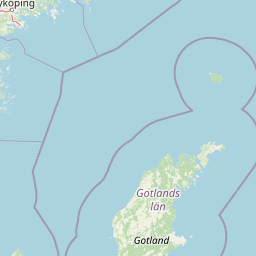
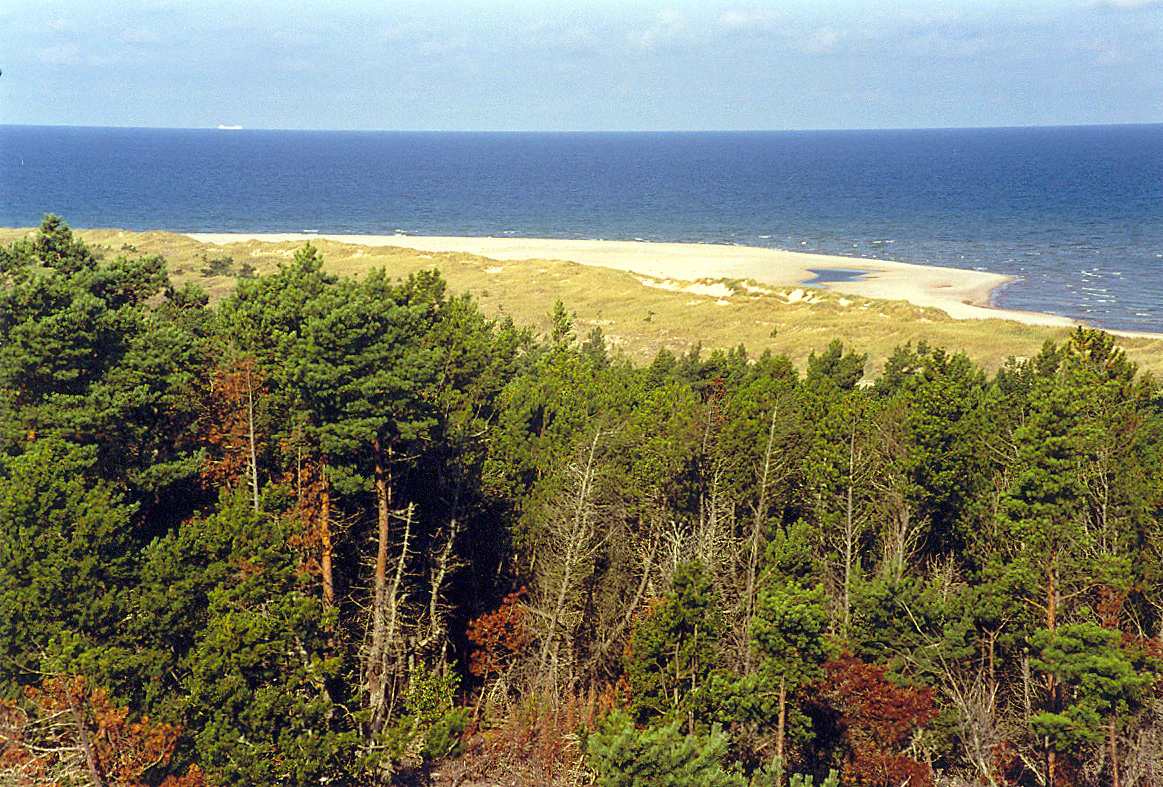
Gotska Sandön is best known for its extensive sand dune systems, which are among the most significant in the Baltic region. The island's ancient pine forests, some of which have been protected for centuries, represent a rare old-growth coniferous environment in this part of Scandinavia. The park also protects important nesting habitats for seabirds and provides one of the few remaining relatively unmodified coastal sand ecosystems in the Baltic.
Gotska Sandön National Park history and protected-area timeline
The protection of Gotska Sandön's forests began in 1909 when significant portions of the island were declared nature reserves, recognizing the scientific and scenic value of the old-growth pine forests. This early conservation action reflected growing environmental awareness in Sweden during the early twentieth century and the unique character of the island's sandy woodland ecosystems.
The national park was formally established in 1963, covering the entire island and providing comprehensive protection under Sweden's national park legislation. This designation consolidated the earlier forest reserves and extended protection to include the dune systems, coastal areas, and the island's complete ecosystem. The establishment reflected increasing post-war interest in preserving representative examples of Sweden's natural landscapes.
Management of the park has focused on maintaining natural processes and preserving the relatively unmodified character of the island. Unlike many Swedish national parks that have historical agricultural landscapes, Gotska Sandön has been allowed to develop with minimal human intervention, resulting in a more naturalized ecosystem.
Gotska Sandön National Park landscape and geographic character
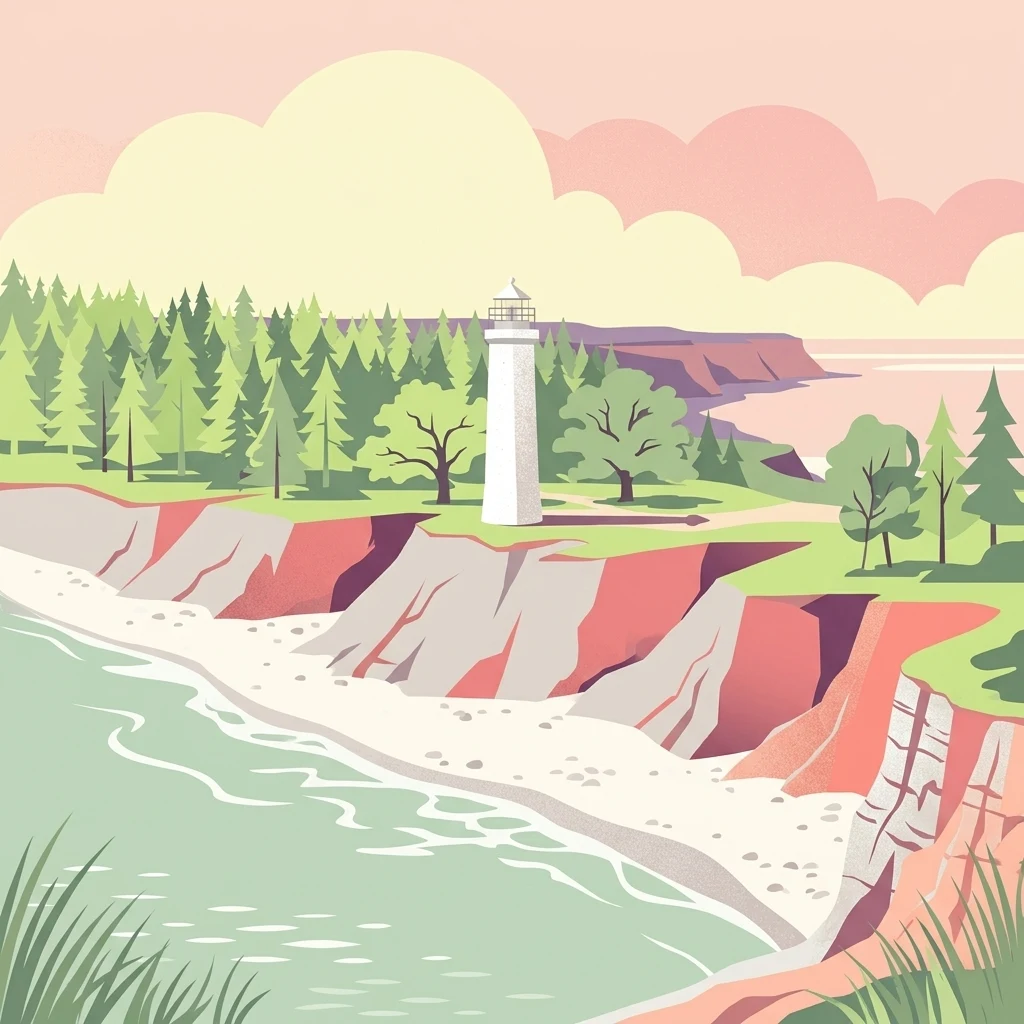
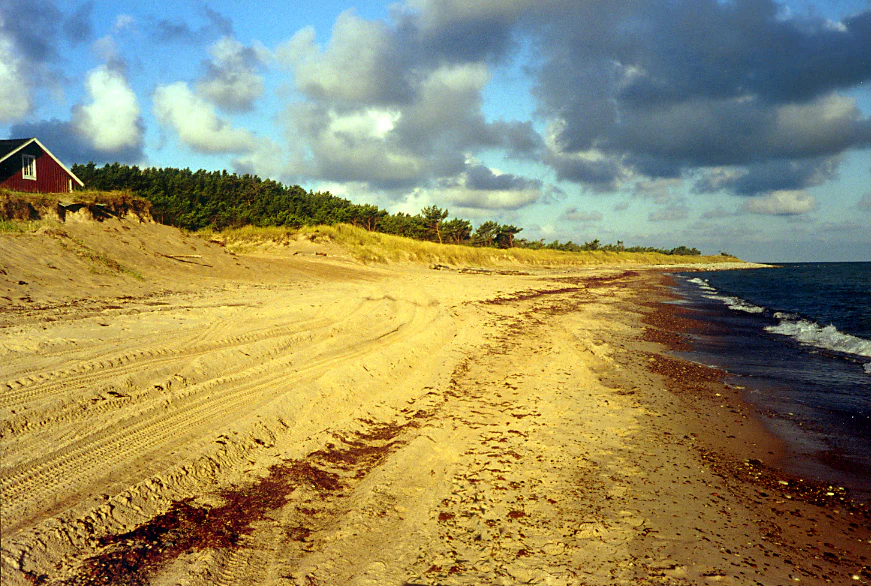
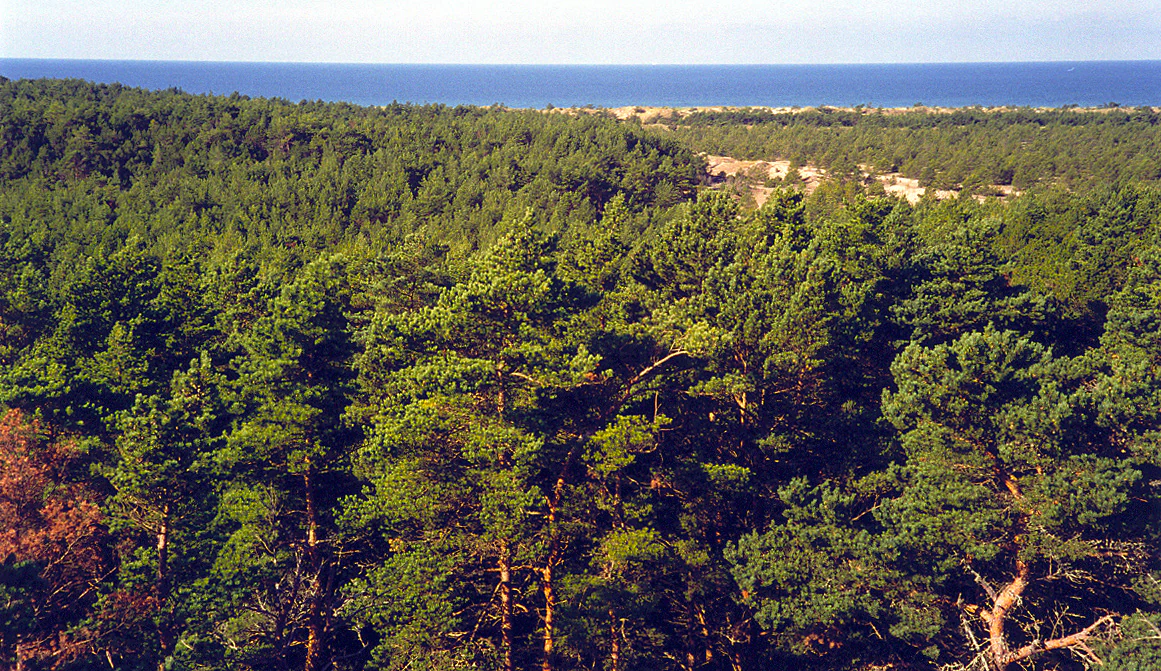
Gotska Sandön's landscape is defined by its sandy nature, a rare feature among Baltic islands. The island features extensive dune systems that shape much of its interior topography, with sand deposits creating gently undulating terrain rather than the rocky hills typical of the region. The dunes support specialized plant communities adapted to shifting sand conditions and dry soil environments.
The island's forests grow on sandy soils that create challenging conditions for tree growth, resulting in open pine woodlands with sparse understory vegetation. These forests differ markedly from the denser coniferous forests found on mainland Sweden, reflecting the island's unique edaphic conditions. Coastal areas transition from sandy beaches to rocky shores, providing visual variety along the island's perimeter.
Gotska Sandön National Park ecosystems, habitats, and plant life
The ecological character of Gotska Sandön reflects its isolated island setting and sandy substrates. The dune systems support specialized plant communities including sand-adapted grasses, herbs, and low-growing vegetation that can survive in these dynamic, dry environments. These habitats are rare in the Baltic region, making the park significant for conserving specialized sand-dune ecosystems.
The pine forests represent an unusual forest type in Sweden, developing on nutrient-poor sandy soils in a relatively open structure. These woodlands support specialized invertebrates and fungi associated with old-growth pine habitats. The island's position in the Baltic Sea also makes it important for migratory birds that use the island as a stopping point during migration across the sea.
Gotska Sandön National Park wildlife and species highlights
Gotska Sandön supports wildlife adapted to the island's distinctive sandy and forested habitats. The old-growth pine forests provide habitat for species associated with ancient woodland, including various beetles, fungi, and invertebrates that depend on dead wood and veteran trees. The island's isolated position in the Baltic makes it significant for breeding seabirds, with species including various terns and gulls nesting in the coastal areas.
The dune environments support specialized invertebrate communities adapted to sandy conditions, while the heath-like areas between forest patches provide additional habitat diversity. The park's position along migration routes means birdlife varies considerably between seasons, with passage migrants using the island as a rest point during their journeys across the Baltic.
Gotska Sandön National Park conservation status and protection priorities
Gotska Sandön National Park protects one of the Baltic region's most significant intact sandy island ecosystems. The combination of dune systems, old-growth pine forests, and relatively unmodified coastal environments makes the park valuable for conserving habitats that have become rare in heavily developed Baltic coastal areas. The park's early forest protection in 1909 established a conservation legacy that has allowed natural processes to proceed with minimal intervention.
The park represents a relatively natural environment where ecological processes continue largely unchanged, providing a reference ecosystem for understanding Baltic sandy island ecology. The protection of the entire island as a national park ensures that the interconnected dune-forest-coastal systems are maintained as an integrated whole, rather than as fragmented habitats.
Gotska Sandön National Park cultural meaning and human context
Gotska Sandön has limited historical human occupation, which has contributed to the preservation of its natural character. The island's name reflects its location and sandy nature, with "Sandön" meaning "sand island" in Swedish. The relatively light human impact over time has allowed the island's natural ecosystems to develop with less modification than many other coastal areas in the Baltic region.
Top sights and standout views in Gotska Sandön National Park
Gotska Sandön offers visitors the opportunity to experience a rare sandy island ecosystem in the Baltic Sea. The park's dune landscapes are among the most significant in Scandinavia, while the old-growth pine forests represent unusual woodland development on sandy soils. The island's relatively untouched character provides a sense of wilderness unusual for the Baltic region, with vast skies, sandy beaches, and quiet forests creating a distinctive atmosphere.
Best time to visit Gotska Sandön National Park
The summer months offer the warmest conditions for exploring Gotska Sandön's beaches and dune landscapes, though the island can be visited throughout the year. Winter visits provide a very different experience of the island's stark beauty, though access may be more limited. The island's position in the Baltic means weather conditions can be changeable regardless of season.