Why Gutulia National Park stands out
Gutulia National Park is primarily known for protecting Norway's southernmost mountain birch forest ecosystem. This makes it ecologically significant as it represents the southern boundary of this subarctic forest type's natural range. The park provides important habitat for species adapted to cold, northern forest conditions and serves as a reference site for understanding how mountain birch ecosystems function at the edge of their geographical distribution.
Gutulia National Park history and protected-area timeline
Gutulia National Park was established in 1968 as part of Norway's broader effort to create a national park system that would protect representative samples of the country's diverse natural landscapes. The creation of the park responded to growing recognition that mountain birch forests at their southern range limits needed formal protection. At the time of establishment, Norway was expanding its network of protected areas to cover different ecological zones and landscape types, with Gutulia filling an important gap in representing southern mountain birch forest ecosystems that were not adequately protected elsewhere in the national park network.
Gutulia National Park landscape and geographic character
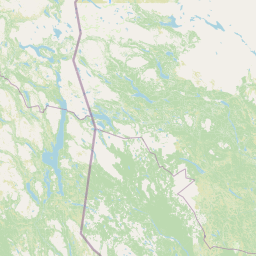
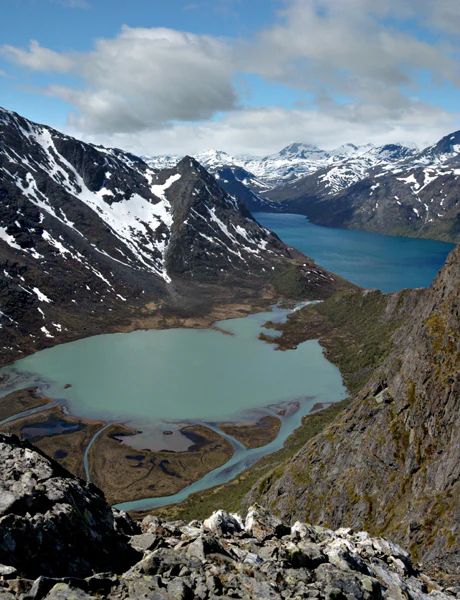
The landscape of Gutulia National Park is characterized by rolling to hilly terrain covered in mountain birch forest. The terrain represents the transition between Norway's inland lowlands and the higher mountainous regions to the north and west. The forest canopy is dominated by birch, with the park's southern location making it an important reference site for understanding how this tree species functions at the edge of its ecological range. The landscape has aremote, uncrowded quality befitting Norway's sparsely populated inland regions.
Gutulia National Park ecosystems, habitats, and plant life
The nature of Gutulia centers on its mountain birch forest ecosystem, which represents the southernmost occurrence of this forest type in Norway. Mountain birch differs from lowland birch in its ability to tolerate harsher conditions, higher elevations, and shorter growing seasons. The park's position at the southern boundary of this ecosystem type makes it particularly valuable for ecological research and conservation monitoring. The forest provides habitat for various species adapted to cold northern conditions.
Gutulia National Park wildlife and species highlights
The wildlife in Gutulia National Park is characteristic of northern birch forest environments in Norway. The mountain birch forest provides habitat for a range of bird species typical of northern Scandinavian woodland, including various passerines adapted to subarctic conditions. Smaller mammals common to Norwegian forests are also present in the park.
Gutulia National Park conservation status and protection priorities
Gutulia National Park serves an important conservation function as Norway's designated protected area for southern mountain birch forest. By protecting this ecosystem at its southern range limit, the park contributes to maintaining genetic diversity and ecological resilience within this forest type. The IUCN Category II designation reflects the park's primary purpose of preserving natural ecosystems while allowing for compatible scientific research and environmental education activities.
Top sights and standout views in Gutulia National Park
Gutulia National Park protects Norway's southernmost mountain birch forest, making it the representative protected area for this ecosystem type at its ecological boundary. The park's small size of 23 square kilometers belies its ecological significance as a reference site for understanding how subarctic forest ecosystems function at the southern edge of their distribution.
Best time to visit Gutulia National Park
The best time to visit Gutulia National Park is during the summer months of June through August when temperatures are mild and the birch forest is in full leaf, providing the characteristic subarctic forest experience. Winter visits offer the opportunity to experience the park in its dormant season, though access may be more challenging given the remote location and continental climate of eastern Norway.