Why Hetman National Nature Park stands out
Hetman National Nature Park is most distinctive for its position within the East European forest-steppe ecoregion, protecting a river valley ecosystem that bridges northern forests with southern grassland habitats. The Vorskla River corridor supports diverse wetland habitats including floodplain forests and river terraces. The park is notable for its significant fungal diversity, with several species of macromycetes including coral-like heritium and dog's mutin protected in Ukraine's Red Book. The forest communities are characterized by oak, linden, ash, aspen, willow, and pine, creating a layered landscape of ecological significance.
Hetman National Nature Park history and protected-area timeline
Hetman National Nature Park was established on April 27, 2009, through Article 53 of the Law of Ukraine On the Nature Reserve Fund of Ukraine. The park was created with the dual purpose of preserving existing natural ecosystems while enabling sustainable use and reproduction of natural resources. The legislative framework designated the area for nature conservation, scientific research, aesthetic appreciation, recreation, and health-improving activities. The park's establishment recognized that the Vorskla River valley contained typical and unique natural complexes of significant value requiring protected status. Management responsibility falls to Ukraine's Ministry of Ecology and Natural Resources, which oversees conservation programming and visitor services.
Hetman National Nature Park landscape and geographic character
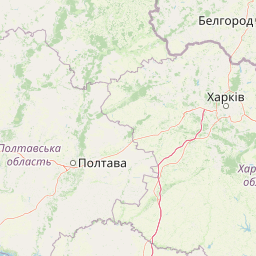
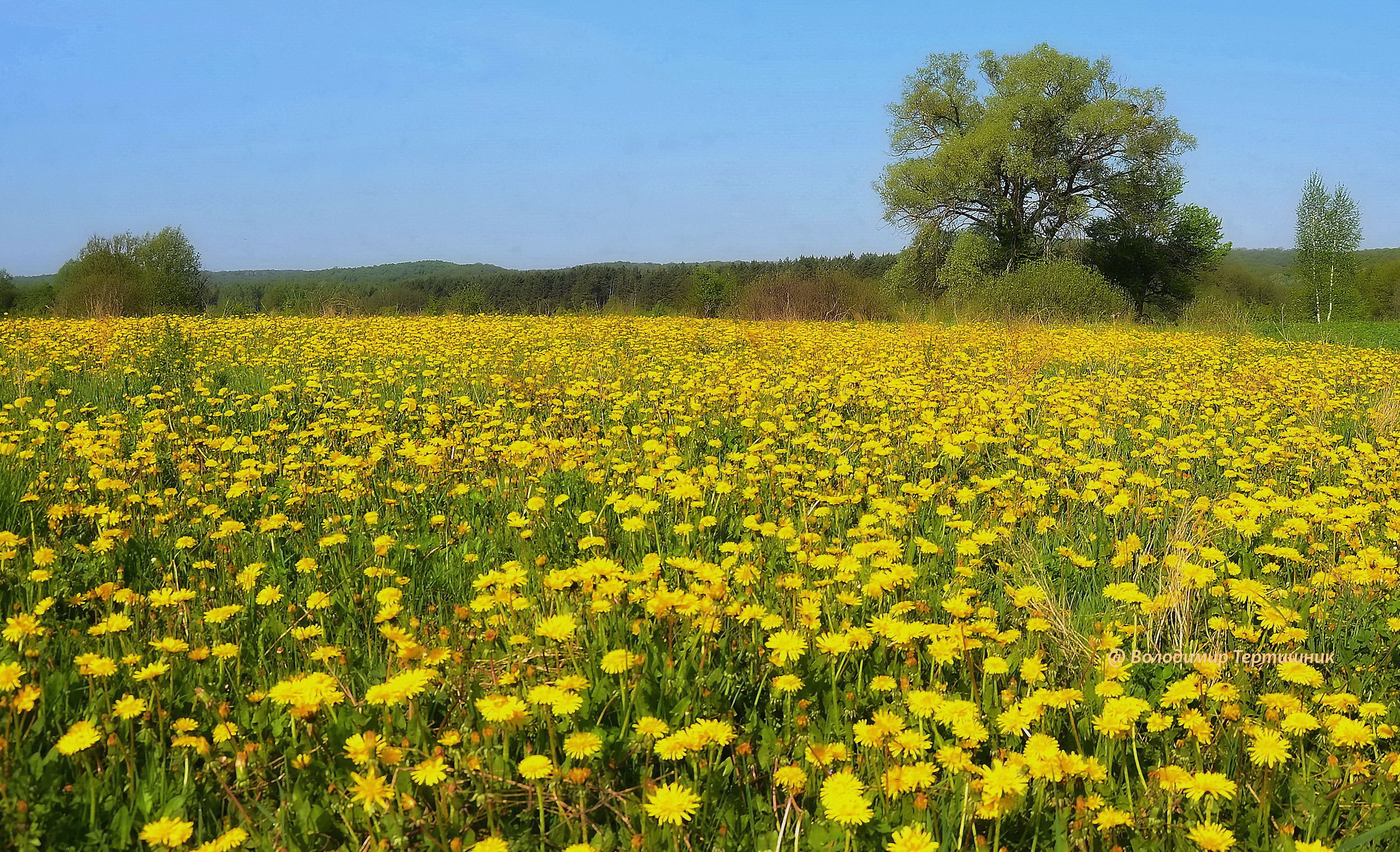
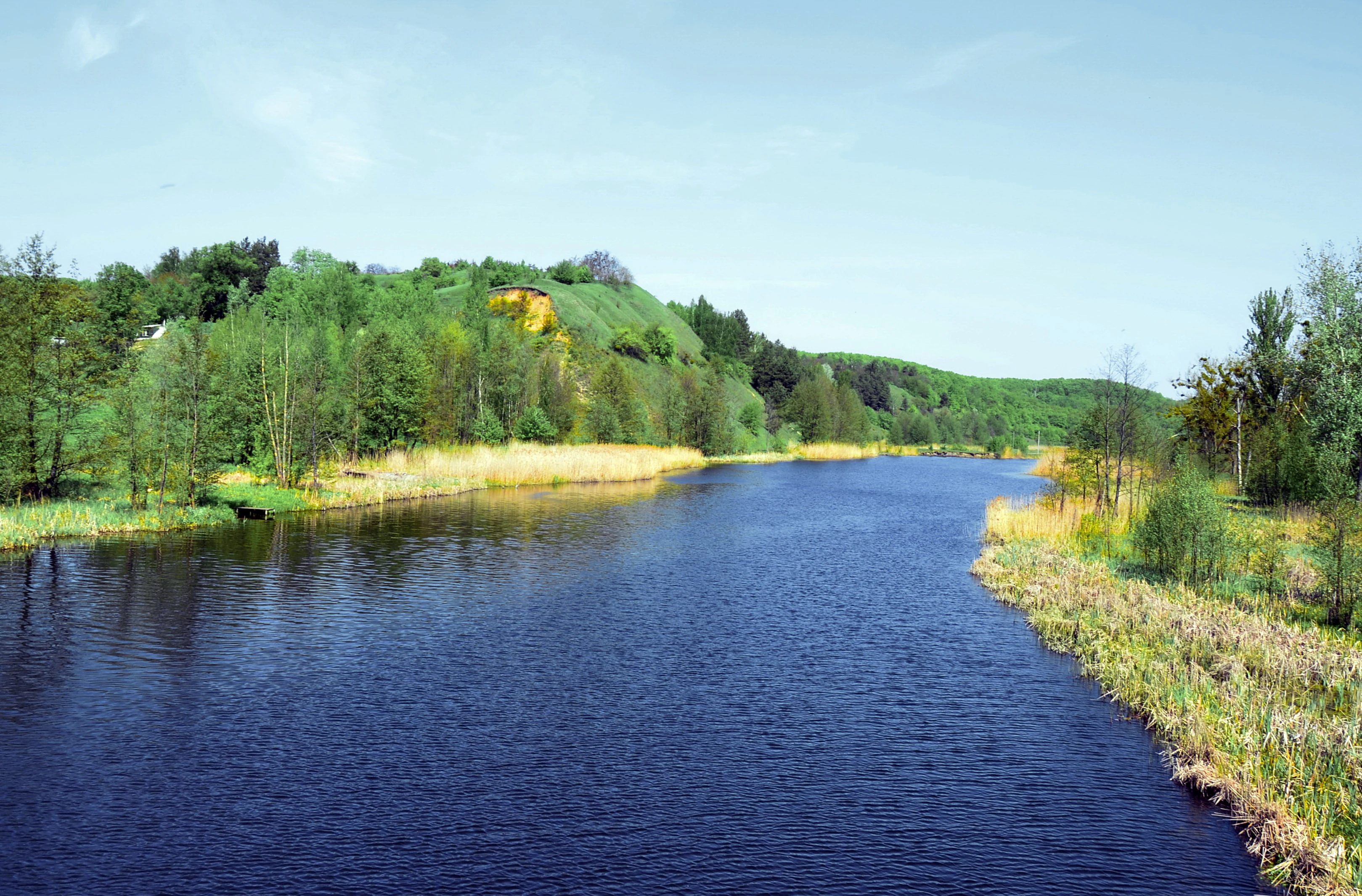
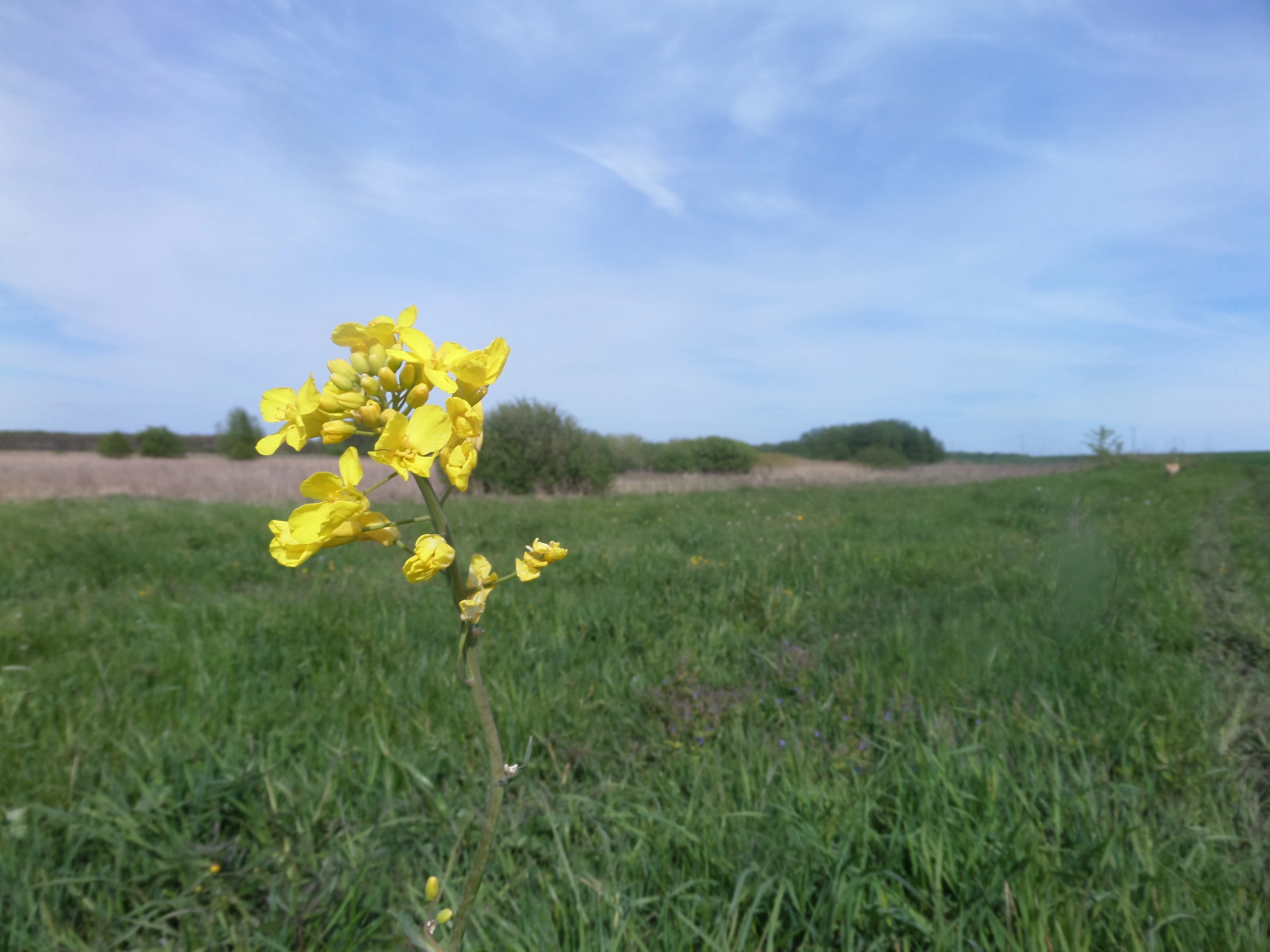
The physical landscape of Hetman National Nature Park is defined by the Vorskla River and its associated valley landforms. The terrain across the park is predominantly flat, characteristic of the broader steppe region, though interspersed with hills and ravines that add topographic variation. The river follows a roughly westward and then southward course, with the park following its entire 122-kilometer path through Sumy Oblast. The landscape includes floodplain wetlands, river terraces, and adjacent upland areas. There are occasional breaks in the linear park boundary where roads or villages interrupt the continuous river corridor. The combination of flat terrain, river features, and subtle topographic relief creates a landscape of pastoral beauty representative of northeastern Ukrainian countryside.
Hetman National Nature Park ecosystems, habitats, and plant life
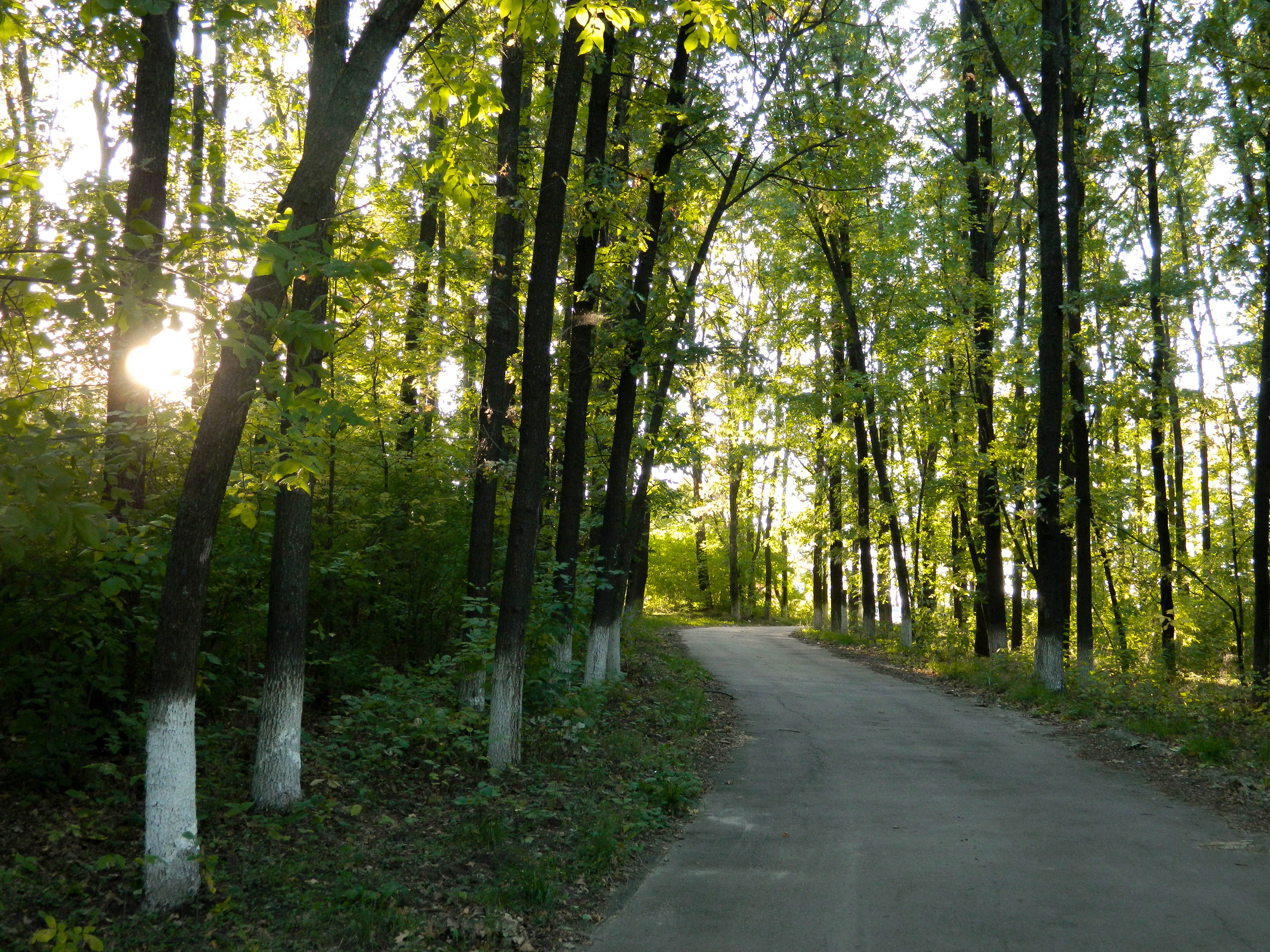
The ecological character of Hetman National Nature Park reflects its position in the East European forest-steppe ecoregion, a band of mixed forest and grassland extending from central Ukraine eastward to the Ural Mountains. The river valley supports floodplain and terrace wetland ecosystems alongside forest-steppe communities on higher ground. Forest vegetation is dominated by deciduous species including oak, linden, ash, aspen, willow, and cherry, with some pine and birch present. The diversity of tree species creates structurally complex woodlands. Notably, the park supports significant fungal communities with numerous macromycete species documented, some of which are rare and protected under Ukrainian law.
Hetman National Nature Park wildlife and species highlights
The Vorskla River corridor provides important habitat for diverse wildlife communities adapted to forest-steppe environments. While specific species lists are limited in the source material, the combination of river habitats, wetlands, and deciduous forests supports characteristic fauna of the region. The floodplain forests and adjacent steppe habitats create a mosaic that supports both woodland and open-country species. The park's educational programs highlight nature preservation, suggesting active wildlife monitoring and conservation work within the protected area.
Hetman National Nature Park conservation status and protection priorities
Hetman National Nature Park was created to fulfill multiple conservation objectives within Ukraine's protected area system. The park preserves typical and unique natural complexes of the Left Bank forest-steppe, recognizing both representative ecosystems and distinctive features requiring protection. The legal framework designated the area with nature conservation as a primary purpose, alongside scientific, aesthetic, recreational, and health-improving functions. The presence of rare fungal species listed in Ukraine's Red Book demonstrates the park's significance for conserving species of conservation concern. The protected status helps maintain ecological corridors along the Vorskla River and preserves biodiversity in a region where intensive agricultural use has altered much of the original landscape.
Top sights and standout views in Hetman National Nature Park
The park protects a significant corridor of the Vorskla River through the forest-steppe zone, preserving both ecological and landscape values. Visitors can explore hiking trails and guided ecological excursion routes, while kayaking provides a different perspective on the river environment. The park's fungal diversity represents a particularly distinctive conservation feature, with protected species rare within Ukraine. Educational programs for school groups and public awareness campaigns extend the park's conservation mission beyond its boundaries.
Best time to visit Hetman National Nature Park
The park can be visited throughout the year, though each season offers distinct experiences. Summer brings warm conditions ideal for hiking, kayaking, and observing the full vascular plant and fungal diversity of the river corridor. Autumn offers excellent mushroom-viewing opportunities when fungally active periods occur. Winter provides a different character across the snow-covered landscape, though cold temperatures and snow may limit access to some trails. The humid continental climate means spring and autumn are transitional periods with changing conditions that may appeal to visitors interested in seasonal ecological dynamics.