
Why Hohe Tauern National Park stands out
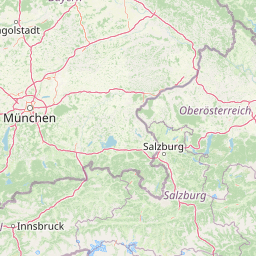
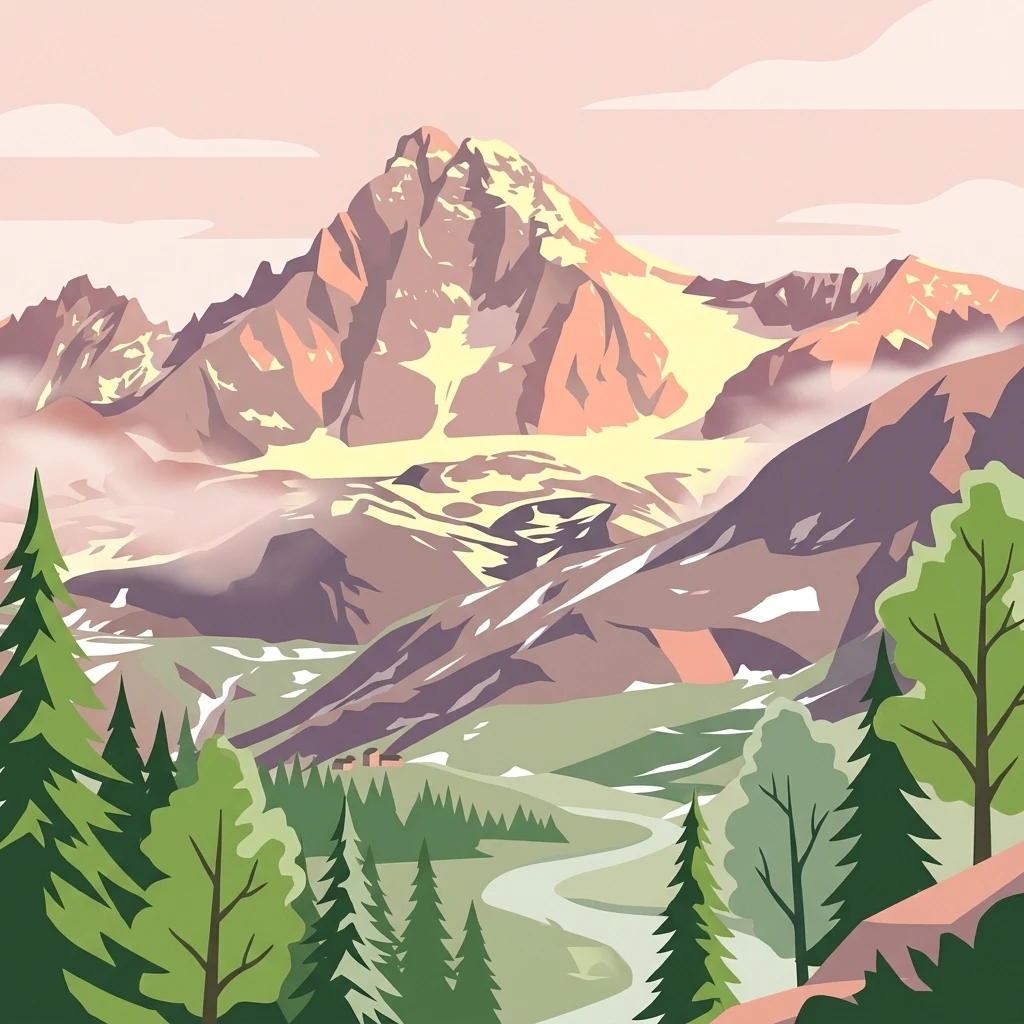
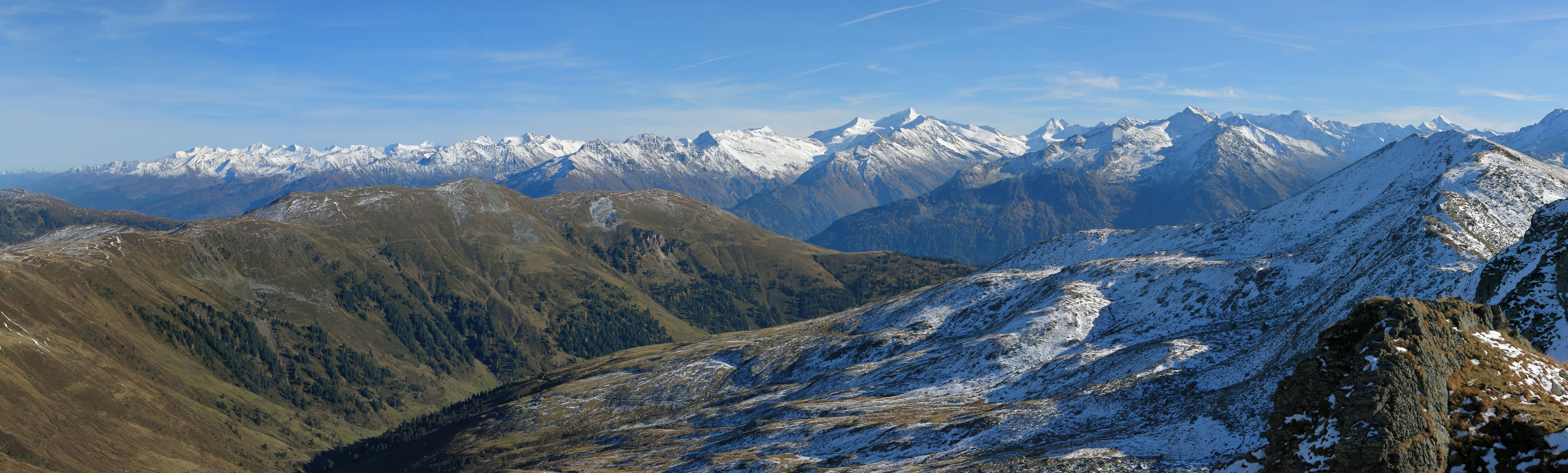
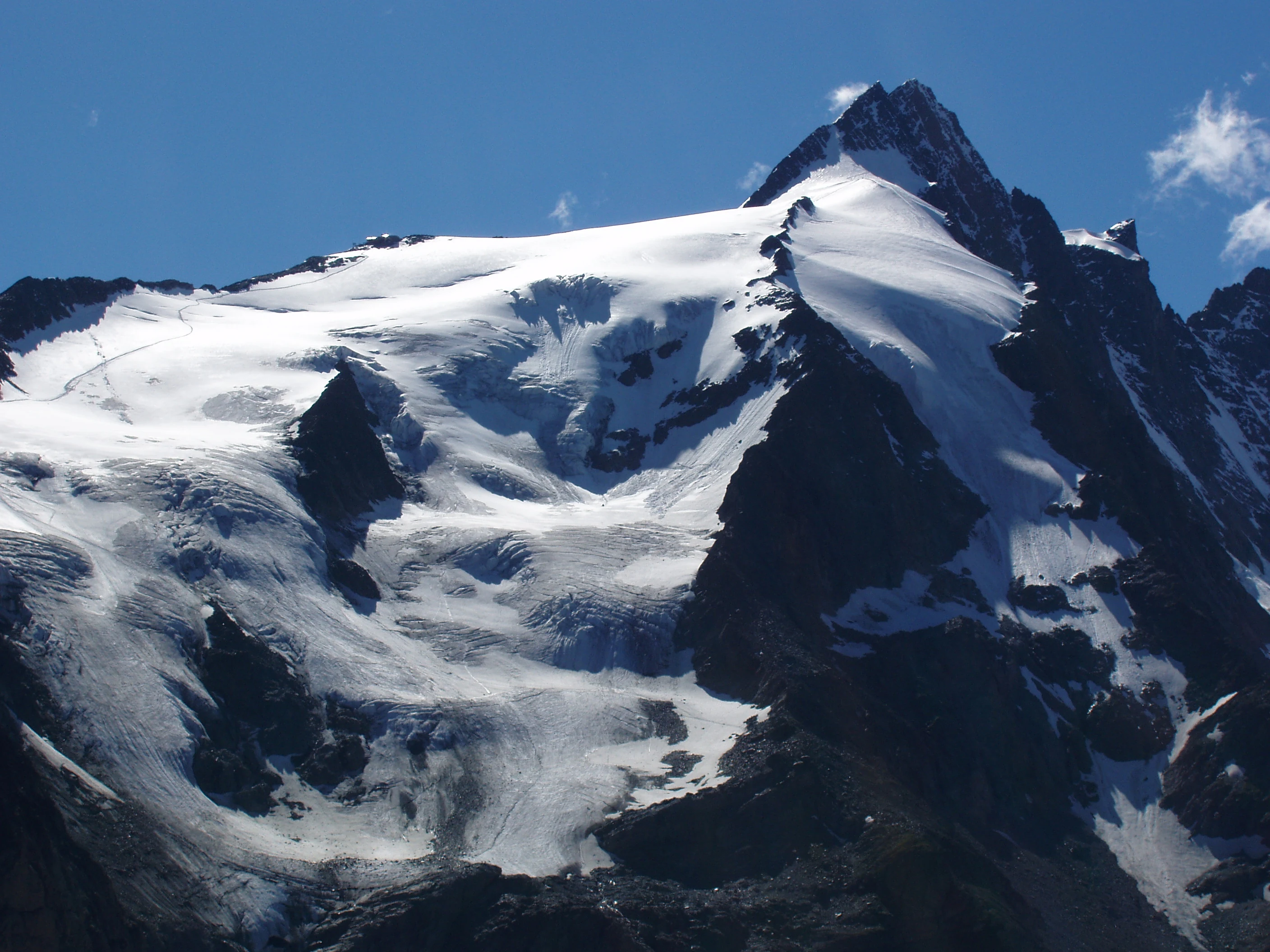
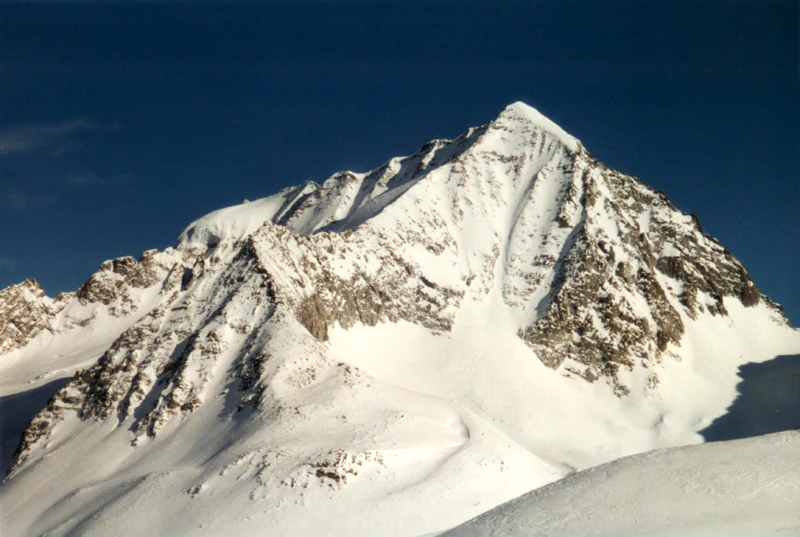
Hohe Tauern is best known for its dramatic alpine scenery, which includes the highest peaks in Austria such as Grossglockner (3,798m) and the Grossvenediger (3,666m). The park protects one of the most extensive glacier systems in the Eastern Alps, with dozens of glaciers descending from the high peaks into the valley basins. The area is renowned for its ecological diversity across dramatic elevation gradients, supporting everything from lush valley forests to sparse alpine tundra. The park also encompasses the Hohe Tauern National Park core zone, which represents strictly protected wilderness where natural processes are allowed to proceed without significant human interference.
Hohe Tauern National Park history and protected-area timeline
The creation of Hohe Tauern National Park emerged from a long tradition of landscape protection in the Austrian Alps. Early conservation efforts in the region included the designation of smaller protected areas and the recognition of outstanding natural beauty in the high mountain zones. advocacy for a comprehensive national park intensified during the latter decades of the twentieth century as concerns grew about the impacts of increasing development pressure on alpine ecosystems. The formal establishment in 1981 represented a compromise between conservation ambitions and the economic interests of communities traditionally dependent on the mountain environment. The park's creation built upon earlier regional protection initiatives and benefited from growing public awareness of the ecological importance of high Alpine ecosystems. Management of the park has evolved over time, with increasingly sophisticated approaches to balancing visitor access with conservation objectives and refining the zoning system to better protect the most sensitive areas.
Hohe Tauern National Park landscape and geographic character
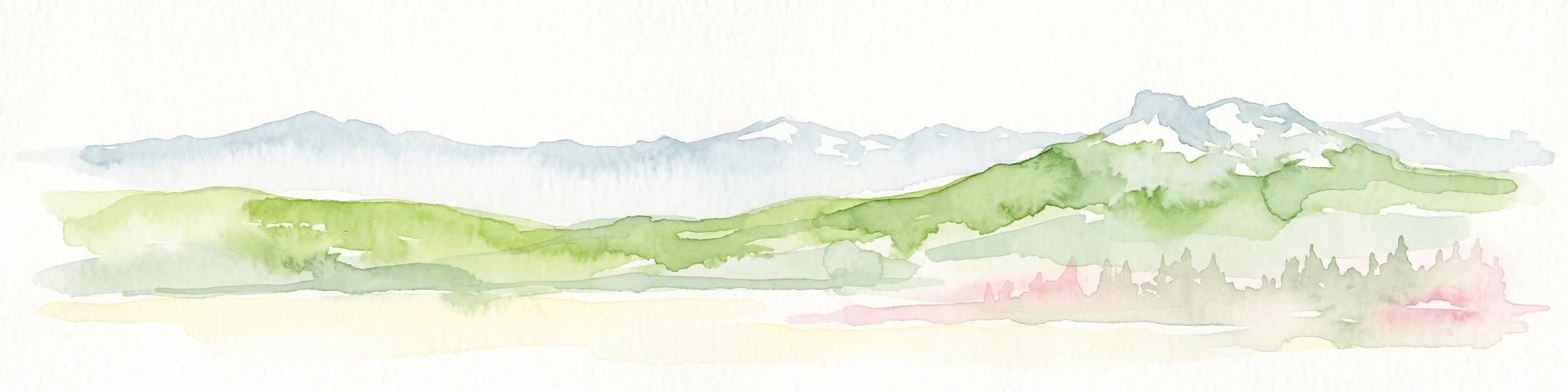
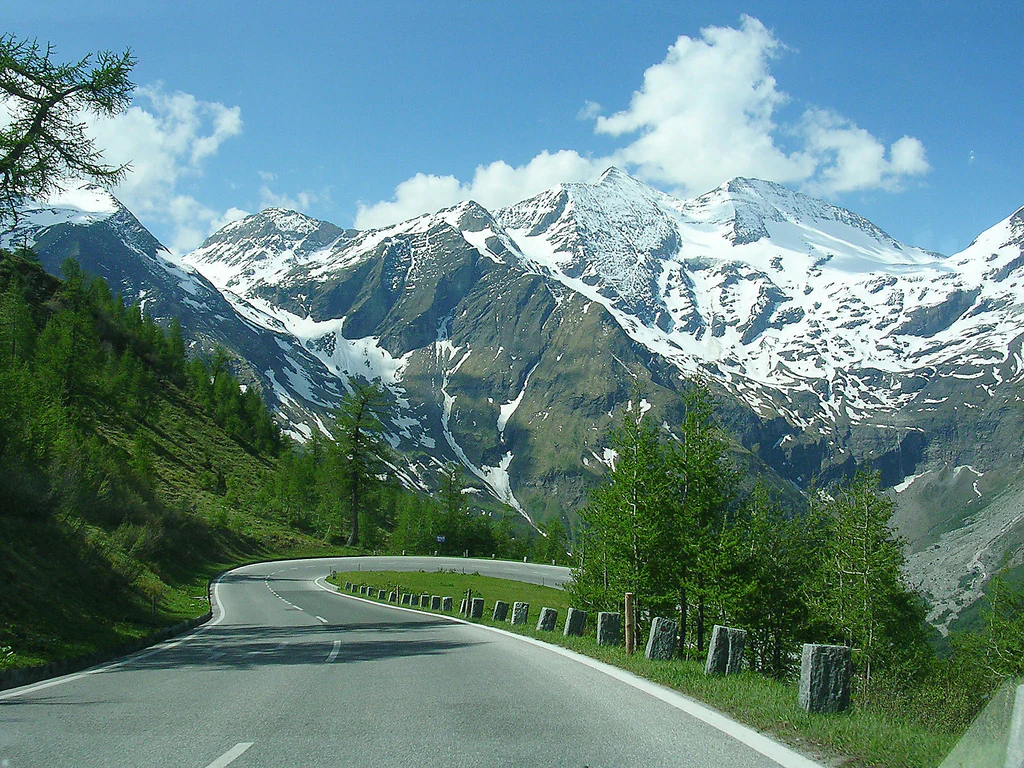
The landscape of Hohe Tauern National Park is defined by the dramatic geology and geomorphology of the Central Eastern Alps. The terrain is characterized by towering mountain massifs, sharp crests, and deep valleys carved by ancient glaciers. The park encompasses several of Austria's highest peaks, with the Grossglockner group forming a particularly impressive concentration of alpine summits. Glacial valleys radiate from the high peaks, creating a radial drainage pattern that has shaped both the physical geography and human settlement patterns of the region. The park's glacier systems, while diminished from their post-glacial maximum extent, remain significant and include some of the largest glaciers in the Eastern Alps. Rock faces, scree slopes, and alpine meadows create a diverse visual landscape that changes dramatically with elevation and exposure. The transition from forested valley floors through subalpine zones to the bare rock and permanent snow of the high alpine environment represents one of the most distinctive landscape sequences in the European Alps.
Hohe Tauern National Park ecosystems, habitats, and plant life
The ecological systems within Hohe Tauern reflect the diverse environmental conditions created by the park's substantial elevation range and varied topography. The park encompasses a complete altitudinal sequence from montane forests through subalpine and alpine zones to the nival zone above the permanent snow line. Vegetation patterns respond to the strong gradients in temperature, precipitation, and exposure, creating distinct ecological communities at different elevations. The subalpine zone features extensive coniferous forests dominated by Norway spruce and Swiss stone pine, while the alpine zone supports species-rich meadows and heath communities adapted to the short growing season. The high alpine and nival zones are characterized by sparse vegetation adapted to extreme conditions, including cushion plants and specialized rock-dwelling species. The park protects habitats that are increasingly rare in the wider Alpine region, particularly old-growth forest communities and unmodified glacial foreland environments.
Hohe Tauern National Park wildlife and species highlights
Hohe Tauern provides habitat for a rich alpine fauna, though the harsh environmental conditions at high elevation limit species diversity compared to lower-lying areas. The park supports populations of chamois and Alpine ibex, iconic mountain ungulates that are well adapted to the rocky terrain and steep slopes. Predators including the Golden Eagle and Alpine peregrine falcon hunt across the alpine meadows and cliffs, while smaller mammals such as the Alpine marmot are common in appropriate habitats. The bird community includes species associated with high-altitude environments, with Alpine choughs and Alpine accentors among the characteristic species of the park's open terrain. The严格的保护 status of the core zones provides refuge for species that are sensitive to human disturbance, contributing to the conservation of viable populations of several species of conservation concern.
Hohe Tauern National Park conservation status and protection priorities
Hohe Tauern National Park represents one of the most important conservation designations in the Austrian Alps, protecting ecosystems that have been significantly altered by human activity in surrounding areas. The park's core protection zones preserve largely unmodified alpine environments where natural processes including succession, disturbance dynamics, and predator-prey relationships can function without significant human interference. These areas serve as reference ecosystems that inform understanding of how Alpine environments function in the absence of intensive management. The park contributes to the conservation of species that require large, contiguous habitat areas and minimal human disturbance, particularly large predators and their prey. Glacier protection within the park is particularly significant given the widespread retreat of Alpine glaciers, as the park's glaciers receive strict protection and are monitored for changes that provide insight into broader climate change impacts.
Hohe Tauern National Park cultural meaning and human context
The Hohe Tauern region has been shaped by centuries of human activity, with Alpine communities developing distinctive cultural practices adapted to the challenging mountain environment. Traditional pastoral activities including Alpine transhumance have influenced the landscape, creating the open meadows and pasturelands that characterize the subalpine zone. Settlements within and adjacent to the park reflect historic patterns of resource use and reflect the adaptation of architectural traditions to local conditions and materials. The relationship between local communities and the mountain environment remains significant, with many residents maintaining connections to traditional land uses that coexist with the conservation objectives of the park. Management approaches recognize these cultural connections and seek to maintain sustainable traditional practices that are compatible with conservation goals.
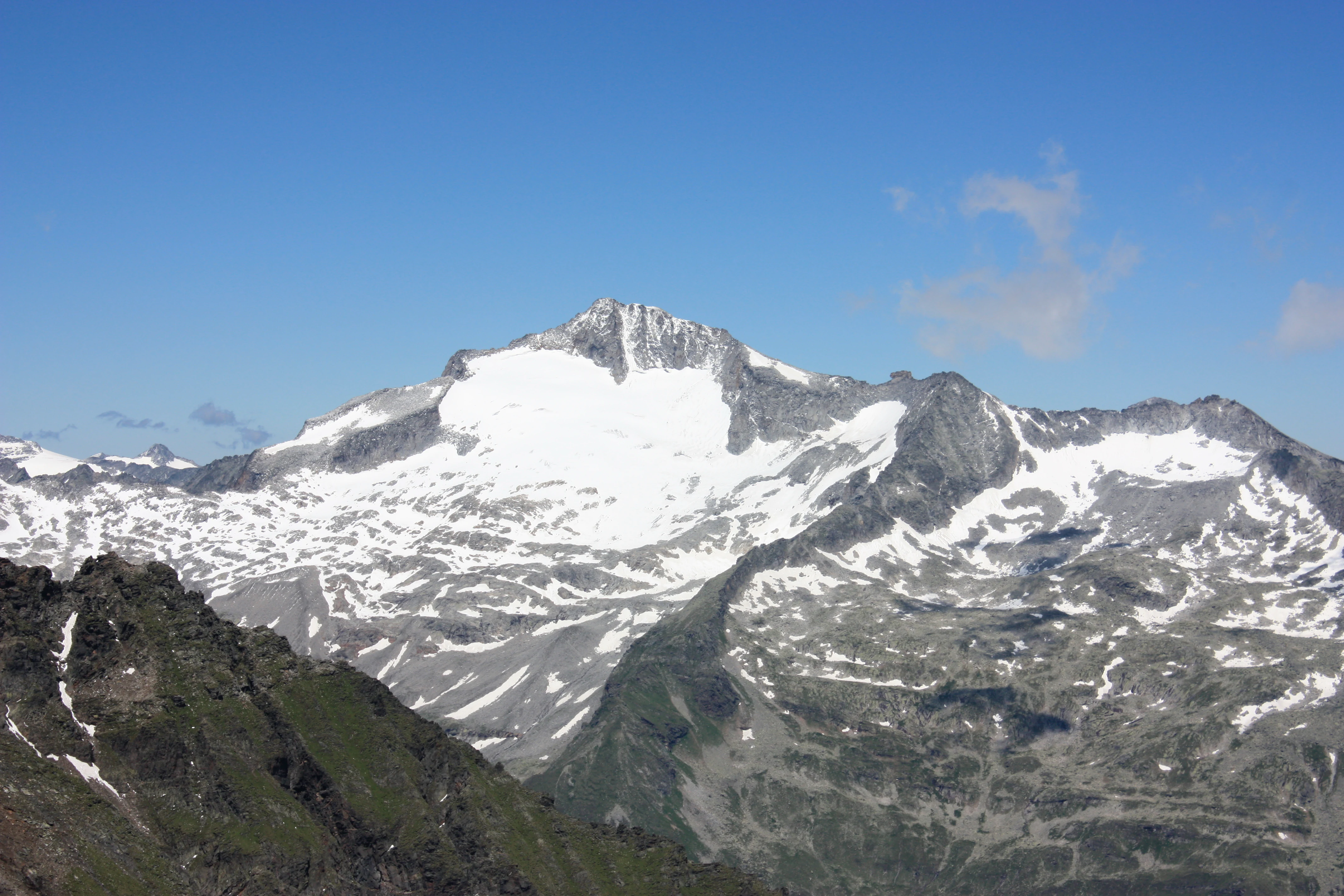
Top sights and standout views in Hohe Tauern National Park
The park's highest peaks and glacial landscapes represent its most spectacular natural features, with the Grossglockner region offering exceptional alpine scenery. The extensive glacier systems provide insight into Alpine glaciology and represent significant components of the park's ecological character. The elevation gradient from valley forests to bare peaks creates a remarkable diversity of landscapes within a relatively compact area. The strict protection of core zones ensures that substantial areas of the park retain wilderness character with minimal human infrastructure or disturbance.
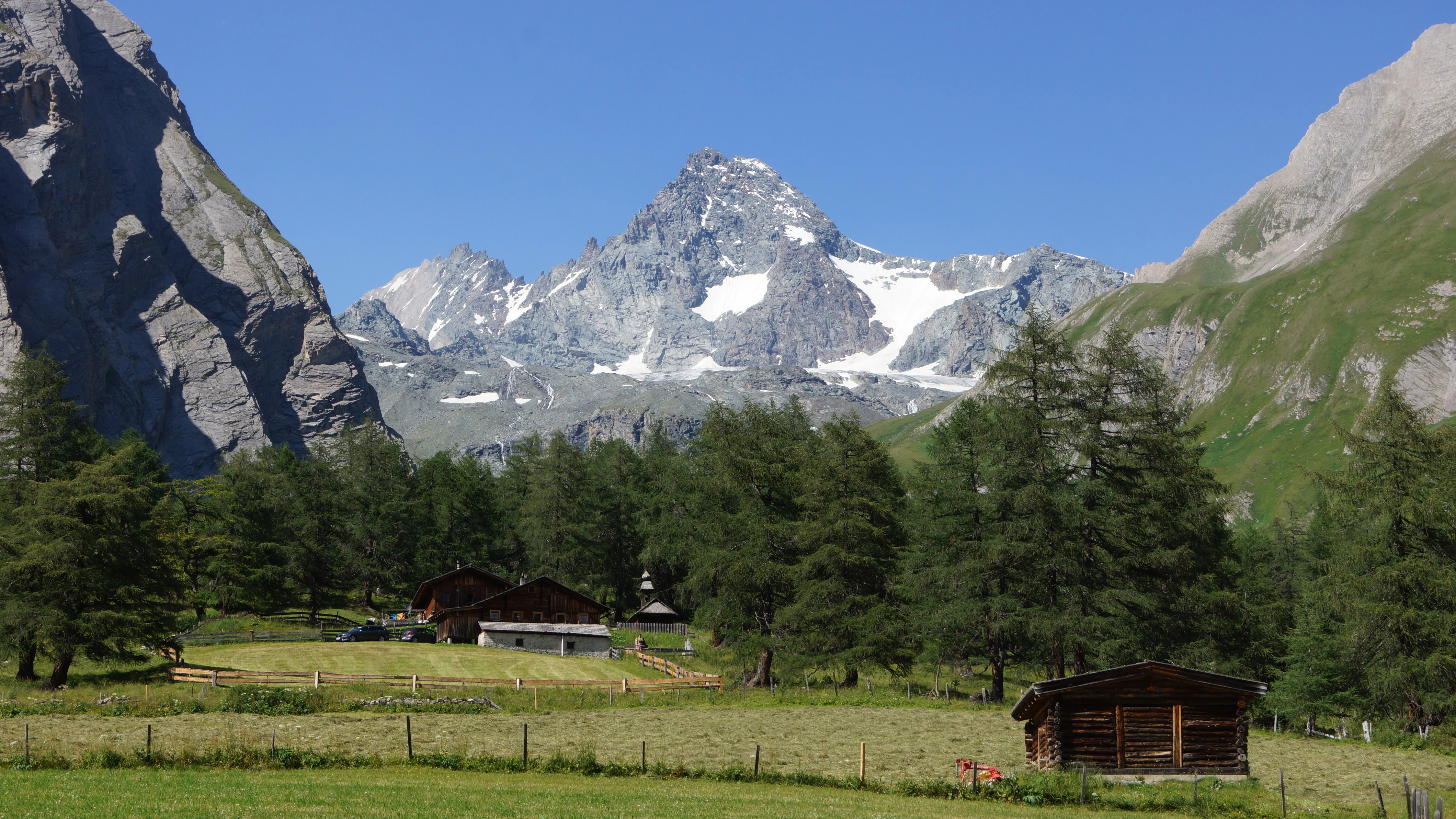
Best time to visit Hohe Tauern National Park
The summer months from June through September offer the most accessible conditions for exploring the park, with snow-free trails in the lower elevations and comfortable temperatures in the valleys. Winter access is more limited due to heavy snowfall and avalanche risk, though the park's winter landscape offers a very different but equally compelling character for experienced winter mountaineers. The shoulder seasons of late spring and early autumn provide different experiences, with fewer visitors and the opportunity to observe seasonal transitions in the alpine environment. Conditions vary significantly with elevation, and visitors should be prepared for rapid weather changes typical of alpine environments.