
Why Kenozero National Park stands out
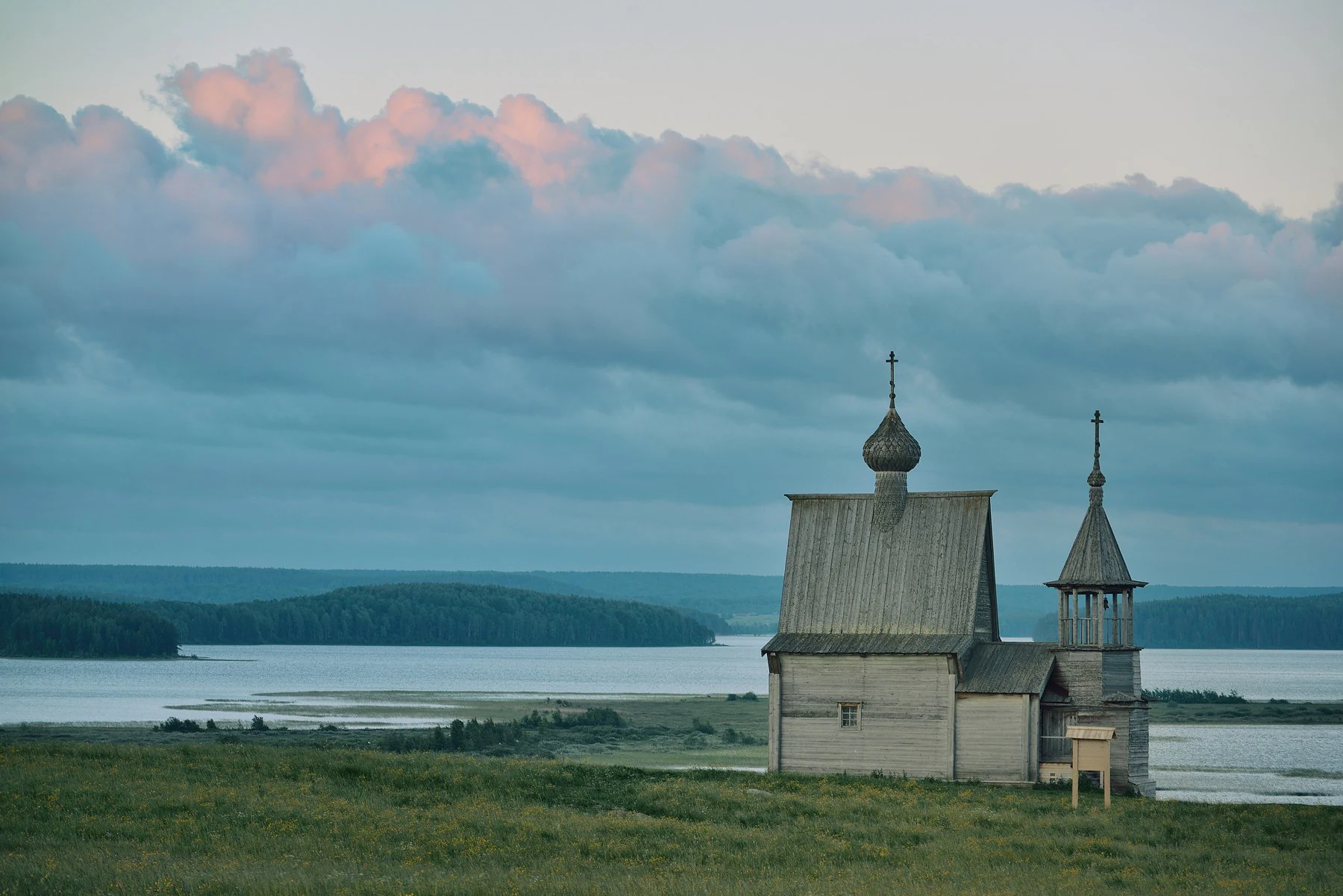
Kenozero National Park is best known for its exceptional combination of natural landscapes and cultural heritage. The park protects one of the few remaining areas in northern Russia where traditional wooden church architecture survives in a relatively untouched setting, with several 17th and 18th century churches and chapels dotted throughout the landscape. The area is famed for its distinctive kame landscape, rolling hills and ridges formed by glacial deposits, that create a visually striking backdrop of forests and lakes. The park also serves as a refuge for northern taiga wildlife and provides important habitat for rare bird species, particularly birds of prey that nest in the old-growth forest areas surrounding the lakes.
Kenozero National Park history and protected-area timeline
The history of human settlement in the Kenozero region dates back several centuries, with the area becoming known for its distinctive tradition of wooden church construction beginning in the 17th century. The villages that developed around Lake Kenozero and along the rivers flowing into it became centers of a unique cultural tradition, with local carpenters constructing elaborate wooden churches that became landmarks across the northern Russian landscape. Several of these churches, including notable examples at Pochozyevo and Konevo, have survived to the present day and represent masterpieces of traditional Russian wooden architecture. The Soviet period brought significant changes to the region, with collectivization and industrial forestry operations affecting traditional land use patterns, though the remote location of the area prevented complete transformation of the landscape. Kenozero National Park was established in 1991 during a period of renewed interest in environmental protection and cultural heritage preservation in post-Soviet Russia. The park's creation recognized both the ecological importance of the northern taiga ecosystems and the need to protect the surviving cultural landmarks of traditional wooden architecture that remained in the area.
Kenozero National Park landscape and geographic character
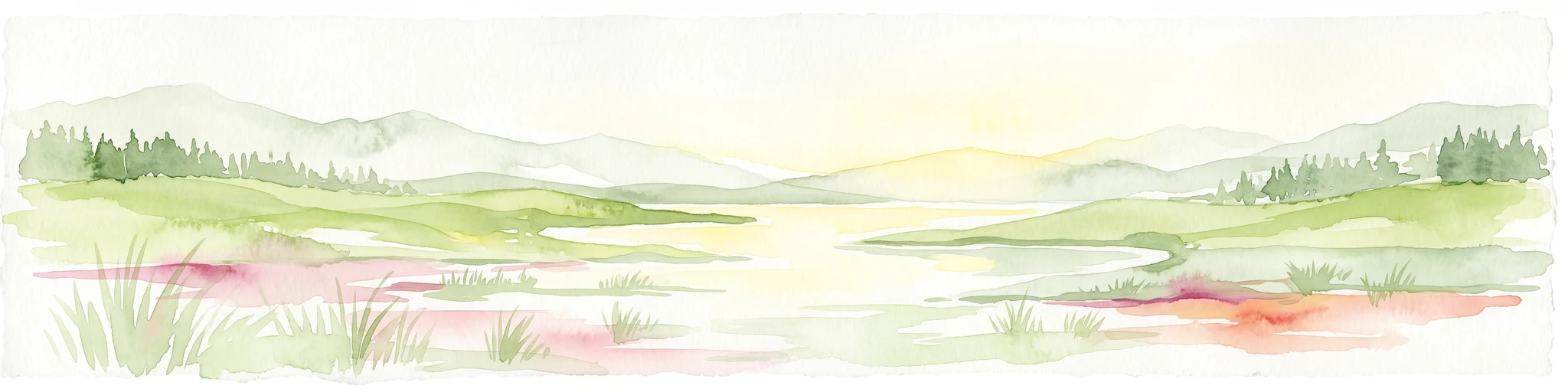
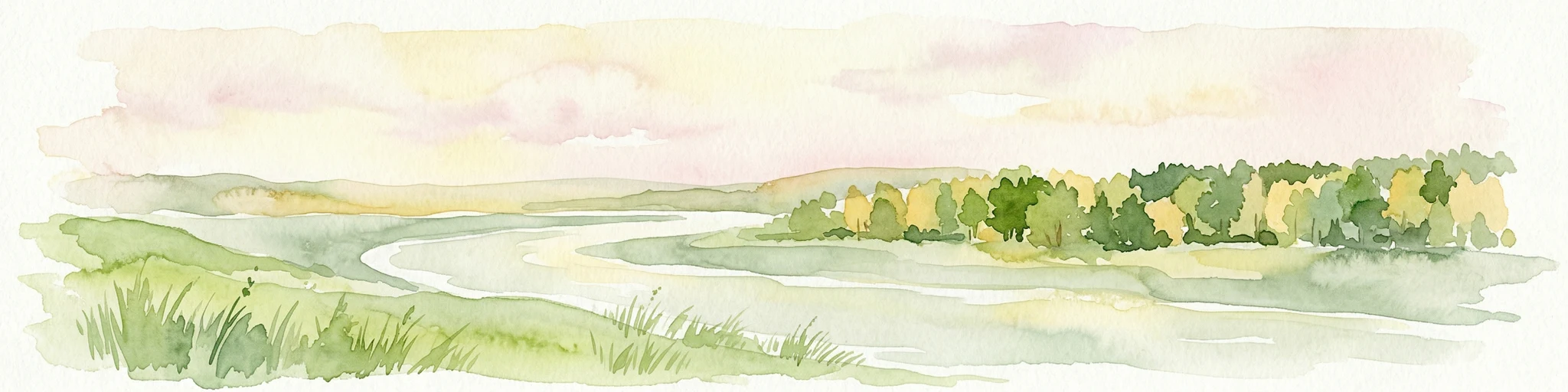
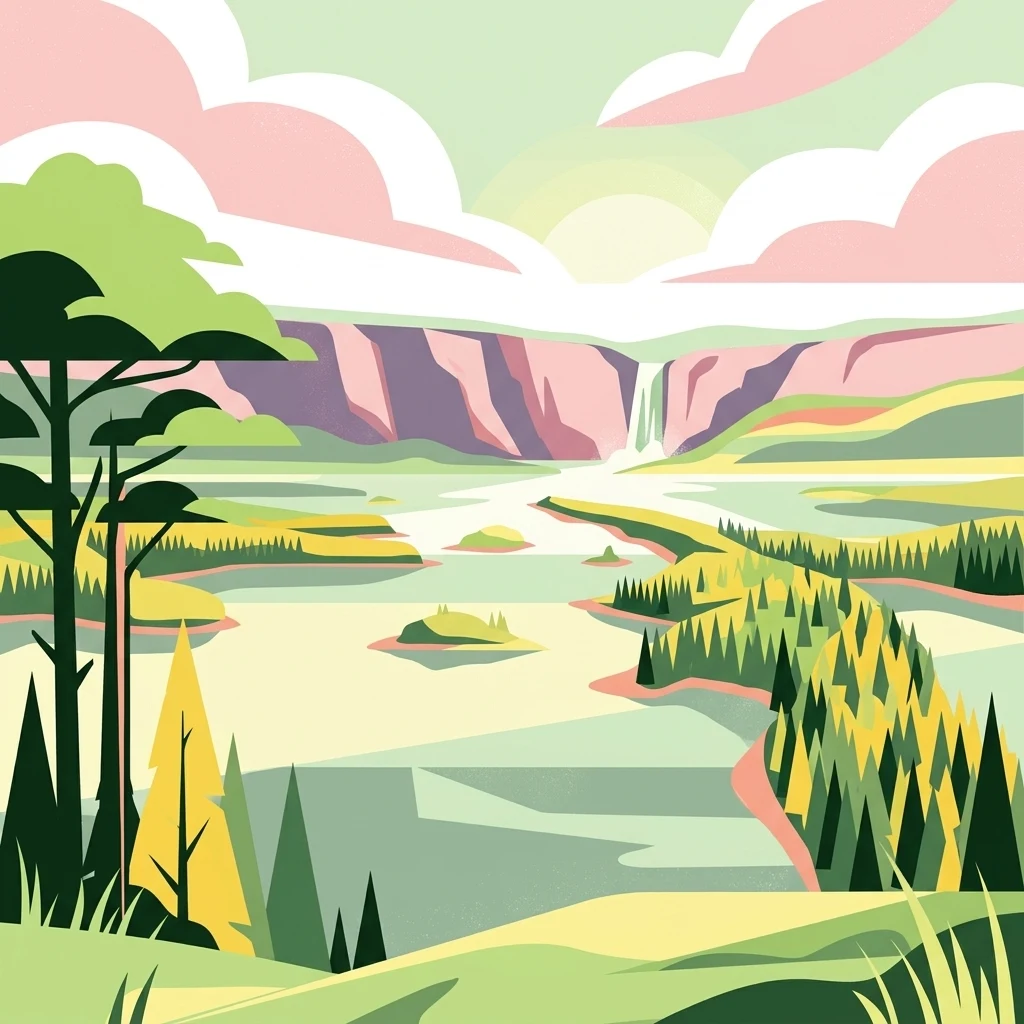
The landscape of Kenozero National Park is defined by the interplay of glacial topography, water systems, and forest cover that creates a characteristically northern Russian scenery. The terrain is dominated by gently rolling hills and ridges formed by glacial moraines and outwash deposits, with elevation differences generally modest but creating an intricately varied topography. The park's name derives from Lake Kenozero, a large lake with a complex shape featuring multiple arms and islands that reflects the underlying glacial geology. Smaller lakes dot the landscape throughout the park, often nestled in depressions between the glacial ridges and connected by small rivers and streams that create a integrated hydrological network. The forest cover is typical of the northern taiga, with mature spruce forests in the valleys and moisture-retaining areas, while pine dominates the drier ridges and sandy soils. Open areas include both natural peat bogs and former agricultural lands that have been left to revert to forest or remain as open meadows.
Kenozero National Park ecosystems, habitats, and plant life
The nature of Kenozero National Park represents the southern edge of the northern taiga biome, creating a transitional environment where boreal forest ecosystems reach their southern limit in this part of Russia. The forest composition is dominated by coniferous species, with Norway spruce forming the primary tree species in the more moist and fertile locations, while Scots pine dominates the drier sites and peat bogs. Deciduous species, particularly birch and aspen, occur as secondary forest types and in areas affected by disturbance or historical human activity. The park's numerous lakes and wetlands create habitat diversity that supports a variety of plant communities, from submerged aquatic vegetation in the lakes to sphagnum mosses and cottongrass in the peat bogs. The mosaic of forest types, water bodies, and open wetlands creates a heterogeneous landscape that supports considerable biodiversity despite the northern location. The region is recognized as an Important Bird Area, with the old-growth forest areas providing crucial habitat for raptors and other bird species associated with minimally disturbed boreal ecosystems.
Kenozero National Park wildlife and species highlights
The wildlife of Kenozero National Park reflects the character of northern taiga ecosystems, with species assemblages typical of the boreal forest zone of European Russia. The forest habitats support populations of large mammals including moose, which is the most common ungulate in the region, along with smaller species such as squirrels, hares, and various mustelids including stoat and least weasel. Predators present in the park include wolves, which maintain populations in the area, along with red fox and the smaller北方匐. The bird fauna is particularly noteworthy, with the park providing important nesting habitat for birds of prey including the white-tailed eagle and lesser spotted eagle, both species of conservation concern in the region. The lakes and wetlands support diverse waterfowl communities, with species such as common goldeneye, tufted duck, and various grebes breeding in the marshy shores and island habitats. Fish populations in the lakes include species typical of northern Russian waters, with pike, perch, and various cyprinids supporting both ecological functions and traditional fishing by local communities.
Kenozero National Park conservation status and protection priorities
Kenozero National Park serves multiple conservation functions, protecting both the natural ecosystems of the northern taiga and the cultural landscape heritage that distinguishes this area from other Russian protected areas. The park's creation recognized that the region's value lies not only in its biological resources but in the integration of natural and cultural elements that together create a landscape of exceptional significance. The protection of old-growth forest areas within the park boundaries preserves habitat for species dependent on mature forest conditions, particularly the raptors that use the large trees for nesting. The lake ecosystems and wetland complexes are protected from development pressures that have affected similar waters elsewhere in the region, maintaining water quality and the ecological integrity of these interconnected systems. The management approach of the park explicitly acknowledges the traditional use of natural resources by local communities as compatible with conservation objectives, recognizing that centuries of sustainable use have shaped rather than degraded the landscape.
Kenozero National Park cultural meaning and human context
The cultural context of Kenozero National Park is defined by the survival of traditional Russian wooden architecture in a relatively untouched rural landscape, creating a cultural-ecological system that is increasingly rare in modern Russia. The villages and settlements within the park boundaries preserve patterns of land use and settlement that developed over centuries, with wooden houses, barns, and churches forming a built environment that blends with the surrounding forest and lake landscape. The wooden churches of the Kenozero region represent a distinctive architectural tradition, with designs adapted to local materials and building techniques that produced structures of remarkable elegance and durability. These churches, many dating to the 17th and 18th centuries, serve as both religious buildings and cultural symbols that connect the present landscape to centuries of human presence in the region. The cultural landscape is maintained through traditional activities including fishing, haymaking, and seasonal livestock grazing that have shaped the open areas and maintained the visual character of the region.
Top sights and standout views in Kenozero National Park
The outstanding highlights of Kenozero National Park include the ensemble of historic wooden churches that remain standing in villages throughout the park, the scenic landscape of forested hills surrounding Lake Kenozero with its complex island-studded shoreline, and the opportunity to experience a living traditional culture within a protected wilderness setting. The park offers visitors the chance to see some of the finest examples of northern Russian wooden church architecture, including the famous Pokrovsky church at Konevo with its distinctive multiple-tiered roof design. The natural landscape provides exceptional opportunities for wilderness recreation in a region where the combination of lakes, forests, and rolling terrain creates endlessly varied scenery. The park also serves as a window onto traditional Russian rural life, with local communities continuing practices of fishing, berry gathering, and seasonal land use that have defined the region for generations.
Best time to visit Kenozero National Park
The best time to visit Kenozero National Park is during the summer months from June through August, when the long northern days provide extended opportunities for outdoor exploration and the landscape is at its most accessible. Summer brings warm temperatures and the full development of the boreal forest, with wildflowers blooming in the open areas and the lakes and rivers fully accessible for boating and fishing. The autumn season from September through October offers a different experience, with the boreal forest displaying the characteristic colors of the taiga as birch and aspen turn golden before the long winter. Autumn can be an excellent time for wildlife viewing as animals become more active in preparation for winter. Winter visits are possible but require appropriate preparation for the harsh northern Russian climate, with snow covering the landscape and frozen lakes providing alternative access routes. The shoulder seasons of late spring and early autumn often provide the best combination of comfortable conditions and fewer visitors.