Why Kremenets Mountains National Nature Park stands out
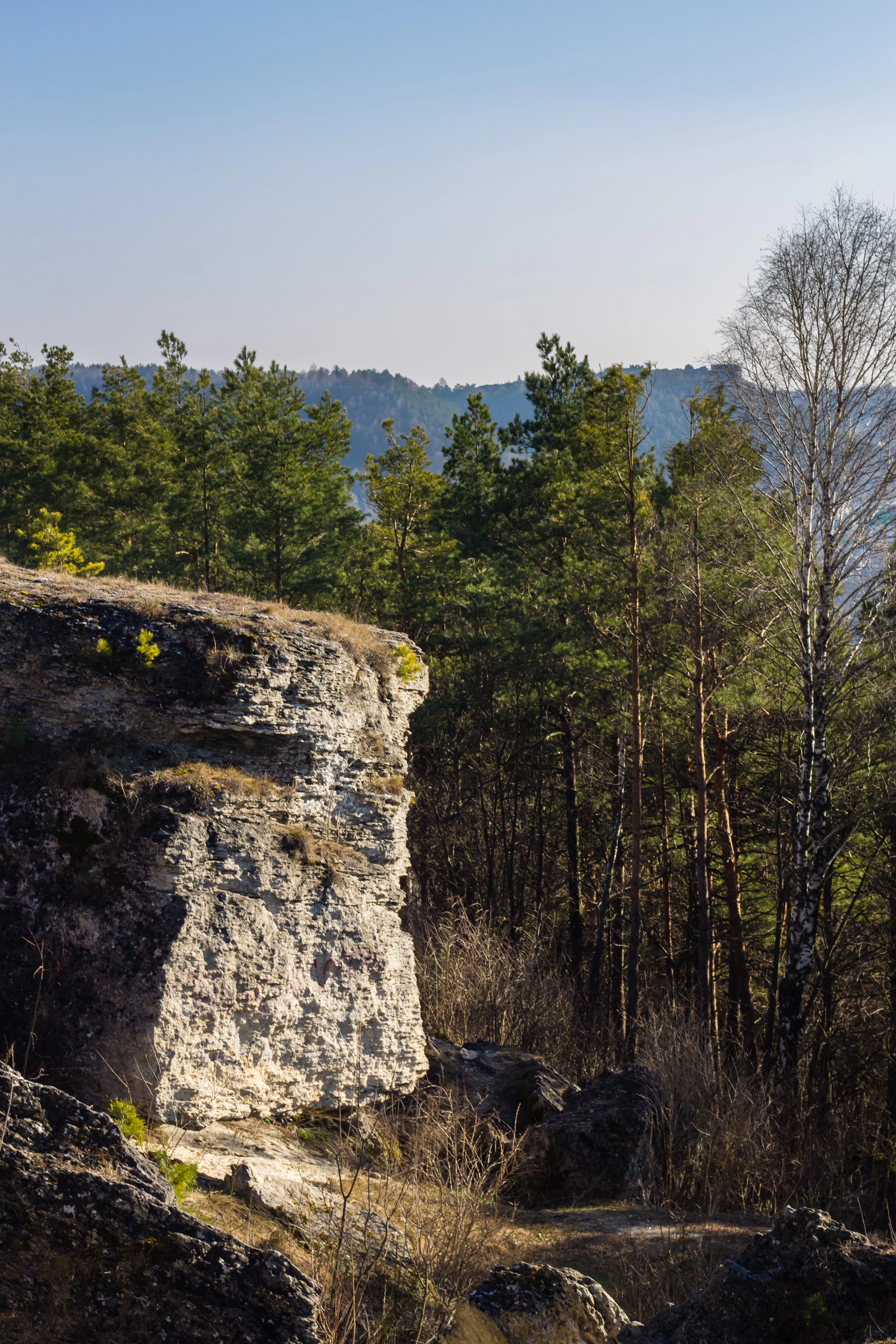
The park is best known for its Klokov birch, a critically endangered tree species that occurs nowhere else in the world except on two mountain peaks within the Kremenets Mountains. The distinctive chalk and limestone ridge landscape features dramatic rocky outcrops, including the famous Słowacki's Rock, a group of limestone pillars that was a favorite visiting spot of the Polish poet Juliusz Słowacki. The area preserves significant old-growth oak-hornbeam-ash forests and serves as a refuge for 16 endemic plant species, making it a center of botanical significance in Ukraine. The park also contains cultural landmarks such as Danylova Mountain, where the Holy Trinity Church of the 12th century still stands.
Kremenets Mountains National Nature Park history and protected-area timeline
The Kremenets Mountains have been a culturally significant landscape for centuries, with the area containing ancient archaeological sites, historic fortresses, and religious monuments. The park was officially established in 1999 as a national park under the governance of Ukraine's Ministry of Ecology and Natural Resources. Its creation followed the Ukrainian tradition of combining multiple smaller protected areas, both natural and cultural, within a single national park structure. The subsidiary units retain their original legal designations while being incorporated into the larger protected area. Historical sites within the park include the ruins of Kremenets Castle, ancient burial sites including Cossack and Jewish cemeteries, and the medieval Holy Trinity Church on Danylova Mountain.
Kremenets Mountains National Nature Park landscape and geographic character
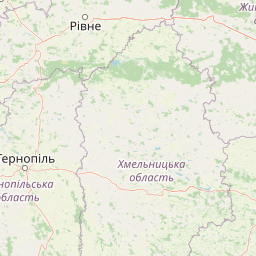
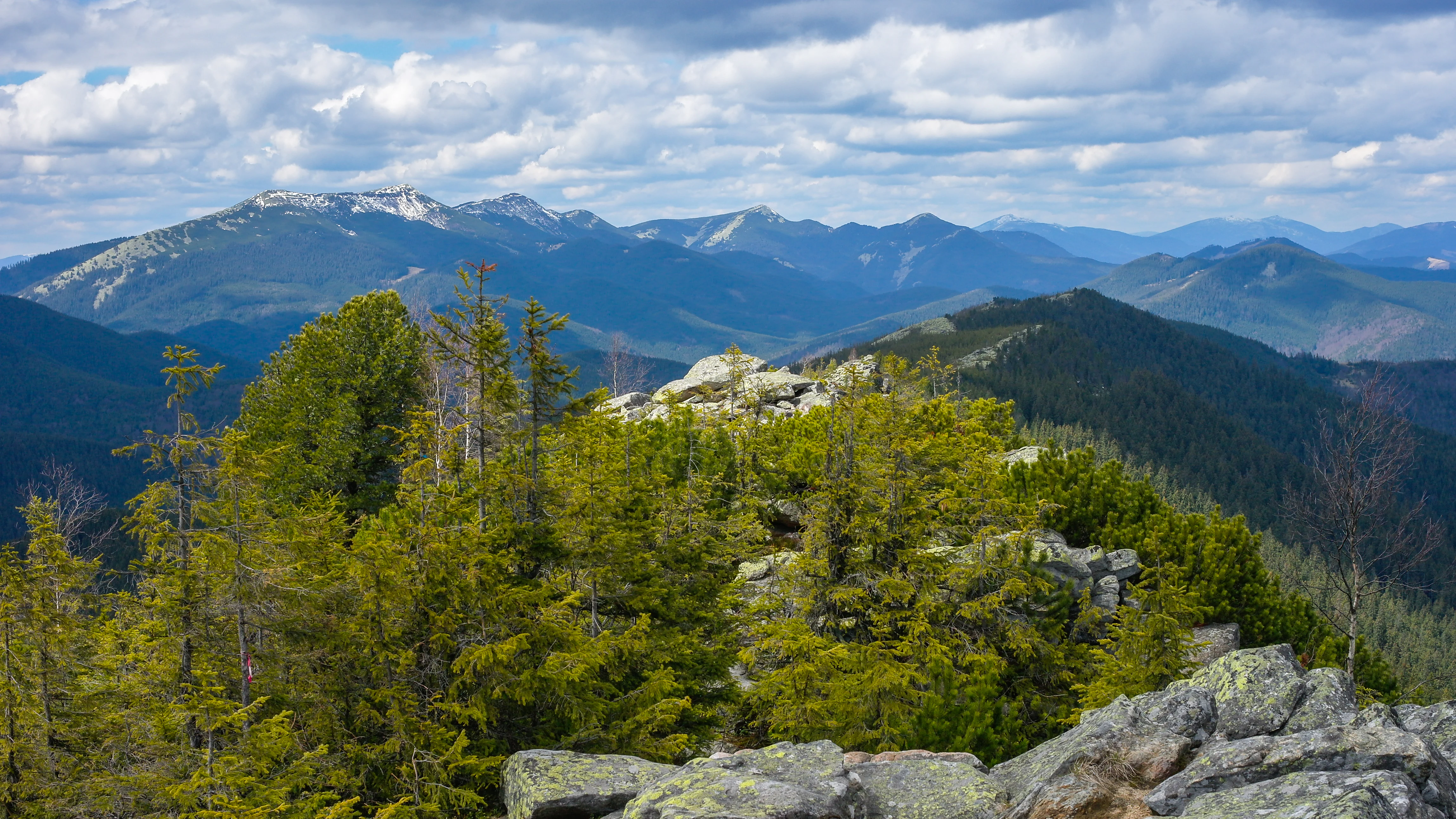
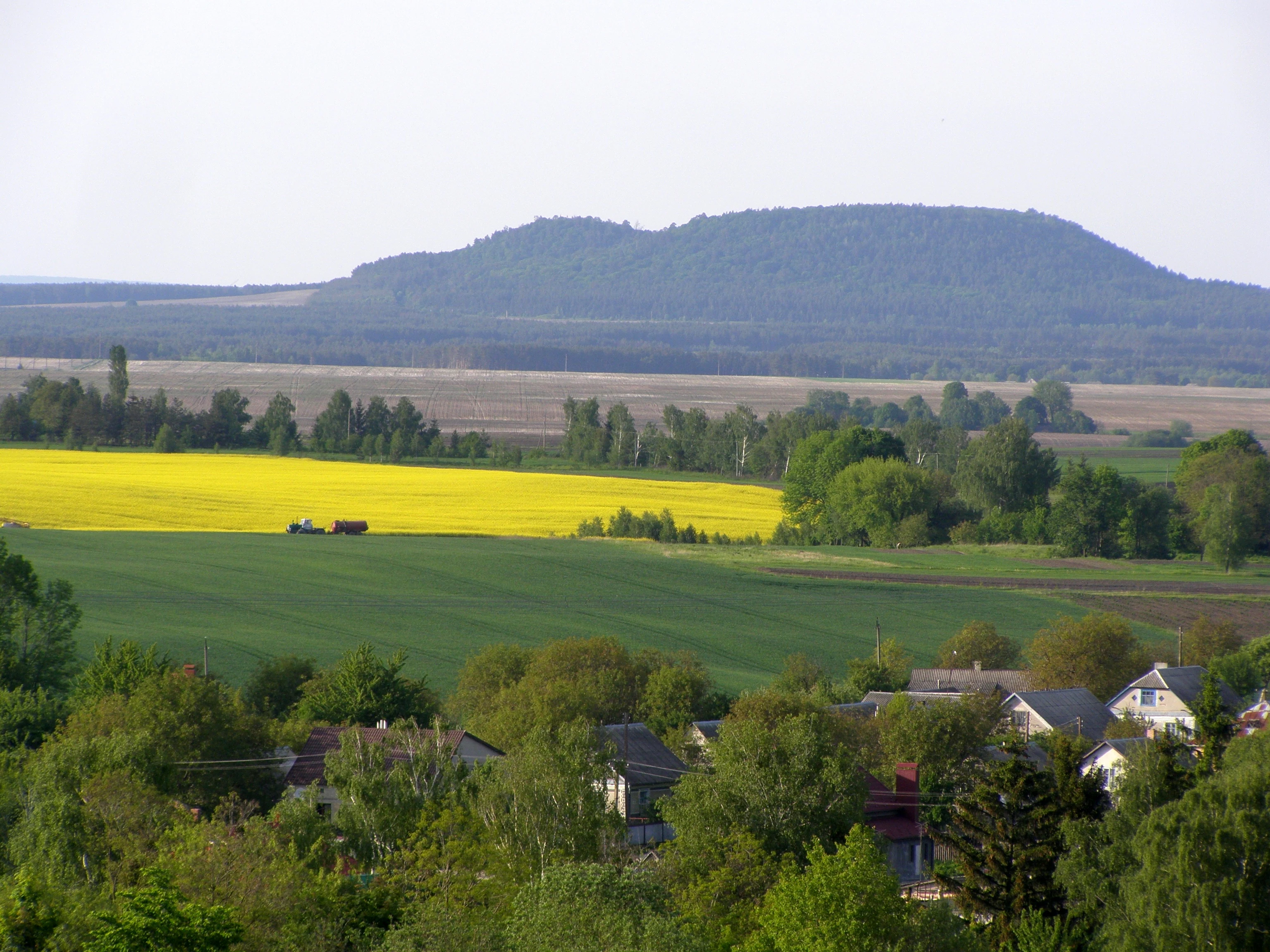
The Kremenets Mountains present a distinctive landscape of highly eroded chalk, clay, and limestone formations creating a terrain of low ridges, plateaus, and isolated peaks. Individual hills are separated where erosion has worn away softer rock layers, exposing white chalk foundations and creating dramatic rocky outcrops. The average ridge height rises 100 to 200 meters above the surrounding territory, with the highest point reaching approximately 408 meters above sea level. The geological structure includes a base layer of white chalk up to 100 meters thick, overlain by sandy deposits from the ancient Galician Sea, capped with sandstone and limestone. A covering of Quaternary yellow loess and loam, 10 to 30 meters thick, tops the sequence. The northern slopes descend steeply to the valley of the Little Polisia plains.
Kremenets Mountains National Nature Park ecosystems, habitats, and plant life
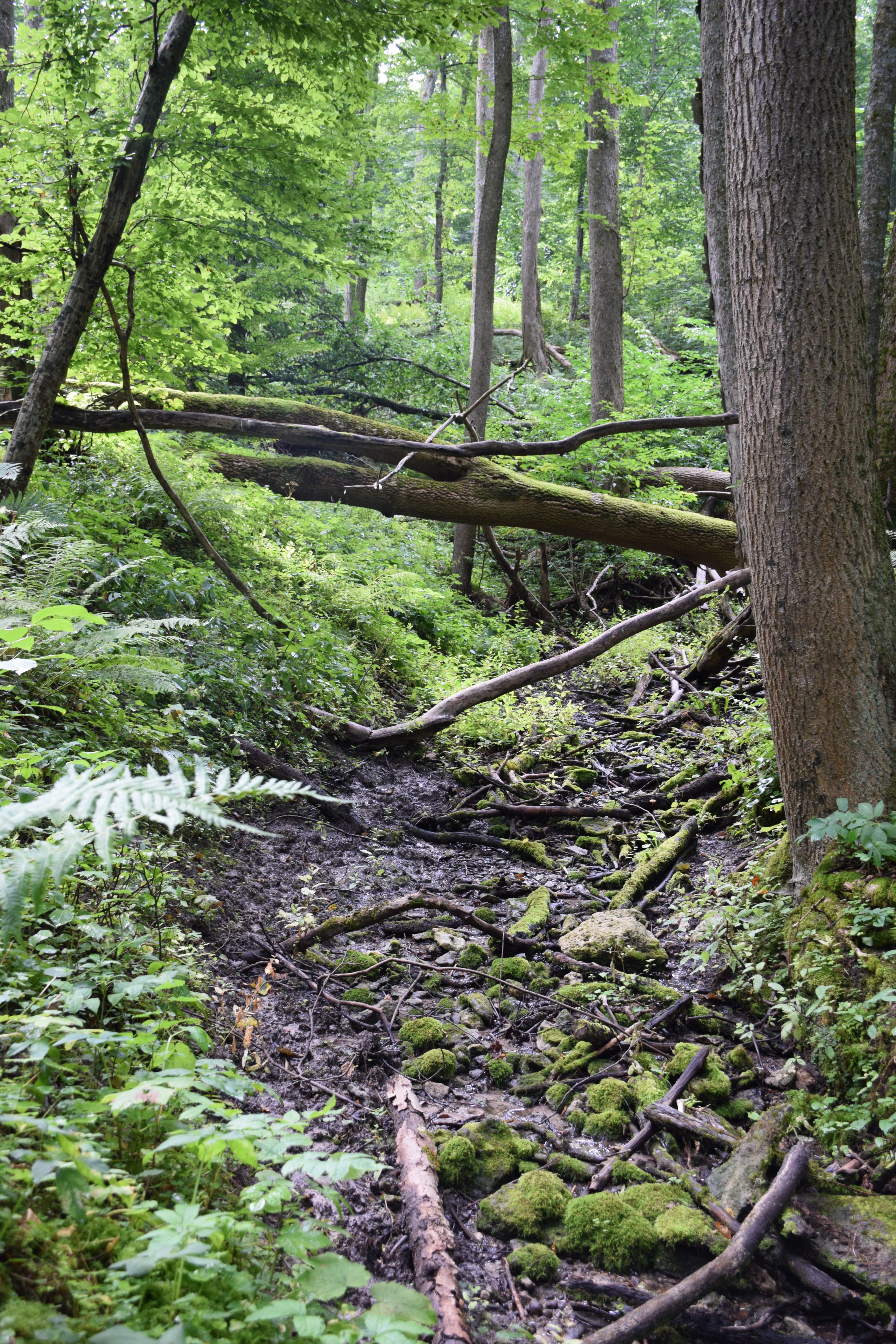
The park occupies a botanically significant position at the southern edge of the Central European mixed forests ecoregion, with elements of the northern Forest steppe zone. Forest types are predominantly oak, elm, and pine, with well-developed oak-hornbeam-ash communities in the older preserves. The flora is exceptionally rich, with over 1,200 plant species documented and 16 species endemic specifically to the Kremenets Mountains. The most famous endemic species is the Klokov birch, a critically endangered tree that grows only on two mountain tops within the park. The park also supports steppe and rock-dwelling plant communities on exposed limestone and chalk substrates, hosting numerous Volhyn-Podillia endemics and relict species.
Kremenets Mountains National Nature Park wildlife and species highlights
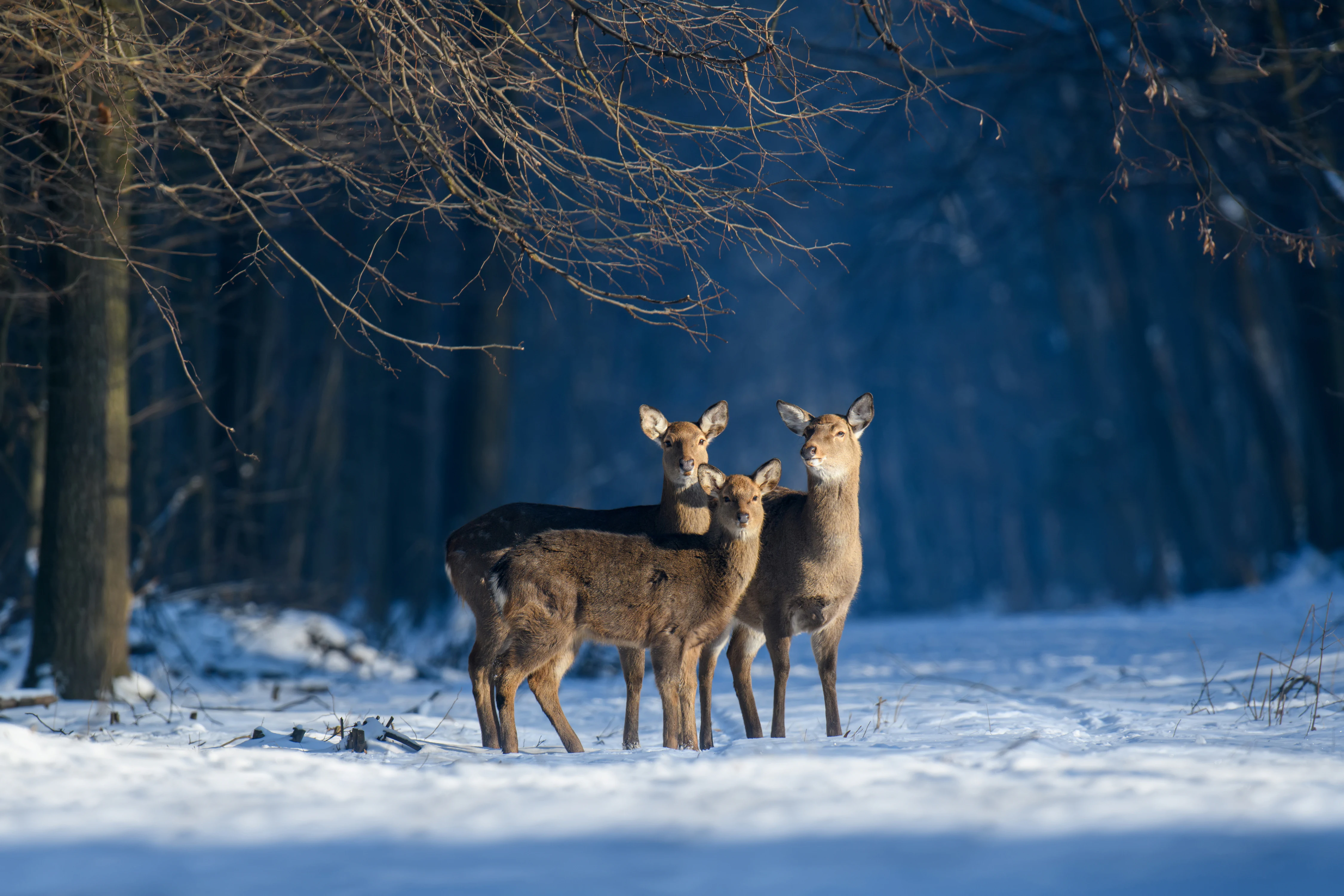
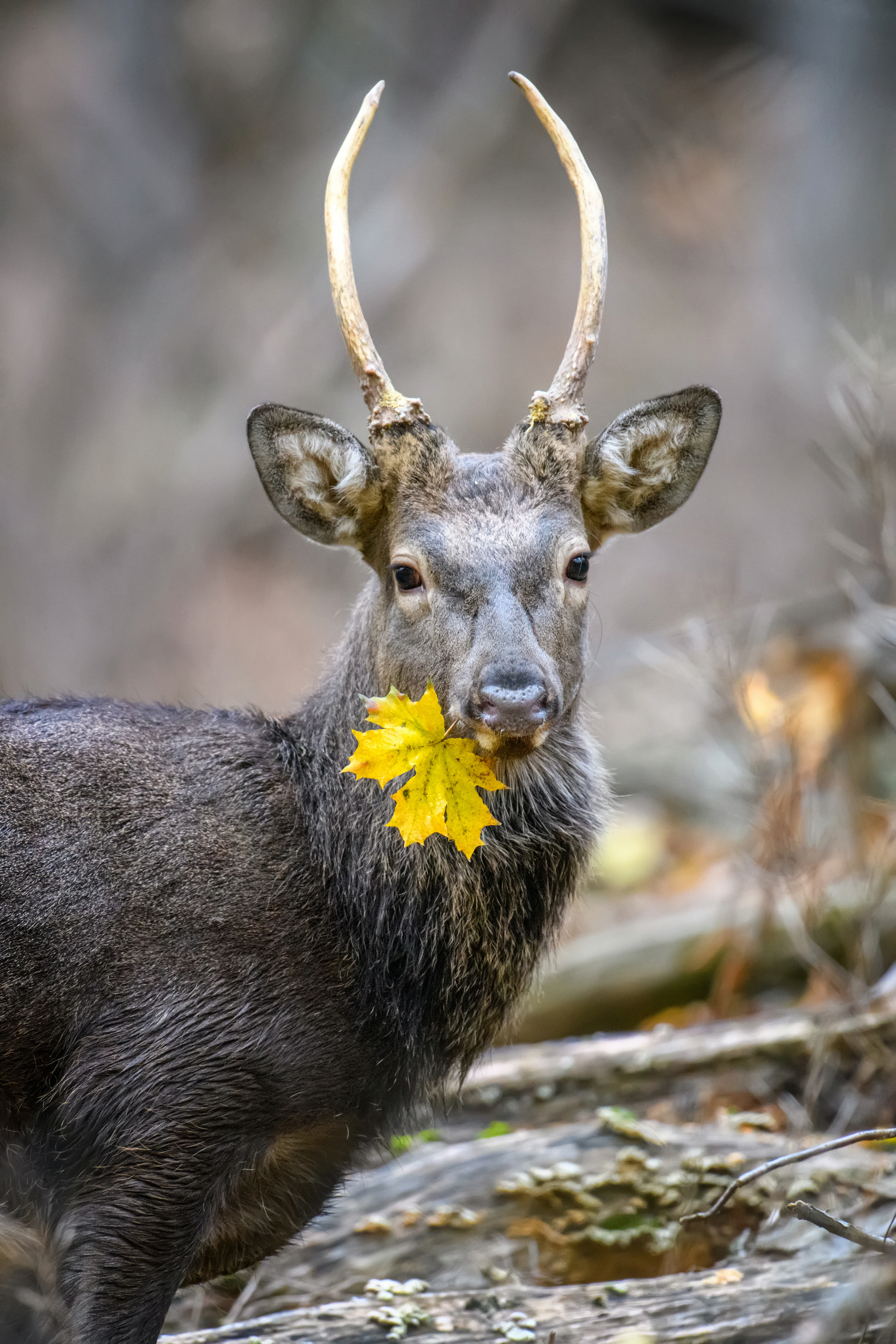
The park supports diverse wildlife communities typical of western Ukrainian broadleaf forests. Birdlife is particularly diverse, with 151 bird species recorded, including 15 species protected under Ukraine's Red Book. The mammal population includes 47 species, with common species including red deer, roe deer, wild boar, and European badger. Smaller mammals such as squirrels, dormice, and various rodent species are обиs widespread. The park also supports populations of European beaver in the northwestern sections. Reptiles and amphibians are represented by nine and fifteen species respectively, including the green lizard on meadow-steppe areas and common adder in suitable habitats.
Kremenets Mountains National Nature Park conservation status and protection priorities
The park plays a critical role in conserving Ukraine's botanical heritage, particularly the Klokov birch, which is listed as critically endangered and exists only within the park boundaries. The protected area incorporates multiple reserves specifically designated for oak-hornbeam-ash forest protection, including the Veselivka Botanical Reserve and Dovzhok Botanical Preserve. Zoological reserves protect populations of hunted animals and vulnerable species such as the European badger. The park is part of the national ecological network and serves as a key territory within the Halych-Slobozhansky ecological corridor, representing the landscapes of Northern Podillia.
Kremenets Mountains National Nature Park cultural meaning and human context
The Kremenets Mountains region has been inhabited since ancient times, with archaeological evidence of settlements, fortified positions, and defensive structures throughout the area. The park contains the ruins of Kremenets Castle, ancient burial sites, and the 12th-century Holy Trinity Church on Danylova Mountain. The area was historically significant in regional defenses, with chains of fortifications and observation points positioned on the ridge peaks. The cultural landscape reflects centuries of human interaction with the terrain, including traditional land use and settlement patterns that shaped both the natural and built environment.
Top sights and standout views in Kremenets Mountains National Nature Park
The park's most distinctive features include the dramatic limestone pillars of Słowacki's Rock, the ancient forests of the Veselivka and Dovzhok botanical reserves, and the rare Klokov birch growing only on the peaks of Mount Strakhova and Mount Maslyatyn. Visitors can explore seven ecological-tourist trails, including routes to Danylova Mountain with its medieval church, the panoramic viewpoints of Boga Mountain, and the rock formations of the Maiden's Cliffs. The four bicycle routes, ranging from 20 to 90 kilometers, traverse the ridge and surrounding countryside. The area's combination of geological, botanical, and cultural heritage makes it a significant destination for nature tourism in western Ukraine.
Best time to visit Kremenets Mountains National Nature Park
The park can be visited throughout the year, with each season offering different experiences. Summer provides the best conditions for hiking and exploring the trail network, with warm temperatures and full foliage showcasing the forest landscapes. Spring and early summer are ideal for observing the diverse flora in bloom, particularly in the steppe and rock-dwelling plant communities. Autumn offers colorful forest scenery and is a good time for wildlife observation as animals become more active before winter. Winter provides opportunities for cross-country skiing and experiencing the quiet, snow-covered landscape, though some trails may be less accessible. The transitional seasons of spring and autumn often present the most comfortable conditions for extended hikes.