Why Lonjsko Polje Nature Park stands out
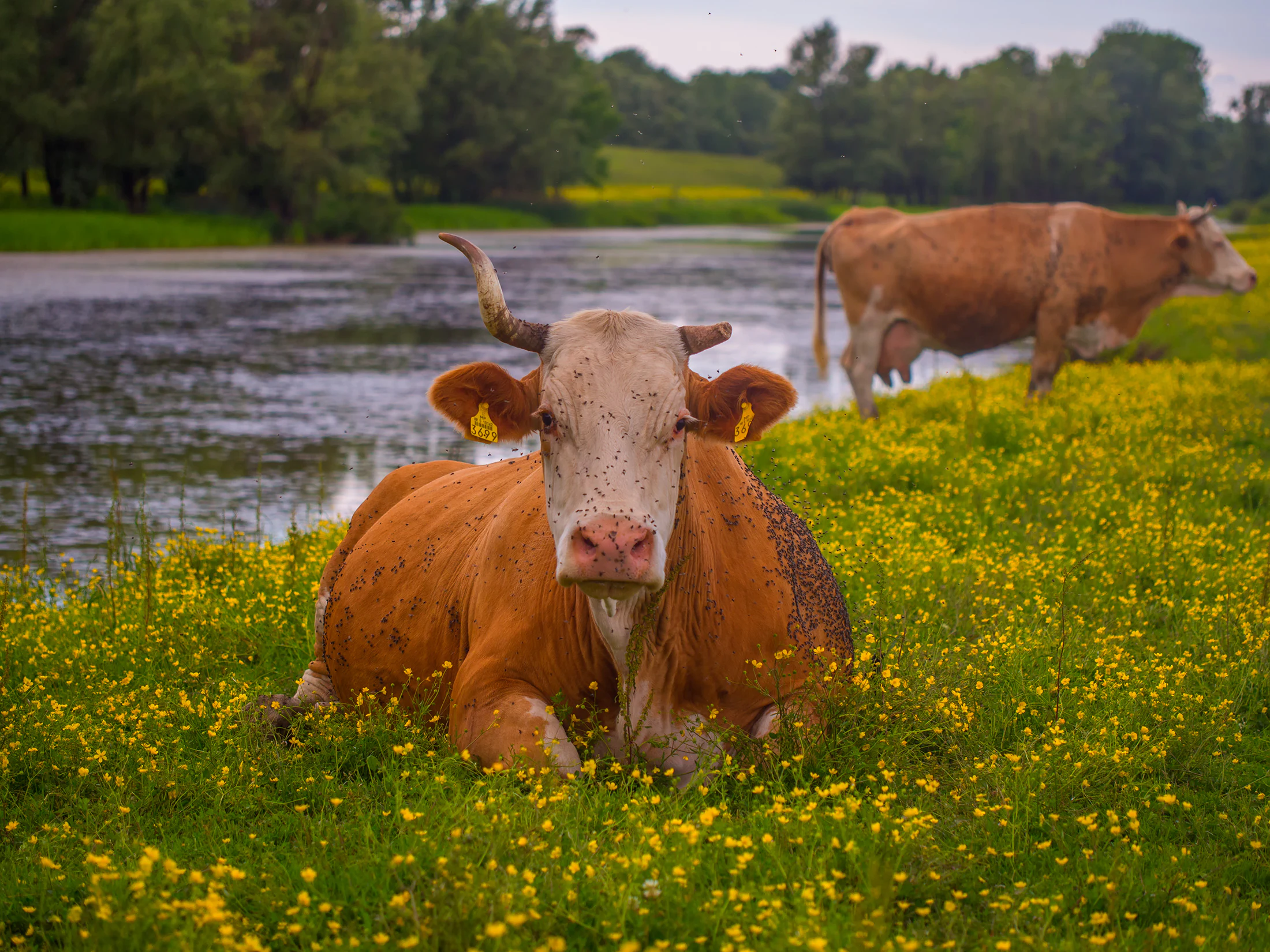
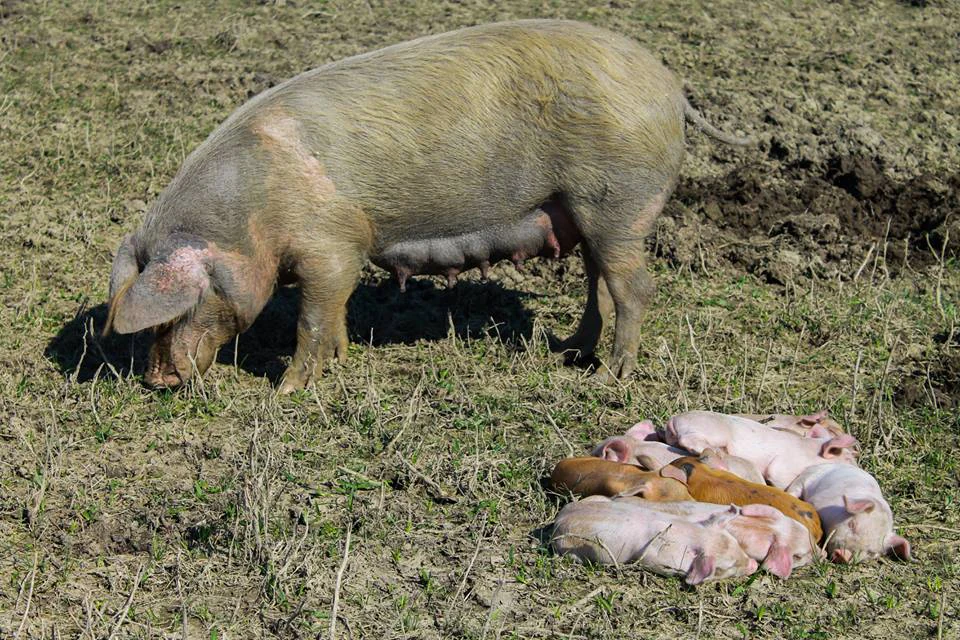
Lonjsko Polje is particularly renowned for its exceptional bird populations, most notably the white stork, which has made the village of Čigoč famous as the "European Stork Village" where nearly every household hosts a stork nest. The park preserves one of Europe's most significant examples of traditional floodplain pastoral culture, with the highest concentration of native livestock breeds in Croatia, including the Croatian Posavac horse, Turopolje pig, and Slavonian-Srem grey cattle. Its complex flood regime creates diverse habitats that support over 200 bird species and numerous rare fish, amphibians, and invertebrate species.
Lonjsko Polje Nature Park history and protected-area timeline
Lonjsko Polje was designated as a Ramsar Wetland of International Importance on January 18, 1993, recognizing its outstanding universal value as a wetland ecosystem. The nature park institution itself was formally established in 1998, with its headquarters located in the village of Krapje within the Jasenovac municipality. The protection of this area reflected growing recognition of the wetland's ecological significance within the broader European conservation framework, particularly as an Important Bird Area under the European Union's Birds Directive. The establishment of the nature park provided a formal framework for managing the complex interactions between flood protection, biodiversity conservation, and traditional land use practices that characterize this floodplain landscape.
Lonjsko Polje Nature Park landscape and geographic character
The physical landscape of Lonjsko Polje is defined by the Sava River's extensive alluvial plain, a flat to gently undulating terrain characterized by meandering river channels, oxbow lakes, marshy depressions, and natural levees. The floodplain creates a subtle microtopography where slight elevation differences determine whether an area becomes inundated during floods or remains as higher ground. The park's three component fields—Lonjsko, Mokro, and Poganovo—represent distinct but interconnected areas of the broader floodplain system. The river Veliki Strug and the Lonja River, a major Sava tributary, contribute additional hydrological complexity to the landscape. Throughout the area, traditional drainage ditches and channels from historical land management practices add to the human-modified hydrological network while still functioning within the natural flood regime.
Lonjsko Polje Nature Park ecosystems, habitats, and plant life
The ecological character of Lonjsko Polje is shaped by its dynamic hydrological cycle, where seasonal and episodic flooding events create an ever-changing mosaic of wetland habitats. The flood pulses generate diverse conditions ranging from permanently inundated marshes and reed beds to seasonally wet meadows and drier upland pastures. This habitat heterogeneity supports remarkable plant diversity, with communities ranging from aquatic vegetation in permanent water bodies to meadow flora on higher ground. The wet forests of alder and willow occur along watercourses and in depressions, while the open grasslands support distinctive floodplain meadow plant communities. The complex interface between aquatic and terrestrial habitats, driven by the natural flood regime, maintains the ecological processes that sustain this wetland system's exceptional biodiversity.
Lonjsko Polje Nature Park wildlife and species highlights
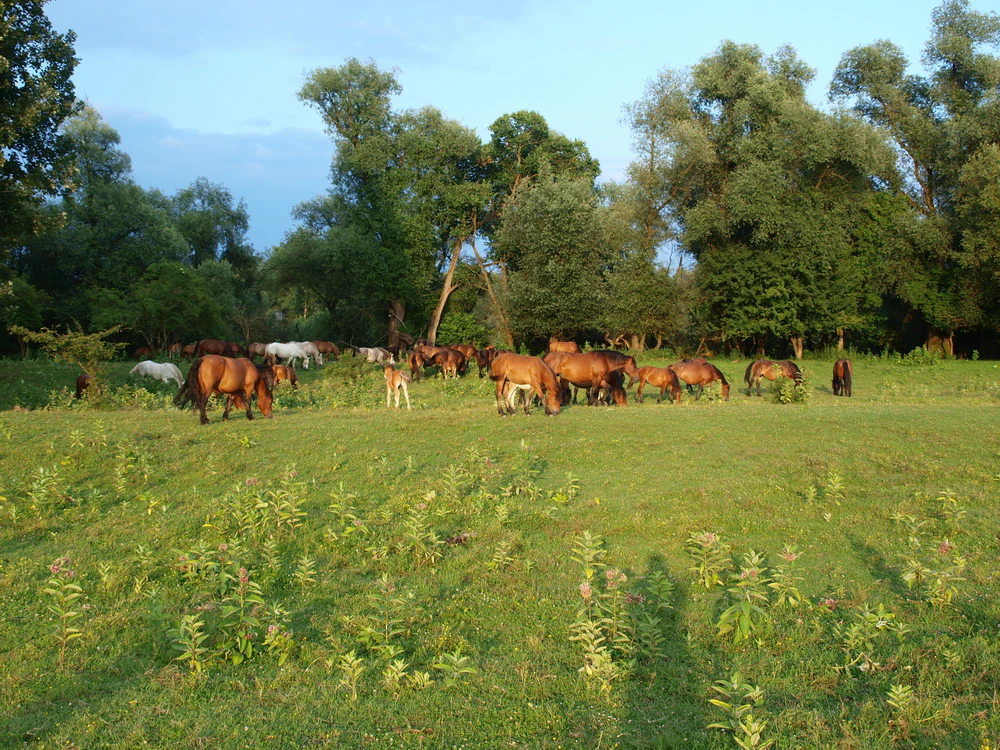
Lonjsko Polje supports exceptional wildlife populations, particularly avifauna, making it one of Europe's most important bird areas. The white stork is the park's iconic species, with the village of Čigoč earning recognition as the "European Stork Village" in 1994 due to the extraordinary density of stork nests—nearly every household hosts a nest on its chimney or rooftop. The park provides critical habitat for grey herons, spoonbards, white-tailed eagles, wild ducks, corncrakes, and pygmy cormorants. Among the notable fish species are sterlet, Danube salmon, and Danubian longnosed gudgeon. European pond turtles, common tree frogs, and Danube newts inhabit the wetland margins, while European otters hunt along the watercourses. The park also supports rare invertebrate species including the large copper butterfly and the endangered alpine longhorn beetle.
Lonjsko Polje Nature Park conservation status and protection priorities
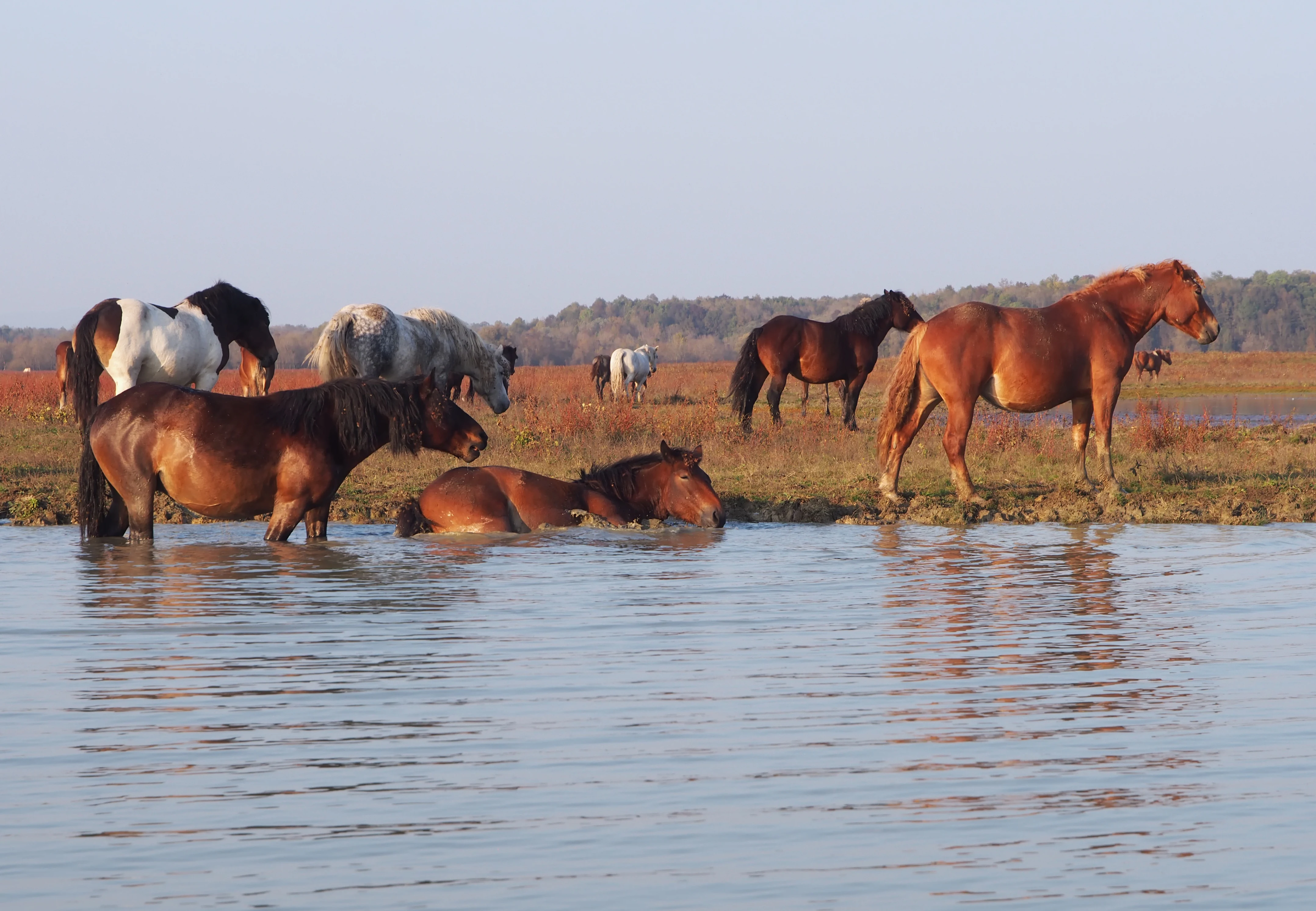
Lonjsko Polje holds international conservation significance as a Ramsar Wetland site and an Important Bird Area recognized under the EU Birds Directive, placing it within the core network of Europe's protected areas. The park is considered one of the world's most threatened wetland areas, despite its protected status, facing pressures from altered hydrological regimes, agricultural intensification, and development pressures in the surrounding landscape. Its designation as a nature park reflects the Croatian government's commitment to preserving this unique floodplain ecosystem while maintaining the traditional pastoral practices that have shaped its character for centuries. The park serves a vital function as a natural flood defense system, absorbing and storing flood waters that would otherwise threaten downstream communities, integrating environmental protection with practical landscape management.
Lonjsko Polje Nature Park cultural meaning and human context
The cultural landscape of Lonjsko Polje reflects centuries of human interaction with the floodplain's dynamic ecology. The traditional pastoral economy, maintained through grazing on common lands, has produced one of Europe's finest examples of the historical floodplain agricultural landscape. Local communities developed specialized animal breeds adapted to the challenging flood conditions, including the Croatian Posavac horse, Turopolje pig, and Slavonian-Srem grey cattle—breeds that now represent the highest concentration of native livestock in Croatia. The village of Čigoč embodies this cultural heritage through its extraordinary relationship with white storks, which have nested on village houses for generations, earning it the designation as a European Stork Village. This intimate connection between human settlement and stork nesting represents a unique cultural-ecological relationship found few places in Europe.
Top sights and standout views in Lonjsko Polje Nature Park
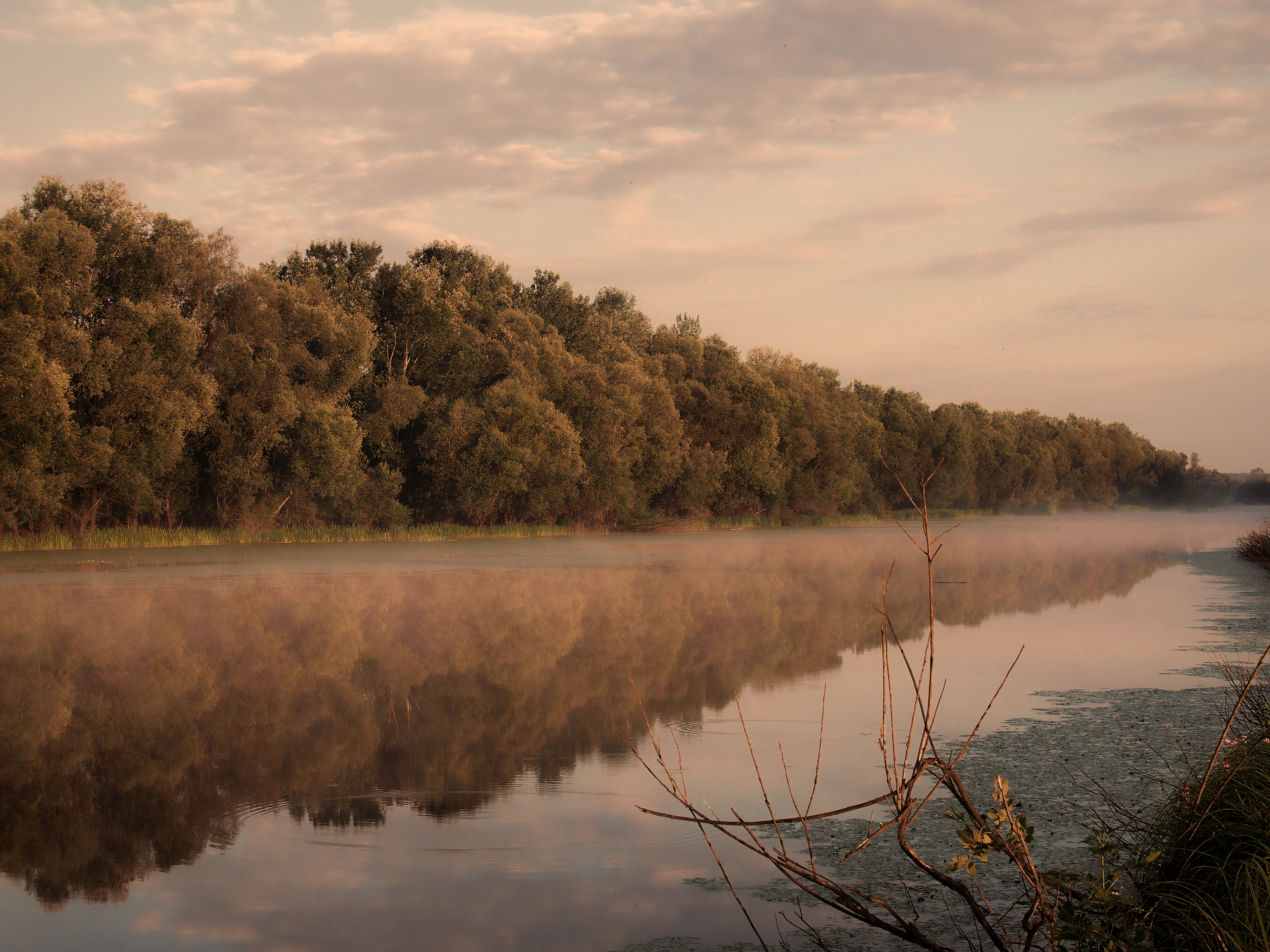
Lonjsko Polje stands as the Danube basin's largest and most significant protected wetland, a dynamic floodplain where seasonal flooding creates constantly shifting ecological conditions. The park preserves Europe's finest example of traditional floodplain pastoral culture, with indigenous livestock breeds roaming extensive meadows that represent a landscape type now largely vanished from Central Europe. The extraordinary concentration of white storks in the village of Čigoč, where nearly every building hosts a stork nest, creates one of Europe's most remarkable wildlife-viewing spectacles. The wetland supports exceptional biodiversity across all taxonomic groups, from breeding populations of corncrakes and white-tailed eagles to rare fish species like sterlet and Danube salmon, making it a flagship site for European wetland conservation.
Best time to visit Lonjsko Polje Nature Park
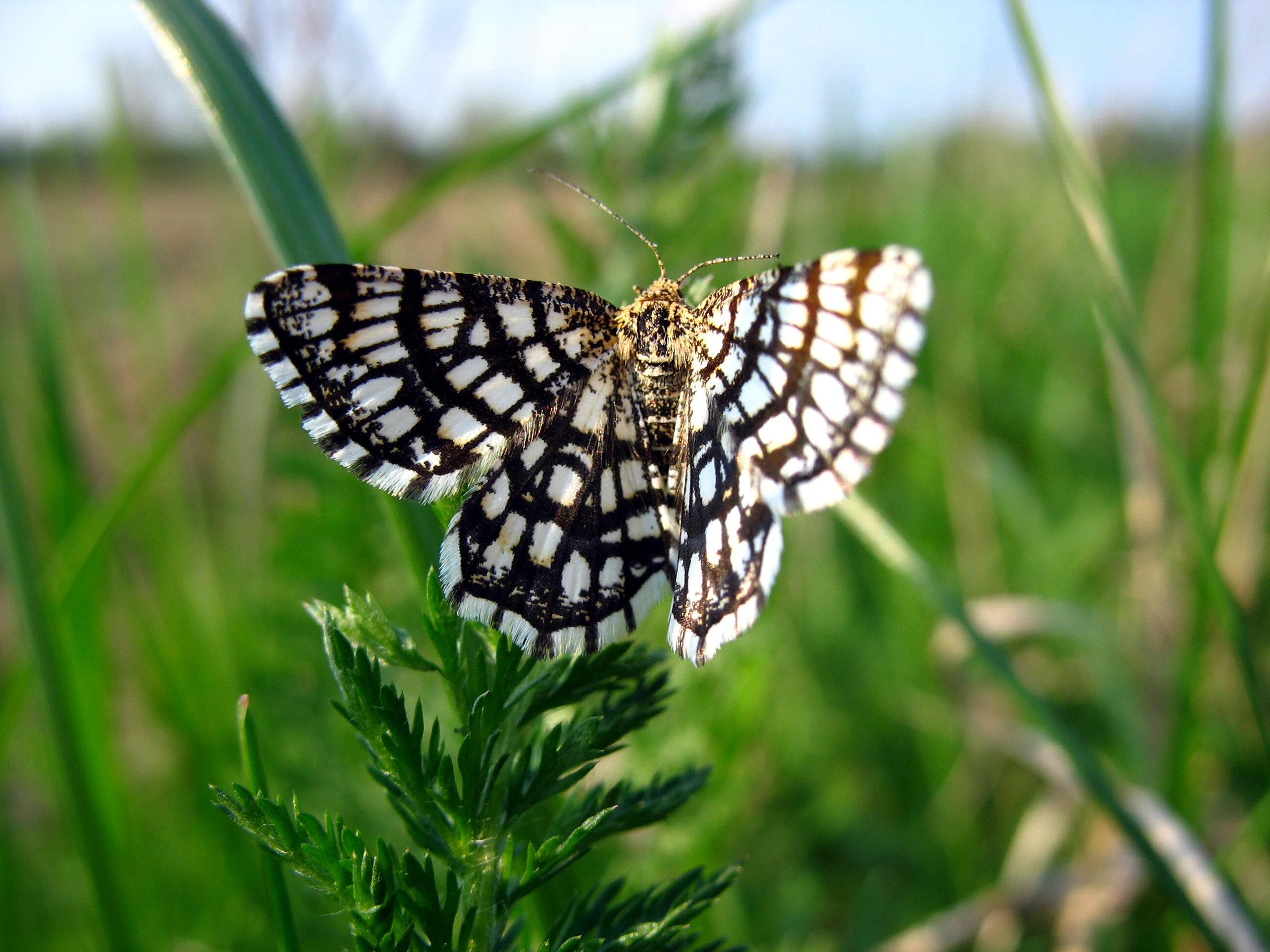
The character of Lonjsko Polje changes substantially with the seasons, each offering distinct visitor experiences. Spring flooding brings the landscape to life as waters rise across the floodplain, creating ideal conditions for birdwatching as migratory species return to breed. The summer months offer accessible terrain as floodwaters recede, revealing extensive meadows and providing excellent opportunities to observe storks and other nesting birds. Autumn can bring secondary flooding and offers different atmospheric conditions as the landscape takes on muted colors. Winter transforms the park into a stark but beautiful expanse, with frozen marshes and snow-covered pastures offering a completely different character. The timing of actual flooding varies year to year depending on Sava River conditions, making each visit uniquely different.