Why Mallee Cliffs National Park stands out
Mallee Cliffs National Park is best known as a dedicated conservation sanctuary for the malleefowl, a vulnerable ground-nesting bird that builds elaborate mound nests in mallee woodlands. The park represents the only reserve in New South Wales containing malleefowl habitat and serves as a critical stronghold for this species. The park is also notable for its restricted access policy, which prioritizes wildlife protection over general visitation. Additionally, the 2020 reintroduction of the endangered numbat marked a significant conservation milestone, making Mallee Cliffs one of the few Australian parks actively restoring extinct-local mammal species.
Mallee Cliffs National Park history and protected-area timeline
Mallee Cliffs National Park was established in April 1977 when the entire property was purchased by the Foundation for National Parks & Wildlife. The acquisition was driven by recognition of the area's significance as malleefowl habitat and the need to protect remaining mallee vegetation communities in the face of ongoing land clearing for agriculture. Unlike many Australian national parks that were created from former state forests or crown lands, Mallee Cliffs was deliberately purchased as a private conservation property and dedicated to protection. The restricted public access policy has been in place since establishment, reflecting the park's primary function as a wildlife sanctuary rather than a recreation destination. The 2020 numbat reintroduction marked a significant chapter in the park's conservation history, expanding its role from passive protection to active ecological restoration.
Mallee Cliffs National Park landscape and geographic character
The landscape of Mallee Cliffs National Park is defined by the classic features of the Australian semi-arid zone. The terrain consists of flat to gently undulating sandy red plains that extend across the property, interrupted by linear sand dunes oriented in parallel patterns that reflect ancient wind directions. These dunes were formed during Pleistocene-era arid periods when sand was blown across the landscape and stabilized by vegetation. The soils are characteristically sandy and red, giving the region its distinctive appearance. The vegetation is dominated by mallee, a growth form where eucalyptus trees develop multiple small stems from a lignotuberous root system, creating a distinctive multi-trunked appearance. Between the dune ridges, deeper soils support woodland communities including rosewood and belah, while the dune crests support more open mallee shrubland. The overall visual character is one of open, spaced woodland with an understory of grasses and shrubs adapted to low rainfall conditions.
Mallee Cliffs National Park ecosystems, habitats, and plant life
The park preserves undisturbed tracts of mallee vegetation that represent an important representation of this ecological community in New South Wales. Mallee refers to a group of eucalyptus species and a distinctive growth form characterized by multiple stems arising from a large underground woody root system called a lignotuber, which allows the plants to survive fire and drought. The park contains both bull mallee and whipstick mallee forms, as well as the less common rosewood-belah woodland community that occurs on deeper soils between dunes. The mallee spinifex grassland provides important habitat structure across much of the park. Several isolated relict plant communities exist within the park, demonstrating the historical patterns of vegetation across the landscape and how species distributions have shifted over time in response to changing climate conditions. These relict communities provide important insight into the ecological history of the Mallee region.
Mallee Cliffs National Park wildlife and species highlights
The wildlife of Mallee Cliffs National Park is centered on the vulnerable malleefowl, which remains the park's flagship species. The park is the only reserve in New South Wales containing malleefowl habitat, and the birds occur here in the characteristic mallee woodlands where they build their large mound nests. Male malleefowl construct elaborate nest mounds by digging pits in winter and filling them with leaves and grass over several months, then covering the organic material with sand. The decomposing vegetation generates heat that incubates the eggs, and males actively manage mound temperature throughout the breeding season. The park also supports significant populations of western grey kangaroos, and a variety of marsupials including pygmy possums. Several bat species utilize the park, with the little pied bat and greater long-eared bat using tree hollows for roosting. The mallee spinifex provides crucial habitat for the western blue-tongue lizard and southern spinifex slender blue-tongue. The 2020 reintroduction of the endangered numbat added a significant mammal species to the park's fauna.
Mallee Cliffs National Park conservation status and protection priorities
Mallee Cliffs National Park serves as a critical conservation refuge for semi-arid woodland ecosystems that have been extensively cleared across much of their former range. The park lies within the Southern NSW Mallee Important Bird Area, recognized by BirdLife International as supporting significant populations of vulnerable bird species, particularly the malleefowl. The restricted access policy reflects the park's primary conservation function, limiting public disturbance to protect breeding malleefowl and other threatened animals. The numbat reintroduction project, which began in 2020 with the goal of establishing a population of up to 270 individuals, demonstrates the park's evolving role in active conservation management. The protection of relict plant communities within the park provides insurance against ongoing environmental change and maintains genetic diversity of Mallee vegetation types that continue to face clearing pressures on surrounding private land.
Mallee Cliffs National Park cultural meaning and human context
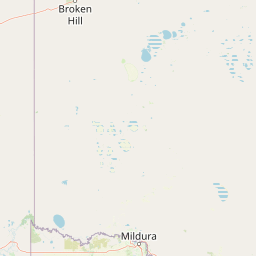
The Mallee Cliffs area lies within the traditional lands of Aboriginal peoples who inhabited the semi-arid mallee woodlands for thousands of years before European settlement. The mallee vegetation communities would have provided resources for Indigenous communities, though the specific cultural associations with this particular area are not extensively documented in available sources. The landscape's name reflects the dominant vegetation type, with "mallee" being a term applied to the multi-stemmed eucalyptus growth form common across Australia's arid and semi-arid zones. The Sunraysia region name refers to the sunny, warm climate that characterizes this part of the Murray-Darling Basin, and the area around Mildura has a history of irrigation-based agriculture that has transformed much of the surrounding landscape from its original mallee-covered state.
Top sights and standout views in Mallee Cliffs National Park
Mallee Cliffs National Park represents one of the most significant protected areas for semi-arid mallee woodland ecosystems in southeastern Australia. The park's role as the sole reserve in New South Wales containing malleefowl habitat makes it irreplaceable for conservation of this vulnerable species. The 2020 numbat reintroduction marked an important milestone, establishing the park as a site of active mammal restoration. The restricted access policy, while limiting general visitation, ensures that the park functions primarily as a wildlife sanctuary rather than a recreation site. The ancient sand dune landscape, formed between 350,000 and 500,000 years ago, provides a geological foundation for the distinctive mallee vegetation communities that define the park's character.
Best time to visit Mallee Cliffs National Park
Mallee Cliffs National Park maintains restricted public access and is not generally open for recreational visitation. Access is limited to educational activities by schools and colleges, and research activities that are relevant to park management and compatible with conservation objectives. Those interested in visiting for educational purposes should contact the NSW National Parks and Wildlife Service to arrange access. The park's wildlife, particularly malleefowl, follows seasonal breeding patterns with mound building occurring in winter and egg laying in spring, meaning any authorized visits during these seasons may offer opportunities to observe breeding behavior.