
Why Narachanski National Park stands out
Narachanski National Park is best known for its exceptional lake district landscape, protecting the Narach group of lakes and surrounding glacial terrain. The park contains Belarus's largest and most scenic lake system, with Lake Narach at its center along with the Buldud, Vishnevo, Shvaktsi, and Svir lake groups. Its diverse forests support significant populations of rare bird species including the black stork, black-throated diver, gray crane, eagle owl, and osprey, all protected under Belarus's Red Book. The park also preserves unique geological features including esker ridges, the Dubovaya Gara peninsula, and coastal cliffs, along with mineral springs that have supported spa traditions since the 1940s.
Narachanski National Park history and protected-area timeline
Narachanski National Park's history as a recreational area extends back to the early 20th century when the scenic beauty of the Narach lakes attracted visitors seeking leisure and outdoor activities. Private villas, restaurants, a yacht club, and a docking area for sailing boats were built along the shores of Lake Narach, establishing the region as a premium resort destination. The area continued to develop as a recreation site through the mid-20th century. A pivotal moment came in 1946 when the first scientific expedition discovered mineral water sources and therapeutic mud deposits in the lakes of Kuzmichy, Shvaktsi, and Deyagili, providing the basis for establishing a climate and balneological resort. In the late 1950s, active construction of tourist bases and holiday homes began along the Narach shoreline. By 1963, the Sanatorium Narach had opened, followed by the Holiday Home Narach and the children's health camp Zubronya. During the 1960s and 1970s, the Narach region emerged as a major resort and wellness zone for the country. Narachanski National Park was officially created in 1999 with the goals of preserving landscapes, biological diversity, and the genetic resources of flora and fauna in the Narach region.
Narachanski National Park landscape and geographic character
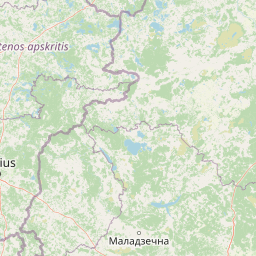
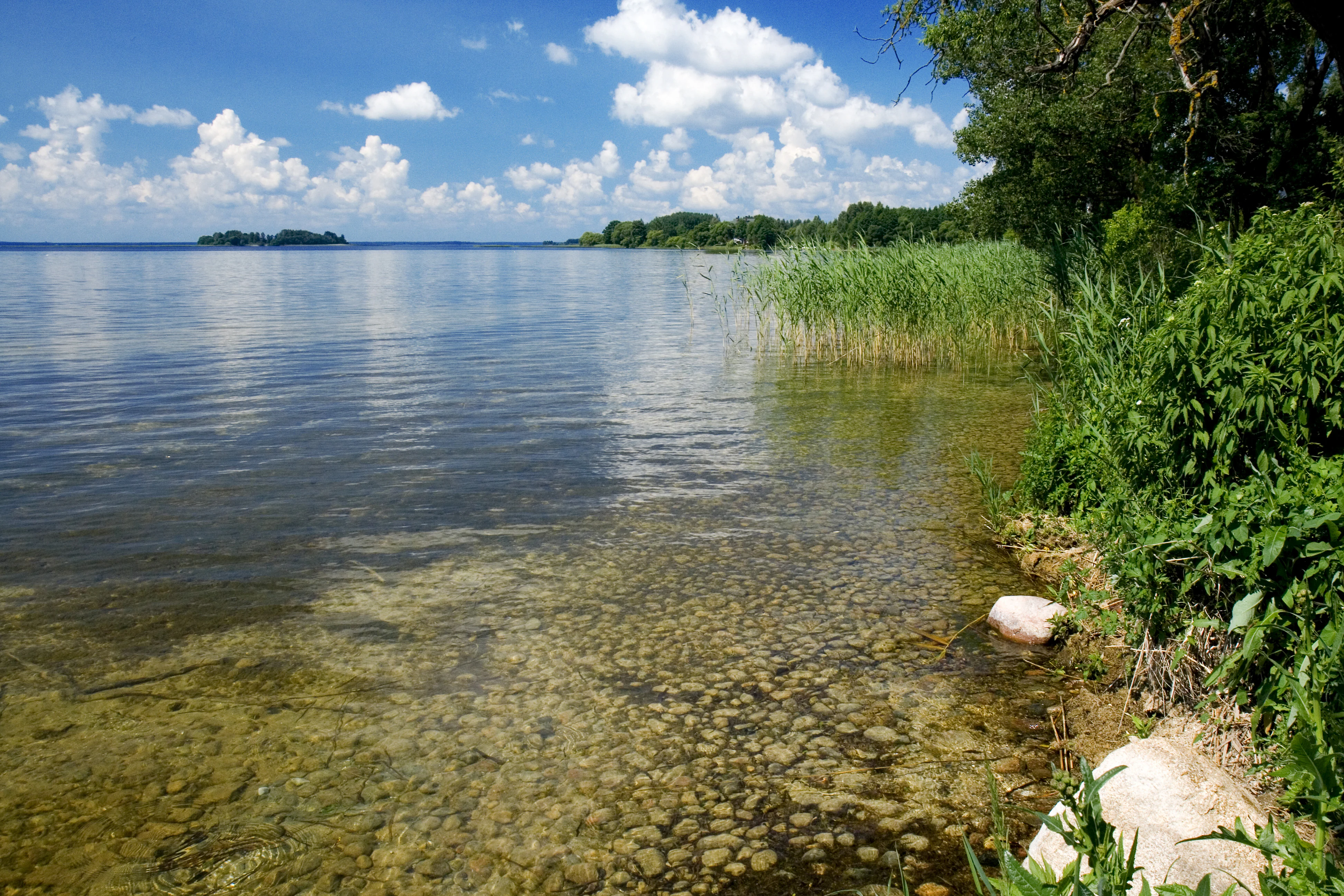
The landscape of Narachanski National Park is defined by its glacial origins and extensive lake systems. The terrain consists of small to medium moraine hills with depressions, large and medium hill-and-ridge moraine elevations with kames, and sloping glaciofluvial plains containing lakes, dunes, kames, depressions, and lowland marsh areas. This varied topography creates a visually distinctive landscape of rolling hills, open plains, and lake basins. The lake district represents one of Belarus's most important freshwater systems, with over 30 lakes covering more than 170 square kilometers. The largest lakes include Narach, Myadel, Vishnevo, and the Svir lake group. These lakes occupy glacial kettle depressions and are connected by streams and groundwater. The shorelines vary from gently sloping beaches to steeper coastal cliffs in some areas. The park also contains notable geological features including esker ridges such as Lukinskaya, Tyukshin, and Kacharginskaya, as well as the Dubovaya Gara peninsula on Lake Myadel and the Stsyapyanoŭski coastal cliff on Lake Narach. The area features more than 20 glacial erratics scattered across the landscape. Forest coverage is extensive, with pine, spruce, and birch forests dominating the terrestrial landscape.
Narachanski National Park ecosystems, habitats, and plant life
Narachanski National Park lies within the oak-pine forest vegetation subzone, a transition between more southerly deciduous forests and northern boreal ecosystems. The dominant forest types are pine, spruce, and birch forests that cover the majority of the terrestrial landscape. These forests provide critical habitat for diverse wildlife and contribute to the park's ecological character. The park's biodiversity is substantial, with approximately 900 species of higher vascular plants recorded within its boundaries. The aquatic environments support rich communities, with 32 fish species documented in the park's lakes, including commercially valuable species such as European eel, carp, pike, and sig (coregonid). The wetlands and marshes provide important habitat for waterbirds and contribute to water regulation. The park also contains unique botanical features, with rare plant species including dwarf birch, wild rosemary, cloudberry, common cattail, alpine gentian, and wild tulip recorded in the area. Some species are endemic to specific habitat types within the park, such as certain algae species found only in Lake Narach and its basin. The Charemashchyca forest-marsh area contains relic moss complexes with rare species including Gymnocolea inflata.
Narachanski National Park wildlife and species highlights
The wildlife of Narachanski National Park is diverse and includes several species of conservation significance. The mammal community comprises 49 species, including red deer, raccoon dog, European badger, marten, and otter. The bird fauna is particularly rich, with 179 nesting bird species documented in the park. Notable bird species include the bittern, osprey, and common crane, as well as rare species protected under Belarus's Red Book such as the black stork, black-throated diver, gray crane, and eagle owl. The avifauna includes both forest-dwelling species and waterbirds associated with the lake systems. The fish community includes 32 species, with common bream, silver bream, and crucian carp being among the most abundant. The park also supports populations of rare and commercially valuable fish species including brown trout, ide, spined loach, and dace. Lakes within the park are stocked with economically important species including European eel, carp, pike, and whitefish for commercial fishing. The overall vertebrate fauna totals 243 species across amphibians, reptiles, birds, and mammals.
Narachanski National Park conservation status and protection priorities
Narachanski National Park serves as a critical conservation area for Belarus's northern lake district ecosystems. The park protects representative samples of glacial lake landscapes, forest communities, and wetland habitats that would otherwise face development pressures. Several species within the park are protected under the Red Book of Belarus, including the European badger, black stork, black-throated diver, gray crane, eagle owl, and osprey among vertebrates, and rare plants such as dwarf birch, cloudberry, and wild tulip among flora. The park also preserves unique algal communities, with species such as Batrachospermum boryanum, Cladophora aegagropila, and Nostoc pruniforme found only in Lake Narach and protected as rare. The 1999 establishment of the national park institutionalized protection of the region's landscapes, biological diversity, and genetic resources. The park's management focuses on balancing conservation with sustainable recreation, as the area also serves as Belarus's primary resort zone. The comprehensive protection framework covers both terrestrial and aquatic ecosystems, from forests to lakes to marshes.
Narachanski National Park cultural meaning and human context
The Narach region has a rich human history that predates the establishment of the national park. The area's scenic lakes and natural beauty attracted visitors from the early 20th century, leading to the development of resort infrastructure including private villas, restaurants, and recreational facilities. The discovery of mineral waters and therapeutic mud in 1946 established the region as a significant balneological resort, a role that expanded through the Soviet period with the construction of sanatoriums and holiday facilities. The park contains architectural heritage sites including the Catholic Church of Our Lady of the Scapular in Myadel, St. Andrew's Church in Narach, and the Holy Ilia Orthodox Church in Narach. Additional sites include the Nicholas Catholic Church and wooden Orthodox church in Svir, an 18th-century Carmelite monastery in Zasvir, and 19th-century churches in Konstantinovo and Krivichy. The park also encompasses historic manor complexes with traditional parks in settlements including Narach, Svir, Konstantinovo, Kamarova, and Alsheva. These cultural elements are woven into the landscape and represent the human dimension of the Narach region.
Top sights and standout views in Narachanski National Park
Narachanski National Park stands out as Belarus's premier lake district protected area, protecting the nation's largest and most scenic lake system. The park's over 30 lakes, centered on Lake Narach, represent a glacial landscape of exceptional diversity. The area supports significant biodiversity with rare birds including black stork, black-throated diver, and eagle owl, and contains important populations of commercial fish species. The glacial terrain features distinctive esker ridges, the Dubovaya Gara peninsula, and coastal cliffs that add geological interest. The park serves as the foundation of Belarus's largest resort and wellness area, with 11 sanatoriums utilizing mineral springs discovered in the 1940s. Visitors can explore approximately 30 excursion routes including routes to the Blue Lakes and Charavki Peninsula. The combination of natural landscapes, biodiversity, geological features, and resort infrastructure makes Narachanski a distinctive destination within Belarus's protected areas.
Best time to visit Narachanski National Park
The optimal time to experience Narachanski National Park is during the summer months when warm weather allows full access to the lake-based activities and extensive trail network. The summer season, particularly June through August, offers the best conditions for boat excursions, swimming, and hiking the park's many routes. Autumn provides a different experience as foliage colors transform the forests, and the quieter season offers opportunities for wildlife observation. The winter months, while offering cross-country skiing opportunities, limit access to some areas as lakes freeze and some facilities operate seasonally. The shoulder seasons of spring and early summer are excellent for birdwatching as migratory species return to nesting grounds. The resort settlement of Narach operates year-round for those seeking wellness treatments at the sanatoriums, though peak visitor numbers occur during the traditional summer vacation period.