
Why Oleshky Sands National Nature Park stands out
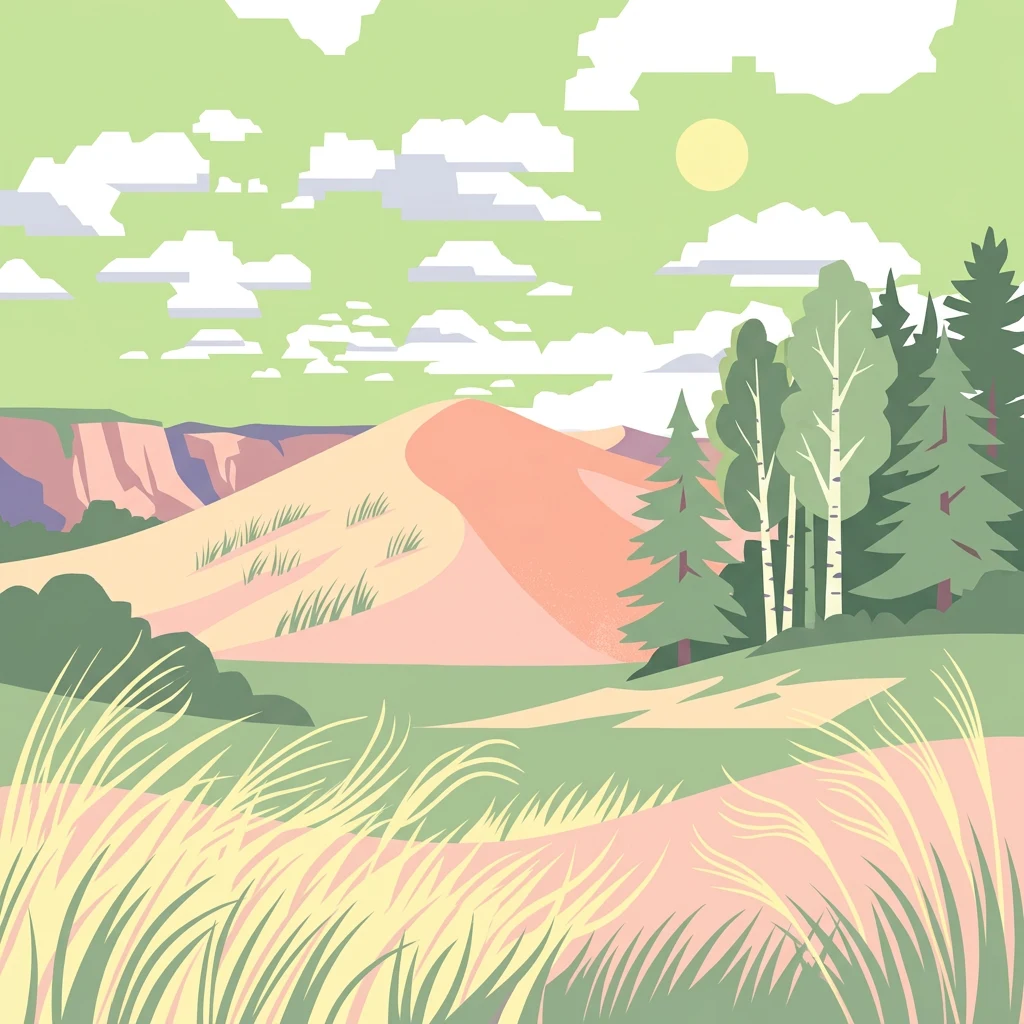
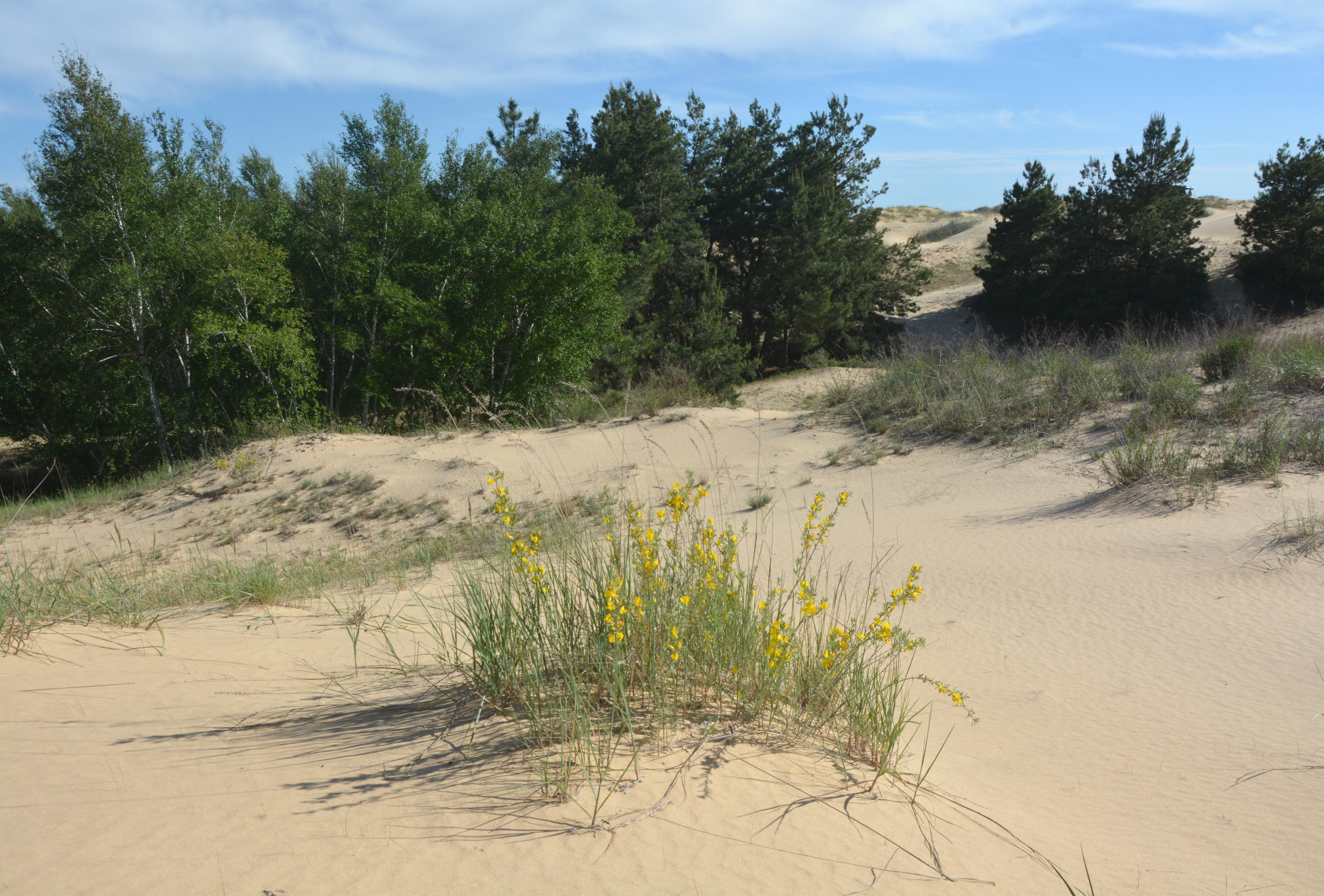
The park is best known for its distinctive semi-arid sandy landscape, which represents one of the most unusual environmental settings in Ukraine. The Radensk sector contains large sand dunes interspersed with shrub patches, birch groves, and small lakes, creating a landscape that resembles a desert more than typical European steppe. The Burkut zone contrasts sharply with its pine forest stands, meadows, and wetland areas surrounded by sandy terrain. The park preserves rare and endangered species including steppe flora such as feather grass (Stipa species), and provides habitat for specialized desert and steppe fauna. The extreme summer conditions, with sand temperatures reaching 70°C and sparse vegetation, create microhabitats found nowhere else in Ukraine's protected area network.
Oleshky Sands National Nature Park history and protected-area timeline
The conservation history of Oleshky Sands spans nearly a century and reflects the broader evolution of nature protection in Ukraine. Initial proposals to protect the area emerged in 1928, when the Ukrainian Committee for the Protection of Natural Monuments established a commission to examine creating a "Sandy Reserve of the Dnieper Lowlands." At that time, experts recognized the scientific importance of preserving these rare sandy steppe ecosystems, noting that such areas were extremely uncommon in Ukraine and provided unique opportunities to study soil-vegetation dynamics and natural sand stabilization processes. The Soviet government established "Sandy Reserves of the Dnieper Lowlands" in July 1928, covering approximately 15,000 hectares including what is now the Burkut area. However, these early reserves were soon integrated into other protected areas, with Burkut becoming part of the Askania-Nova steppe reserve. The Burkut area remained under Askania-Nova administration until 1957, when it was transferred to Kherson regional forestry management, effectively losing its protected status for decades. The modern national park was finally established by Presidential Decree on February 23, 2010, representing a major victory for Ukrainian conservationists and scientists who had advocated for formal protection of this unique landscape. The park covers territory of two historically significant lower Dnieper sand arenas: the Kozachelahirska and Chalbaska areas.
Oleshky Sands National Nature Park landscape and geographic character
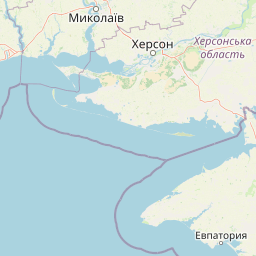
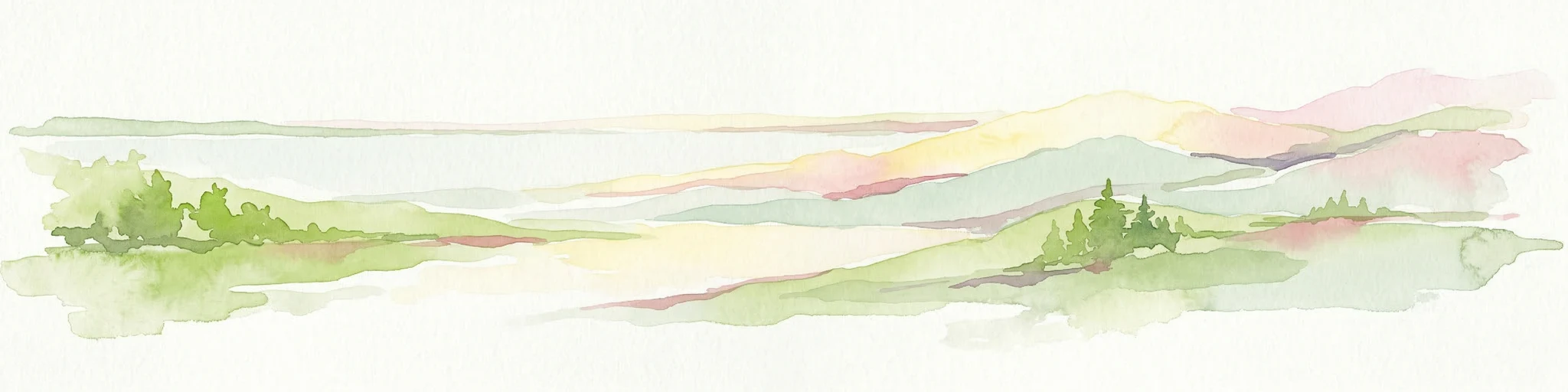
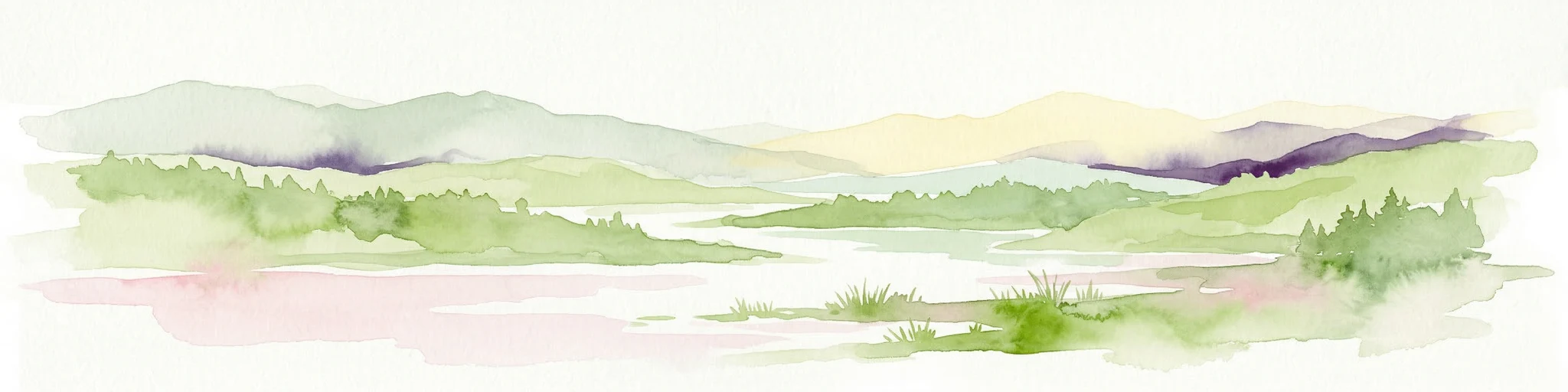
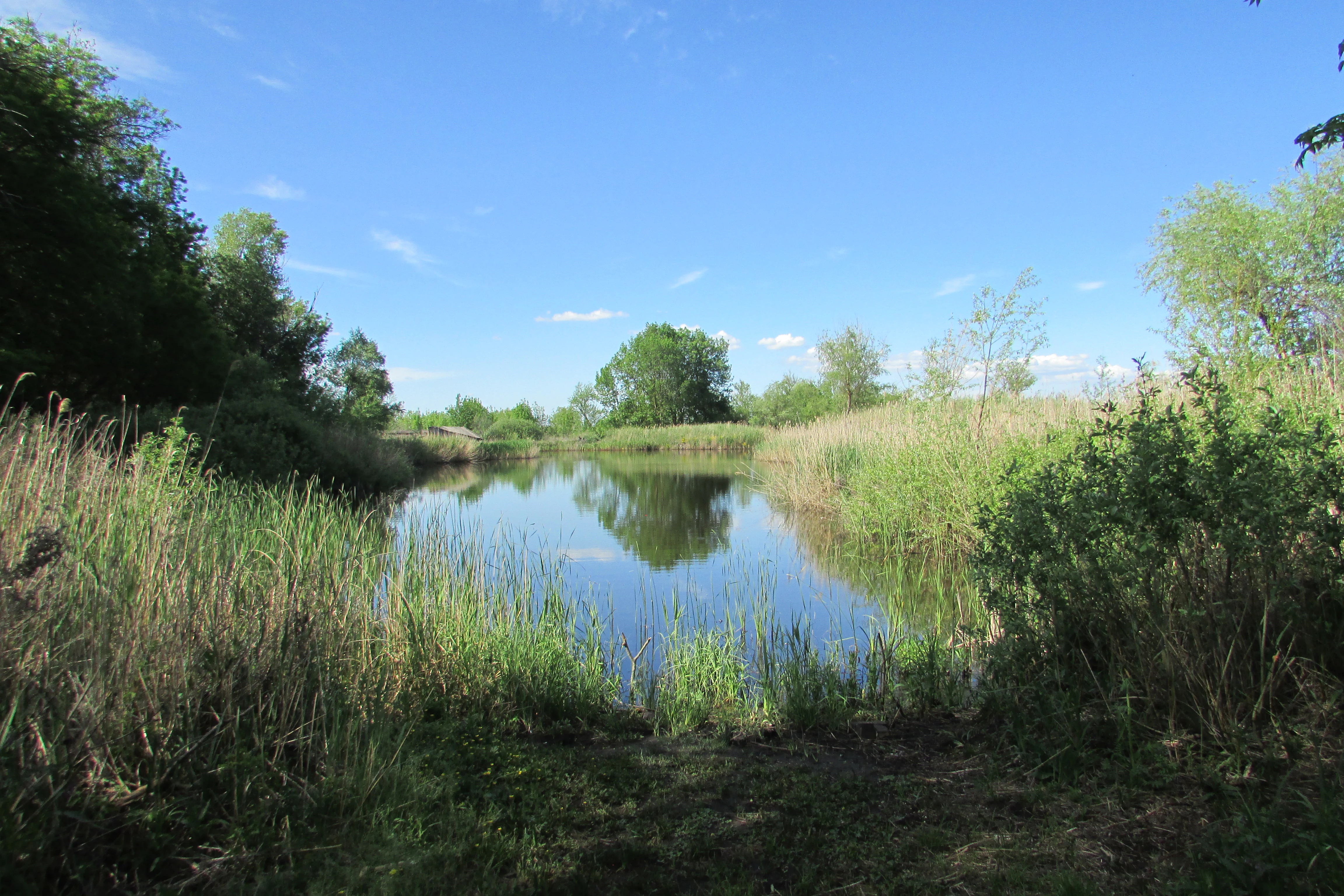
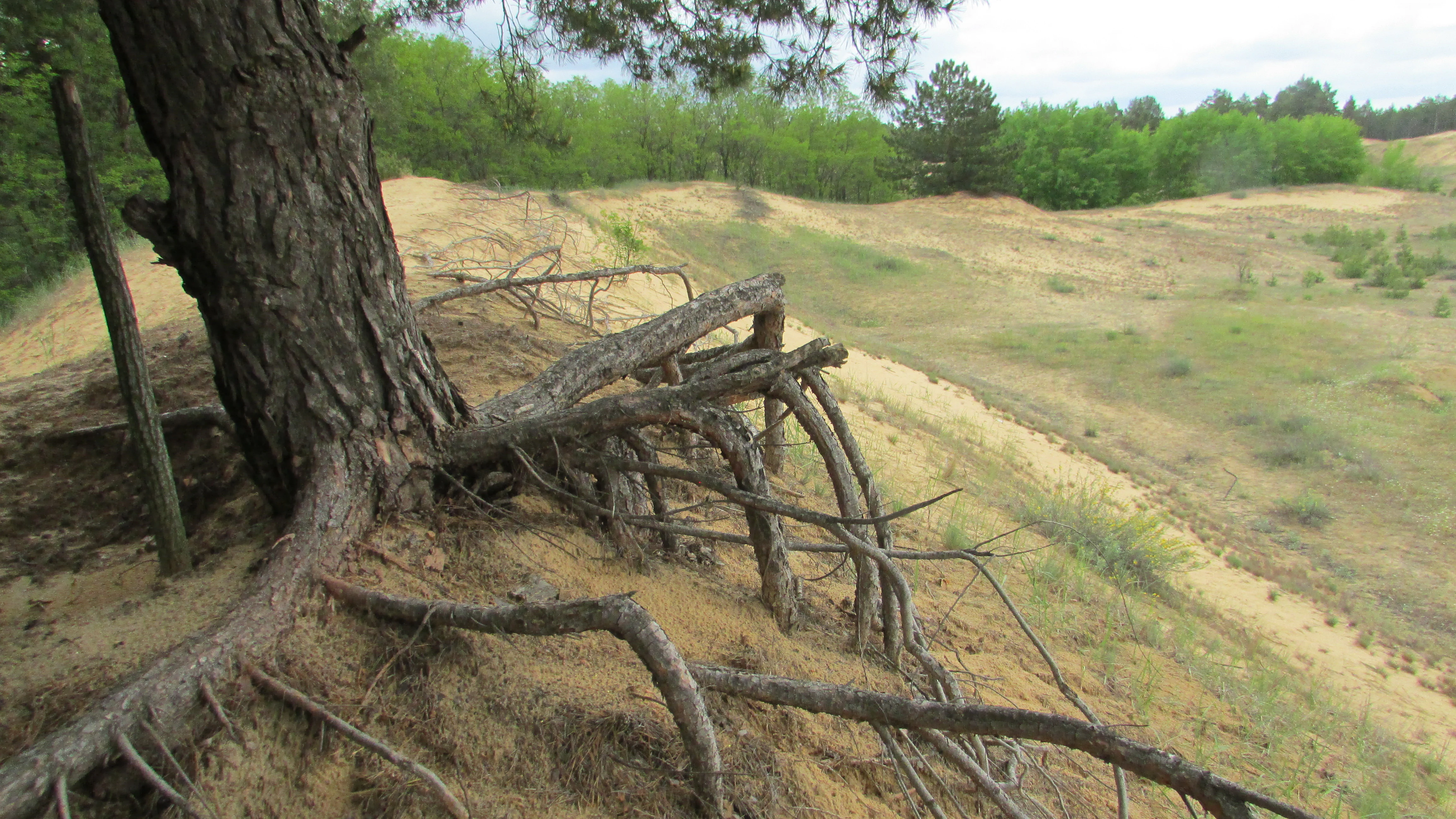
The physical landscape of Oleshky Sands National Nature Park presents a striking contrast to typical Ukrainian terrain. The park sits on the north slope of the Black Sea Basin, within a region characterized by relatively flat topography and sandy deposits. The terrain is divided into two distinct zones that offer markedly different scenery. The Radensk sector, occupying the majority of the protected area, features extensive sand dunes in its central portions, with the landscape characterized by low vegetation cover and large expanses of bare sand. Scattered throughout this zone are patches of shrubs, small birch groves, and numerous lakes that provide ecological variety within the sandy matrix. The Burkut zone presents a different character, with pine forest stands providing canopy cover, meadows offering more typical grassland habitat, and small lakes adding wetland diversity. The geological foundation consists of sandy deposits over deep bedrock, with the crystalline basement rock lying at depths ranging from 1,200 meters on the northern boundary to 1,500 meters in the Burkut area. These sandy soils are of extremely low fertility, lacking nutrients and structure, making them challenging for most plant species and contributing to the semi-arid character of the landscape.
Oleshky Sands National Nature Park ecosystems, habitats, and plant life
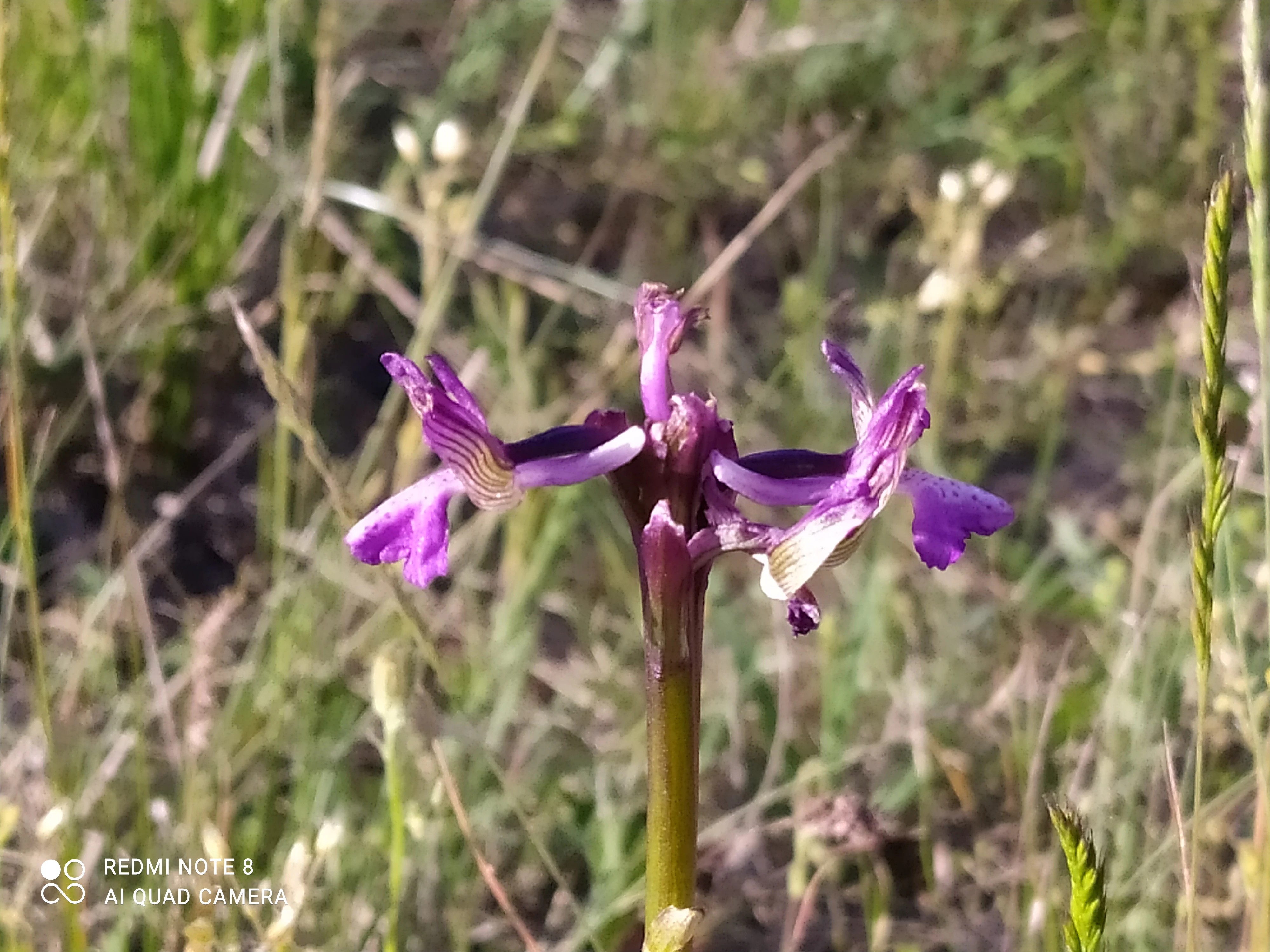
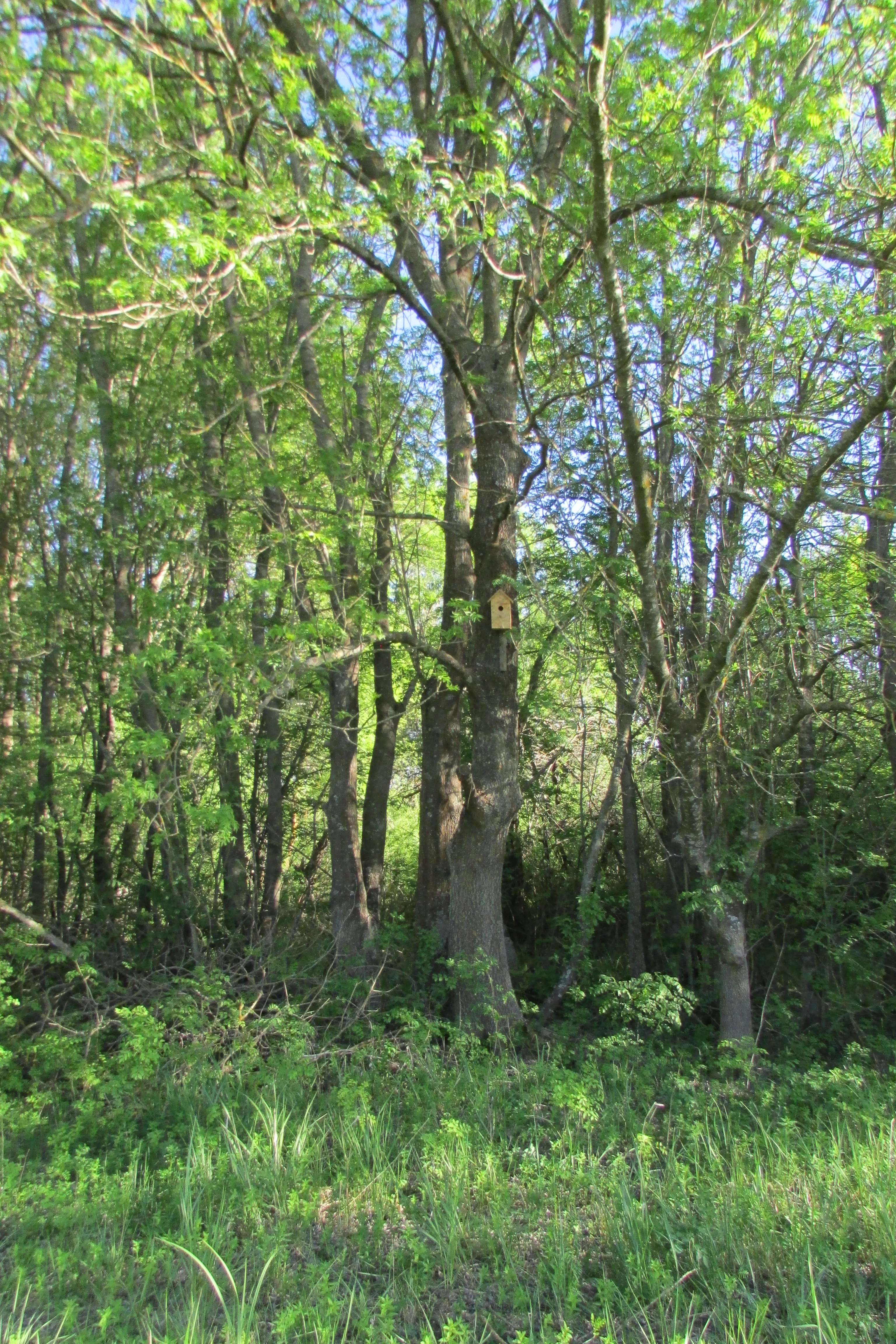
The ecological character of Oleshky Sands reflects the intersection of multiple habitat types within a relatively small area. The park contains a remarkable diversity of microhabitats despite its relatively uniform geological setting, including sandy steppe, semi-arid grasslands, meadows, reed beds, and forest stands. The vegetation reflects this variety, with steppe species dominating the open areas while birch, aspen, ash, and pine occur in the forest patches. The plant community includes approximately 500 vascular plant species, of which about 24 are considered rare or relict elements. Twelve of these rare species are listed in the Red Book of Ukraine, reflecting the conservation significance of the park's flora. The terrain's extreme conditions, including summer temperatures reaching 70°C on the sand surface and limited moisture availability, have selected for specialized plant adaptations. Despite these challenging conditions, the park supports complex plant communities including feather grasses, steppe forbs, and species adapted to both sandy and more stable soils. The soil conditions are extremely challenging, with sandy soils lacking organic matter, nutrients, and structure, creating an environment where only specially adapted species can survive.
Oleshky Sands National Nature Park wildlife and species highlights
The fauna of Oleshky Sands National Nature Park is exceptionally diverse given the seemingly harsh environmental conditions. The park supports approximately 958 animal species, with 57 of these listed in the Red Book of Ukraine, indicating significant conservation value. The insect community is particularly rich and includes specialized species such as the sand mantis (Empusa pennicornis) and the parasitic wasp Larra anathema. Butterflies and moths are well represented, with species including the swallowtail butterfly (Papilio machaon) and various owlet moths. The reptile community includes the Caspian whipsnake (Dolichophis caspius) and the steppe viper (Vipera renardi), both species of conservation concern. Bird species include the white-tailed eagle (Haliaeetus albicilla), the marsh harrier (Circus cyaenus), and the stone curlew (Burhinus oedicnemus). Mammals such as the sandy mole-rat (Spalax arenarius) and the thick-toed gecko (Stylodipus telum) are specialized for the sandy environment, while wolves maintain populations throughout the park. The combination of sandy steppe, forest, and wetland habitats within the park creates diverse ecological niches that support this remarkable biodiversity.
Oleshky Sands National Nature Park conservation status and protection priorities
Oleshky Sands National Nature Park holds significant conservation importance for Ukraine and Europe as a whole. The park preserves the largest remaining area of sandy steppe ecosystem in Ukraine, representing a habitat type that has been largely eliminated from the continent through agricultural development. The semi-arid conditions and sandy soils create ecological conditions that are unique within Ukraine's protected areas network, supporting species assemblages found nowhere else in the country. The park protects twelve plant and fifty-seven animal species listed in Ukraine's Red Book, demonstrating its role as a refuge for rare and endangered biodiversity. Additionally, the park preserves the Pontic-Caspian steppe ecoregion, which once covered vast areas from the Black Sea to Kazakhstan but now exists only in fragmented remnants. The conservation value extends to scientific research opportunities, as the park provides a living laboratory for studying ecosystem processes in sandy environments, including sand stabilization, vegetation dynamics, and adaptation to extreme conditions. However, the park faces significant challenges, including its location in territory currently outside Ukrainian control and damage from military activity, with preliminary estimates suggesting biodiversity damage of approximately 1.31 billion hryvnias as of early 2024.
Oleshky Sands National Nature Park cultural meaning and human context
The cultural context of Oleshky Sands extends beyond ecological considerations to encompass historical human relationships with this distinctive landscape. The park's name derives from the town of Oleshky (historically Oleshshia), which itself represents an ancient regional identity dating back to Kievan Rus times. The sand deposits and surrounding area were historically known by various names, including Alekhovsks in pre-revolutionary sources, Oleshkivska during the Soviet period until the 1950s, and occasionally as Nizhnodniprovski or Tsyurupynski. These naming variations reflect the changing administrative and cultural contexts over time. The region has supported human communities for centuries, with traditional land use patterns that included grazing and limited agriculture adapted to the challenging sandy conditions. The creation of the national park in 2010 represented recognition that these lands have value beyond economic exploitation, preserving both natural heritage and historical connections to the landscape. The park's administrative center is located in the town of Oleshky, maintaining the historical link between the protected area and its regional identity.
Top sights and standout views in Oleshky Sands National Nature Park
The most distinctive highlight of Oleshky Sands is its unexpected desert-like landscape in the heart of Europe, where expansive sand dunes and semi-arid conditions create an environment more typical of Central Asian or North African terrain. The Radensk sector's large dunes, reaching impressive heights and creating a constantly shifting landscape, represent the park's most visually striking feature. The contrast between the Burkut pine forests and the open sandy steppe provides remarkable ecological variety within a single protected area. The park preserves the Pontic-Caspian steppe ecoregion, an ecosystem that once covered vast territories but now exists primarily in protected remnants. The exceptional biodiversity, with nearly 1,000 animal species and 500 plant species in a relatively small area, demonstrates the ecological productivity of these seemingly harsh conditions. The historical significance of the area, with conservation proposals dating to 1928, adds depth to the park's value beyond its ecological attributes.
Best time to visit Oleshky Sands National Nature Park
Visiting Oleshky Sands presents challenges due to the extreme seasonal conditions and restricted access policies. The summer months bring the most dramatic landscape conditions, with sand surface temperatures reaching 70°C creating genuinely desert-like atmosphere, though this also means the most challenging visitor conditions. Spring and autumn offer more moderate temperatures and better opportunities for exploring the park's various habitats. The park has historically restricted unaccompanied public access due to the proximity of military training grounds, and visitors should check current access conditions before planning trips. The winter period provides a different experience entirely, with mild but snowy conditions offering the opportunity to see the landscape under seasonal snow cover, though this may limit access to some areas. For wildlife viewing, the spring and early summer months coincide with maximum species activity, while birdwatching opportunities are particularly good during migration periods.