
Why Oulanka National Park stands out
Oulanka National Park is best known for its exceptional old-growth boreal forest, one of the most intact in Finland, and its dramatic river ecosystem along the Oulankajoki River with rapids and sandy banks. The park protects a remarkable convergence of northern, southern, and eastern Finnish species, creating unusual ecological overlap. The Karhunkierros trail, Finland's most famous trekking route at 80 kilometres, traverses the park and is accessible year-round. The park was the first Finnish national park to achieve PAN Parks certification from WWF in 2002, recognizing its wilderness quality and sustainable tourism management.
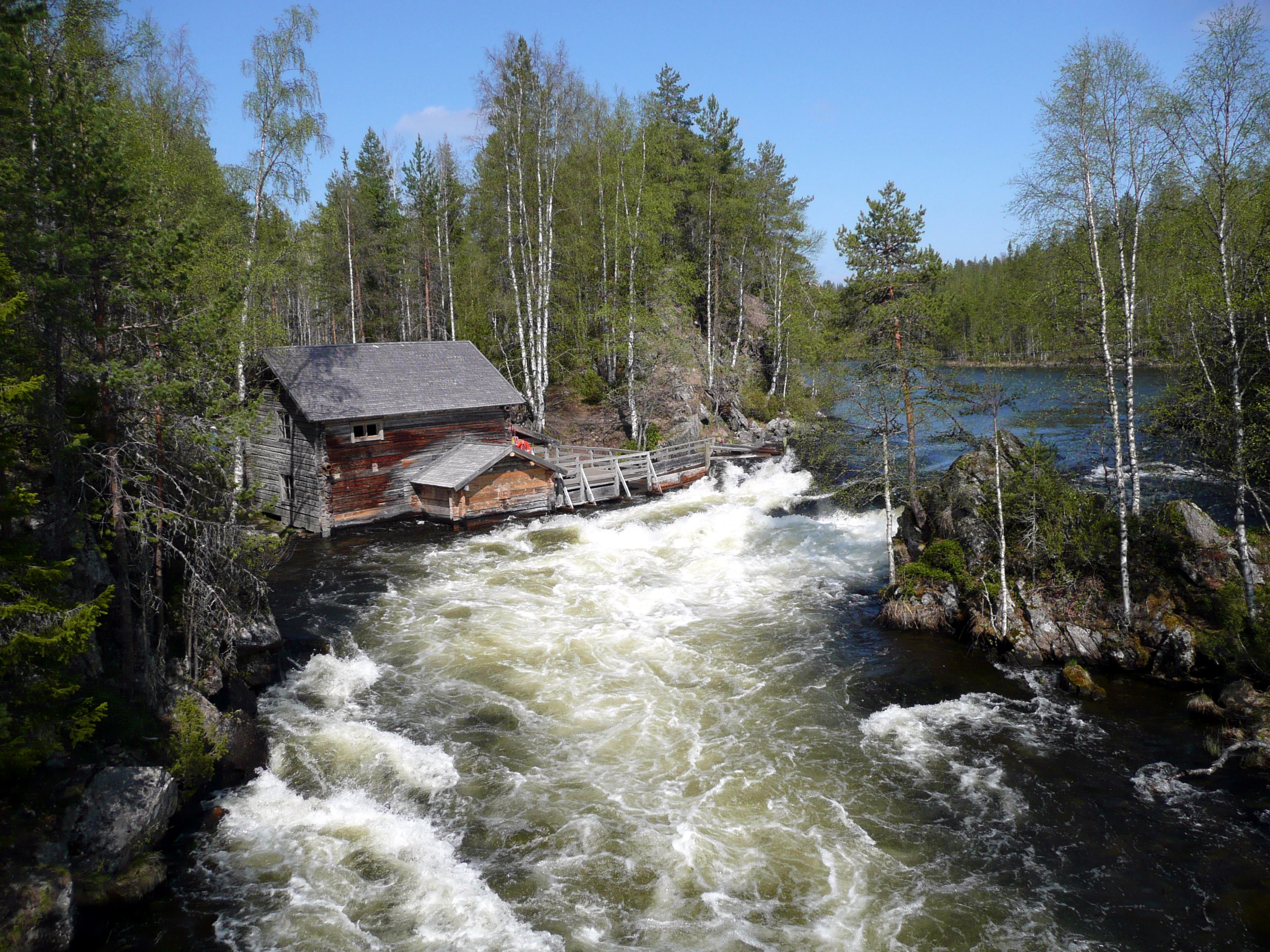
Oulanka National Park history and protected-area timeline
The area now protected as Oulanka National Park has a human history stretching back centuries. The first inhabitants were Sámi people from Lapland, who lived in the region until the end of the 17th century when Finnish settlers arrived. The indigenous Sámi relationship with this landscape predates the modern park by hundreds of years. From the 1930s, the Finnish Tourist Association began developing the area for tourism, maintaining boats on the rivers and renovating wooden cabins found throughout the park. These cabins remain available for hikers to use free of charge today, representing a continuation of Finland's traditional wilderness hospitality. The park was formally established in 1956 and expanded significantly in 1982 and 1989 to protect additional wilderness areas. In 2002, Oulanka became the first Finnish national park to join WWF's PAN Parks network, recognizing its exceptional wilderness character and commitment to sustainable management. This certification distinguished Oulanka as one of Europe's authentic wilderness parks.
Oulanka National Park landscape and geographic character
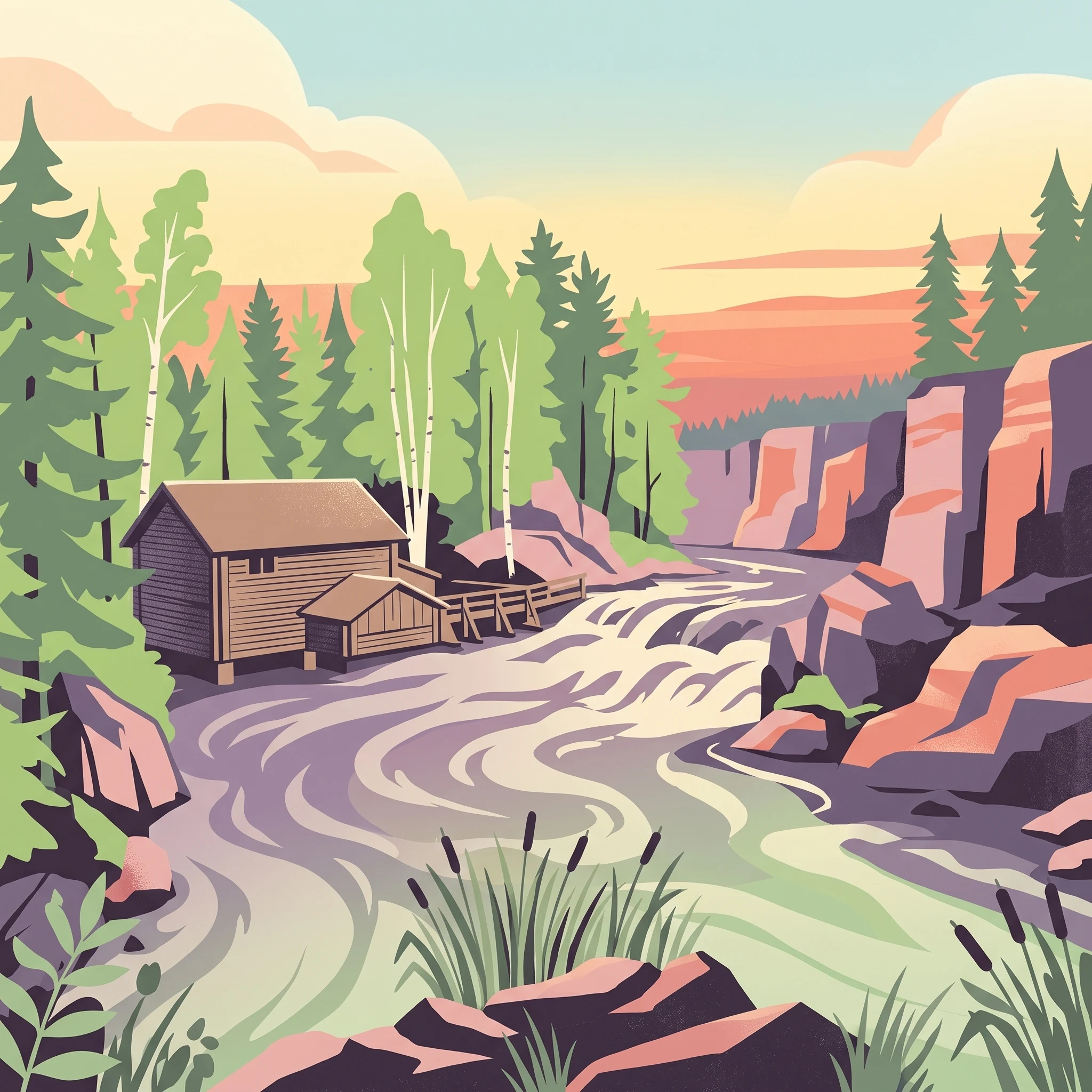
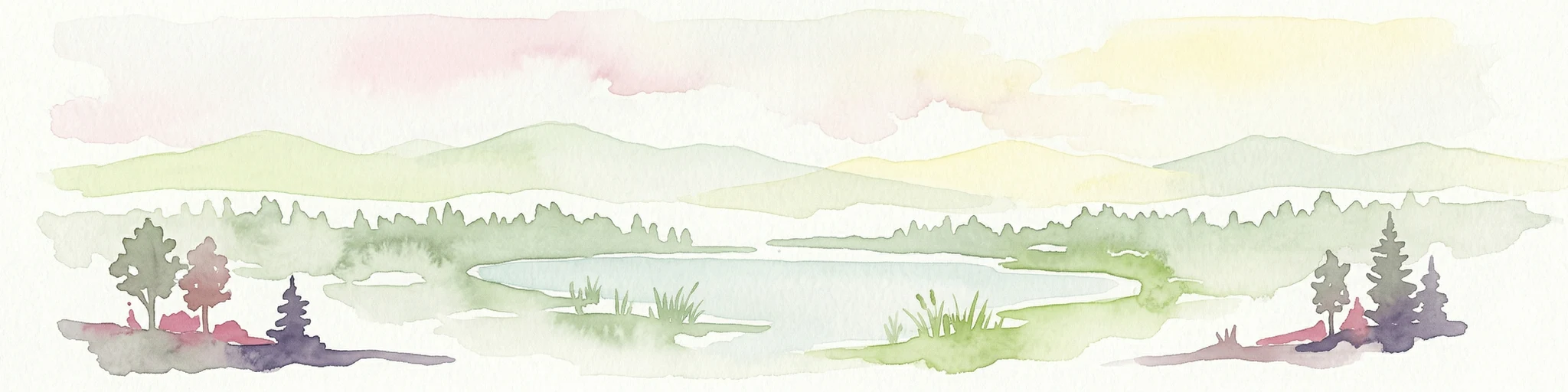
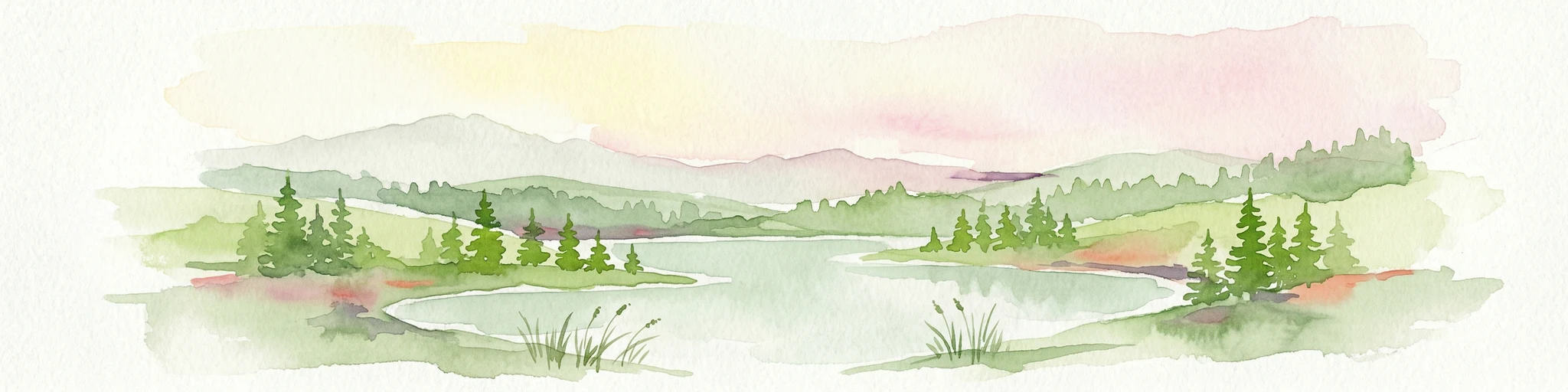
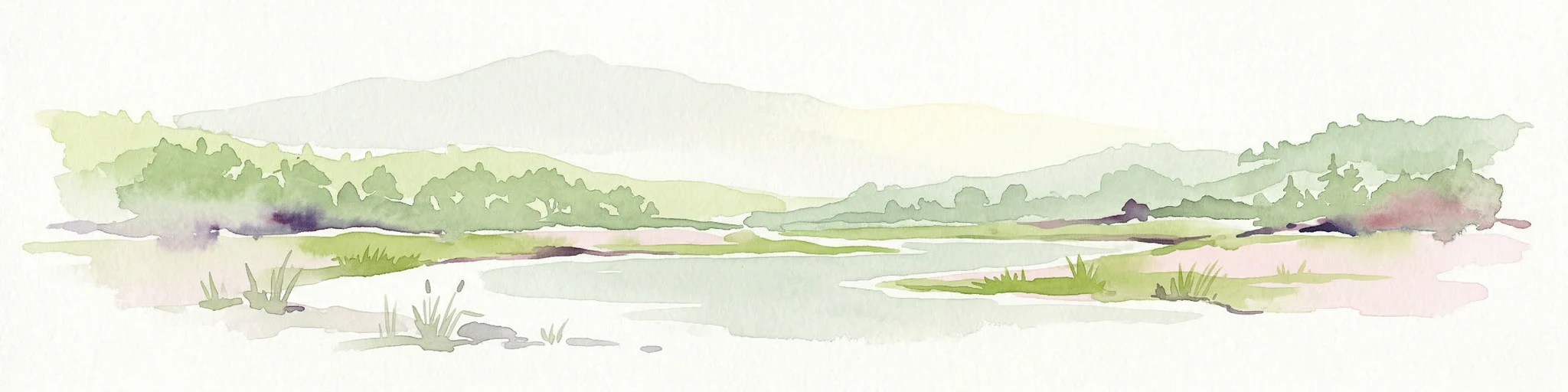
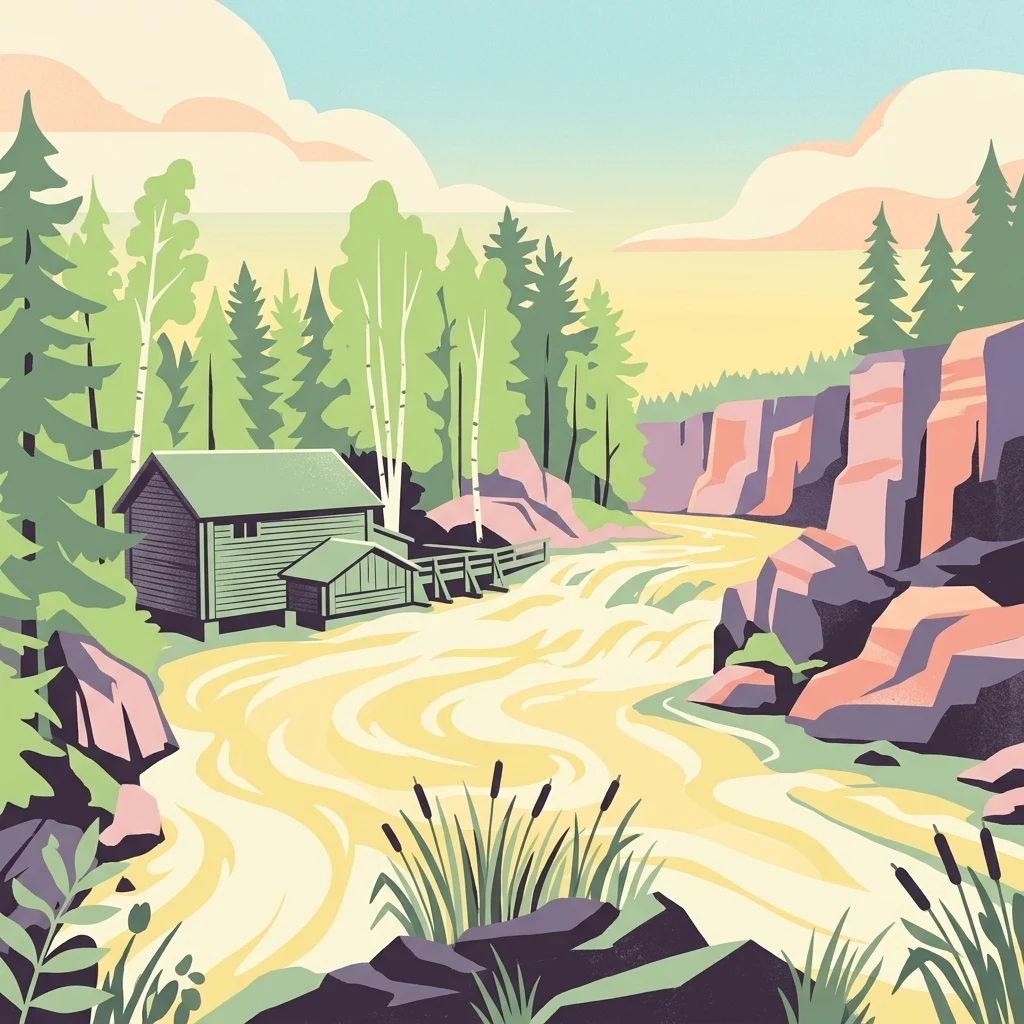
The landscape of Oulanka National Park is characterized by its dramatic combination of boreal forest, river valleys, and northern wetlands. Vast mires dominate the northern portions of the park, creating extensive peatland environments that are quintessential to northern Finnish nature. The park's heart contains old-growth pine forests that have never been logged, representing some of the most pristine boreal woodland in Finland. The Oulankajoki River and its tributaries have carved deep valleys through the terrain, creating rapids and falls surrounded by sandy banks and alluvial meadows. The terrain varies from gentle rolling hills to more rugged sections, with the landscape transitioning between different ecological zones as elevation and moisture conditions change. Near the Arctic Circle, the park experiences the characteristic seasonal rhythms of northern Finland, with winter bringing snow cover and summer offering extended daylight for exploration.
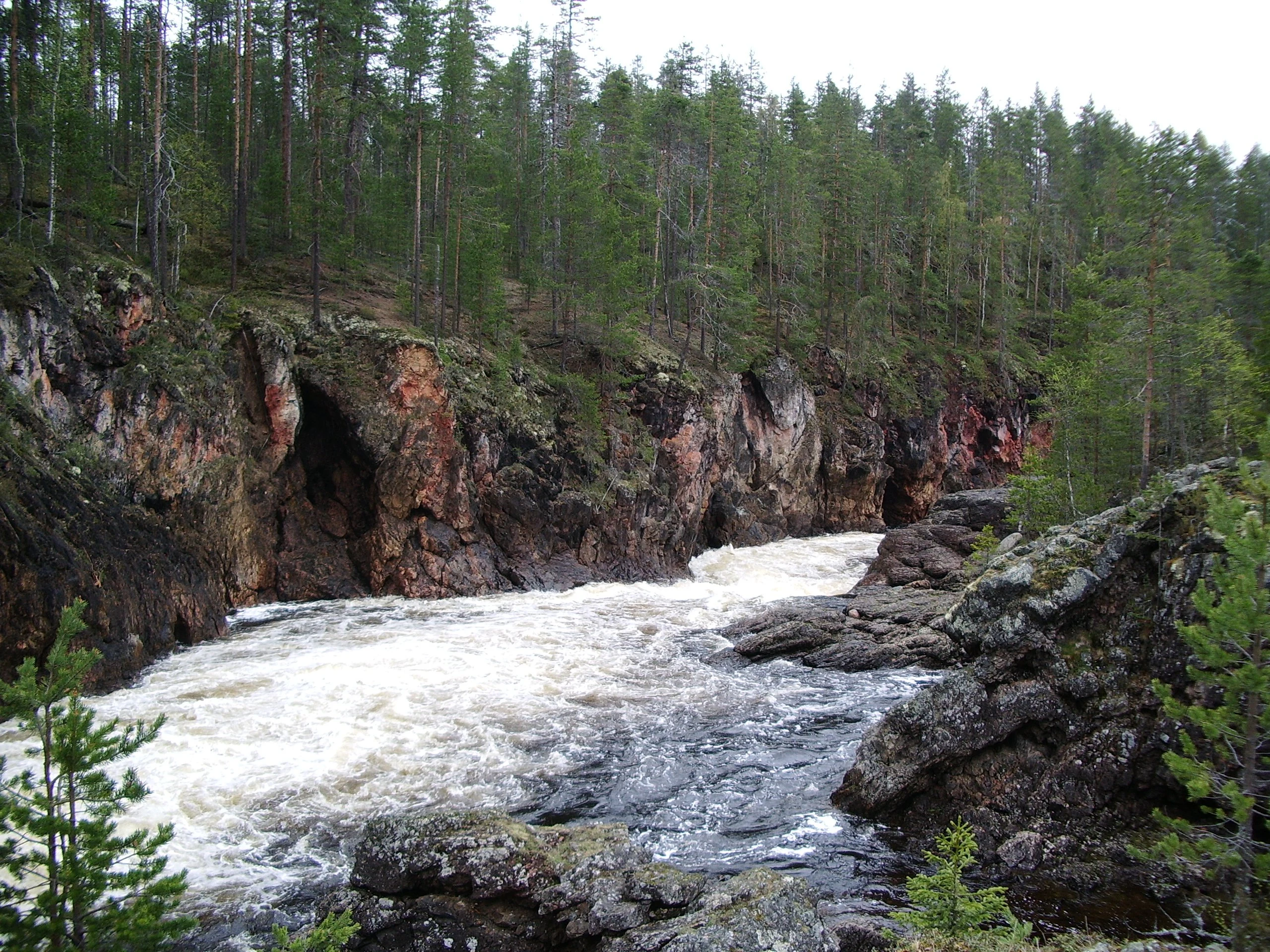
Oulanka National Park ecosystems, habitats, and plant life
Oulanka National Park protects an exceptional diversity of habitats and species, making it one of Finland's most ecologically significant protected areas. The park's nature represents a unique convergence of northern, southern, and eastern Finnish ecosystems. The old-growth pine forests are among the most untouched in Finland, protected from intensive reindeer herding by WWF recognition. These forests support a rich understory and provide habitat for species dependent on old-growth conditions. The river ecosystem with its rapids and sandy banks creates entirely different habitats, while the mires support specialized wetland species. The park contains over 500 vascular plant species, including rare orchids such as the Calypso, which is one of the most popular flowers in the area. The Oulanka River Valley served as an important dispersal route for species migrating from eastern Finland after the last ice age, explaining the presence of eastern species at their westernmost limits. The nutrient-rich soils support demanding flora that requires specific conditions found only in certain habitats within the park.
Oulanka National Park wildlife and species highlights
The wildlife of Oulanka National Park reflects its position near the Arctic Circle and its diversity of habitats. The park supports endangered large mammals including bear, lynx, and wolverine, which roam the forested areas and represent the apex of the park's ecological communities. Moose and other game species are also present, adding to the mammalian diversity. The bird population includes more than a hundred different species, with notable inhabitants such as the Siberian jay and capercaillie, both species associated with old-growth forest habitats. Riverbeds and alluvial meadows provide specialized habitat for rare butterfly species, demonstrating the park's invertebrate diversity. The park's position creates an interesting overlap between northern and southern species distributions, with numerous eastern Finnish species reaching their westernmost outposts within the park boundaries. This unique biogeographic position makes Oulanka particularly valuable for wildlife conservation and ecological study.
Oulanka National Park conservation status and protection priorities
Oulanka National Park holds significant conservation importance as one of Finland's oldest protected wilderness areas and as a model for sustainable nature management. The park was the first Finnish national park to achieve PAN Parks certification from the World Wide Fund for Nature in 2002, recognizing its exceptional wilderness quality and commitment to conservation. The old-growth pine forests are specifically protected from intensive reindeer herding through agreements with WWF, ensuring these unique ecosystems remain undisturbed. The park protects important habitat for endangered species including bear, lynx, and wolverine, maintaining viable populations of these ecologically important predators. The diverse habitats, from mires to river valleys to old-growth forests, create a comprehensive protected network that supports biodiversity at multiple levels. The Oulanka Research Center, established in 1966 and part of the Thule Institute, facilitates ongoing scientific research in biological and geological sciences, contributing to conservation knowledge. The park also protects unique geological features and serves as a reference area for understanding post-glacial species dispersal patterns in northern Europe.
Oulanka National Park cultural meaning and human context
The human cultural history of Oulanka National Park spans centuries and reflects the broader history of northern Finland. The first inhabitants were Sámi people, the indigenous people of Lapland, who lived in the area until Finnish settlers arrived at the end of the 17th century. This indigenous presence predates the modern protected area by many generations, and the Sámi connection to this landscape remains historically significant. Reindeer herding continues in and around the park, though it is regulated and allowed only for people from Lapland, maintaining traditional practices while protecting the park's ecological values. The tradition of free-access cabins maintained by the Finnish Tourist Association since the 1930s reflects Finland's unique relationship with wilderness and public access rights. Visitors are permitted to pick berries and mushrooms, following the Finnish right of public access to wilderness that allows people to enjoy natural resources while respecting the environment.
Top sights and standout views in Oulanka National Park
Oulanka National Park offers exceptional highlights for visitors seeking wilderness experiences. The Karhunkierros trail, Finland's most famous trekking route at 80 kilometres, traverses the park and remains accessible year-round, providing hikers with access to the park's most spectacular landscapes. The Oulankajoki River with its rapids and dramatic valley scenery represents the park's aquatic centerpiece, offering paddling opportunities and stunning views. The old-growth pine forests, among the most untouched in Finland, provide immersive wilderness experiences in environments that have remained essentially unchanged for centuries. The park's position near the Arctic Circle offers unique seasonal experiences, from summer's midnight sun to winter's snowy trails. The free, accessible wooden cabins scattered throughout the park enable multi-day wilderness adventures that connect visitors with Finland's traditional outdoor culture.
Best time to visit Oulanka National Park
Oulanka National Park offers distinct experiences across seasons, each with its own character and appeal. Summer, particularly late summer, brings the park to life with abundant bilberries, wild mushrooms, and flowering orchids including the famous Calypso. The extended daylight hours of the Finnish summer allow long days of exploration along the hiking trails. Autumn offers spectacular forest colors and continued foraging opportunities, while the crisp air reveals different aspects of the landscape. Winter transforms the park into a snowy wilderness, with activities like snowshoeing and skiing along maintained winter trails including the Rytisuo Snowshoeing Trail and the Oulanka Wilderness Trail from Juuma to Kiutaköngäs. The Karhunkierros trail remains accessible throughout the year, making any season viable for hiking the famous route. The park's popularity peaks during summer months, so those seeking quieter experiences might consider shoulder seasons.