Why Picos de Europa National Park stands out
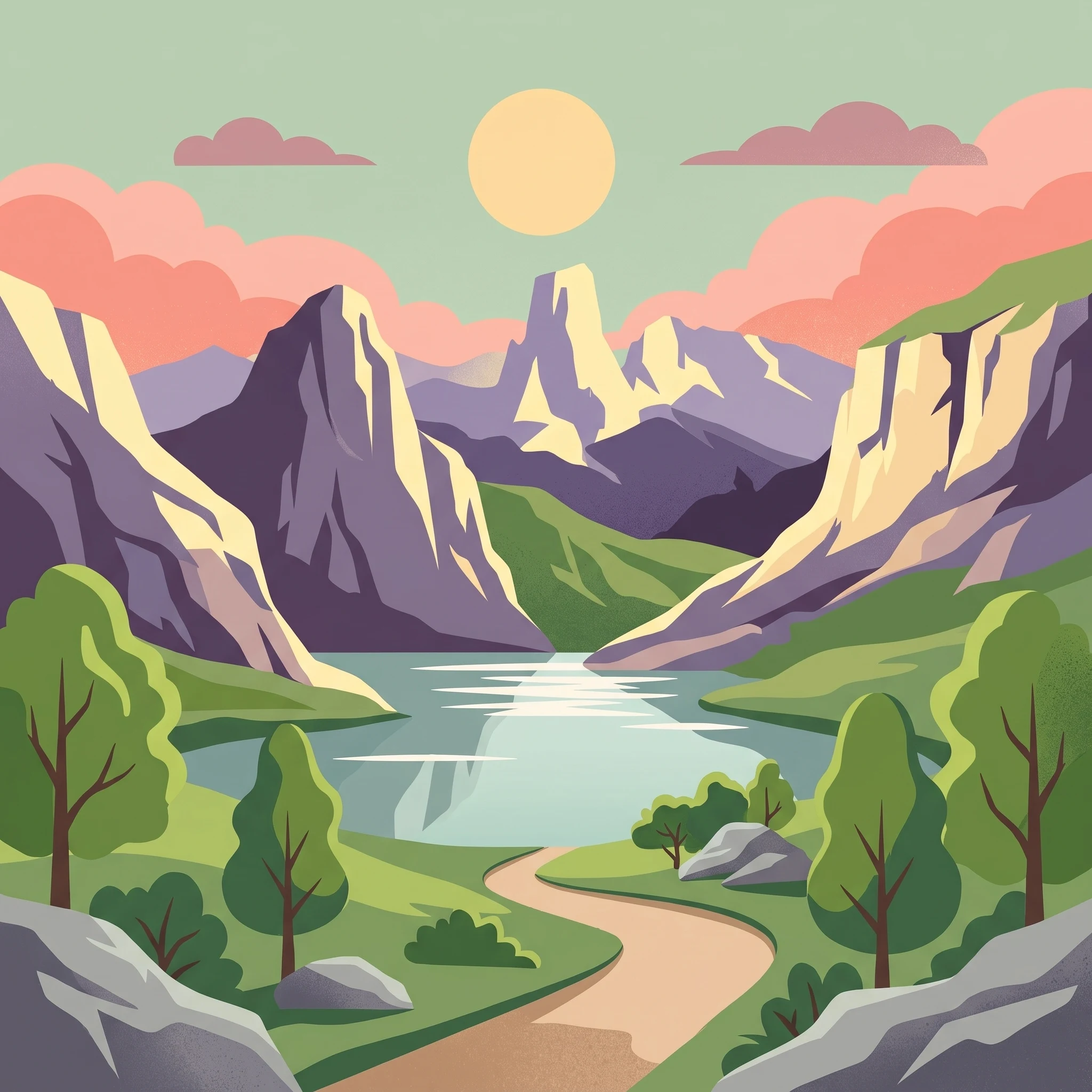
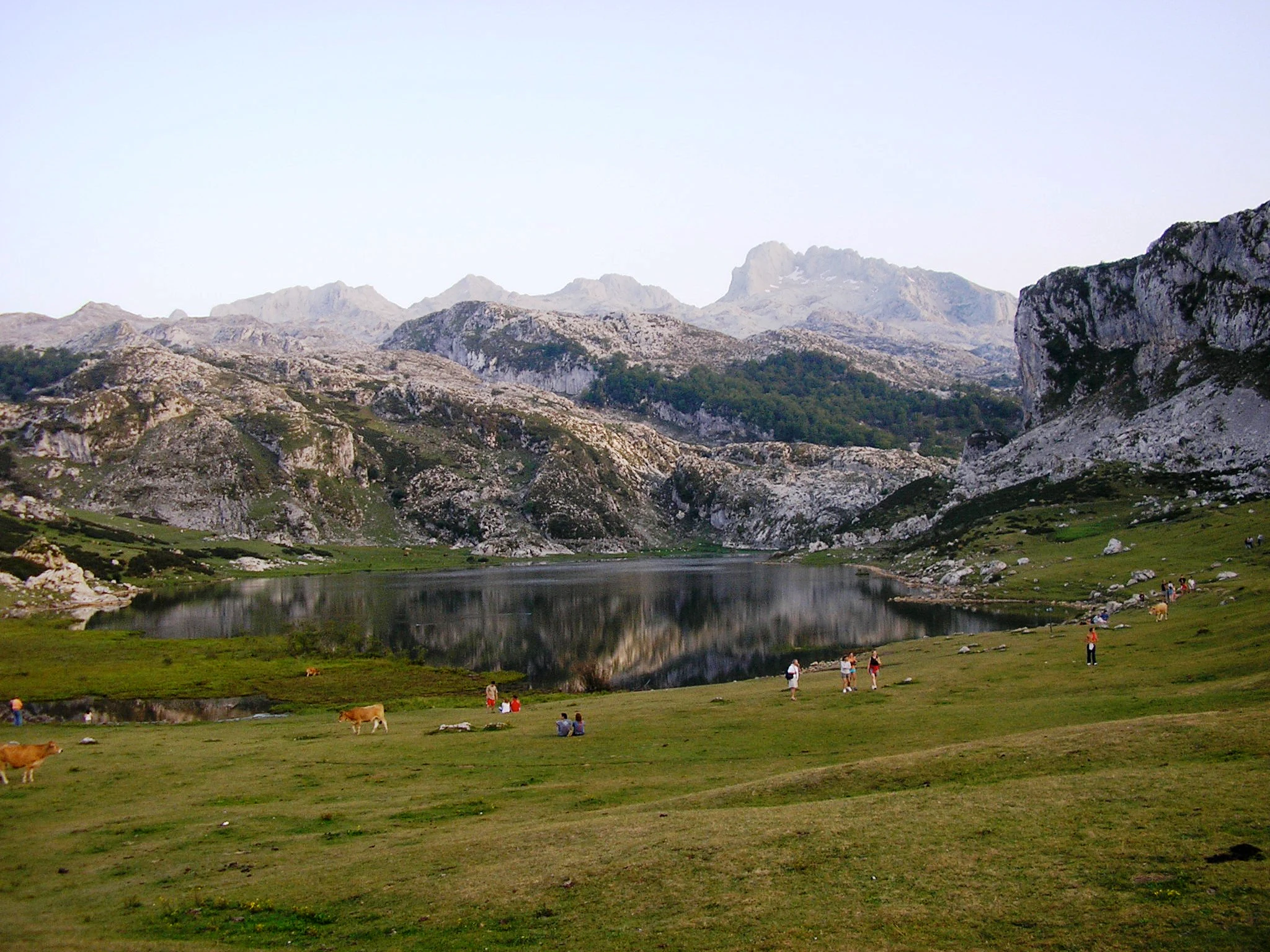
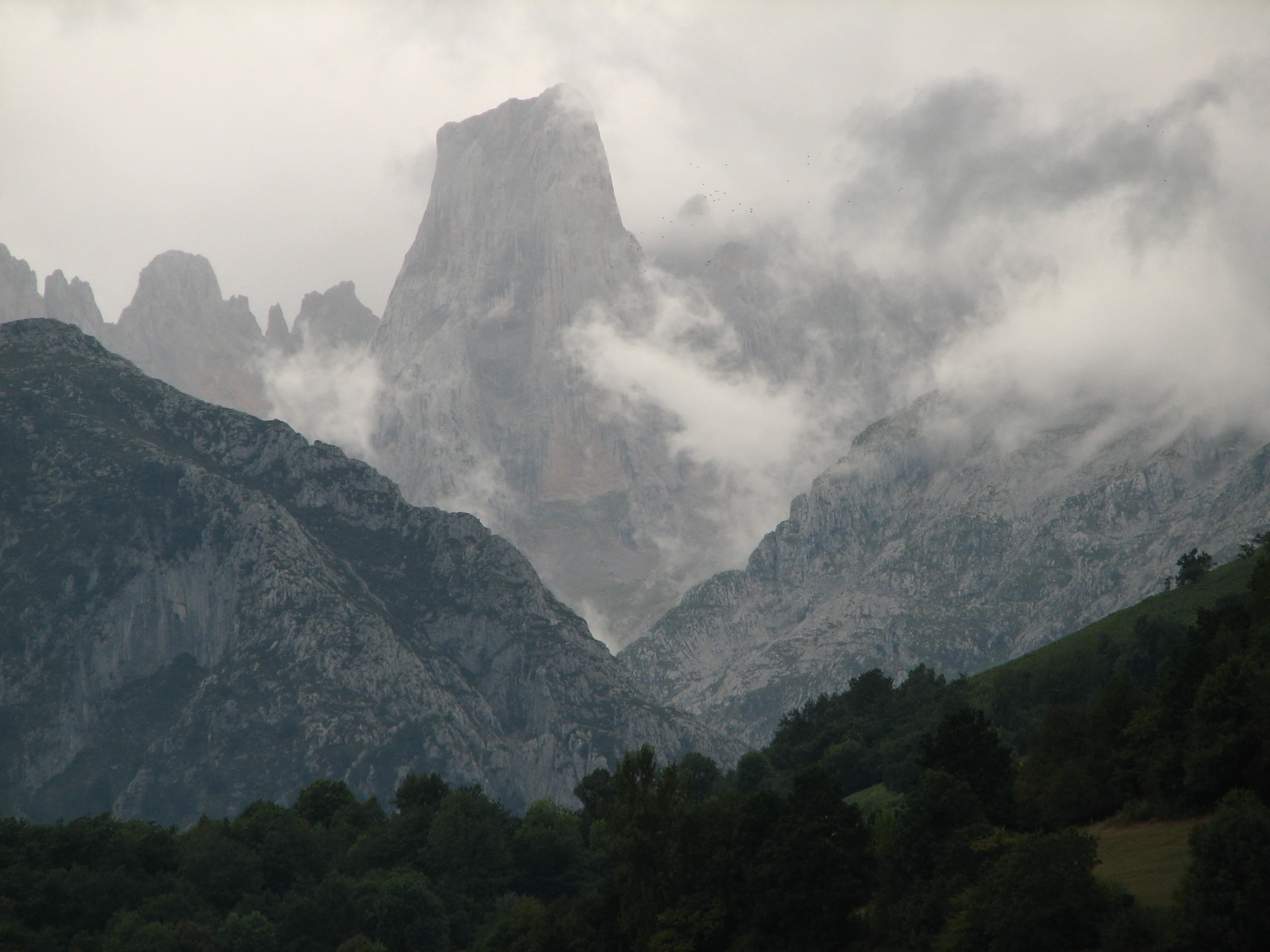
Picos de Europa is best known for its spectacular limestone mountain scenery, with dramatic peaks like the iconic Naranjo de Bulnes (Picu Urriellu) rising steeply above deep glacial valleys. The park protects some of the finest Atlantic forest in Europe, with extensive beech woods and the unique Monte Corona forest containing Europe's only native til trees. It is also famous for its population of Cantabrian chamois, the most representative animal of the park, which can be seen grazing on mountain slopes throughout the area. The Lakes of Covadonga, with their glacial origins and striking mountain backdrop, represent one of the most photographed sites in the Cantabrian Mountains.
Picos de Europa National Park history and protected-area timeline
Picos de Europa became Spain's first national park on July 22, 1918, when King Alfonso XIII signed the declaration creating what was initially called the Parque Nacional de la Montaña de Covadonga. The initiative came from Pedro Pidal, 1st Marquess of Villaviciosa de Asturias, who had been inspired by his visit to Yellowstone National Park in the United States. The original park covered 169.25 square kilometers centered on the Lakes of Covadonga, a sacred site in Spanish history where the Christian resistance against the Moorish conquest was said to have begun in the 8th century. On May 30, 1995, the park was substantially expanded to 646.60 square kilometers, and a further expansion on December 3, 2014, brought the total area to 671.27 square kilometers. In July 2003, UNESCO approved Biosphere Reserve status for the park, and it was inscribed as a UNESCO World Heritage Site in 2007 under the natural criterion (ix), with extensions added in 2011 and 2017. The park is notable for being part of a broader initiative to create a "Gran Cantábrica" super-reserve integrating several biosphere reserves in the Cantabrian Mountains.
Picos de Europa National Park landscape and geographic character
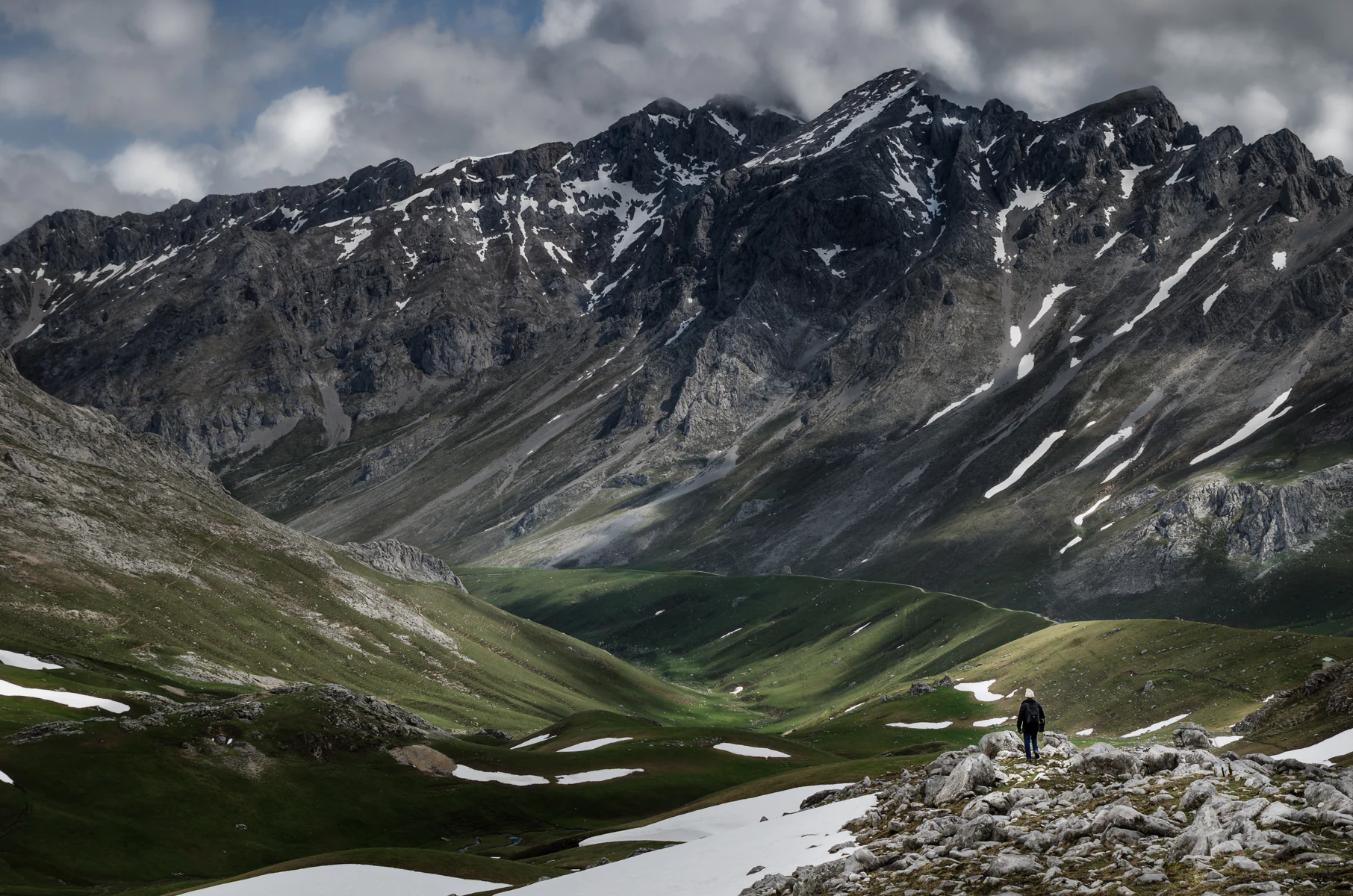
The landscape of Picos de Europa National Park is defined by its dramatic limestone formations, the largest karstic landscape in Atlantic Europe. The park encompasses three distinct massifs—the Western, Central, and Eastern—each characterized by steep rock faces, vertical cliffs, and some of the deepest sinkholes in the world. Glacial erosion has left a legacy of U-shaped valleys, cirques carved into the mountainsides, and terminal moraines marking the extent of ancient ice sheets. The most spectacular ravines include the Desfiladero de los Beyos and the Garganta del Cares, both among the most impressive gorges in Spain, where vertical walls rise hundreds of meters above rushing rivers. The park contains several glacial lakes, most famously the Lakes of Covadonga (Lago Enol and Lago Ercina), which sit in classic glacial cirques surrounded by towering peaks. The vertical relief is extraordinary—Torre de Cerredo rises to 2,648 meters while the Deva River valley dips to just 75 meters, creating a diversity of habitats from subalpine meadows to riverine forests within a relatively compact area. The northern slopes drop precipitously toward the sea in barely 10 kilometers, while the southern flanks descend more gradually toward the Castile and León plateau.
Picos de Europa National Park ecosystems, habitats, and plant life
The ecological richness of Picos de Europa stems from its position at the intersection of Atlantic and Mediterranean biogeographical zones, combined with the remarkable diversity of habitats created by its dramatic topography and elevation range. The park contains outstanding examples of Atlantic deciduous forest, with extensive beech (Fagus sylvatica) woodlands and Cantabrian Holm Oak (Quercus ilex subsp. rotundifolia) forests in the lower elevations. A particularly notable feature is Monte Corona in the Posada de Valdeón valley, which contains Europe's only native forest of til trees (Tilia), with the only other similar forests found in Japan. The variety of lithologies and the coexistence of temperate oceanic and sub-Mediterranean macrobioclimates create extraordinary plant diversity, with species representing Eurosiberian, Mediterranean, boreo-alpine, Atlantic-Macaronésian, and Mediterranean-Iranian distributions found within the park's boundaries. High mountain flora includes numerous endemic species adapted to the harsh alpine conditions, while the blend of ancient and modern forest types creates a complex mosaic of habitats supporting exceptional biodiversity.
Picos de Europa National Park wildlife and species highlights
Picos de Europa supports one of the most remarkable concentrations of wildlife in Europe, with the park containing representatives of virtually all Cantabrian fauna. The Cantabrian chamois (Rupicapra pyrenaica parva), known locally as rebeco, is the most emblematic animal of the park and appears in numerous sculptures throughout the area. The park is one of the last strongholds of the critically important Cantabrian brown bear (Ursus arctos arctos) and the Iberian wolf (Canis lupus signatus), two of Spain's most endangered carnivores. The bearded vulture (Gypaetus barbatus), once nearly extinct in the region, has been making a encouraging recovery with increasing sightings each year. The Cantabrian capercaillie (Tetrao urogallus cantabricus) inhabits the dense Beech forests, while the Spanish ibex (Capra pyrenaica victoriae) has been successfully reintroduced to the park. The extraordinary biodiversity statistics are striking—the park contains 82% of all Iberian Peninsula amphibians, 63% of reptiles, 72% of Spain's breeding bird species, and 88% of terrestrial mammals. This wealth of wildlife is supported by the traditional agro-pastoral landscape created by centuries of human activity, which has maintained a mosaic of forest, scrub, and grassland ideal for many species.
Picos de Europa National Park conservation status and protection priorities
Picos de Europa holds multiple protected area designations reflecting its exceptional conservation significance. As Spain's first national park, it carries historical importance in the country's environmental protection framework, and its UNESCO Biosphere Reserve status since 2003 recognizes its role in sustainable development and biodiversity conservation. The park is also designated as a Special Protection Area for Birds (ZEPA) and a Site of Community Importance (LIC) under the European Union's Natura 2000 network. The park protects some of the last remaining Atlantic forest in Europe and provides crucial habitat for endangered species including the Cantabrian brown bear, Iberian wolf, and bearded vulture. However, the park has faced management challenges, including controversy over hunting and fishing activities permitted in the Castile and León sector, which remains unique in Europe for allowing these practices within a national park. The lack of an approved Management and Use Plan (PRUG), with a previous plan suspended by Spain's Supreme Court, represents an ongoing governance concern for this iconic protected area.
Picos de Europa National Park cultural meaning and human context
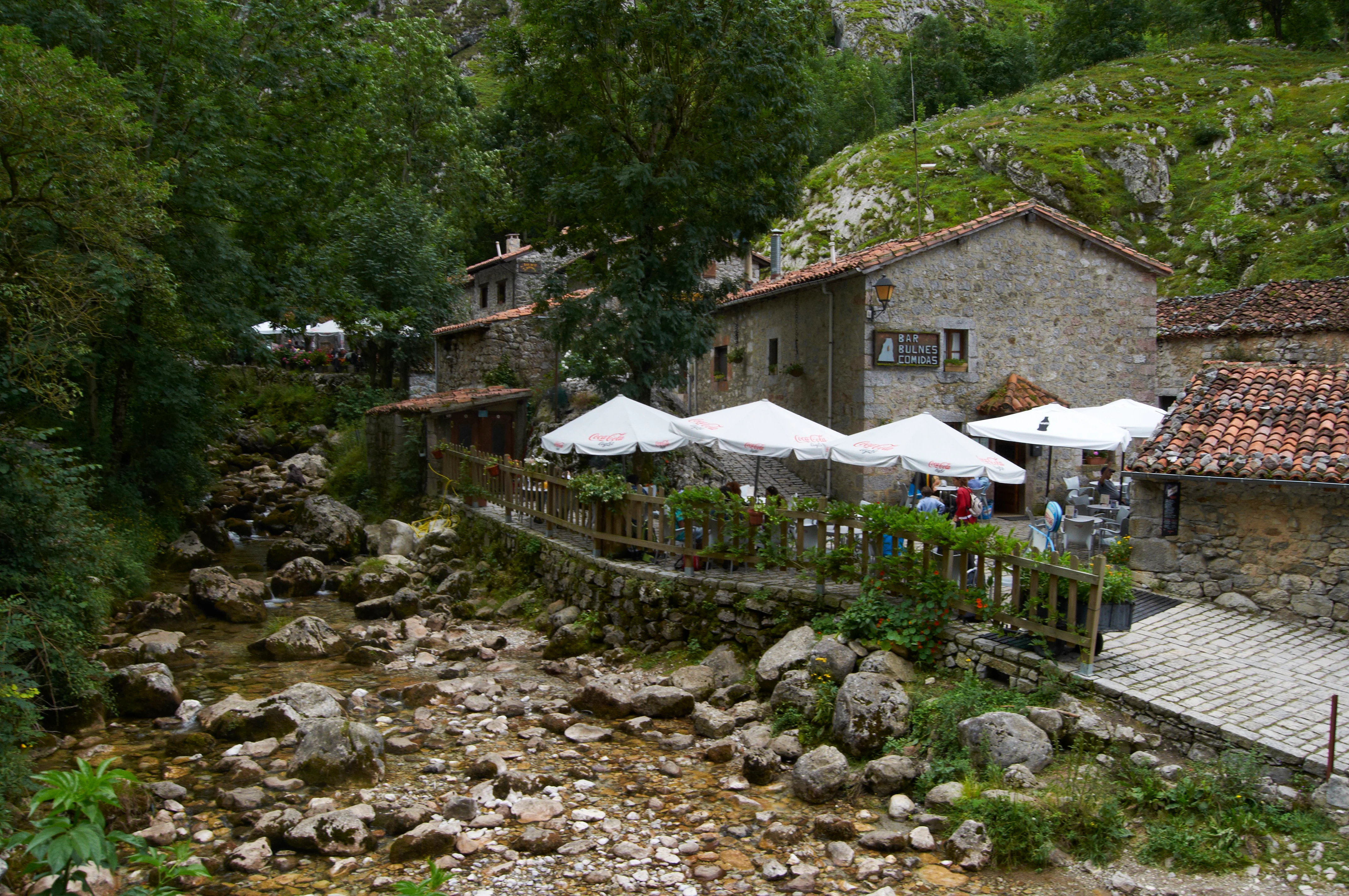
The landscape of Picos de Europa has been shaped by centuries of human activity, with the region holding deep historical and cultural significance in Asturias and Cantabria. The area is famous for Covadonga, the site where according to legend, the Christian leader Don Pelayo led the resistance against the Moorish invasion in the 8th century, a pivotal event in the Reconquista. The Santa Cueva de Covadonga, a sacred cave shrine, and the Basilica of Santa María la Real de Covadonga built above it remain important pilgrimage sites. The traditional pastoral economy has left its mark on the landscape through the network of "Reales Cañadas"—ancient transhumant routes used by shepherds moving their flocks between summer and winter pastures. Roman roads and medieval pathways cross the park, adding historical depth to the hiking experience. The park contains a rich ethnographic heritage including Romanesque and Baroque churches, traditional mills, blacksmiths, medieval towers, and traditional villages where local customs and gastronomy continue to reflect the region's rural heritage.
Top sights and standout views in Picos de Europa National Park
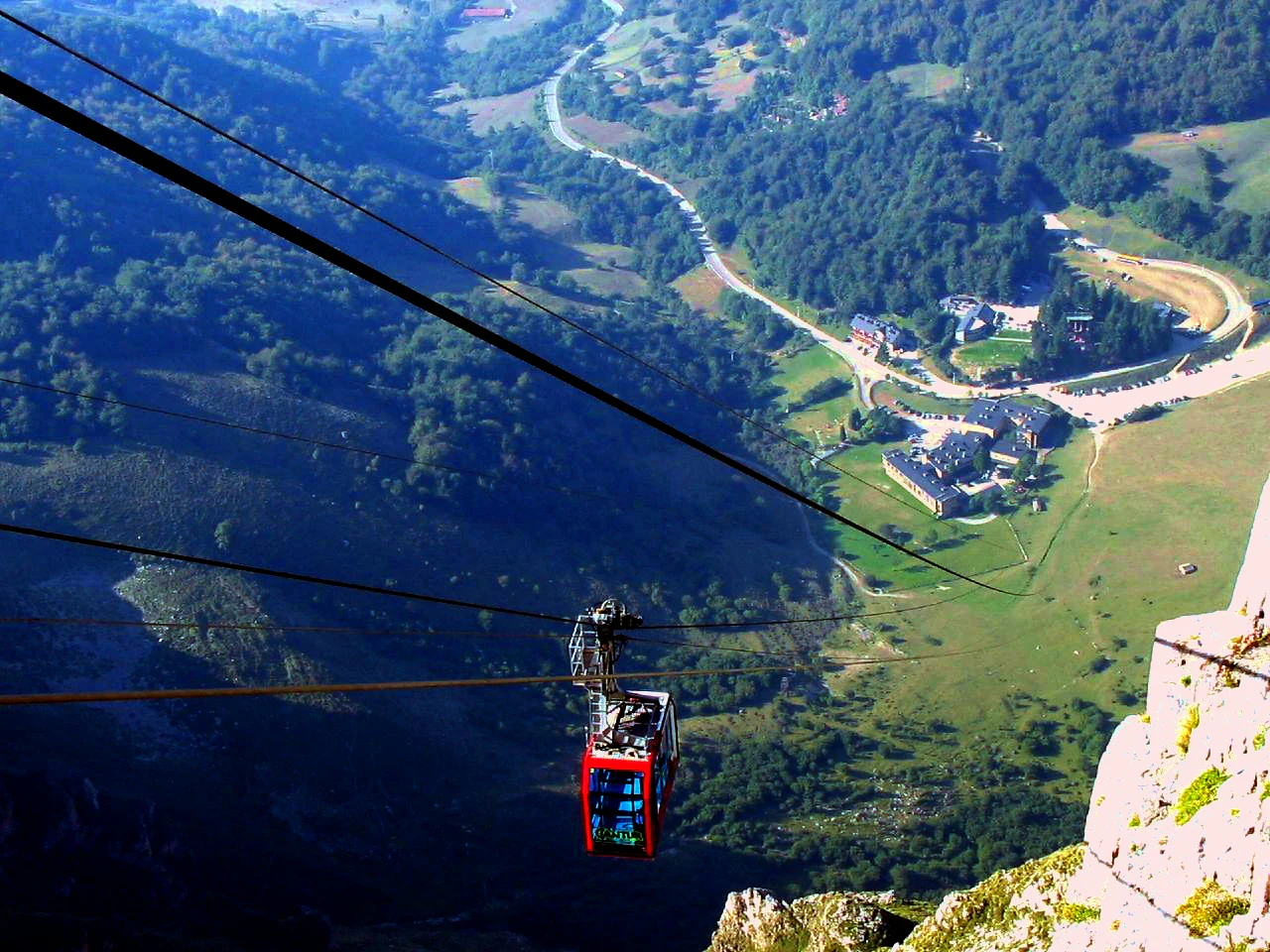
Picos de Europa offers exceptional diversity within a relatively compact area, from the dramatic limestone peaks of the Central Massif to the lush Atlantic forests of the valleys. The Lakes of Covadonga provide one of the most iconic views in Spain, with the twin glacial lakes set against a backdrop of sheer rock walls. The Naranjo de Bulnes (Picu Urriellu), a massive limestone tower rising vertically from the surrounding terrain, is one of the most famous peaks in Spain and a major challenge for climbers. The Cares Gorge (Garganta del Cares) offers one of the most spectacular ravine walks in Europe, with the path carved into vertical cliffs high above the river. The cable car at Fuente Dé provides dramatic access to high mountain terrain, ascending 753 meters in just four minutes to a viewpoint overlooking the Central Massif. The network of over 30 marked trails, including the historic GR-1 long-distance path, offers options for all abilities, from gentle valley walks to challenging high-mountain routes. The Cantabrian chamois can be observed throughout the park, particularly in the higher terrain, while lucky visitors may spot the bearded vulture soaring on thermal currents above the cliffs.
Best time to visit Picos de Europa National Park
The Picos de Europa can be visited year-round, though each season offers a distinctly different experience. Summer (June to September) brings the most stable weather and longest days, making it the peak season for hiking and mountaineering, though the park is also most crowded during July and August. Spring and autumn offer fewer visitors and the opportunity to experience the park in more tranquil conditions, with spring bringing wildflower displays in the meadows and autumn painting the beech forests in golden hues. Winter transforms the landscape into a stark alpine environment, with snow covering the higher peaks and frozen lakes, though access to some areas may be limited by winter conditions. The climate varies dramatically between the northern and southern aspects of the park due to the elevation range, with the northern slopes experiencing wetter conditions influenced by Atlantic weather systems. The lowest temperature ever recorded in Spain, -35.8°C, was registered in Vega de Liordes in January 2021, demonstrating the extreme conditions that can occur in the high mountains during winter.