Why Polesie National Park stands out
Polesie National Park is best known for its extensive wetland complexes and peat bogs, which form the core of the park's ecological identity. The park protects one of Poland's largest remaining areas of marshland and bog habitat, creating critical breeding and nesting grounds for waterfowl and migratory birds. The juxtaposition of wetland areas with pine forest stands on sand dunes creates a visually distinctive landscape uncommon in the Polish protected areas network.
Polesie National Park history and protected-area timeline
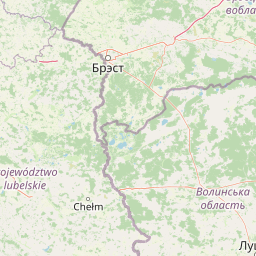
Polesie National Park was formally established in 1990 to protect the representative ecosystems of the eastern Polish portion of the Polesie region. The designation came at a time of growing recognition that the wetlands of eastern Poland represented some of the most ecologically valuable and endangered habitats in the country. Prior to protected status, the area had experienced limited agricultural development compared to other lowland regions of Poland, allowing large areas of natural habitat to survive. The park's creation reflected both ecological priorities and cultural recognition of the Polesie region's distinctive character.
Polesie National Park landscape and geographic character
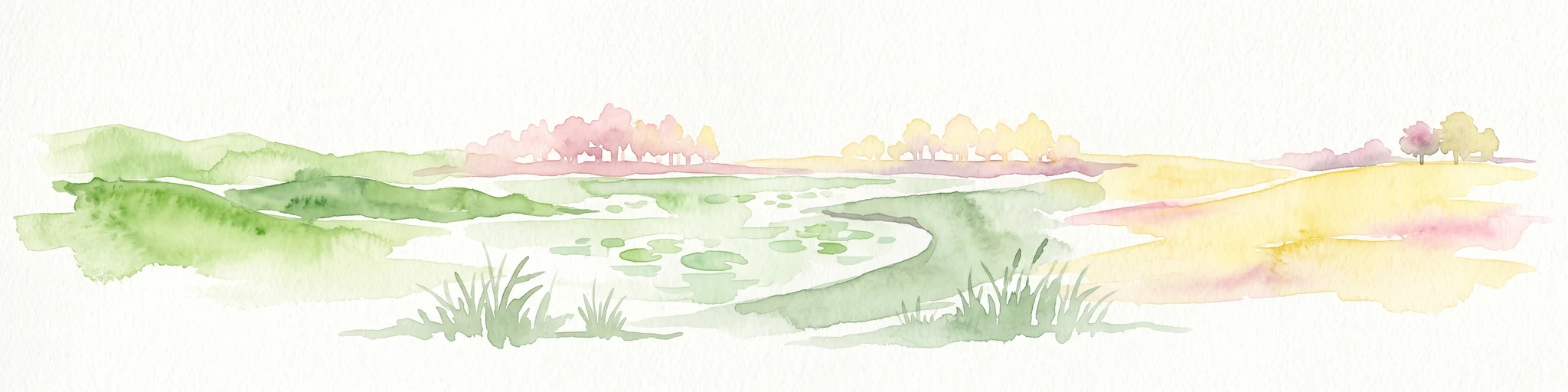
The landscape of Polesie National Park is characterized by its low-lying terrain shaped by glacial deposition, with sand dunes, peat bogs, and marshy depressions forming the dominant features. The park contains areas of pine forest growing on sandy soils that contrast sharply with the wetland corridors and open bog surfaces. Lakes and ponds dot the landscape, some formed in glacial kettle depressions while others represent remnants of river channels. The overall impression is of a remote, wild landscape that retains much of its natural character despite centuries of human presence in the surrounding region.
Polesie National Park ecosystems, habitats, and plant life
The park protects a complex of interconnected wetland habitats that represent some of the most valuable ecological areas in eastern Poland. Peat bogs of various ages and moisture levels dominate the wetland system, supporting distinctive vegetation communities adapted to acidic, waterlogged conditions. The surrounding pine forests grow on the drier sandy rises between wetland areas, creating a mosaic of habitat types that supports high biodiversity. The wetland nature of the park creates conditions favorable for numerous species that are rare or declining elsewhere in Poland.
Polesie National Park wildlife and species highlights
Polesie National Park provides crucial habitat for waterfowl and wetland birds, with the marsh and bog environments supporting breeding populations of species associated with aquatic habitats. The wetland complexes serve as important feeding and nesting areas during the breeding season, while also functioning as staging areas for migratory birds moving between northern breeding grounds and southern wintering areas. The forest edges and woodland areas support populations of larger mammals, though the park is not known for any particularly distinctive large mammal assemblages.
Polesie National Park conservation status and protection priorities
The park plays a significant role in protecting Poland's remaining lowland wetland heritage. The wetland ecosystems within the park are recognized for their importance in maintaining ecological processes including water cycling, nutrient filtering, and carbon storage in peat deposits. Conservation efforts focus on maintaining natural water levels and preventing the drainage or modification of wetland areas that would degrade the ecological character of the park. The protected status also helps preserve the traditional character of the landscape, which retains much of its wild quality.
Polesie National Park cultural meaning and human context
The Polesie region has a distinctive cultural identity rooted in its history as a peripheral borderland between major state formations. The area has historically been sparsely populated compared to other parts of Poland, with settlement concentrated in villages along the higher ground while the wetlands remained largely unused. This pattern of human settlement created conditions that incidentally preserved large areas of natural habitat, as the difficult terrain limited agricultural expansion. The regional identity remains tied to the wetland landscape and the traditions of the local communities who have lived in proximity to these wild areas.
Top sights and standout views in Polesie National Park
The park's primary ecological value lies in its extensive wetland complexes, which are among the largest remaining in Poland's lowlands. The combination of peat bogs, marshes, and forest-covered dunes creates a distinctive landscape that differs markedly from the agricultural countryside surrounding the protected area. Birdlife is a particular highlight, with the wetlands supporting breeding populations and migratory stopovers for numerous species. The sense of remoteness and wildness remains a defining characteristic of the park experience.
Best time to visit Polesie National Park
The park can be visited throughout the year, though spring and early summer offer the most active wildlife viewing opportunities as birds breed and the wetland vegetation becomes lush. Autumn provides a different character as the bog vegetation takes on autumn colors and fewer visitors are present. Winter exposes the landscape structure more clearly as the wetlands freeze and the deciduous elements become bare, though access may be more limited. The timing of visits should be guided by the specific activities and experiences sought rather than any particularly restricted access periods.