

Mori Atlas logo
National parkRundle Range National Park

Understand the mapped boundaries and regional context of this protected area within Queensland.

Rundle Range National Park: Queensland's National Park Protected Landscape and Geography

Rundle Range National Park stands as a significant protected natural area within Queensland, Australia. This page serves as a dedicated gateway to understanding its specific geographic footprint and protected landscape identity. Users can explore its mapped boundaries and appreciate its contribution to the regional geography, offering a detailed view for atlas-driven discovery.

Brigalow BeltCentral QueenslandProtected WoodlandBirdwatchingQueensland ParksAustralian National Parks

Rundle Range National Park

National park

Park overview

Structured park overview, official facts, and landscape profile for Rundle Range National Park

Rundle Range National Park park facts, protected area profile, and essential visitor context
Review the core facts for Rundle Range National Park, including designation, size, terrain, visitor scale, habitats, and operating context in one park-focused overview.

About Rundle Range National Park

Rundle Range National Park preserves a meaningful example of brigalow belt woodland in Central Queensland, a bioregion that has experienced extensive clearing for agricultural development. The park's position within both the Calliope River and Fitzroy River drainage basins reflects its role in protecting watershed integrity in this part of Queensland. While the surrounding landscape has been largely converted to grazing and cropping land, the protected area maintains patches of native vegetation that support biodiversity values disproportionate to its relatively modest 21.70 square kilometer area. The Queensland Parks and Wildlife Service manages the park as part of the state's protected area network, ensuring the preservation of these woodland communities for future generations.

Quick facts and research context for Rundle Range National Park

Rundle Range National Park is located in Central Queensland near Mount Larcom, covering 21.70 square kilometers of protected terrain within the Brigalow Belt bioregion. The park was established in 1993 and is managed by Queensland Parks and Wildlife Service. It protects portions of both the Calliope River and Fitzroy River drainage basins, preserving representative examples of brigalow woodland ecosystems in a region that has otherwise been significantly modified by human activity.

Park context

Deeper park guide and search-rich context for Rundle Range National Park

Rundle Range National Park history, landscape, wildlife, and travel context
Explore Rundle Range National Park through its history, landscape character, ecosystems, wildlife, conservation priorities, cultural context, and seasonal travel timing in a structured park guide built for atlas discovery and search intent.

Why Rundle Range National Park stands out

Rundle Range National Park is best known for its protection of brigalow belt ecosystems, which represent one of Australia's most modified bioregions. The park provides crucial habitat for two notable threatened bird species: the glossy black-cockatoo and the southern squatter pigeon. These species depend on the intact woodland remnants within the park, making it an important conservation asset in Central Queensland's fragmented landscape.

Rundle Range National Park history and protected-area timeline

Rundle Range National Park was established in 1993 as part of Queensland's expanding protected area network. The creation of the park represented recognition of the conservation values present in this section of the Brigalow Belt, a bioregion that had suffered significant habitat loss through the twentieth century. The Brigalow Belt, once covered in extensive brigalow acacia woodlands, has been heavily cleared for agriculture, leaving remaining patches of intact vegetation as critical refuges for native species. The park's establishment provided formal protection for these woodland communities and the wildlife habitats they contain.

Rundle Range National Park landscape and geographic character

The landscape of Rundle Range National Park consists of rolling terrain within the broader Brigalow Belt bioregion of Central Queensland. The area falls within the drainage basins of both the Calliope River and Fitzroy River systems, indicating its position within Queensland's extensive river network. The terrain supports brigalow woodland communities, with the vegetation structure reflecting the park's location in a transitional zone between Queensland's coastal and inland environments. The landscape represents a relatively undulating setting compared to the more dramatic mountain ranges found elsewhere in Queensland.

Rundle Range National Park ecosystems, habitats, and plant life

The Brigalow Belt bioregion, within which Rundle Range National Park is situated, represents one of Australia's most ecologically modified landscapes, making the protected areas within it particularly significant. The park preserves representative examples of brigalow woodland, a vegetation type dominated by Acacia harpophylla (brigalow) that once covered extensive areas of inland Queensland. These woodlands provide important habitat structure and resources for a range of native species, particularly bird communities. The protection of these remnants within the park contributes to the broader conservation of the bioregion's biodiversity, even though the overall area protected is relatively small.

Rundle Range National Park wildlife and species highlights

Rundle Range National Park provides habitat for two rare or threatened bird species that highlight its conservation significance. The glossy black-cockatoo (Calyptorhynchus lathami) is a distinctive Australian parrot that depends on suitable woodland habitat for nesting and feeding. The southern squatter pigeon (Geophaps scripta) is a ground-dwelling bird species that inhabits grassy woodland environments. The presence of these species within the park underscores the importance of preserving intact woodland remnants in the Brigalow Belt, where much of the original habitat has been cleared. These threatened birds represent the park's most significant wildlife values, serving as indicators of broader ecosystem health.

Rundle Range National Park conservation status and protection priorities

Rundle Range National Park contributes to the conservation of the Brigalow Belt bioregion, one of Australia's most endangered ecosystems. The park preserves woodland habitat in a region where the majority of the original vegetation has been removed for agricultural purposes. Its role in protecting habitat for the glossy black-cockatoo and southern squatter pigeon, both species of conservation concern, gives the park significance beyond its modest area. The protected area functions as a conservation remnant that maintains ecological connections and supports biodiversity in a heavily modified landscape.

Rundle Range National Park cultural meaning and human context

The park does not have prominent documented cultural context in the available source material regarding indigenous heritage or historical human use. The Brigalow Belt region has been subject to European pastoral expansion and subsequent agricultural development, but specific historical details related to the Rundle Range area are limited in the current source.

Top sights and standout views in Rundle Range National Park

The park's standout features include its protection of intact brigalow woodland in a bioregion that has lost most of its original vegetation, habitat for two threatened bird species, and its position spanning two major river drainage basins. The glossy black-cockatoo and southern squatter pigeon represent the park's most notable wildlife values, drawing attention from birdwatchers and conservation interests. The park offers a representative example of Central Queensland woodland ecosystems that would otherwise be absent from the protected area estate in this region.
Park location guide

Geography guide, regional context, and park location map for Rundle Range National Park

Rundle Range National Park park geography, regions, and map view in Australia
Understand where Rundle Range National Park sits in Australia through a broader geographic reading of the surrounding landscape, nearby location context, and its mapped position within the national park landscape.

How Rundle Range National Park fits into Australia

Australia is a constitutional monarchy and federal parliamentary democracy comprising six states and ten territories. With a population of nearly 28 million, it is one of the world's most urbanised countries, with most people concentrated on the eastern seaboard. The country has a high Human Development Index and is known for its cultural diversity, ancient Aboriginal heritage, and unique wildlife.

Wider geography shaping Rundle Range National Park in Australia

Australia occupies the entire Australian continent, the island of Tasmania, and numerous smaller islands. It is the world's flattest and driest inhabited continent, featuring vast deserts in the interior (the Outback), tropical rainforests along the eastern coast, and a coastline bordering the Indian and Pacific Oceans.

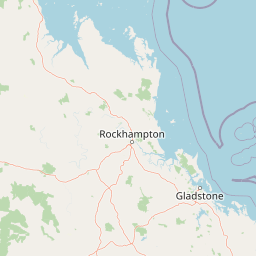
Map view of Rundle Range National Park

Use this park location map to pinpoint Rundle Range National Park in Australia, understand its exact geographic position, and read its mapped placement within the surrounding landscape more clearly.

Pigeon | © OpenStreetMap contributors

Location context for Rundle Range National Park

Queensland
Park atlas

Trace the regional spread of conservation landscapes and compare protected areas across Central Queensland's Brigalow Belt bioregion.

Other National Parks and Protected Areas Near Rundle Range National Park, Central Queensland
Browse additional national parks and protected areas near Rundle Range National Park, mapping the spread of conservation landscapes across Central Queensland's Brigalow Belt bioregion. Compare diverse woodland ecosystems and significant wildlife habitats, furthering your understanding of protected terrain in Australia.
National parkQueensland

Curtis Island National Park: National Park Protected Area in Queensland, Australia

Explore its mapped landscape and regional geography.

Curtis Island National Park is a designated national park offering a distinct protected landscape within Queensland, Australia. This atlas-focused entry details its geographic setting and mapped boundaries, providing essential context for understanding its place within the natural terrain of northeastern Australia. It serves as a key reference for exploring the park's specific regional geography and protected-area identity.

Area
15.5 km²
Established
1909
IUCN
II
Relief
Lowland
National parkQueensland

Wild Cattle Island National Park: Queensland National Park and Protected Landscape Discovery

Mapped boundaries and regional geographic context for exploration.

Wild Cattle Island National Park, situated in Queensland, Australia, is identified as a national park focused on preserving its natural landscape. This page provides a detailed view of its protected area status and geographic placement within the broader Australian context. Users can explore the park's specific mapped boundaries and its relation to Queensland's diverse terrain, supporting structured discovery for those interested in protected lands and their regional atlas representation.

Area
5.8 km²
Established
1992
IUCN
II
Relief
Lowland
National parkQueensland

Mount Archer National Park: Queensland National Park Geography and Protected Landscape

Mapped boundaries and regional terrain discovery in northeastern Australia.

Mount Archer National Park is a designated national park contributing to the protected landscape mosaic of Queensland, Australia. This entry provides a focused look at its geographic attributes, mapped outlines, and its significance within the state's natural geography. Users exploring this protected area can gain insight into its specific landform characteristics and its role within the structured discovery offered by MoriAtlas for understanding Australia's conservation network.

Area
36.1 km²
Established
1994
IUCN
II
Relief
Mountain
National parkQueensland

Baga National Park: Unique Volcanic Geography and Protected Landscape in Queensland

Mapped terrain and protected area identity for a distinctive national park.

Baga National Park stands as a notable protected area in central Queensland, Australia, centered around the striking Mount Baga, a trachyte volcanic plug. This geological marvel offers a unique landscape context, showcasing the remnants of ancient volcanic activity within the regional geography. As a national park, it serves to preserve this distinctive natural feature and its associated habitats, providing a compact yet significant destination for atlas-based discovery of Queensland's diverse protected lands.

Area
1.44 km²
Established
1977
IUCN
II
Relief
Mountain
National parkShire of Livingstone

Capricorn Coast National Park: Mapped Protected Area and Regional Geography

Explore its geographic setting within Shire of Livingstone.

Capricorn Coast National Park is a key protected landscape offering significant geographic detail for atlas exploration. Situated within the Shire of Livingstone, this national park's mapped boundaries and regional context are crucial for understanding its role as a protected natural area. Delve into the specific geography that shapes this Australian park and its contribution to conservation landscapes.

Area
1.14 km²
Established
1992
IUCN
II
Relief
Lowland
National parkQueensland

Castle Tower National Park: Queensland National Park with Granite Peaks and Woodland

Mapped terrain and protected landscape in the Gladstone Region.

Castle Tower National Park in Queensland represents a significant protected natural area characterized by striking granite peak formations and expansive eucalypt woodlands. Established in 1932, the park's rugged terrain, including Mount Stanley, offers a unique geographic perspective within Central Queensland. This national park provides an opportunity to explore its mapped boundaries and distinctive landscape context, distinguishing it as a notable protected area in the Gladstone Region.

Area
49.8 km²
Established
1932
IUCN
II
Relief
Mountain
National parkQueensland

Keppel Bay Islands National Park: Queensland's Coastal National Park and Archipelago Discovery

Explore protected islands, mapped coral reefs, and marine ecosystems.

Delve into the geographic identity of Keppel Bay Islands National Park, a significant protected area comprising thirteen islands off the coast of Queensland. This national park showcases a dynamic coastal landscape, featuring distinct island terrains, diverse marine life, and essential coral reef systems. Through its mapped boundaries and conservation focus, the park offers a unique lens for understanding island geography and the importance of marine protected areas within the broader Australian atlas.

Area
7.2 km²
Established
1994
IUCN
II
Relief
Lowland
Watercolor illustration showing a landscape with hills, trees, and distant mountains under a light sky
National parkQueensland

Mount Etna Caves National Park: Queensland National Park Protected Landscape and Map

Explore the geographic boundaries and natural terrain of this Australian park.

Mount Etna Caves National Park is a protected national park located in Queensland, Australia. This page facilitates an atlas-style discovery of its geographic features and mapped boundaries. Understand how this protected landscape contributes to the regional geography of northeastern Australia, providing essential context for cartographic and geographic exploration.

Area
4.78 km²
Established
1994
IUCN
II
Relief
Lowland

Common questions about visiting, size, designation, and location context for Rundle Range National Park

Rundle Range National Park FAQs for park facts, access, geography, and protected area context
Find quick answers about Rundle Range National Park, including protected-area facts, park geography, trail and visitor context, and how the park fits into its surrounding country and regional landscape.
MoriAtlas Explorer

Continue Your Protected Areas Search Across the Global Atlas

Deepen your exploration by continuing the structured search for national parks and protected areas worldwide. Utilize the comprehensive filtering capabilities to compare different conservation landscapes and refine your understanding of global park geography. Discover more about the distribution and characteristics of protected natural areas.

Global natural geography