Why Sanriku Fukkō National Park stands out
Sanriku Fukkō National Park is best known for its spectacular sea-eroded coastal landscapes, particularly the dramatic rock pillars and islands that define the Sanriku Coast. The northern portion features the impressive Kita Yamazaki cliffs, an 8-kilometer-long and 200-meter-high wall of rock nicknamed the "Alps of the Sea" for its mountainous appearance rising from the ocean. The park protects significant populations of black-tailed gulls that nest at locations like Kabushima, as well as shearwater colonies and occasional Japanese serow sightings in the higher terrain. The park's identity is inseparable from the 2011 disaster and subsequent recovery efforts, making it both a natural reserve and a symbol of regional reconstruction. Notable scenic locations include Jōdogahama, Goishi Coast, and Kinkasan island.
Sanriku Fukkō National Park history and protected-area timeline
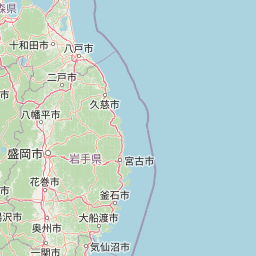
The protected area history of Sanriku Fukkō National Park traces back to 2 May 1955 when Rikuchū Kaigan National Park was originally established in the Tōhoku region, extending 180 kilometers along the Pacific coastline from northern Miyagi Prefecture to northern Iwate Prefecture with an original area of 121.98 square kilometers. This earlier park protected the coastal landscapes that local communities had long valued for their scenic beauty and ecological significance. The transformation into Sanriku Fukkō National Park occurred on 24 May 2013, directly following the unprecedented devastation of the 2011 Tōhoku earthquake and tsunami, which struck the Sanriku Coast with catastrophic force. The park's redesignation reflected both the need to expand protection for the recovering coastline and to create a symbol of regional reconstruction. In March 2015, the Ministry of the Environment further expanded the park to include the former Minami Sanriku Kinkasan Quasi-National Park, and additional extensions are planned to incorporate several more prefectural natural parks including Kesennuma, Kenjōsan Mangokuura, and Matsushima Prefectural Natural Parks.
Sanriku Fukkō National Park landscape and geographic character
The landscape of Sanriku Fukkō National Park is defined by the dynamic interaction between the Pacific Ocean and the mountainous Japanese coastline, creating two distinct coastal characters within its boundaries. The northern section around Iwate Prefecture represents an uplifted coastline, where tectonic activity has raised marine terraces and steep cliffs above sea level. This area has experienced multiple powerful earthquakes and tsunami throughout history, with the 2011 disaster being the most recent of many events that have shaped both the terrain and the human communities along the coast. The southern portion around Miyagi Prefecture exemplifies a ria coastline, where submerged river valleys have created deep inlets, narrow peninsulas, and numerous small bays and coves. Throughout the park, sea erosion has produced remarkable geological features including rock pillars, isolated islands, and dramatic cliff faces. The most impressive feature is Kita Yamazaki in the northern park, an 8-kilometer-long wall of cliffs rising 200 meters from the ocean, often called the "Alps of the Sea" for its towering, mountain-like presence against the water.
Sanriku Fukkō National Park ecosystems, habitats, and plant life
The nature of Sanriku Fukkō National Park centers on its coastal ecosystems and the hardy vegetation that thrives along this exposed Pacific shoreline. The park's flora includes characteristic species adapted to maritime conditions, with groves of Japanese red pine (Pinus densiflora) providing backbone forest coverage on slopes and headlands. Rhododendrons bloom seasonally along the coastal cliffs, adding color to the rocky landscape, while Rosa rugosa occupies coastal margins and disturbed areas. The marine environment supports productive ecosystems where the cold Pacific currents bring nutrient-rich waters to the coast. The transition from northern uplifted coast to southern ria coast creates habitat diversity, with rocky shores, sandy beaches, tidal zones, and offshore islands each supporting different communities. The park's establishment as a reconstruction project following the 2011 disaster also reflects a commitment to ecological recovery alongside human recovery, recognizing that the health of the coastline's natural systems is integral to regional resilience.
Sanriku Fukkō National Park wildlife and species highlights
The wildlife of Sanriku Fukkō National Park is characterized by significant seabird populations that nest on the coastal cliffs and islands throughout the park. Black-tailed gulls represent one of the most notable species, with Kabushima serving as a particularly important large breeding ground where thousands of these birds gather seasonally. Shearwaters also nest in the park, utilizing burrows in coastal grasslands and slopes. These seabird colonies contribute to the ecological character of the coastline and attract attention from birdwatchers visiting the region. In terms of larger mammals, Japanese serow (kamoshika) have been sighted within the park, particularly in the more vegetated hilly areas away from the immediate coast. The marine environment supports various fish species and marine mammals that depend on the coastal waters, though specific cetacean populations are not extensively documented in the source material. The cliff ecosystems provide nesting habitat for raptors and other birds that prey on the abundant seabird colonies.
Sanriku Fukkō National Park conservation status and protection priorities
Sanriku Fukkō National Park holds significance beyond typical nature protection as a park created specifically to advance both ecological restoration and regional recovery following the 2011 Tōhoku disaster. The park's designation in 2013 represented a commitment to protecting the Sanriku Coast's natural assets as part of broader reconstruction efforts, integrating environmental conservation with community resilience. IUCN categorizes the park as Category II (National Park), reflecting its primary purpose of protecting outstanding natural landscapes and enabling sustainable recreation. The expansion in 2015 to include former Minami Sanriku Kinkasan Quasi-National Park demonstrated the ongoing commitment to strengthening protection along this coastline. The continued incorporation of additional prefectural natural parks into the national park system reflects a systematic approach to coastal conservation in the region. The park also includes designated Places of Scenic Beauty such as Jōdogahama, acknowledging the cultural and aesthetic value of the coastline alongside its ecological importance.
Sanriku Fukkō National Park cultural meaning and human context
The Sanriku Coast has a long human history intertwined with its dramatic landscape, where coastal communities have developed around fishing, maritime trade, and relationship with the sea. The 2011 Tōhoku earthquake and tsunami profoundly shaped the region's contemporary identity, with the park's "Fukkō" (reconstruction) designation directly referencing this recent history. The coastline features numerous locations of historical and cultural significance, including the famous Miracle ipponmatsu (Takata-matsubara) at Rikuzentakata, a pine tree that survived the tsunami and became a symbol of hope. The coastal geography with its ria coastline and natural harbors supported the development of fishing communities and port towns throughout the historical period. Religious and spiritual connections to the coastline are evident in places like Kinkasan island, which has been a site of pilgrimage. The landscape's nickname as the "Alps of the Sea" reflects how local communities have long perceived and valued these dramatic coastal formations.
Top sights and standout views in Sanriku Fukkō National Park
The highlights of Sanriku Fukkō National Park center on its exceptional coastal scenery and the story of regional recovery that defines its identity. The dramatic cliffs of Kita Yamazaki, rising 200 meters along an 8-kilometer stretch, represent the park's most impressive geological feature and embody the "Alps of the Sea" character. Jōdogahama in Iwate Prefecture is designated as a Place of Scenic Beauty, offering visitors access to the park's characteristic rock formations and coastal views. The seabird colonies at Kabushima provide remarkable wildlife observation opportunities, particularly during breeding season when thousands of black-tailed gulls congregate. Kinkasan island at the southern end of the park offers both scenic and spiritual significance. The Goishi Coast provides another notable scenic area within the park's Iwate portion. Perhaps most importantly, the park itself stands as a highlight—a symbol of reconstruction and resilience that visitors can experience while exploring a landscape of natural beauty and geological significance.
Best time to visit Sanriku Fukkō National Park
The best time to visit Sanriku Fukkō National Park depends on what visitors hope to experience, though the park's coastal location means it can be appreciated throughout the year with different seasonal characteristics. Spring brings rhododendron blooms to the coastal cliffs and represents a popular time for Japanese visitors to see the park's floral displays. Summer offers the warmest conditions for coastal exploration and beach activities at the park's sandy coves, though this period also coincides with peak visitor season. Autumn provides comfortable temperatures and potentially clearer skies, making it suitable for scenic coastal drives and hiking along the cliff-top trails. Winter, while colder, offers a different perspective on the dramatic coastline with potentially dramatic wave action and fewer crowds. Those interested in seabird viewing should note that breeding season for black-tailed gulls occurs in spring and early summer. The park's proximity to the Pacific means weather can change rapidly, and visitors should be prepared for conditions appropriate to the season.