
Why Sebezhsky National Park stands out
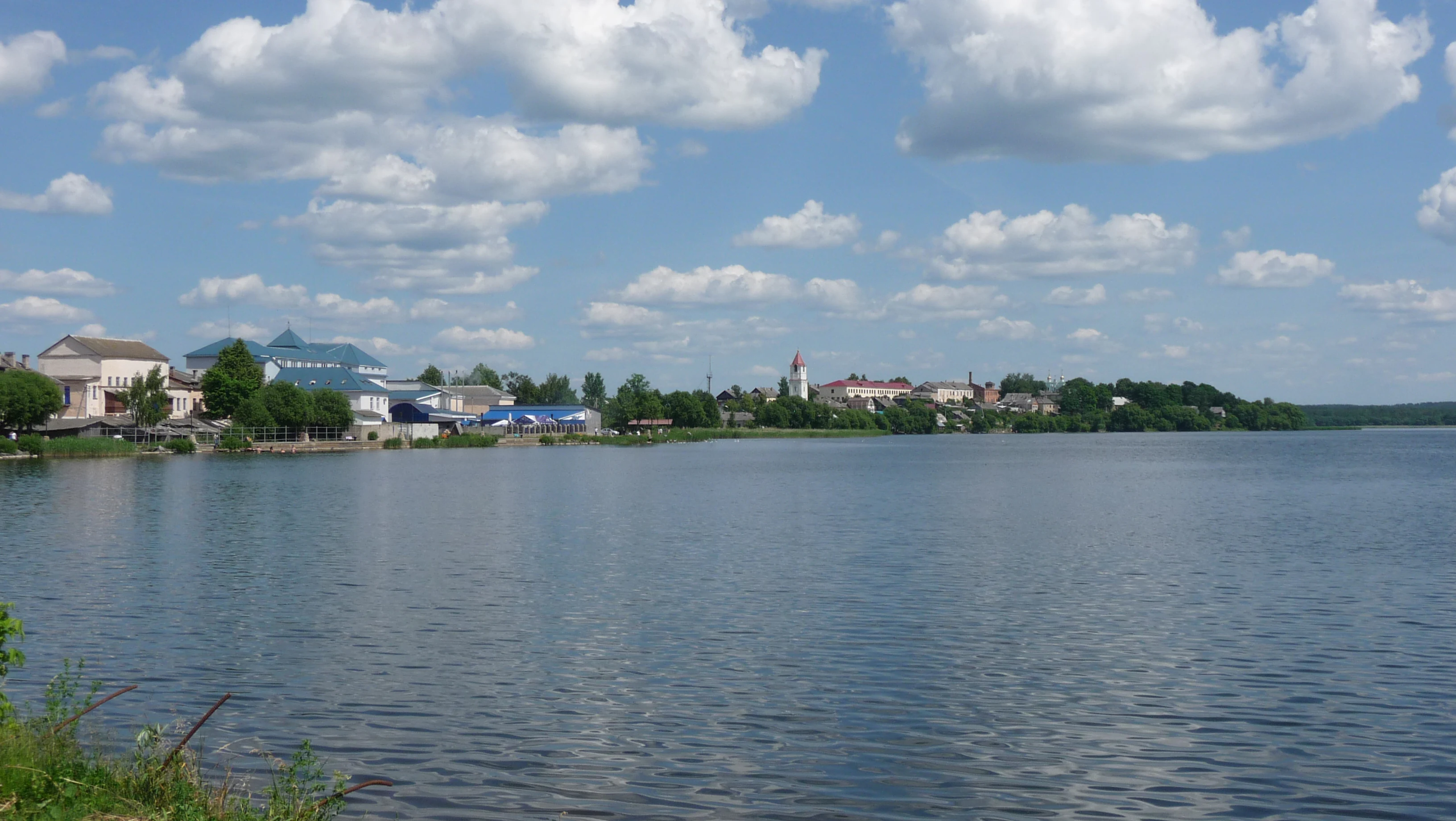
Sebezhsky National Park is best known for its glacial lake district landscape, a rare and distinctive terrain in northwestern Russia characterized by numerous kettle lakes set among rolling forested hills. The park protects one of the most lake-rich areas in Pskov Oblast, with Lake Sebezhskoye, Lake Necheritsa, and Lake Orono among the largest water bodies. The combination of diverse forest types, wetland ecosystems, and the presence of large mammals including brown bear, lynx, and moose makes this park significant for biodiversity conservation in the region. The park also preserves cultural landscapes shaped by centuries of human settlement and agricultural use.
Sebezhsky National Park history and protected-area timeline
The territory of Sebezhsky National Park has been inhabited since antiquity, with settlement patterns initially concentrated along lake shores before expanding into the spaces between water bodies. During the medieval period, the area came under the administration of the city of Pskov, one of the important centers of medieval Russian civilization. From the 15th century onward, the region became a contested territory between the Grand Duchy of Moscow and the Grand Duchy of Lithuania, reflecting its strategic location at the crossroads of expanding powers. The area finally became part of Russia in 1772 during the First Partition of Poland, marking a major turning point in its political status. Agriculture developed significantly by the 15th century, with the fertile lake-shore lands supporting farming communities. The late 17th century brought agricultural crisis linked to the Livonian War and outdated cultivation methods, though recovery began in the subsequent century. The 19th century saw intensive timber extraction that significantly reduced forested areas, while fishing operations developed on the lakes. In the 1950s, extensive swamp drainage converted wetlands to agricultural lands, altering the natural hydrology. By the early 1990s, agriculture faced another deep crisis, and authorities decided to transition the area toward national park status, recognizing the value of protecting both cultural heritage and natural ecosystems.
Sebezhsky National Park landscape and geographic character
The landscape of Sebezhsky National Park is defined by its glacial origin, featuring rolling hills and undulating terrain shaped by Ice Age processes. The southwestern part of Sebezhsky District where the park is located represents one of the most lake-rich areas in Pskov Oblast. These lakes occupy depressions left by glacial activity, creating a characteristic pitted landscape of water bodies embedded within forested hillsides. The forest cover is extensive and diverse, composed of pine and spruce as the primary coniferous species, mixed broadleaf forests, and extensive alder stands in wetter areas. The terrain transitions between forested ridges and lake-filled hollows, creating a visually varied landscape. Streams connect the numerous lakes, feeding into either the Velikaya River system, which drains most of the park, or the Daugava River system in the southern areas. The presence of Lake Sebezhskoye as a major water body, together with Lake Necheritsa and Lake Orono, anchors the park's hydrological character and provides the scenic focus that distinguishes this protected area within the region.
Sebezhsky National Park ecosystems, habitats, and plant life
The natural environment of Sebezhsky National Park encompasses a mosaic of forest types, wetlands, and aquatic ecosystems that together support significant biodiversity. The mixed forest landscape includes coniferous stands of pine and spruce, deciduous components, and significant alder forests in riparian and wetland zones. This forest diversity creates varied habitats for wildlife and contributes to the ecological complexity that makes the park important for conservation. The numerous lakes and their associated wetlands provide critical habitat for waterfowl, fish, and amphibians, while the surrounding forests offer cover for larger mammals. The park's position at the interface of different biogeographic influences, combined with its diverse habitats, supports species assemblages characteristic of northwestern Russia's temperate forest zone.
Sebezhsky National Park wildlife and species highlights
Sebezhsky National Park supports a notable diversity of wildlife, with 291 vertebrate species documented within its boundaries. The avifauna is particularly rich, with 202 bird species recorded, reflecting the park's diverse habitats ranging from forest to wetland to lake environments. Mammal populations include 49 species, among which the large predators and ungulates represent significant conservation focus. Brown bear, lynx, and gray wolf occupy the predator niche, while wild boar, moose, and roe deer constitute the main large herbivores. The fish community numbers 30 species, supported by the park's numerous lakes and streams. Additionally, the park hosts eight amphibian species and five reptile species, along with two lamprey species representing the most primitive vertebrates present. This vertebrate diversity indicates a functioning ecosystem with intact food webs and habitat connectivity.
Sebezhsky National Park conservation status and protection priorities
Sebezhsky National Park was established in 1996 as a Category II protected area under the IUCN classification system, recognizing its significance for both natural conservation and sustainable use. The park was created to protect the distinctive landscapes of the lake district in southwestern Pskov Oblast, preserving the glacial terrain, lake ecosystems, and forest communities that characterize this region. The protection framework addresses both the natural biodiversity, including the significant populations of large mammals and diverse bird species, and the cultural landscapes shaped by historical human use. The transition from agricultural land to protected status reflects recognition that the traditional cultural landscape has ecological value worth maintaining. Management by the Department of Forestry of Pskov Oblast oversees conservation activities while permitting sustainable recreational use including hunting and fishing.
Sebezhsky National Park cultural meaning and human context
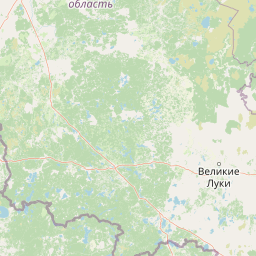
The area comprising Sebezhsky National Park has a long human history dating back to antiquity, with settlement patterns that initially followed lake shores before expanding into intervening areas. The medieval period brought administrative ties to Pskov, an important medieval Russian city, and the region became a zone of cultural exchange and conflict between expanding Russian and Lithuanian powers. The centuries of agricultural use created the cultural landscape that now exists within the park, with farming communities shaping the land through generations of cultivation. The border location has influenced the region's development, with the current boundary with Latvia creating a border security zone that requires special permits for access to certain park areas. The town of Sebezh, whose southern portion lies within the park boundaries, represents the historical settlement pattern that characterizes this lake district region.
Top sights and standout views in Sebezhsky National Park
Sebezhsky National Park offers a distinctive combination of glacial lake landscapes, diverse forests, and wildlife viewing opportunities in northwestern Russia. The park's numerous lakes, including the prominent Lake Sebezhskoye, provide scenic focal points and support diverse aquatic ecosystems. The presence of brown bear, lynx, and wolf among the park's mammal population makes it significant for large predator conservation in the region. The birdlife, with over 200 species, makes the park important for avifauna, particularly waterfowl associated with the lake-rich environment. The blend of natural beauty, historical significance dating to medieval times, and the tri-border location with Latvia and Belarus creates a distinctive protected area representing Pskov Oblast's natural heritage.
Best time to visit Sebezhsky National Park
The best time to visit Sebezhsky National Park aligns with the warmer months of late spring through early autumn, when the park's landscapes are most accessible and wildlife activity is highest. Summer months offer the warmest conditions for exploring the forests and lake shores, while the breeding season brings birdlife to its peak diversity. The shoulder seasons of spring and autumn provide different experiences, with spring migration adding bird species and autumn offering fall foliage colors across the mixed forests. Winter visits are possible but limited by snow and cold, and some areas may have restricted access due to the border security zone requirements. Visitors should note that permits are required for certain border areas within the park.