Why Sloboda National Nature Park stands out
Sloboda National Nature Park is best known for its extensive wetland complex at the confluence of two rivers, creating a rich mosaic of marshes, swamps, and floodplain habitats within a forest-steppe setting. The park's maple-lime forest ecosystem on the Merla River's right bank represents a relatively intact example of mature deciduous woodland in this region. Its bog-forest communities of alder and birch provide critical habitat for diverse plant and animal species in an area where such wetland ecosystems are increasingly rare.
Sloboda National Nature Park history and protected-area timeline
Sloboda National Nature Park was established in 2009 as part of Ukraine's national park system, designated to protect representative examples of the forest-steppe ecosystem in the country's eastern region. The park was created under the administration of the Ministry of Ecology and Natural Resources of Ukraine, reflecting national policy to conserve natural areas of ecological, scientific, and educational significance. The protected area encompasses land that had previously existed in a relatively natural state amid the agricultural transformation of the surrounding Poltava Highlands region. The establishment of the park provided formal protection to the river confluence wetlands and associated forest communities that had survived as ecological islands in the cultivated landscape.
Sloboda National Nature Park landscape and geographic character
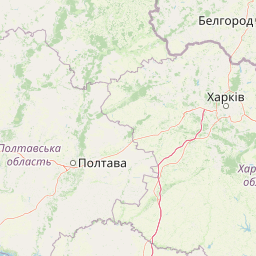
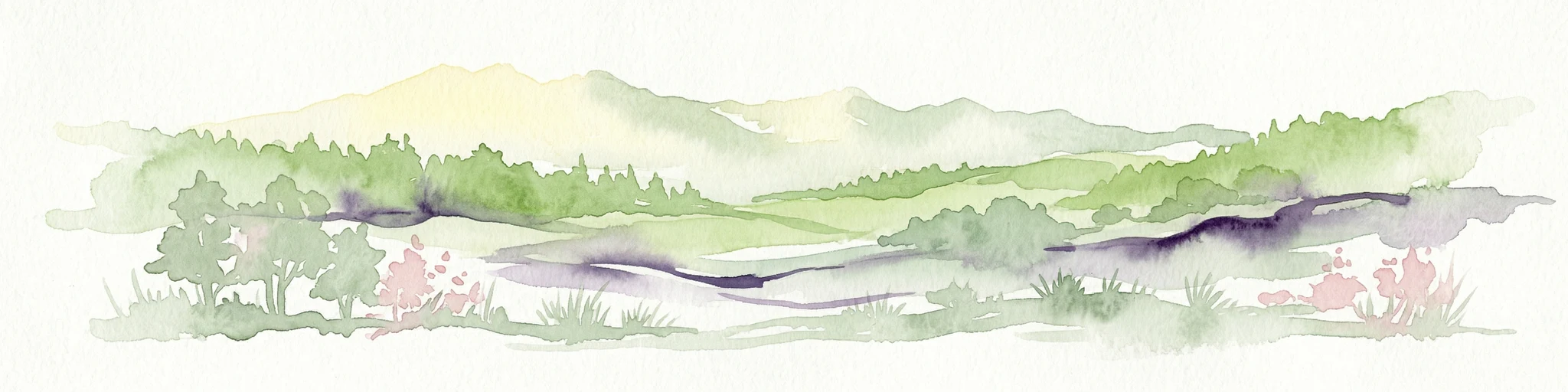
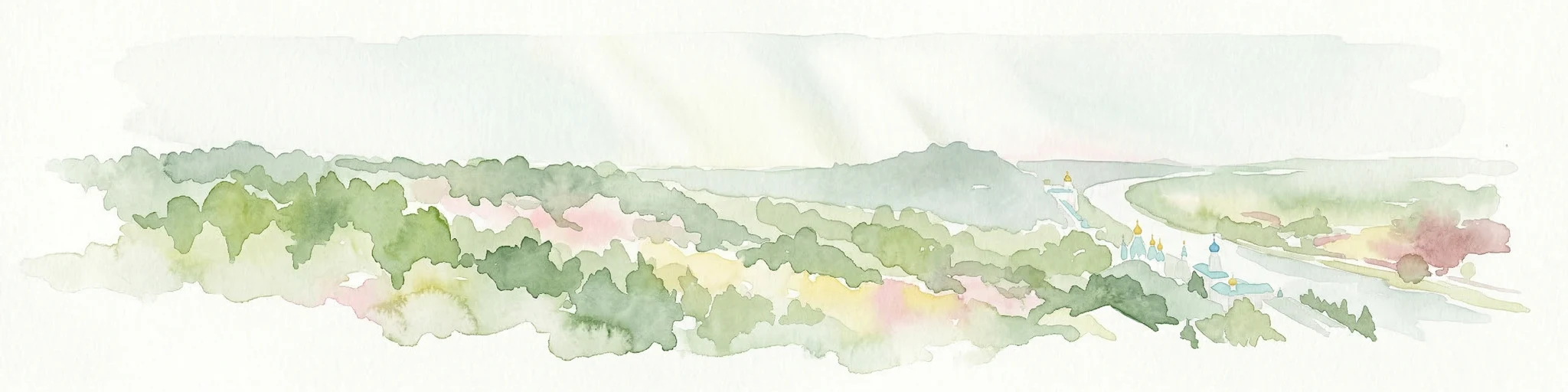
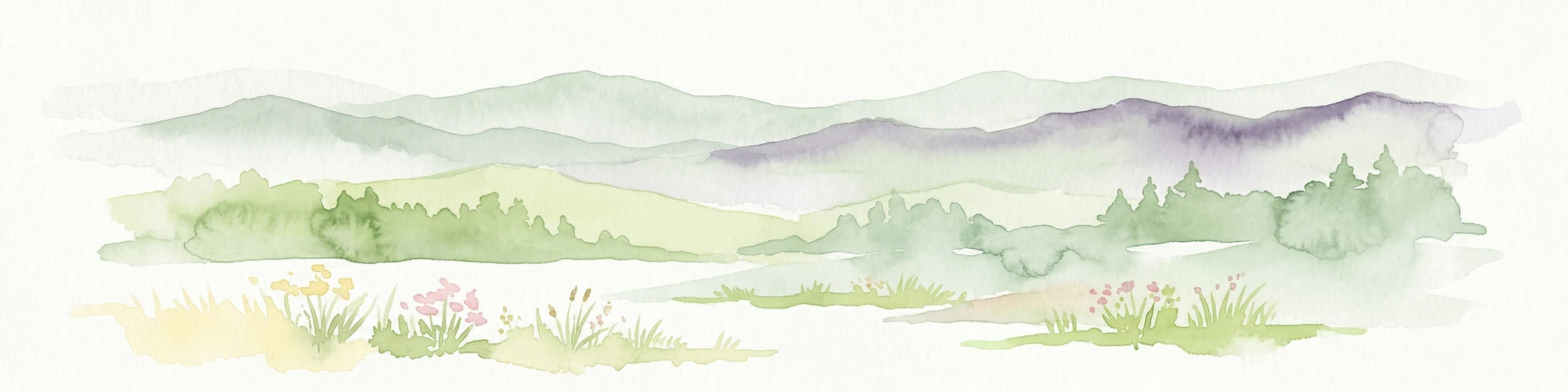
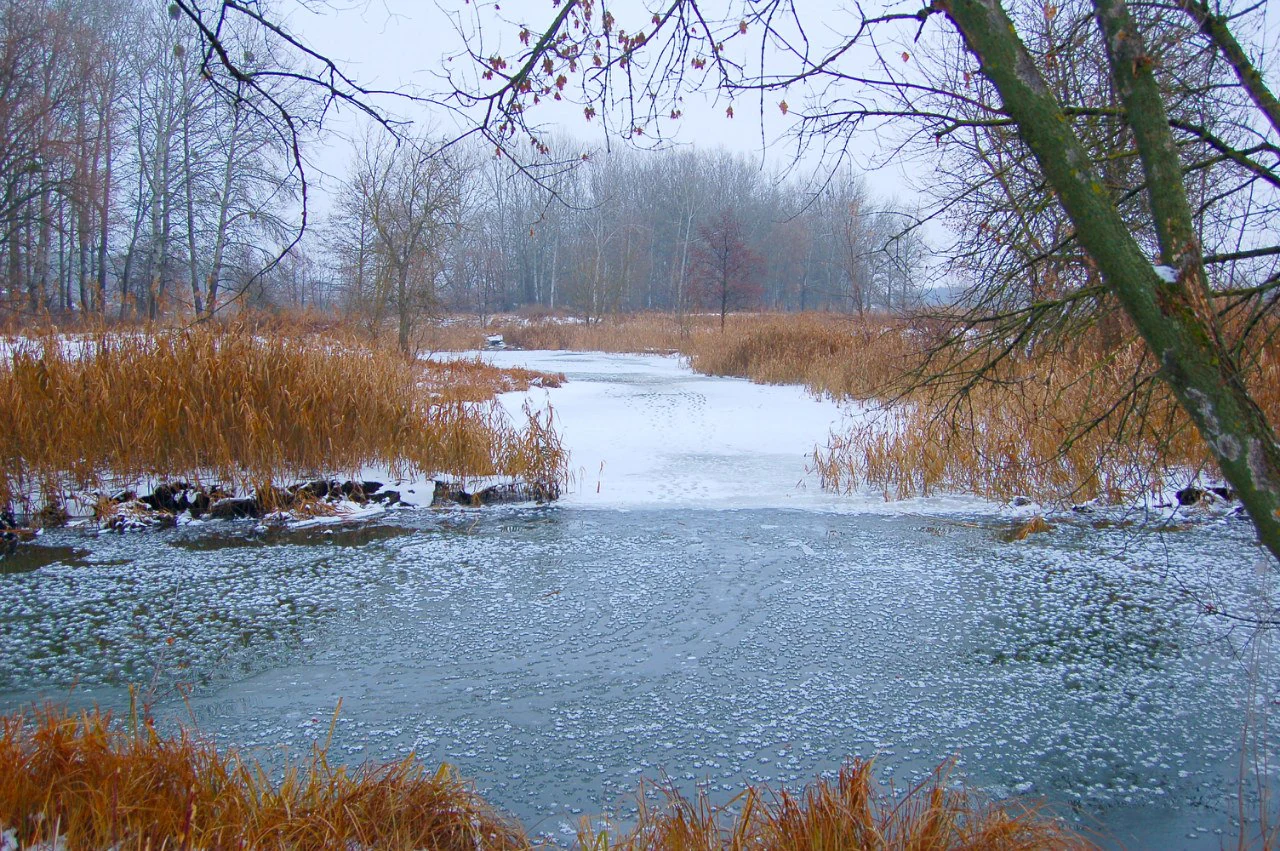
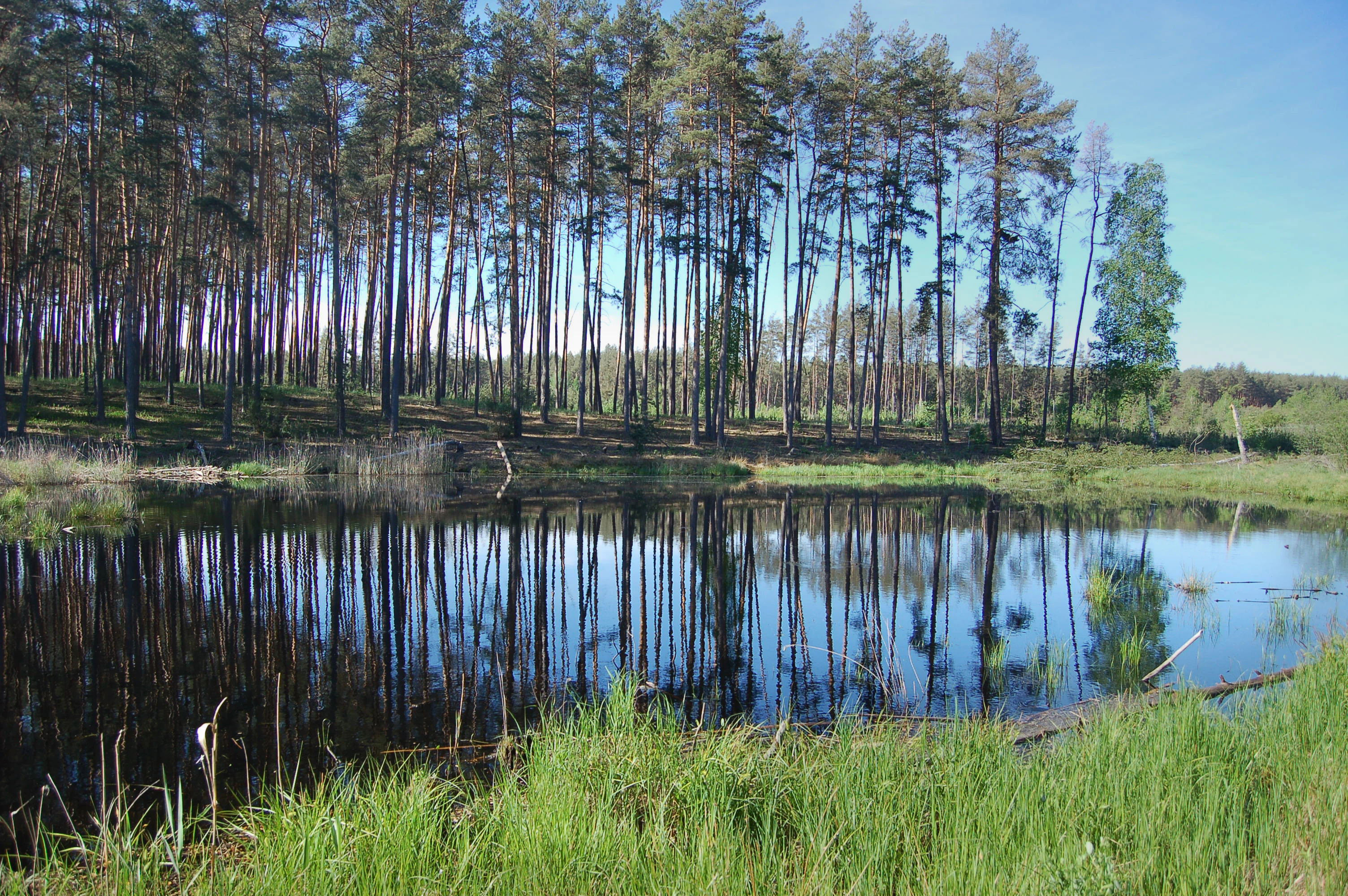
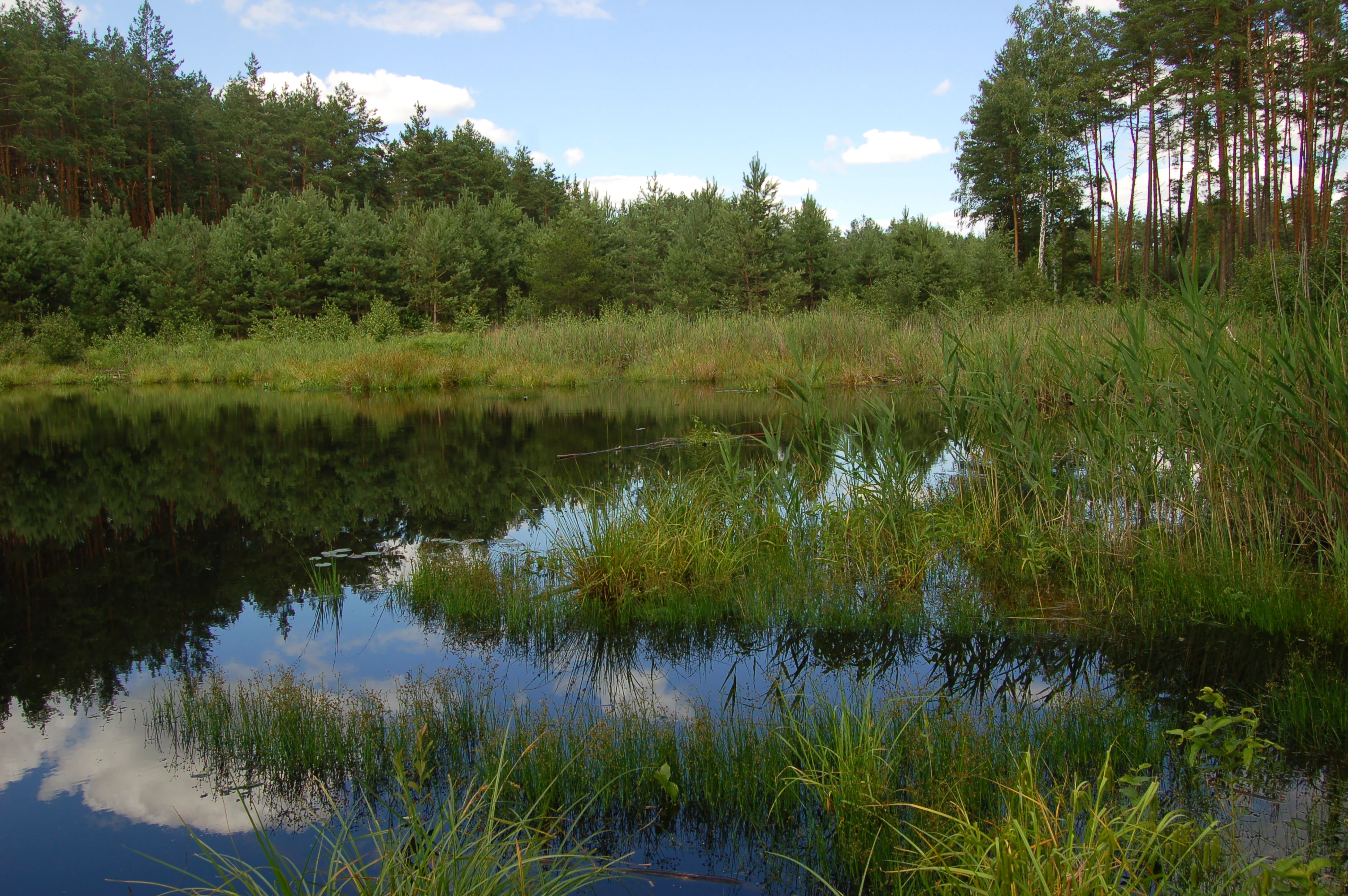
The physical landscape of Sloboda National Nature Park is defined by the valley system of the Merla and Merchik Rivers, where low floodplain terraces contain meadows, marshes, and swampy areas. The second terrace rises to rolling hills covered in forest-steppe vegetation, with deeper depressions supporting meadow-bog communities. The park's terrain creates a visual contrast between the open wetland flats along the rivers and the wooded slopes ascending to the upland plateau. The hydrological network of the two converging rivers and their associated wetlands forms the ecological backbone of the landscape, with water movement through marshes and boggy areas creating dynamic conditions that support specialized vegetation communities.
Sloboda National Nature Park ecosystems, habitats, and plant life
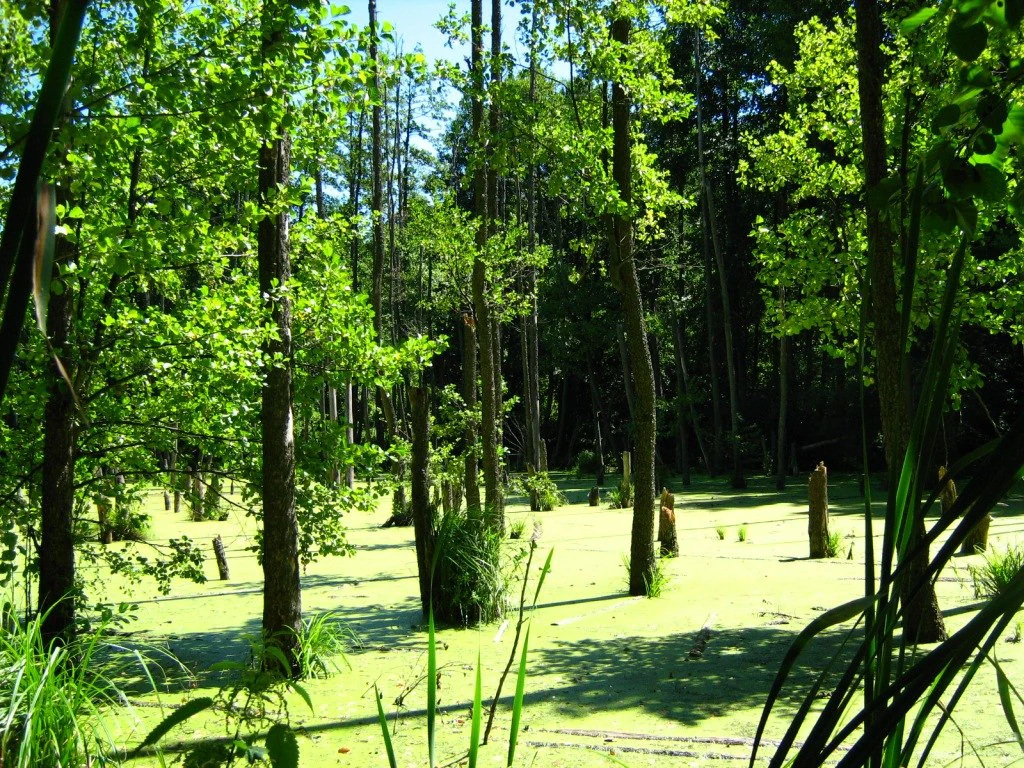
The ecological character of Sloboda National Nature Park centers on its forest-steppe and wetland ecosystems. Over 90 percent of the protected area is forested, with the natural maple-lime forest on the right bank of the Merla River representing the most ecologically significant woodland type. This deciduous forest association features mature trees in a structure that supports diverse understory and epiphytic communities. The left bank of the river features both natural woodland and planted pine stands, reflecting historical forest management. Bog-forest communities develop in the wetland depressions, where alder and birch dominate in response to persistently high soil moisture. The extensive marshes and swamps across the floodplain create habitat conditions that support flora and fauna adapted to wetland environments, contributing to the overall biodiversity of the park.
Sloboda National Nature Park wildlife and species highlights
The wetland and forest habitats of Sloboda National Nature Park support diverse wildlife communities characteristic of the forest-steppe zone. The marsh and swamp complexes provide crucial habitat for waterfowl, amphibians, and insects associated with wetland environments. The deciduous forests shelter mammal, bird, and invertebrate populations typical of mature woodland in this region of Ukraine. The ecological transition between wetland and upland forest creates habitat diversity that supports species assemblages from both environment types.
Sloboda National Nature Park conservation status and protection priorities
Sloboda National Nature Park serves as a protected area for the forest-steppe ecosystem of eastern Ukraine, conserving both the wetland complex at the river confluence and the surrounding forested landscapes. The protected status helps maintain ecological processes in an area where agricultural expansion has heavily modified the surrounding terrain. The park's wetlands provide important hydrological functions including water filtration, flood regulation, and habitat continuity for migratory species. As a Category II protected area, the park balances conservation objectives with sustainable public use, allowing controlled access for environmental education and nature-based recreation.
Sloboda National Nature Park cultural meaning and human context
The park occupies a region within the historical Sloboda Ukraine (Slobozhanshchyna) area of eastern Ukraine, an area historically characterized by a blend of Ukrainian and Russian cultural influences. The landscape name Sloboda reflects the historical administrative designation of the broader region. The protected area exists within a landscape that has been subject to agricultural use for centuries, though the specific river confluence area retained enough natural character to warrant protection. Local communities in the surrounding Bohodukhiv Raion maintain connections to the land through traditional land use practices, though the park itself is managed as a protected natural area.
Top sights and standout views in Sloboda National Nature Park
The park's defining features include the extensive marsh and wetland complex at the Merla and Merchik Rivers confluence, the mature maple-lime forest on the right river bank, and the ecological transition between floodplain wetlands and upland forest-steppe. The more than 90 percent forest cover provides a relatively wooded landscape uncommon in the agricultural region. The protected area offers ecological-educational and scientific-cognitive routes for visitors, with lodging, campsites, and picnic facilities available at designated centers.
Best time to visit Sloboda National Nature Park
The park can be visited throughout the warmer months from spring through autumn, when the full range of ecological-educational routes and recreational facilities are accessible. Summer brings the warmest conditions for exploring the wetland areas and forest trails, while autumn offers the opportunity to observe seasonal color changes in the deciduous forest. Winter provides a different character to the landscape, though visitor facilities operate on a reduced schedule. The timing of a visit may depend on interest in specific seasonal phenomena such as spring bird migration through the wetland corridors or summer aquatic ecosystem activity.