
Why Vilsandi National Park stands out
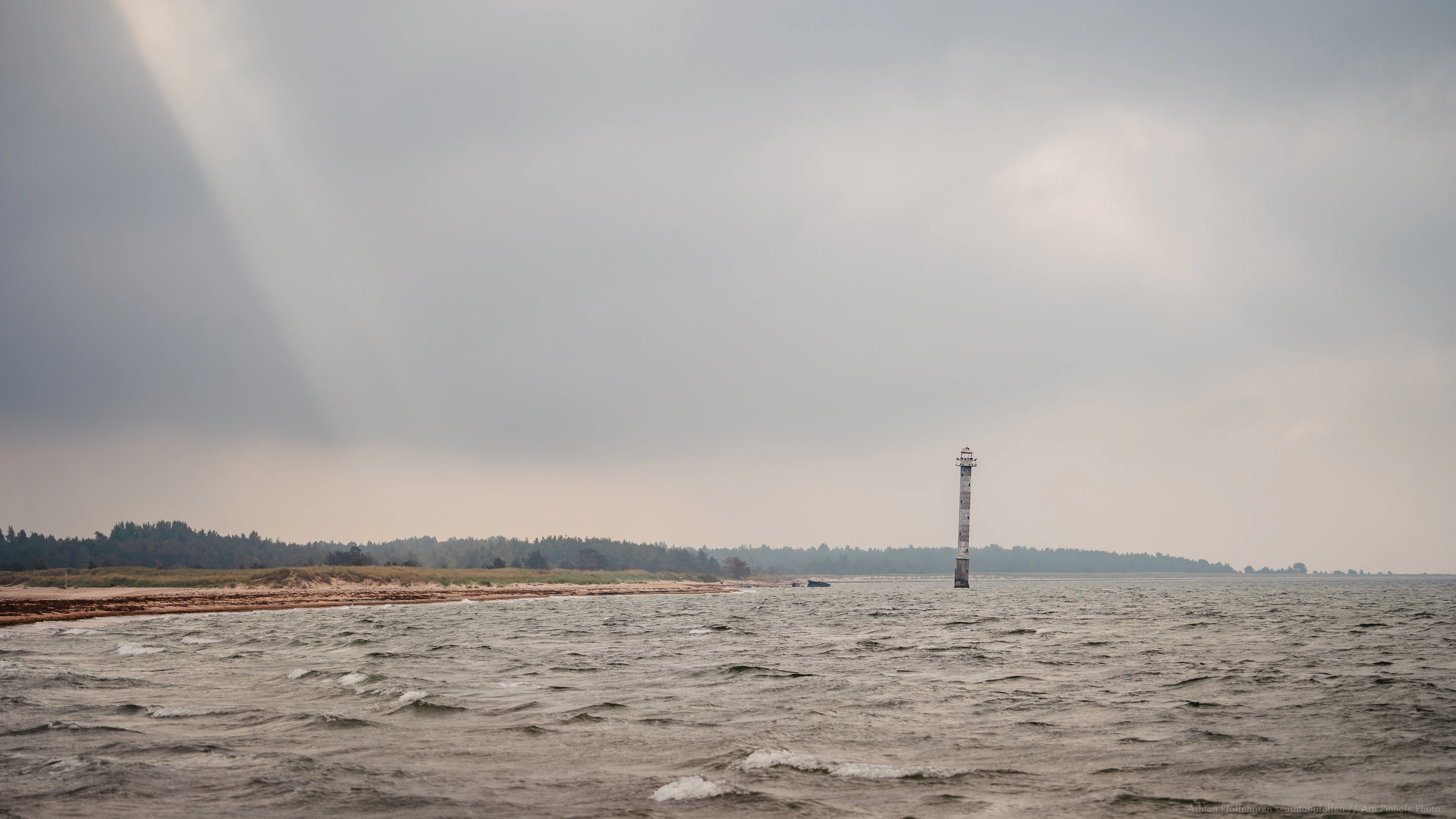
Vilsandi National Park is best known for its extraordinary birdlife and coastal marine ecosystems. The park serves as a major migratory bird corridor, hosting tens of thousands of staging waterfowl including barnacle geese and Steller's eider during spring and autumn migrations. The diverse archipelago supports over 247 bird species, with the common eider being particularly abundant. The park's extensive wetlands, islands, and coastal waters create ideal conditions for nesting seabirds and waterfowl. The landscape features dramatic cliff formations along the Soeginina coast, the distinctive Kiipsaare lighthouse on the Harilaid peninsula, and numerous shallow bays and inlets that define the western Saaremaa coastline.
Vilsandi National Park history and protected-area timeline
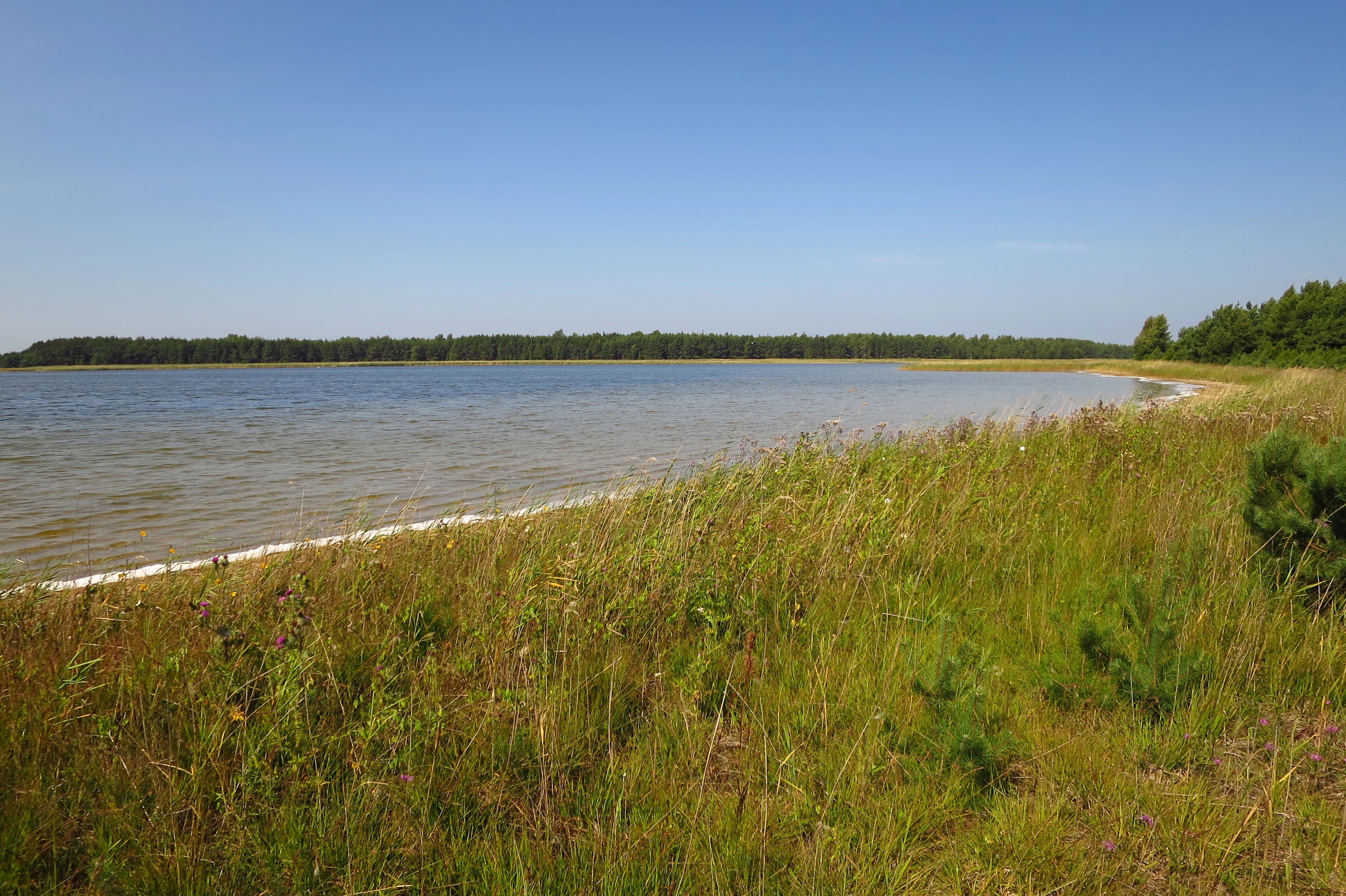
The protected area that would become Vilsandi National Park traces its origins to 1910, when a bird reserve was established in the region, making it one of the oldest nature protection initiatives in the Baltic states. This early designation reflected the exceptional ornithological significance of the coastal islands and waters. In 1971, the Vaika nature reserve was expanded to encompass 10,689 hectares and renamed the Vilsandi State Nature Reserve through a decree of the Estonian SSR Council of Ministers. This expansion brought under protection a diverse collection of islands totaling 1,289 hectares in land area. On 8 December 1993, the Vilsandi National Park was formally established by the Estonian government, combining the former Vilsandi State Nature Reserve with the Harilaid botanical-zoological reserve. In May 1996, the protection regulations and boundaries of the national park were confirmed, establishing the park's current extent. The year 1997 marked a significant milestone when the park received Ramsar Convention status as a wetland of international importance, and the visitor center opened at Loona manor. The park joined the Junior Ranger program in 2012, aligning with similar programs across Estonian national parks.
Vilsandi National Park landscape and geographic character
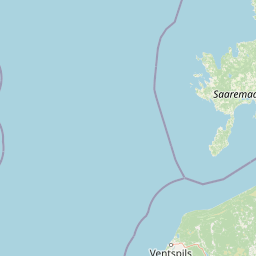
The landscape of Vilsandi National Park is characterized by its archipelago setting along the western coast of Saaremaa. The park encompasses a remarkable variety of coastal landforms including rocky islands, sandy beaches, dramatic cliff faces, peninsulas, and shallow marine waters. The Soeginina coastline features impressive cliff formations that illustrate the geological character of the Baltic Sea coast. The Harilaid peninsula extends prominently into the Gulf of Riga, with its terminal point marked by the Kiipsaare lighthouse, a distinctive coastal landmark. The park includes numerous bays such as Atla, Kihelkonna, and Kuusnõmme, each contributing to the complex indented coastline. The island landscape ranges from the larger Vilsandi island with its human settlement and vegetation cover to countless small rocky islets and sandbanks barely above the waterline. The marine environment includes both deeper channels between islands and extensive shallow areas that provide important habitat for waterfowl and marine organisms.
Vilsandi National Park ecosystems, habitats, and plant life
Vilsandi National Park protects some of Estonia's most ecologically significant coastal and marine habitats. The park's wetland ecosystems support extraordinary biodiversity, with approximately one-third of all protected plant species in Estonia found within its boundaries. The shallow coastal waters, bays, and island environments create diverse habitat types ranging from rocky shores to sandy beaches and marshy areas. The park's islands provide crucial nesting habitat for colonial seabirds, while the surrounding waters support wintering populations of waterfowl. The migration corridor function of the area is particularly important, with the park serving as a major staging area where thousands of waterfowl pause during their twice-yearly journeys between northern breeding grounds and southern wintering areas. The marine ecosystem includes important fish spawning grounds and supports a complex food web characteristic of Baltic Sea coastal waters.
Vilsandi National Park wildlife and species highlights
The avifauna of Vilsandi National Park is its most celebrated ecological asset. Over 250 bird species have been recorded in the park, of which approximately 112 species nest within its boundaries. The common eider dominates the breeding bird population with more than 4,000 breeding pairs, one of the highest concentrations in the Baltic region. The park serves as a critical staging area for migratory waterfowl, with barnacle geese stopping in tens of thousands during migration, along with various duck species and other waterfowl. Steller's eider, a species of particular conservation concern, uses the park as a stop-over area. The park also supports breeding populations of the common crane during passage. The marine environment supports fish species important to both the ecosystem and traditional local fishing, while the islands provide habitat for colonial nesting seabirds. The protected status of the area has enabled populations of multiple bird species to thrive with minimal disturbance.
Vilsandi National Park conservation status and protection priorities
Vilsandi National Park represents a cornerstone of Estonian coastal and marine conservation. The protected area was established primarily to safeguard coastal marine ecosystems and regulate use through protection measures that balance ecological preservation with sustainable traditional uses. The park's designation as a Ramsar Wetland of International Importance in 1997 acknowledges its exceptional value as a wetland habitat supporting migratory waterfowl populations. Its recognition as an Important Bird Area by BirdLife International further confirms the site\'s significance for bird conservation at the European scale. The prohibition of hunting within the park provides essential protection for wildlife populations, while specific fishing restrictions in designated zones during breeding and migration periods help maintain ecological integrity. The park\'s conservation goals include restoring and showcasing the biological diversity and landscapes characteristic of western Estonian coastal areas, preserving maritime cultural heritage, and maintaining the traditional coastal lifestyle of the region.
Vilsandi National Park cultural meaning and human context
The cultural landscape of Vilsandi National Park reflects centuries of human interaction with the coastal environment of western Saaremaa. Vilsandi island remains the only inhabited island within the park, carrying forward the tradition of maritime settlement that has characterized this coast. The park encompasses areas of traditional fishing activity, with local communities maintaining connections to the sea that extend back generations. The Loona manor, which now houses the park\'s visitor center, represents the historic estate culture of the region. The distinctive Kiipsaare lighthouse on the Harilaid peninsula has served as a navigation aid and has also become a cultural landmark, having served as a filming location for the Estonian film \
Top sights and standout views in Vilsandi National Park
Vilsandi National Park stands as Estonia\'s premier birdwatching destination, with its extraordinary concentration of waterfowl during migration and significant breeding populations of seabirds. The park\'s archipelago landscape offers a distinctive Baltic coastal experience, with nearly 100 islands creating a unique maze of waterways, bays, and rocky shores. The dramatic cliffs of Soeginina provide iconic coastal scenery, while the Kiipsaare lighthouse on the Harilaid peninsula serves as a memorable landmark. The park\'s status as one of the Baltic region\'s oldest protected areas, dating from 1910, reflects its enduring ecological significance. The combination of marine protected status, Ramsar wetland designation, and Important Bird Area recognition makes Vilsandi one of Estonia\'s most comprehensively protected landscapes.
Best time to visit Vilsandi National Park
The park can be explored throughout the year, though spring and autumn offer the most dramatic wildlife viewing opportunities when migratory waterfowl pass through in large numbers. The breeding season in late spring brings active seabird colonies, while summer provides the most accessible weather for island hopping and coastal exploration. Winter offers a different character, with frozen bays and a quieter atmosphere, though access to some areas may be limited. The visitor center at Loona manor provides orientation and information year-round.