

Mori Atlas logo
National parkWandoo National Park

Explore the geographic extent and protected area context of Wandoo National Park.

Wandoo National Park National Park: Mapped Protected Landscape Geography in Australia's Wheatbelt

Wandoo National Park stands as a significant protected area within the Wheatbelt region of Western Australia. This national park offers a unique landscape to explore, providing insight into its mapped boundaries and geographic context. As part of a structured atlas of protected lands, Wandoo National Park contributes to understanding regional conservation areas and their distinct environmental settings. Discover the park's place within Australia's network of natural landscapes and protected territories through detailed geographic information.

Australian national parksWheatbelt regionWandoo woodlandEucalyptus forestsBirdwatchingSouthwest Australia Floristic Region

Wandoo National Park

National park

Park overview

Structured park overview, official facts, and landscape profile for Wandoo National Park

Wandoo National Park park facts, protected area profile, and essential visitor context
Review the core facts for Wandoo National Park, including designation, size, terrain, visitor scale, habitats, and operating context in one park-focused overview.

About Wandoo National Park

Wandoo National Park occupies a significant position in the conservation landscape of Western Australia's Wheatbelt, one of the most heavily cleared agricultural regions in Australia. The park was established in 2004 to protect remaining areas of native vegetation in a region where the vast majority of the original woodland and forest has been converted to farmland. The protection of these remnant ecosystems is crucial for maintaining biodiversity, as the Wheatbelt region, while highly modified, still supports important populations of native wildlife including several threatened species. The park's accessibility from Perth, approximately 80 kilometers distant, makes it a relatively convenient destination for those seeking to experience Western Australia's woodland environments without traveling to more remote locations. The park forms part of the Southwest Australia Floristic Region, recognized as a global biodiversity hotspot with high levels of endemism among both flora and fauna.

Quick facts and research context for Wandoo National Park

Wandoo National Park is located in the Wheatbelt region of Western Australia, approximately 80 kilometers east of Perth. The park was officially designated in 2004 and covers an area of 463.68 square kilometers. It is managed by the Western Australia Department of Parks and Wildlife and classified as an IUCN Category II national park. The protected area represents remnant vegetation in a region that has undergone substantial agricultural clearing, making its conservation role particularly significant for maintaining biodiversity in the southwest Australian floral kingdom.

Park context

Deeper park guide and search-rich context for Wandoo National Park

Wandoo National Park history, landscape, wildlife, and travel context
Explore Wandoo National Park through its history, landscape character, ecosystems, wildlife, conservation priorities, cultural context, and seasonal travel timing in a structured park guide built for atlas discovery and search intent.

Why Wandoo National Park stands out

Wandoo National Park is best known for its protection of remnant wandoo woodland ecosystems in Western Australia's Wheatbelt region. The park preserves critical habitat for black-cockatoos and other endemic bird species in a landscape where native vegetation has been extensively cleared for agriculture. Its location relatively close to Perth makes it accessible for day visits, while the wandoo (Eucalyptus wandoo) woodlands themselves represent a distinctive component of the Southwest Australia Floristic Region, one of the world's biodiversity hotspots.

Wandoo National Park history and protected-area timeline

Wandoo National Park was officially designated as a national park in 2004, making it a relatively recent addition to Western Australia's protected area network. The establishment of the park reflected growing recognition of the importance of protecting remnant vegetation in the Wheatbelt region, where agricultural development had cleared the majority of native woodland and forest. The creation of the park was part of broader efforts by the Western Australian government to improve conservation outcomes in the Southwest Australia Floristic Region, an area of exceptional biodiversity that had suffered significant habitat loss. The park is managed by the Department of Parks and Wildlife, which oversees visitor facilities and conservation management within the protected area.

Wandoo National Park landscape and geographic character

Wandoo National Park protects characteristic Wheatbelt terrain dominated by wandoo woodland, a distinctive ecosystem of the southwest Australian interior. The landscape features gently undulating terrain typical of the Swanland Plain, with the wandoo (Eucalyptus wandoo) forming the primary tree species across much of the park. These woodlands create a park-like landscape with open canopy allowing sunlight to reach the understory, supporting diverse ground-layer vegetation. The park's position in the Wheatbelt places it within a landscape that has been extensively cleared for agriculture, making the preserved remnant vegetation within the park boundaries particularly valuable as reference ecosystems and habitat corridors.

Wandoo National Park ecosystems, habitats, and plant life

The park protects important examples of the Southwest Australia Floristic Region's unique plant communities. Wandoo woodlands support a diverse understory of shrubs and groundcover species typical of the region, many of which are endemic to southwest Australia. The park's position within a biodiversity hotspot means even relatively small areas of intact vegetation hold significant conservation value, as they provide habitat for species that have lost much of their original range to clearing. The woodland structure provides both canopy and hollow resources for fauna, while the understory supports insects and other invertebrates that form the base of the food chain.

Wandoo National Park wildlife and species highlights

Wandoo National Park provides habitat for several notable bird species, including populations of black-cockatoos that depend on woodlands in the Wheatbelt region. These large parrots, which include species such as the Carnaby's black-cockatoo and Baudin's black-cockatoo, rely on wandoo woodlands for nesting and feeding. The park's remnant vegetation also supports other bird species typical of southwest Australian woodlands, as well as mammals, reptiles, and invertebrates adapted to this ecosystem. The protection of woodland habitat in the Wheatbelt is particularly important given the extensive clearing that has occurred in the surrounding agricultural landscape.

Wandoo National Park conservation status and protection priorities

The conservation significance of Wandoo National Park stems from its role in protecting remnant vegetation in one of Australia's most heavily cleared regions. The Wheatbelt of Western Australia has lost the majority of its original native vegetation to agriculture, making the remaining protected areas critically important for biodiversity conservation. The park contributes to the protection of the Southwest Australia Floristic Region, which supports exceptional plant diversity with high levels of endemism. By preserving wandoo woodland communities, the park helps maintain habitat for species that have declined due to habitat loss in the surrounding farmland, including several bird species that are now considered threatened.

Top sights and standout views in Wandoo National Park

The park offers visitors the opportunity to experience remnant wandoo woodland in a landscape where such vegetation has become increasingly rare. Black-cockatoo populations draw birdwatching interest, while the park's relative proximity to Perth makes it accessible for day trips. The woodland landscape provides a contrasting experience to the more famous southwestern Australian forests found in national parks farther from the capital. The park represents the ecological character of the Wheatbelt, a region otherwise dominated by agricultural land use.

Best time to visit Wandoo National Park

The best time to visit Wandoo National Park is during the cooler months of autumn and spring, when temperatures are comfortable for outdoor exploration and the landscape remains accessible. Western Australia's Mediterranean climate means summer conditions in the Wheatbelt can be hot and dry, potentially limiting outdoor activity. Spring brings wildflower displays in the understory, adding visual interest to woodland walks. Visitors planning trips should check current conditions and any park alerts before traveling, as fire risk may affect access during the warmer months.
Park location guide

Geography guide, regional context, and park location map for Wandoo National Park

Wandoo National Park park geography, regions, and map view in Australia
Understand where Wandoo National Park sits in Australia through a broader geographic reading of the surrounding landscape, nearby location context, and its mapped position within the national park landscape.

How Wandoo National Park fits into Australia

Australia is a constitutional monarchy and federal parliamentary democracy comprising six states and ten territories. With a population of nearly 28 million, it is one of the world's most urbanised countries, with most people concentrated on the eastern seaboard. The country has a high Human Development Index and is known for its cultural diversity, ancient Aboriginal heritage, and unique wildlife.

Wider geography shaping Wandoo National Park in Australia

Australia occupies the entire Australian continent, the island of Tasmania, and numerous smaller islands. It is the world's flattest and driest inhabited continent, featuring vast deserts in the interior (the Outback), tropical rainforests along the eastern coast, and a coastline bordering the Indian and Pacific Oceans.

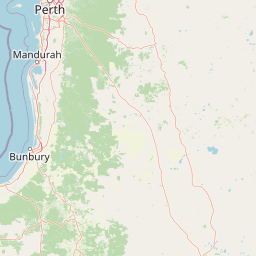
Map view of Wandoo National Park

Use this park location map to pinpoint Wandoo National Park in Australia, understand its exact geographic position, and read its mapped placement within the surrounding landscape more clearly.

Pigeon | © OpenStreetMap contributors

Location context for Wandoo National Park

Western AustraliaWheatbelt
Park atlas

Compare adjacent protected landscapes and the broader Wheatbelt region's conservation efforts, tracing diverse woodland habitats.

Explore Other National Parks and Protected Areas Near Wandoo National Park
Users exploring Wandoo National Park can browse a curated list of nearby national parks and other protected areas, mapping their geographic spread across Western Australia's Wheatbelt region. This contextual view facilitates comparative discovery of diverse woodland ecosystems, regional conservation efforts, and varied protected landscapes beyond a single park.
National parkWestern Australia

Helena National Park: National Park with Regional Geographic Context in Western Australia

Mapping protected area boundaries and natural landscapes.

Helena National Park represents a significant protected area within the expansive geography of Western Australia. This page facilitates detailed exploration of its national park status, offering insights into its mapped boundaries and the regional landscape context. Discover how Helena National Park contributes to the protected land atlas of Western Australia, providing a specific focus for geographic understanding and park exploration.

Area
122.55 km²
Established
2004
Relief
Upland
Climate
Mediterranean
National parkPerth metropolitan region

Midgegooroo National Park: Jarrah Forest Protected Landscape and Regional Geography

Explore its mapped boundaries and terrain near Perth.

Midgegooroo National Park offers a distinct protected landscape characterized by its expansive jarrah forest terrain within the Perth metropolitan region. This national park provides valuable context for understanding regional geography, mapped natural features, and the distribution of protected lands. Explore the park's unique topography and conservation boundaries, vital for comprehensive atlas-based geographic discovery.

Area
24.92 km²
Established
2004
IUCN
II
Relief
Upland
National parkWestern Australia

Beelu National Park: Exploring Western Australia's Protected Jarrah-Marri Forest Landscape

Mapped Geographic Context & Natural Terrain Discovery

Beelu National Park, situated in Western Australia's Darling Range, offers an immersive experience within old-growth jarrah-marri forests. This protected area provides a vital glimpse into the region's natural landscapes, characterized by rolling hills and the Helena River valley. Users can explore the park's geographic setting, its mapped boundaries, and the unique ecological context it preserves. It stands as a significant natural reserve contributing to the understanding of Western Australia's conservation efforts and diverse terrain.

Area
46.17 km²
Established
1995
IUCN
II
Relief
Highland
National parkWestern Australia

Korung National Park: Protected Landscape and Map Context in Western Australia

Discover its unique dual bioregion geography.

Korung National Park is a protected national park in Western Australia, noted for its position along the Darling Scarp overlooking the Swan Coastal Plain. This reserve provides accessible natural experiences and showcases the ecological transition between two major southwest Australian bioregions. Its mapped landscapes offer a clear example of regional protected area planning and its importance for biodiversity conservation in the Perth metropolitan area.

Area
63.54 km²
Established
2004
IUCN
II
Relief
Mixed relief
Watercolor illustration of a landscape with rolling hills, trees, and fields
National parkWestern Australia

Kalamunda National Park: Explore Darling Scarp Woodland & Western Australia's Natural Terrain

A protected national park with distinct mapped landscape features.

Kalamunda National Park is an essential protected area located on the western slopes of the Darling Scarp, offering a clear representation of southwestern Australia's characteristic eucalypt woodland ecosystems. Its geography is defined by the escarpment's terrain, supporting tall marri, jarrah, and wandoo forests with a diverse understorey. As a national park, it provides critical habitat and contributes to the regional landscape context within Western Australia, making it a valuable point for atlas-driven discovery of protected natural areas.

Area
3.75 km²
Established
1964
IUCN
II
Relief
Mixed relief
National parkWestern Australia

Gooseberry Hill National Park: A Protected Landscape in Western Australia's Geography

Explore mapped boundaries and regional park context.

Gooseberry Hill National Park is a significant protected area designated as a national park within the diverse geography of Western Australia. This entry provides detailed insights into its specific location, mapped boundaries, and role as a conservation landscape. Understand how Gooseberry Hill National Park contributes to the broader atlas of protected lands in Western Australia, offering a foundational view for geographic exploration and landscape context.

Area
0.33 km²
Established
1970
IUCN
II
Relief
Highland
National parkWestern Australia

John Forrest National Park: National Park Atlas and Western Australia Protected Landscape

Mapped boundaries and regional geographic context.

Delve into the atlas-level details of John Forrest National Park, a protected area situated in Western Australia. This park's designation as a national park provides a focal point for understanding its specific geographic features and mapped extent. Users can explore its place within the broader regional geography of Western Australia, gaining structured insight into the protected landscape.

Area
26.78 km²
Established
1900
IUCN
II
Relief
Upland
National parkWestern Australia

Greenmount National Park: Western Australia National Park Landscape and Geography Atlas

Explore its protected boundaries and regional landscape context.

Greenmount National Park represents a distinct protected landscape within the diverse geography of Western Australia. As a National Park, its mapped boundaries are integral to understanding its regional context and offering users a point of detailed geographic discovery. This entry provides essential data on its protected status and geographic setting, supporting exploration of Australia's significant natural areas through an atlas-driven lens.

Area
2.02 km²
Established
1970
IUCN
II
Relief
Upland

Common questions about visiting, size, designation, and location context for Wandoo National Park

Wandoo National Park FAQs for park facts, access, geography, and protected area context
Find quick answers about Wandoo National Park, including protected-area facts, park geography, trail and visitor context, and how the park fits into its surrounding country and regional landscape.
MoriAtlas Explorer

Continue Your Protected Areas Search Across the Global Atlas

Deepen your exploration by continuing the structured search for national parks and protected areas worldwide. Utilize the comprehensive filtering capabilities to compare different conservation landscapes and refine your understanding of global park geography. Discover more about the distribution and characteristics of protected natural areas.

Global natural geography