
Biosphere reserveJalisco
About 14 km away#1 closest
Southwest

La Primavera Biosphere Reserve: Mapping Volcanic Landscapes and Protected Watersheds
Ecological geography and forest distribution in Jalisco, Mexico
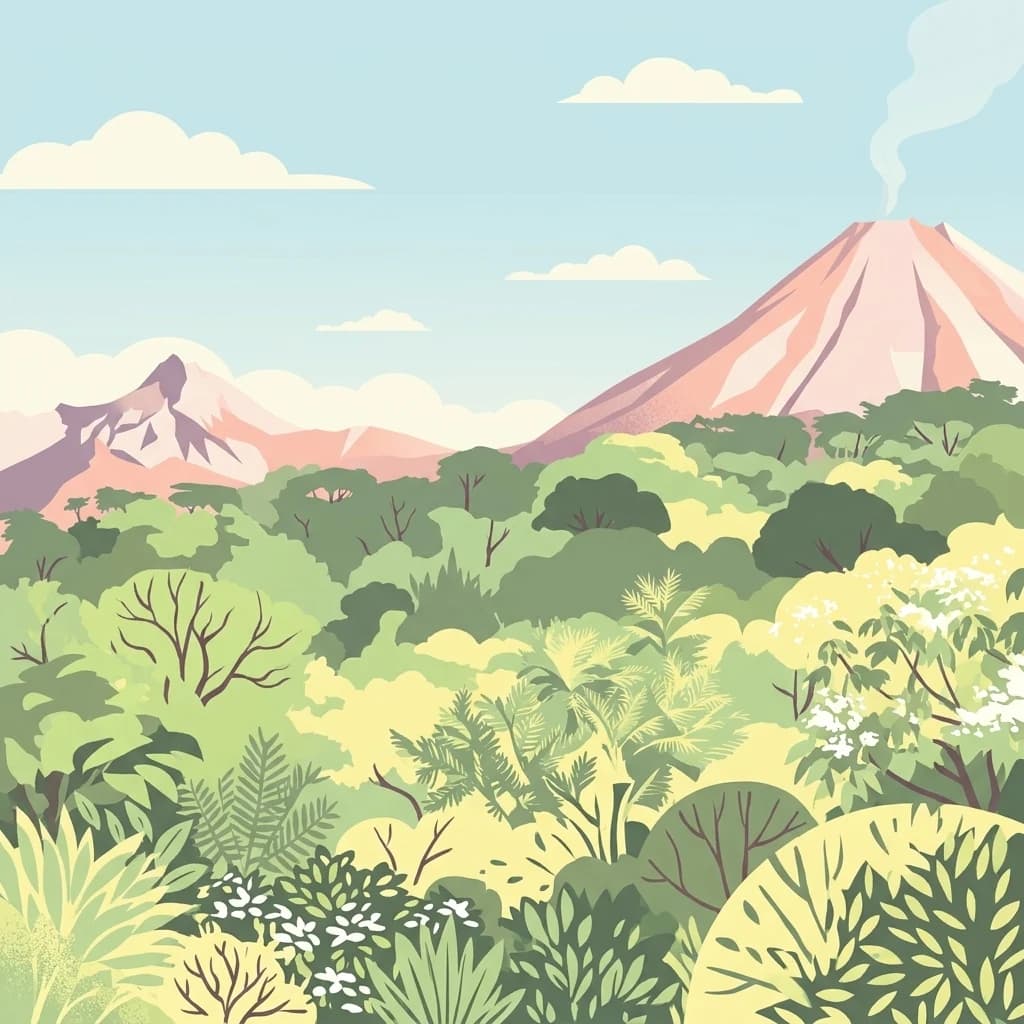
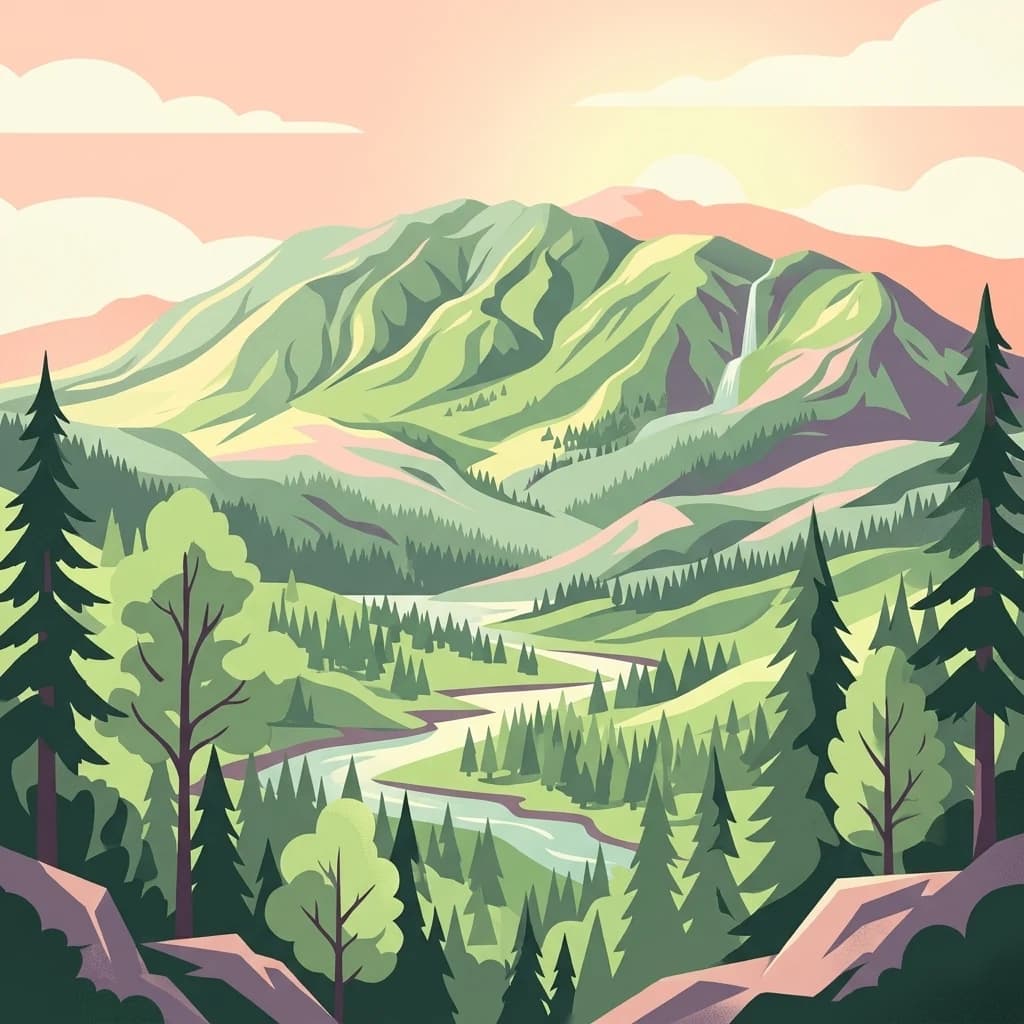
Centering on the Sierra la Primavera volcanic complex, this biosphere reserve functions as an essential green corridor and water catchment zone. The terrain consists of a complex mosaic of vegetation types, including pine-oak forests and relict cloud forest patches across high-elevation ridges. Discover the structural role of these protected lands in moderating the climate and supporting biodiversity in the Guadalajara metropolitan region.
- Area
- 305 km²
- Established
- 2000
- IUCN
- VI
- Relief
- Mountain