
Why Drents-Friese Wold National Park stands out
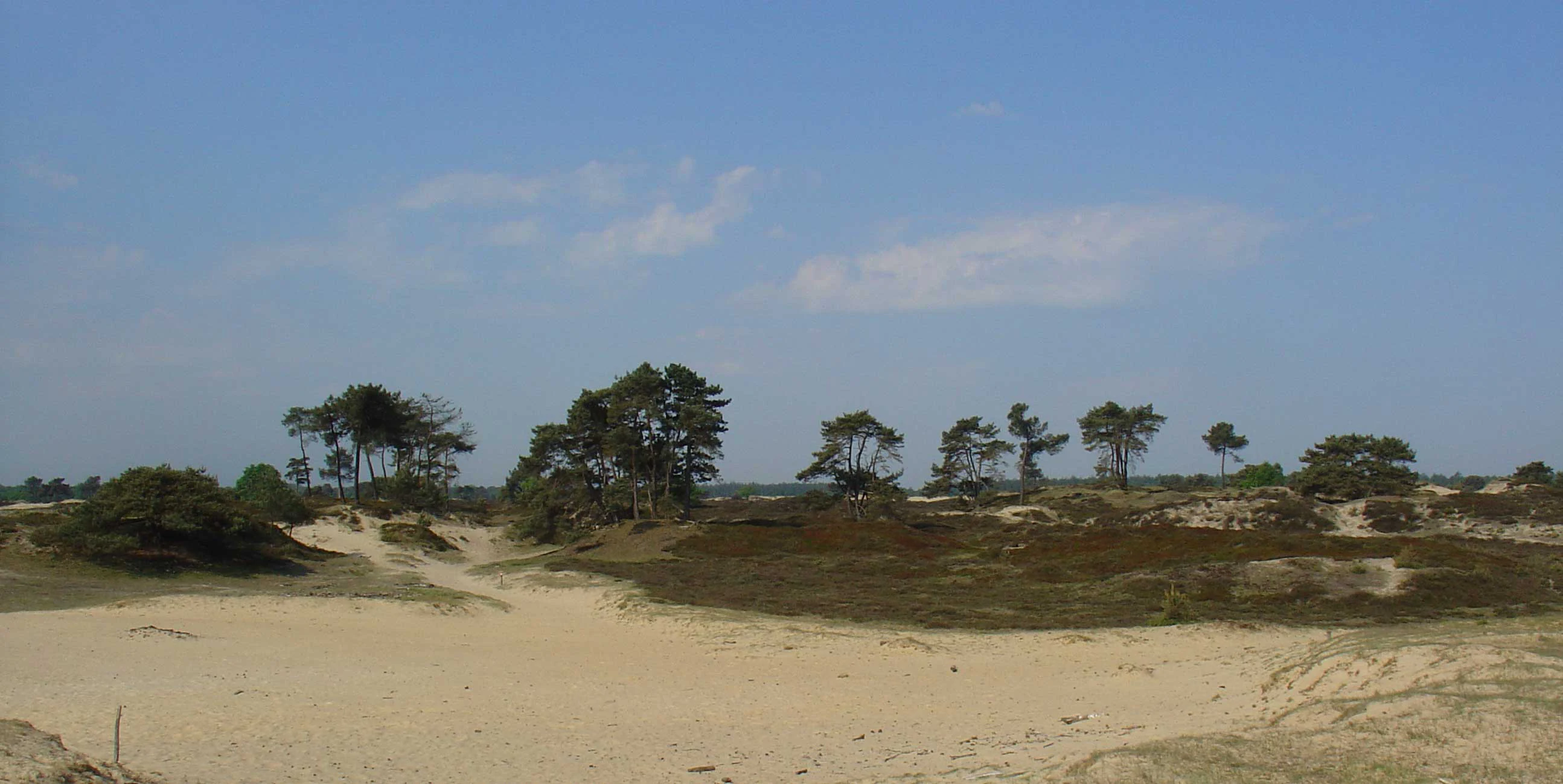
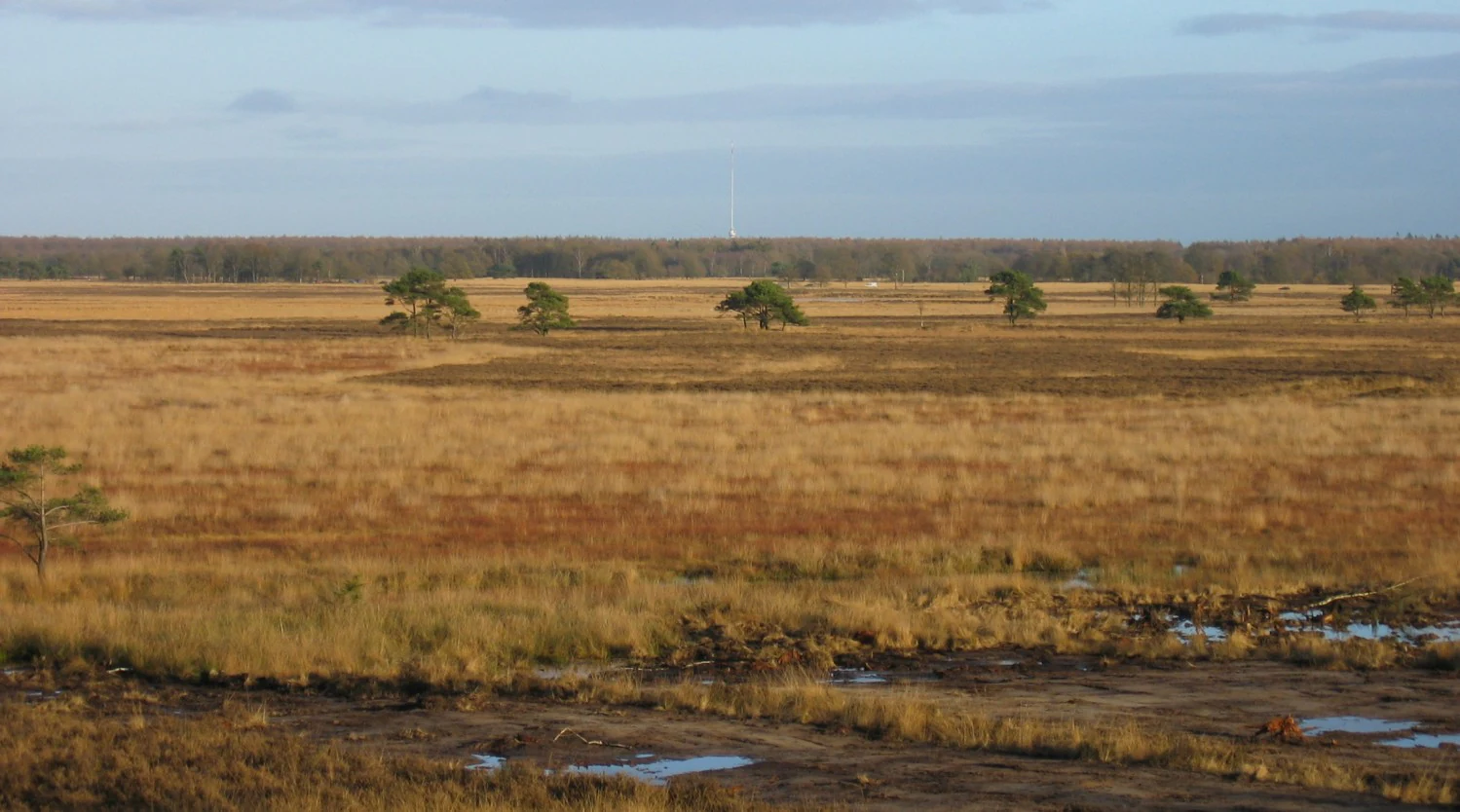
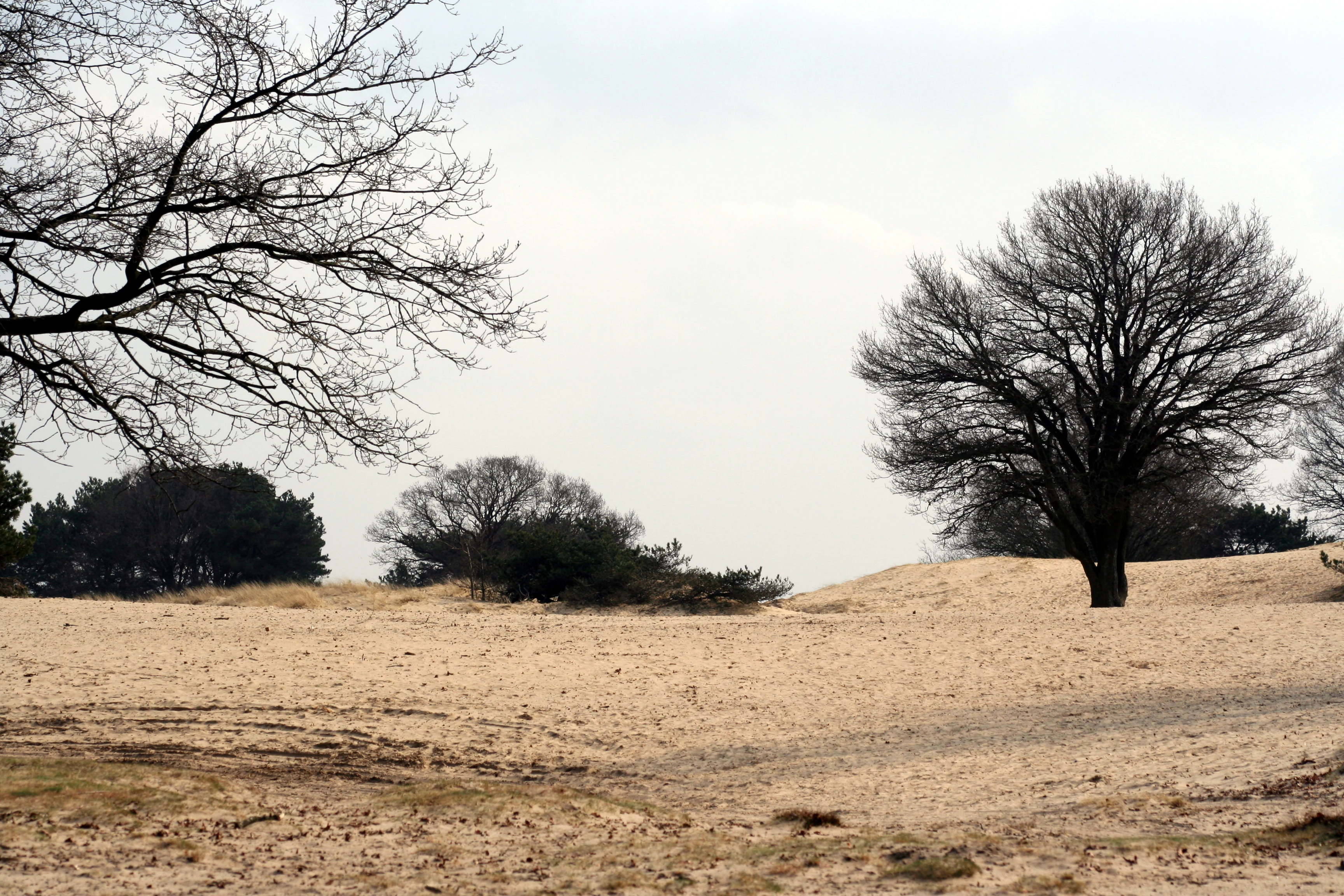
Drents-Friese Wold is best known for its extensive heathlands and drift-sand formations, which are rare in the Dutch context. The Aekingerzand area near Appelscha, locally known as the 'Kale duinen' or Bare Dunes, represents one of the most distinctive drift-sand landscapes in the country. The park is also notable for its ancient esdorp cultural landscape, where centuries of sheep grazing and plaggen soil removal created the characteristic heath and sand environments. The area contains several important archaeological sites including a hunebed (megalithic tomb) near Diever and numerous burial mounds from the Neolithic and Iron Age periods.
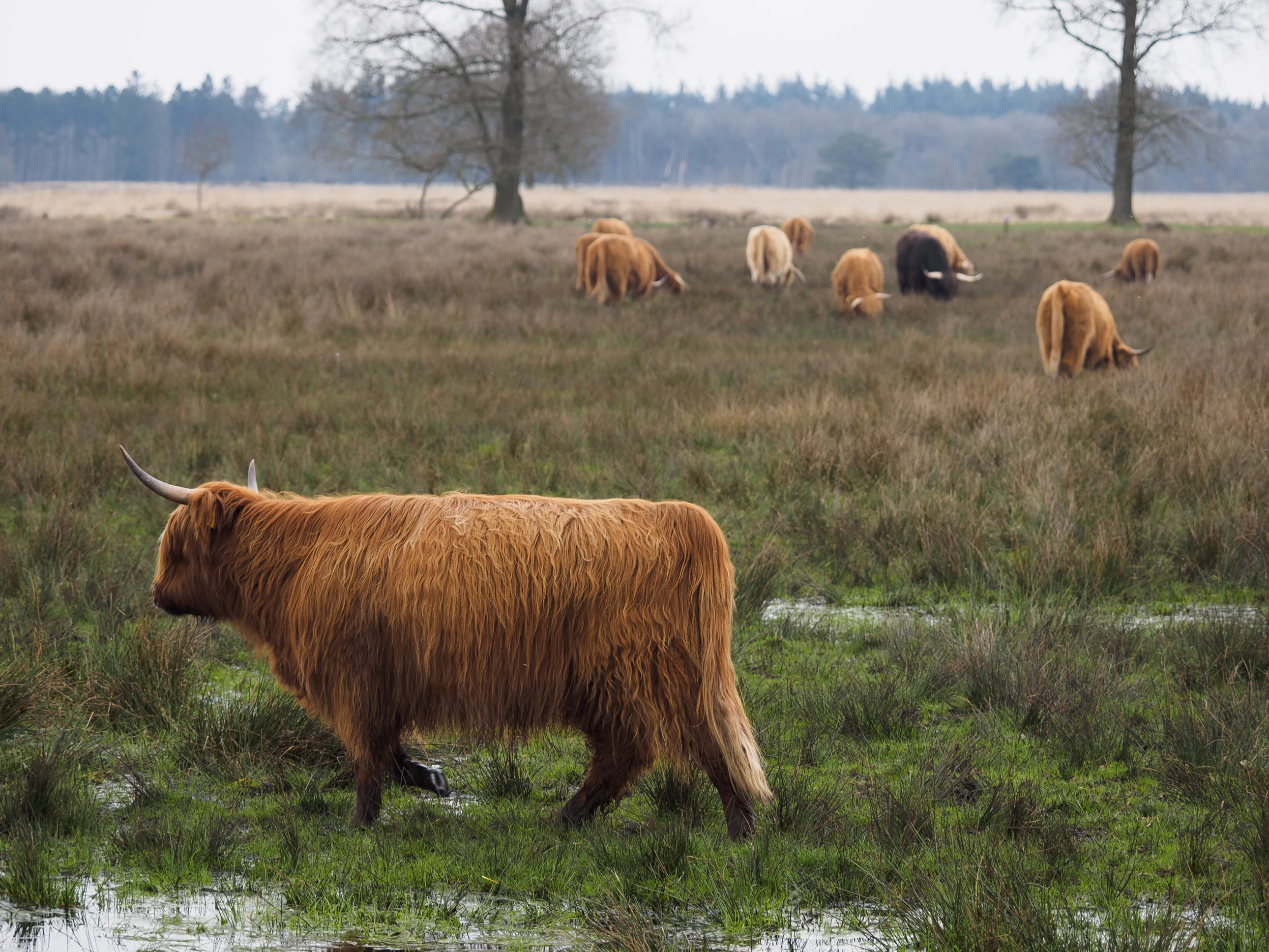
Drents-Friese Wold National Park history and protected-area timeline
Human presence in the Drents-Friese Wold area dates back to the Stone Age, with numerous archaeological remains providing evidence of early habitation. The landscape bears the marks of the esdorp culture that characterized much of the sandy soils region of the Netherlands, where farmers from clustered villages used outlying lands for seasonal grazing. The continuous removal of minerals through centuries of grazing and the harvesting of plaggen soil for the potstal (pot-stall) cultivation system gradually depleted the land, transforming former grasslands into heathlands and, in some areas, creating the drift-sand formations that remain today. In the 19th century, following the invention of artificial fertilizer, the government began systematic reforestation programs on the previously degraded 'woeste gronden' (waste lands). Native species like oak and Scots pine were planted alongside exotic species including Douglas fir, American oak, and Japanese larch. The park was formally established in 2000 as a national park, recognizing both the ecological value and cultural significance of the area. A significant event in the park's recent history was the wildfire that burned approximately 75 hectares of heathland on the Doldersummerveld in August 2018, near the village of Wateren on the Drenthe-Friesland border.
Drents-Friese Wold National Park landscape and geographic character
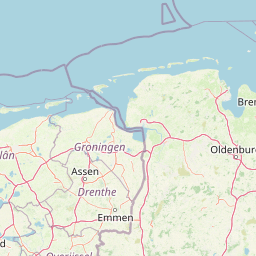
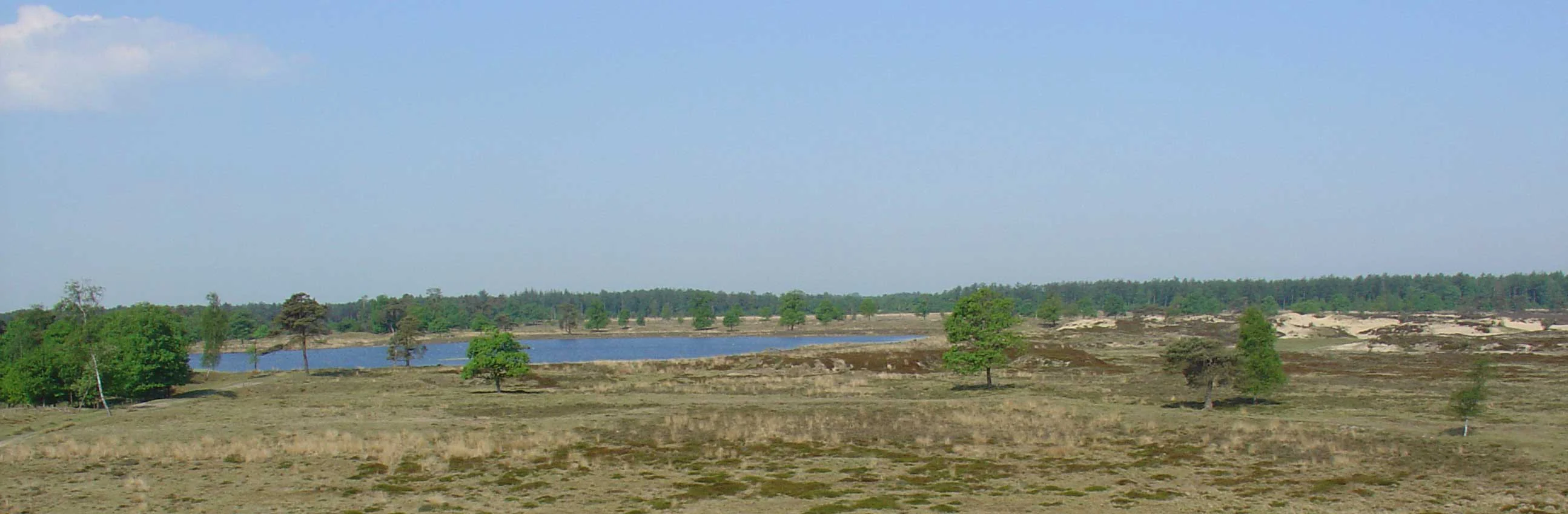
The physical landscape of Drents-Friese Wold presents a characteristic Dutch heathland environment with notable drift-sand areas. The terrain is largely flat to gently undulating, typical of the northern Dutch plains. The Aekingerzand near Appelscha represents the most prominent drift-sand area, known locally as the 'Kale duinen' for its almost bare appearance. Similar drift-sand formations occur at Doldersummerveld, Berkenheuvel, and Wapserveld. The park contains several distinct areas including the heathlands of the Doldersummerveld in the center, the forested zones in the north and east around Hoogersmilde, Diever, and Appelscha, and the more open heath areas near Diever. The Vledder Aa river traverses the park, representing one of the few remaining natural streams in the Netherlands. The landscape also includes small dune-like formations created by wind action on the exposed sand surfaces.
Drents-Friese Wold National Park ecosystems, habitats, and plant life
The ecological character of Drents-Friese Wold is defined by its mosaic of heathland, drift-sand, and coniferous and deciduous forest habitats. The heathlands support specialized plant communities adapted to acidic, nutrient-poor sandy soils. The drift-sand areas create open habitats with pioneer vegetation suited to the constantly shifting substrate. The planted forests, while not original old-growth, have developed into important semi-natural woodland habitats over the past century and a half. The park is recognized as an Important Bird Area in partnership with the adjacent Leggelderveld, designated by BirdLife International for populations of tree pipit, red-backed shrike, honey buzzard, and black woodpecker. The diversity of habitats supports a range of plant species including bell gentian, lavender heather, wolf's claw, and sundew, all characteristic of heathland environments.
Drents-Friese Wold National Park wildlife and species highlights
Drents-Friese Wold supports a diverse fauna reflecting its varied habitats of heath, forest, and open sand. The park is home to several mammal species including the European pine marten, red fox, roe deer, and stone marten. The wolf, though not resident, has been spotted in the area in recent years, reflecting the broader recovery of this species in the Netherlands. Reptile and amphibian populations include the viviparous lizard, smooth snake, adder, grass snake, and the great crested newt, a species of European conservation concern. Birdlife is particularly noteworthy, with the park supporting populations of common raven, various woodpecker species including the black woodpecker, hawk, buzzard, and honey buzzard. The reptile and amphibian communities are well-represented with species like the hazelworm (slowworm), great crested newt, and viviparous lizard inhabiting the heath and forest edges.
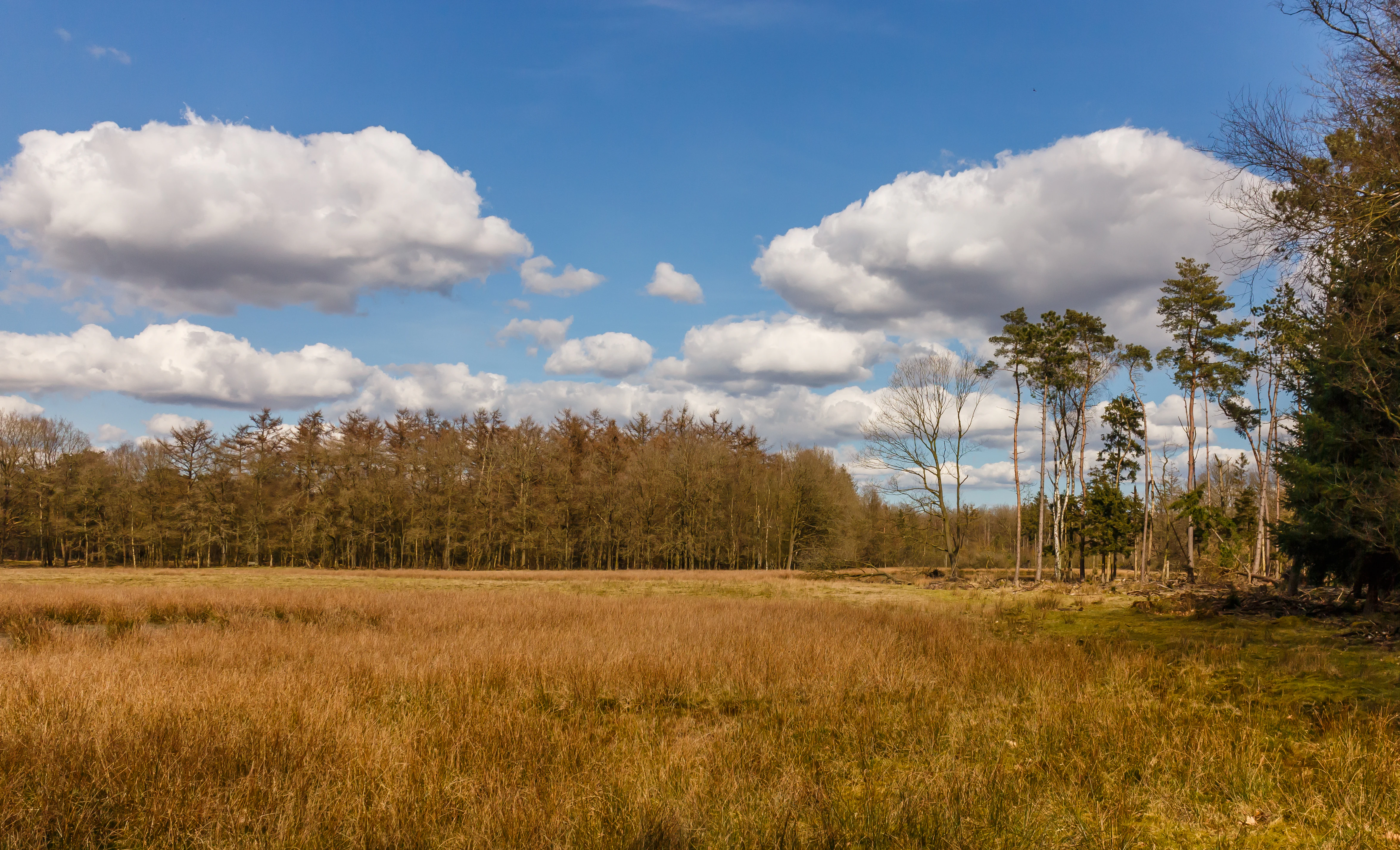
Drents-Friese Wold National Park conservation status and protection priorities
Drents-Friese Wold holds significant conservation value as one of the largest contiguous natural areas in the Netherlands and as a representative example of the esdorp cultural landscape. The park is designated under IUCN Category II as a national park and forms part of the Natura 2000 network of protected European sites. Its status as an Important Bird Area highlights the park's international significance for bird conservation. The management approach involves multiple organizations coordinating conservation efforts across the park's varied habitats. Restoration work on the Vledder Aa and its tributary the Tilgrup has improved water quality and restored natural hydrological processes. The ongoing challenge of maintaining the heathland habitat, which requires active management to prevent succession to forest, reflects the cultural origin of this landscape and the need for continued human intervention to preserve its ecological character.
Drents-Friese Wold National Park cultural meaning and human context
The cultural heritage of Drents-Friese Wold is deeply intertwined with the esdorp settlement pattern that shaped much of the sandy soils region of the Netherlands. The area contains significant archaeological evidence of human occupation spanning from the Neolithic period through to modern times. Near Diever, a hunebed (megalithic tomb) marks the eastern edge of the park, while burial mounds from the Neolithic and Iron Age periods are found near Doldersum and elsewhere in the park. The cultural landscape reflects centuries of traditional land use through sheep grazing and the plaggen system of soil removal. More recent history is represented by an underground hideout from World War II located approximately three kilometers from Diever, evidence of the area's role during the German occupation. The villages surrounding the park, including Appelscha, Diever, Hoogersmilde, and Vledder, maintain strong connections to the protected area.
Top sights and standout views in Drents-Friese Wold National Park
The Drents-Friese Wold offers several standout features that distinguish it within the Dutch national park system. The drift-sand area of Aekingerzand near Appelscha presents one of the most visually striking heathland landscapes in the Netherlands, with its almost desert-like appearance locally called the 'Kale duinen'. The park's extensive network of cycle paths makes it particularly popular for cycling recreation, while the visitor center at Appelscha provides an introduction to the park's natural and cultural values. The presence of the Vledder Aa, the only Dutch river with a completely natural upper course, adds hydrological significance. Archaeological features including the hunebed near Diever and burial mounds provide tangible connections to prehistoric and historic periods, while the 2018 wildfire on Doldersummerveld demonstrates the ongoing ecological dynamics of this heathland system.
Best time to visit Drents-Friese Wold National Park
The park can be visited throughout the year, with each season offering distinct experiences. Spring and early summer bring the heathlands into bloom, with purple heather covering large areas typically from July through September. The breeding bird season in spring offers opportunities to observe forest and heathland species. Autumn provides atmospheric conditions in the forests and offers different wildlife viewing possibilities. Winter can be particularly scenic when snow covers the heathlands and forests, though some facilities may have reduced hours. The extensive network of paved cycle paths makes the park accessible for cycling in most weather conditions, while the various visitor centers provide information regardless of season.