Why Schiermonnikoog National Park stands out
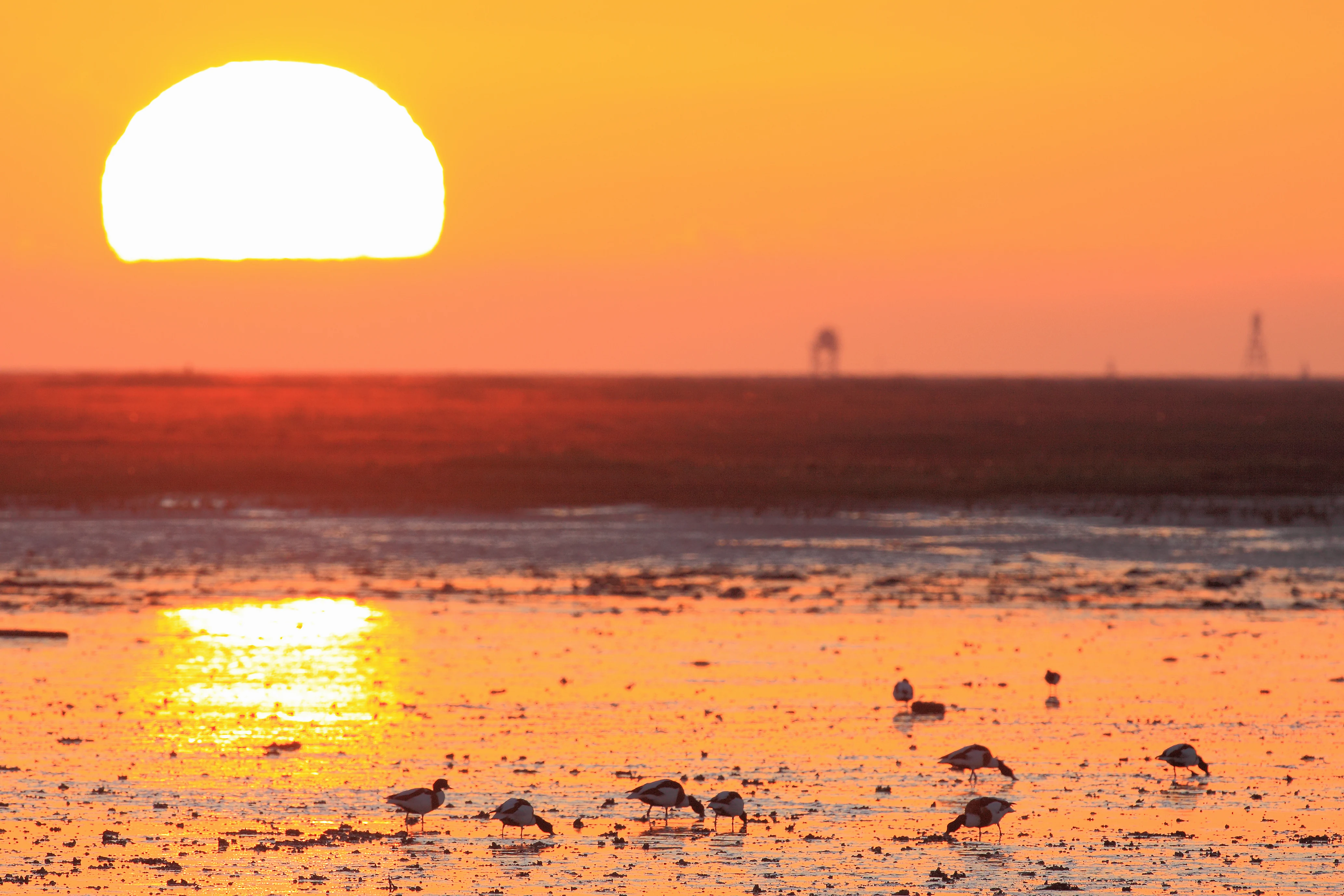
Schiermonnikoog is best known for its dynamic dune systems, which represent a rare example of naturally evolving coastal landscapes in the Netherlands. The island serves as a critical habitat for nesting seabirds, particularly the eider duck, which breeds here with approximately 2,000 pairs. The salt marshes, or kwelders, along the southern coast are vital for migratory birds travelling between Siberia and Greenland. The park's position within the Wadden Sea, a UNESCO World Heritage site, underscores its international importance as a coastal ecosystem supporting grey seals, common seals, and diverse marine life. The transformation of former pine plantations back to deciduous woodland represents an ongoing ecological restoration effort.
Schiermonnikoog National Park history and protected-area timeline
Schiermonnikoog National Park was officially established on 19 July 1989 through a decision of the Minister of Agriculture and Fisheries, marking it as the first Dutch national park created according to modern conservation standards. Prior to protection, the island had long supported a small population of fishermen who lived with the challenging coastal conditions. The state began systematic forestry efforts around 1900 to stabilize shifting sands that threatened the island's habitability. Dikes were constructed to provide security against flooding, and selected marshes were converted to agricultural polders through embankment. Throughout the 20th century, tourism and recreation gradually increased in importance, leading to parts of the island being designated as nature reserves. The establishment of the national park institutionalized comprehensive protection, with management responsibilities delegated to Natuurmonumenten, the Dutch nature conservation organization, while Rijkswaterstaat maintains oversight of coastal protection. The Ramsar designation for the wetland "Duinen Schiermonnikoog" was formalised on 29 August 2000, recognizing its international importance as a coastal wetland ecosystem.
Schiermonnikoog National Park landscape and geographic character
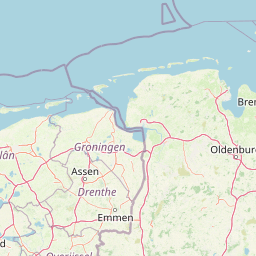
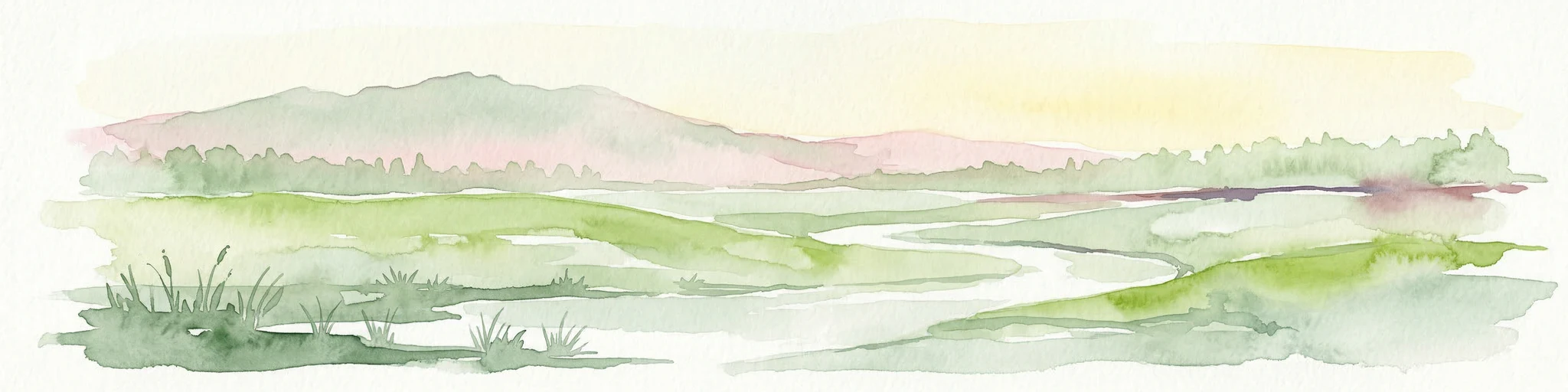
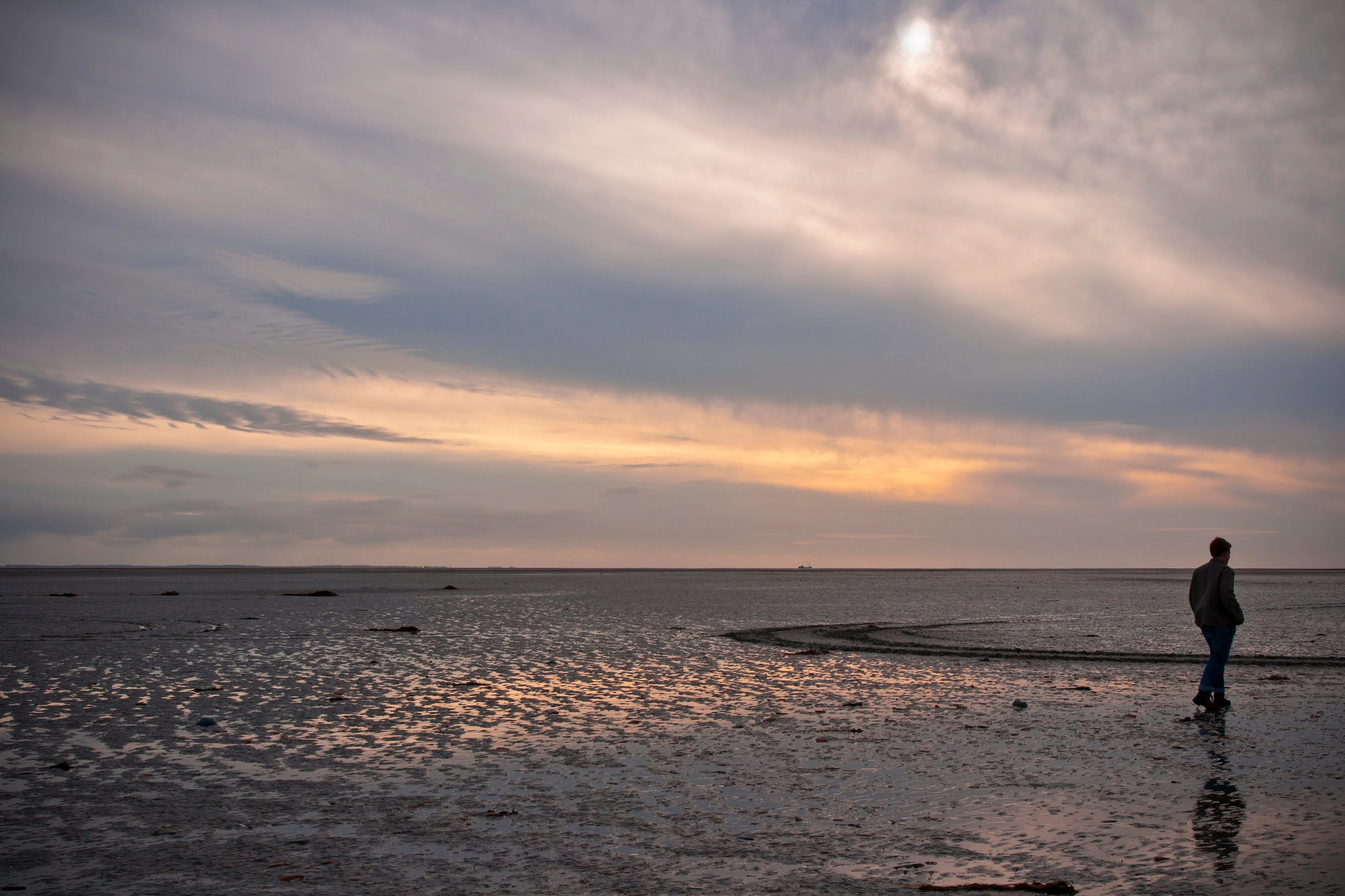
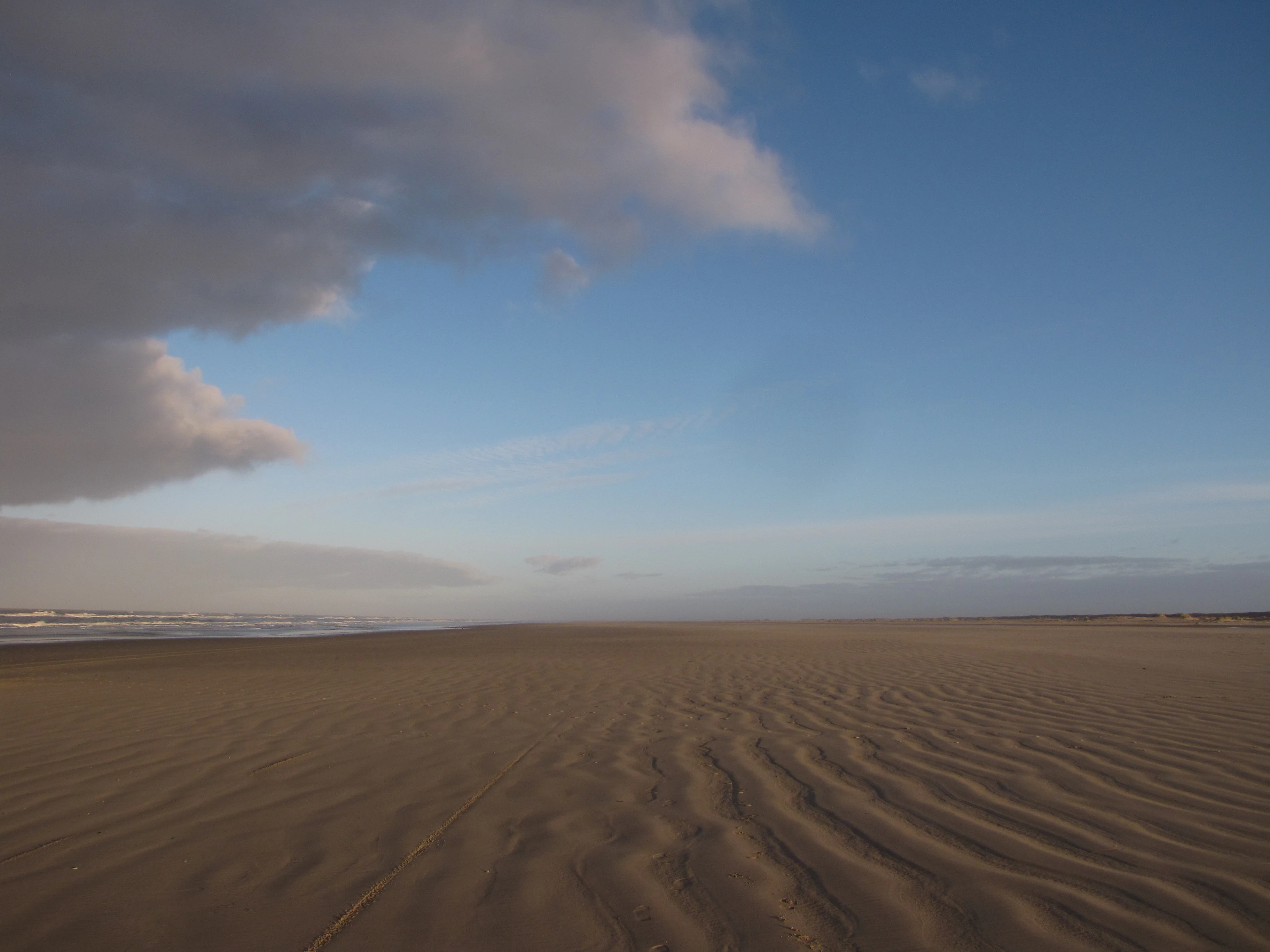
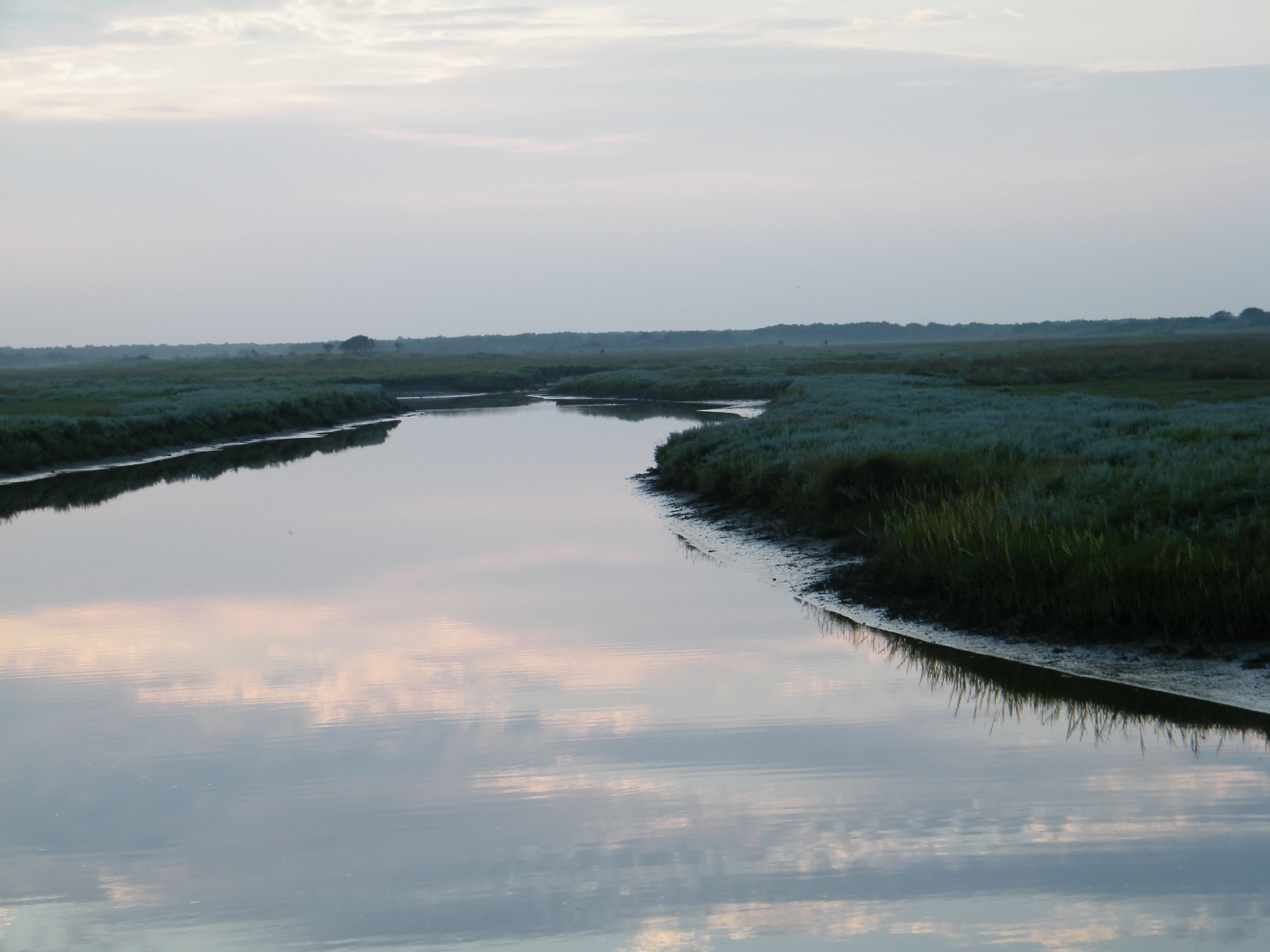
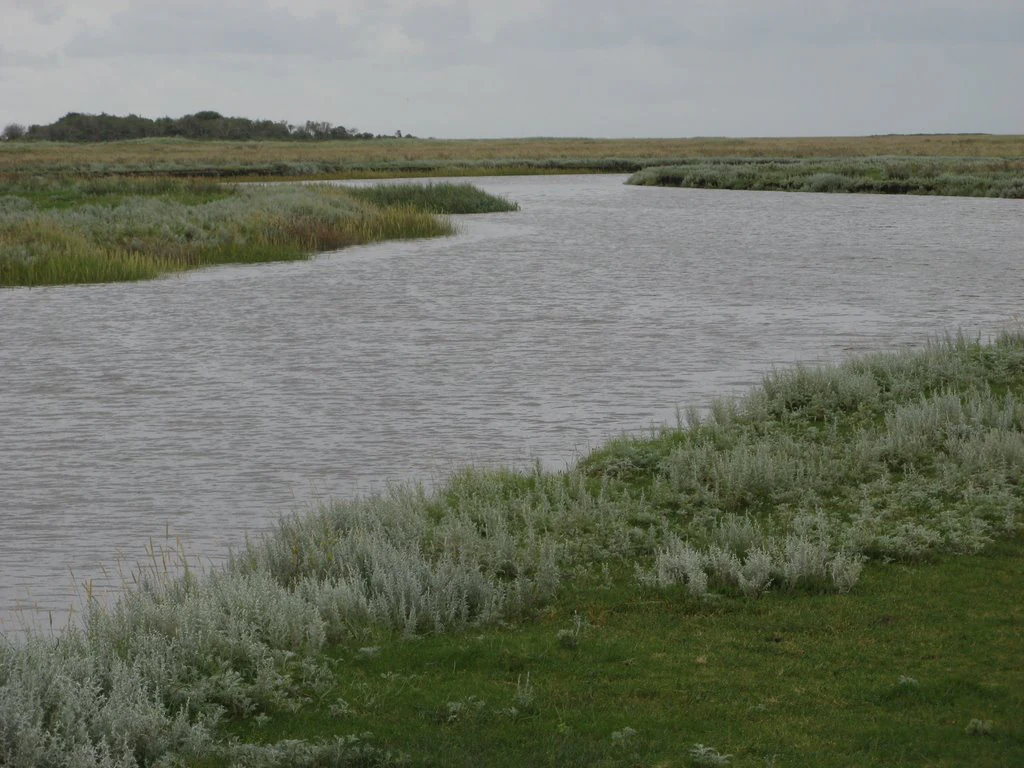
The landscape of Schiermonnikoog reflects the ongoing interaction between wind, water, and sediment that defines the Wadden Sea region. The island's foundation dates to the last glacial period, and its shape has remained in flux ever since, with sand drifting, erosion, and sedimentation continuously reshaping the coastline. The park contains a full spectrum of dune types, from old parabolic dunes to recently formed young dune valleys, each supporting different stages of plant succession. The salt marshes, locally called kwelders, lie along the southern edge bordering the Waddenzee, where tidal flooding deposits sediment and builds the marsh elevation over time. Former embanked marshes have become agricultural polders, contrasting with the natural wetland areas. Freshwater lakes occur in depressions within the dune system, while the tidal flats and beaches extend the landscape into the sea. A small lake and the village of Schiermonnikoog represent the human presence within the otherwise natural landscape.
Schiermonnikoog National Park ecosystems, habitats, and plant life
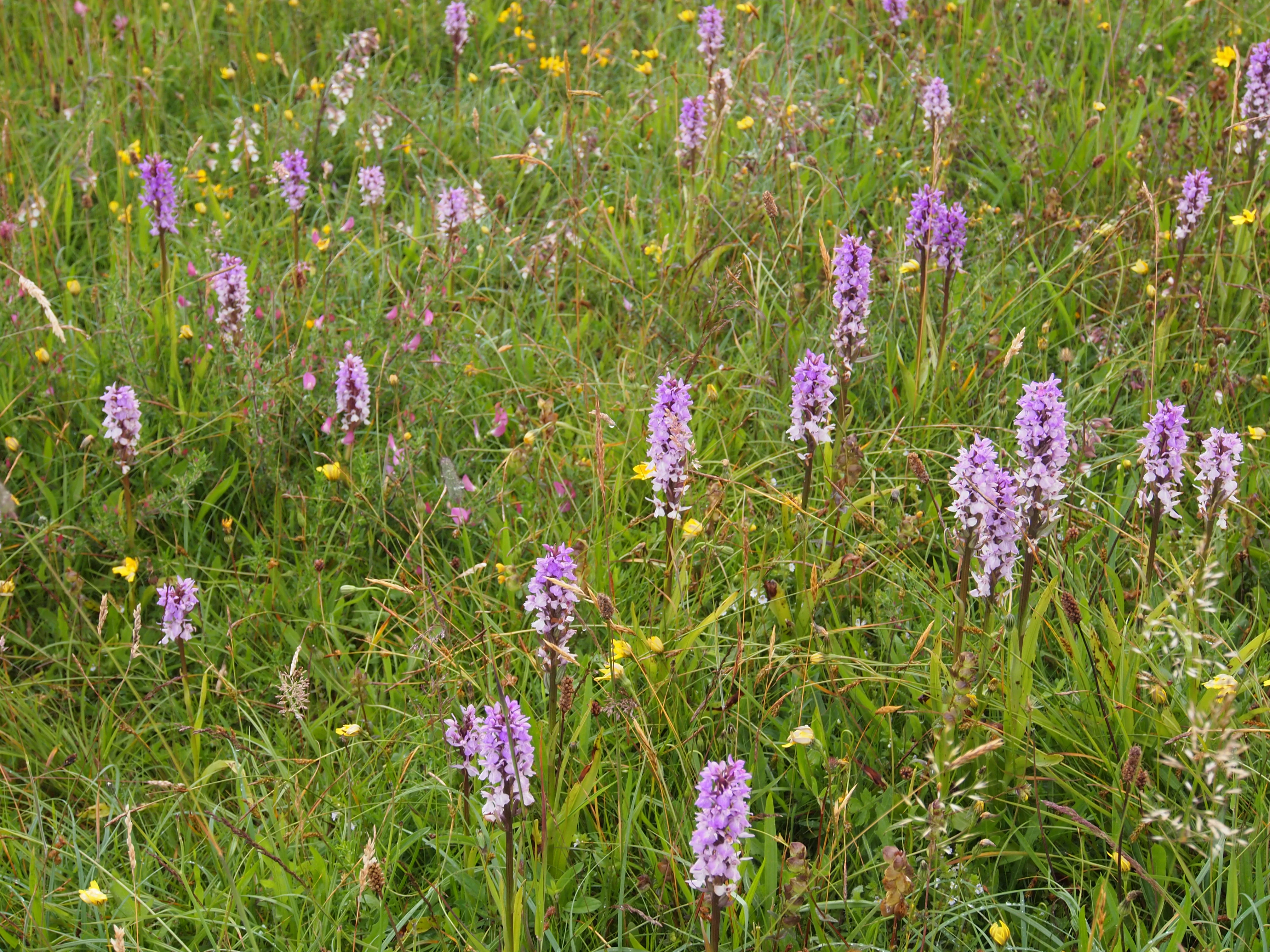
The ecological character of Schiermonnikoog derives from the interplay of terrestrial, freshwater, and marine habitats within a dynamic coastal setting. Dune vegetation progresses from bare sand through moss and lichen communities to specialized shrubs including sea-buckthorn, hawthorn, and honeysuckle as soil conditions stabilize. The salt marsh zones support specialized halophytic plants such as sea lavender, sea wormwood, sea aster, and glasswort, which tolerate regular tidal inundation. Former pine plantations established in the 20th century to combat sand drift are being progressively converted to deciduous woodland, allowing species like silver birch to replace conifers. The underwater environment supports eelgrass beds and diverse seaweed communities, while the tidal flats provide critical foraging grounds for seabirds. The surrounding Waddenzee functions as a nursery area for many fish species and serves as a vital passage for migratory birds traversing between Arctic breeding grounds and more southern wintering areas.
Schiermonnikoog National Park wildlife and species highlights
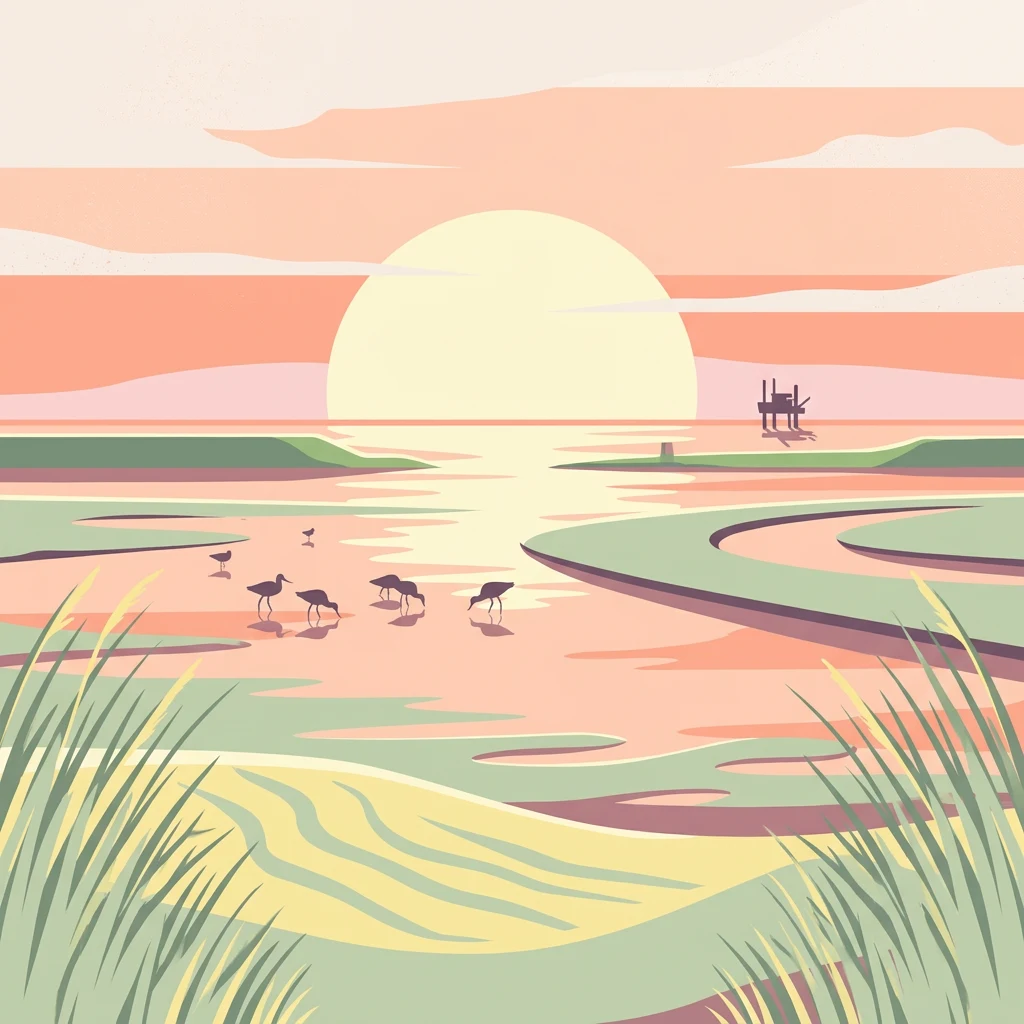
Schiermonnikoog supports an exceptionally rich bird population that changes markedly with the seasons. The island serves as an important breeding ground for seabirds including the eider, with approximately 2,000 nesting pairs, as well as common shelduck, hen harrier, and wheatear. The Oosterkwelder salt marsh hosts significant colonies of Eurasian spoonbill and little egret, while the woodlands provide habitat for species such as Eurasian woodcock and common redstart. During migration and winter, the island becomes a crucial staging area for waders originating from Siberian and Greenlandic breeding grounds, including sanderling, red knot, and black-tailed godwit. Mammal populations include grey seal and common seal in the surrounding waters, while rabbits, once abundant, have declined dramatically due to rabbit haemorrhagic disease. A roe deer was recorded on the island in 2009, representing the first sighting in fifteen years. The dune pearl-related butterflyArgynnis niobe represents a particularly notable insect species.
Schiermonnikoog National Park conservation status and protection priorities
Schiermonnikoog holds multiple layers of international protection reflecting its ecological significance. The Ramsar Convention designated the wetland "Duinen Schiermonnikoog" in 2000, recognizing its value as a coastal wetland habitat. The entire area falls within the Natura 2000 European Union nature protection network, specifically the "Duinen Schiermonnikoog" site covering 10.24 square kilometres. The adjacent Waddenzee was inscribed on the UNESCO World Heritage List in 2009, establishing the international significance of the broader tidal ecosystem. Management objectives focus on increasing the dynamism of dune processes, allowing natural coastal evolution rather than artificial stabilization. Visitor access is regulated during spring and summer to protect breeding bird colonies, with the island's car-free status for visitors contributing to the robust protection of wildlife. Natuurmonumenten holds the park in long-term lease from the Dutch state and coordinates management with governmental bodies and local stakeholders.
Schiermonnikoog National Park cultural meaning and human context
Schiermonnikoog has maintained a delicate balance between human settlement and natural preservation throughout its history. The island's small population historically consisted primarily of fishermen who lived in close association with the sea and coastal environment. The village of Schiermonnikoog remains the only settlement within the park boundaries, while the Banckspolder agricultural area lies outside the protected zone. The Dutch name "Nationaal Park Schiermonnikoog" reflects the island's identity within the Frisian province of Friesland. The landscape bears traces of historical human intervention, from the early 20th-century forestry programs to the creation of polders, yet these modifications remain relatively modest compared to many other European coastal areas. The park's cultural context is essentially one of minimal habitation within a predominantly natural landscape, a pattern that has been preserved through the protection framework established in 1989.
Top sights and standout views in Schiermonnikoog National Park
Schiermonnikoog stands out as the most untouched island in the Dutch Wadden Sea, offering a rare combination of dynamic natural processes and robust ecological protection. The park's dune systems demonstrate active coastal evolution, with new dunes forming while older ones stabilize and transform through plant colonization. The eider duck colony of approximately 2,000 breeding pairs represents one of the most significant nesting populations in the Netherlands. The salt marsh habitats support internationally important populations of waders during migration, with species travelling from Siberian and Greenlandic breeding grounds. The UNESCO World Heritage designation of the adjacent Waddenzee in 2009 underscores the park's role within a globally significant coastal ecosystem. The island's car-free status for visitors creates exceptional conditions for wildlife, making this one of the most effectively protected national parks in the Netherlands.
Best time to visit Schiermonnikoog National Park
The character of Schiermonnikoog changes substantially with the seasons, offering different experiences throughout the year. Spring and early summer bring the breeding bird season, when eiders, spoonbills, and other seabirds nest on the island, though visitor access is regulated to minimize disturbance to sensitive colonies. The dunes bloom with sea-buckthorn flowers and the heath vegetation comes alive with colour. Summer offers the warmest weather and easiest access to the beaches, though this is also the period of maximum visitor activity. Autumn sees the departure of breeding birds and the arrival of migratory waders staging between their northern breeding grounds and southern wintering areas. The salt marshes and tidal flats become alive with foraging flocks. Winter transforms the island into a quieter landscape, with fewer visitors and the opportunity to observe seals more easily on the tidal flats. The best time ultimately depends on whether visitors prioritis breeding bird observation, beach recreation, or the spectacle of migratory bird concentrations.