A sandstone bushland sanctuary on the Hawkesbury River, open only in spring for its wildflower displays.
Muogamarra Nature Reserve
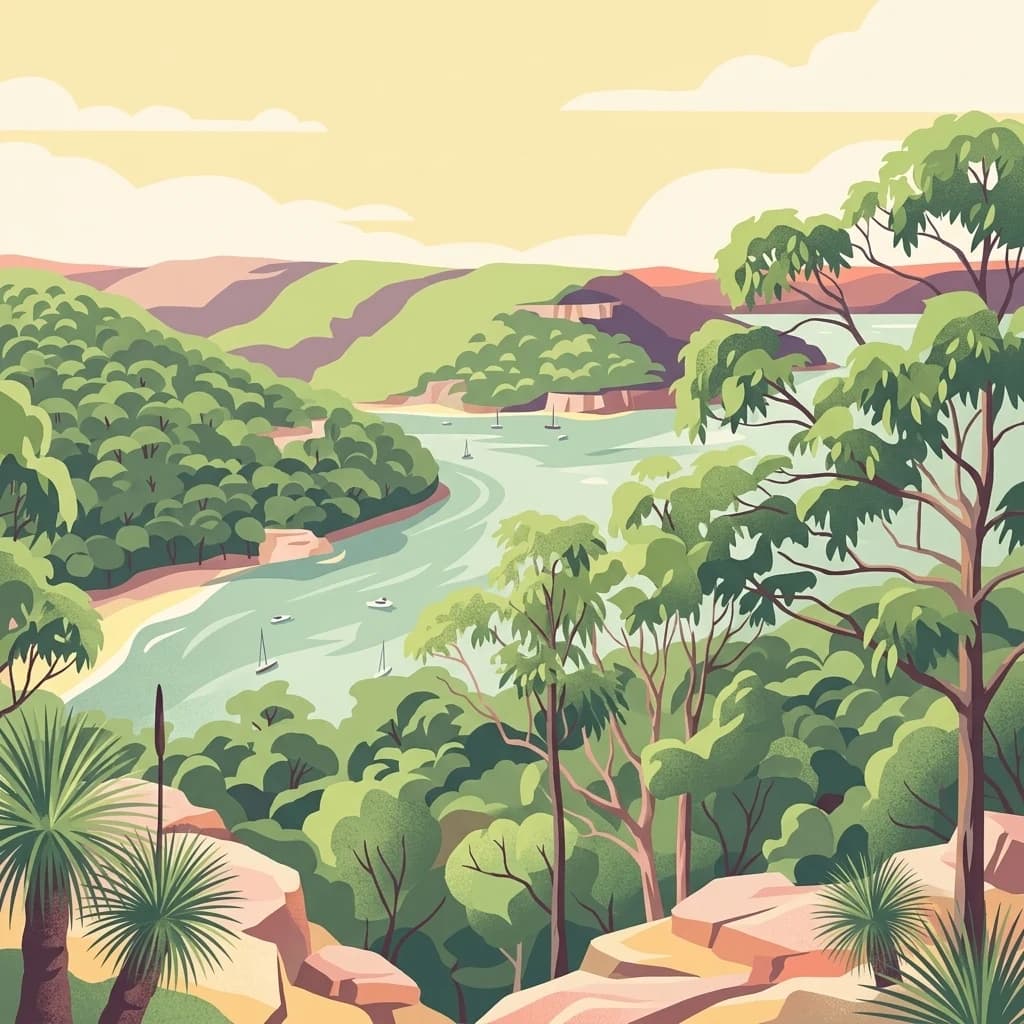
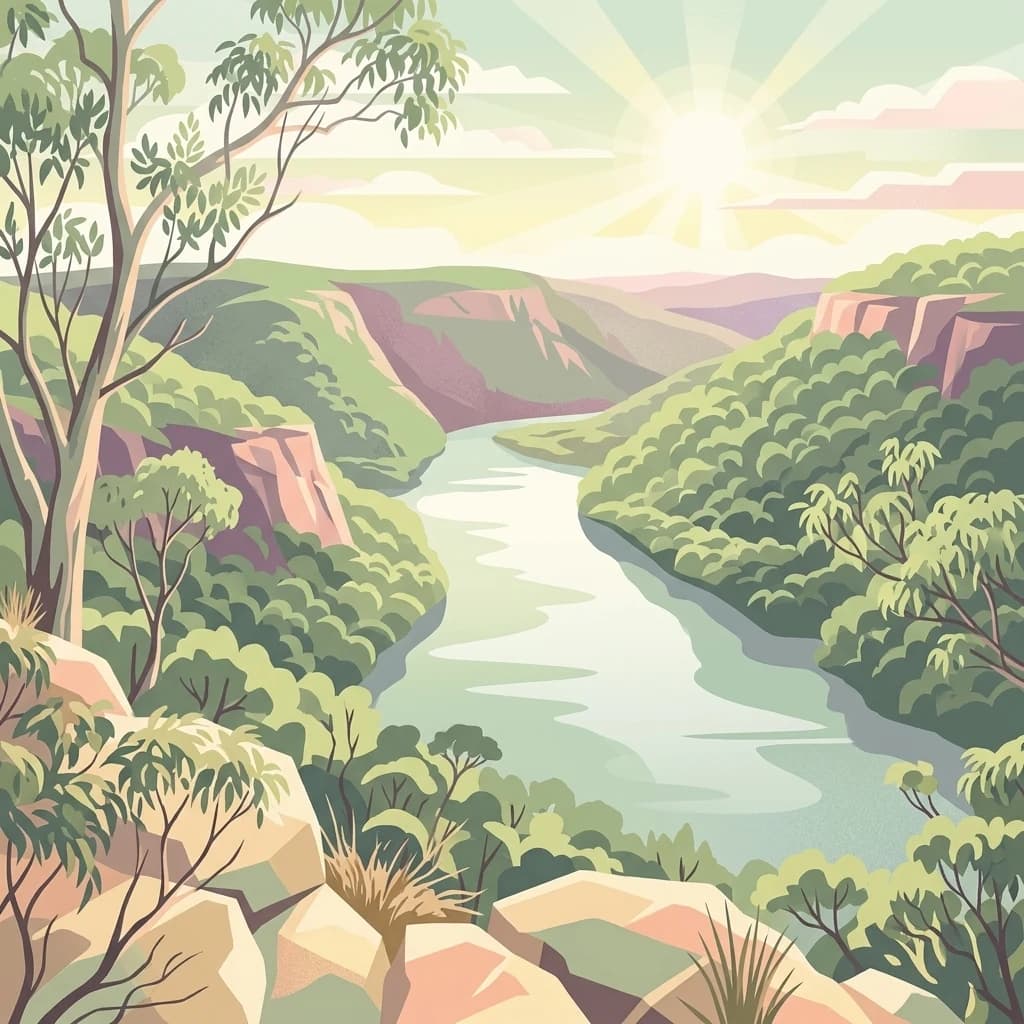
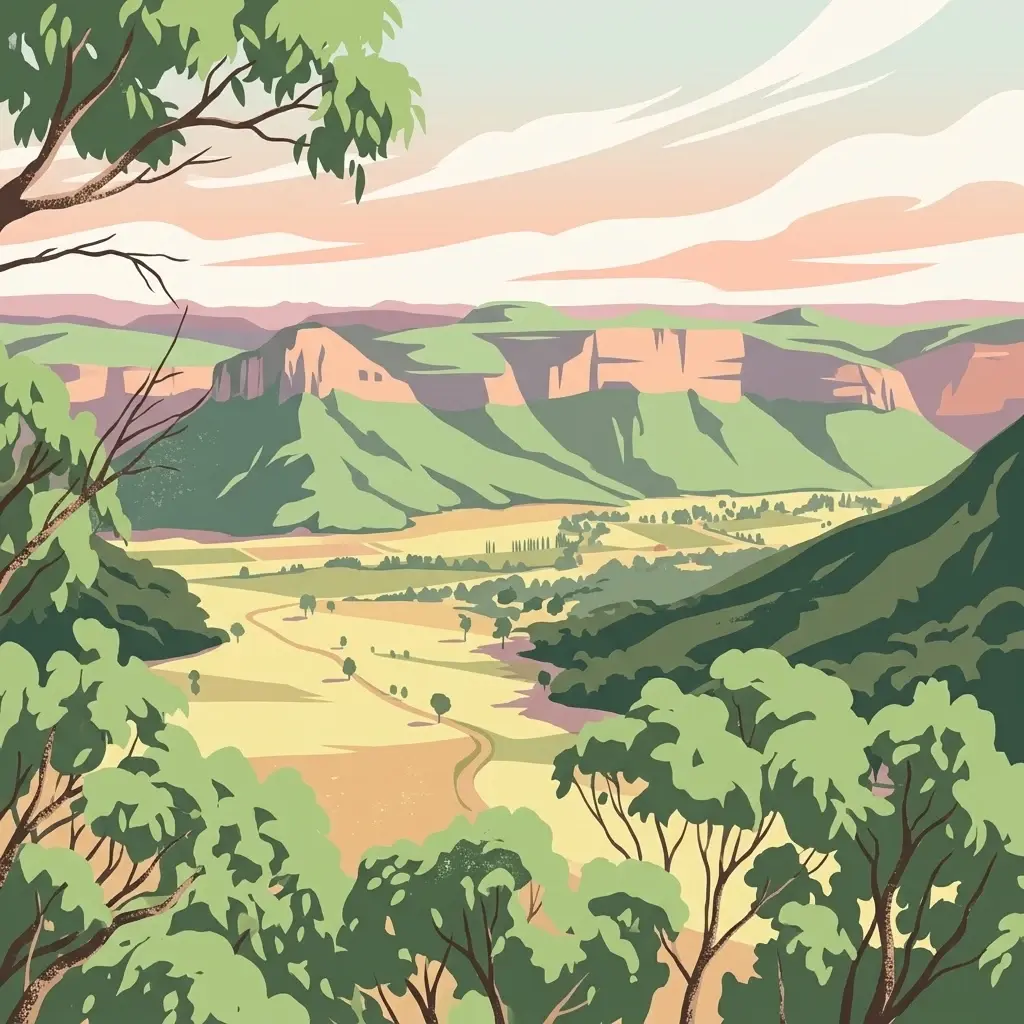
Muogamarra Nature Reserve is a protected bushland reserve on the northern edge of the Sydney region in New South Wales, Australia. It occupies a roughly 2,270-hectare corridor between the suburb of Cowan to the south and the Hawkesbury River to the north, encompassing sandstone ridgelines, rocky slopes, and tidal riverfront. The reserve is managed as a strict nature reserve and is recognised within the IUCN's most restrictive protected-area category, reflecting its value for conservation rather than recreation.
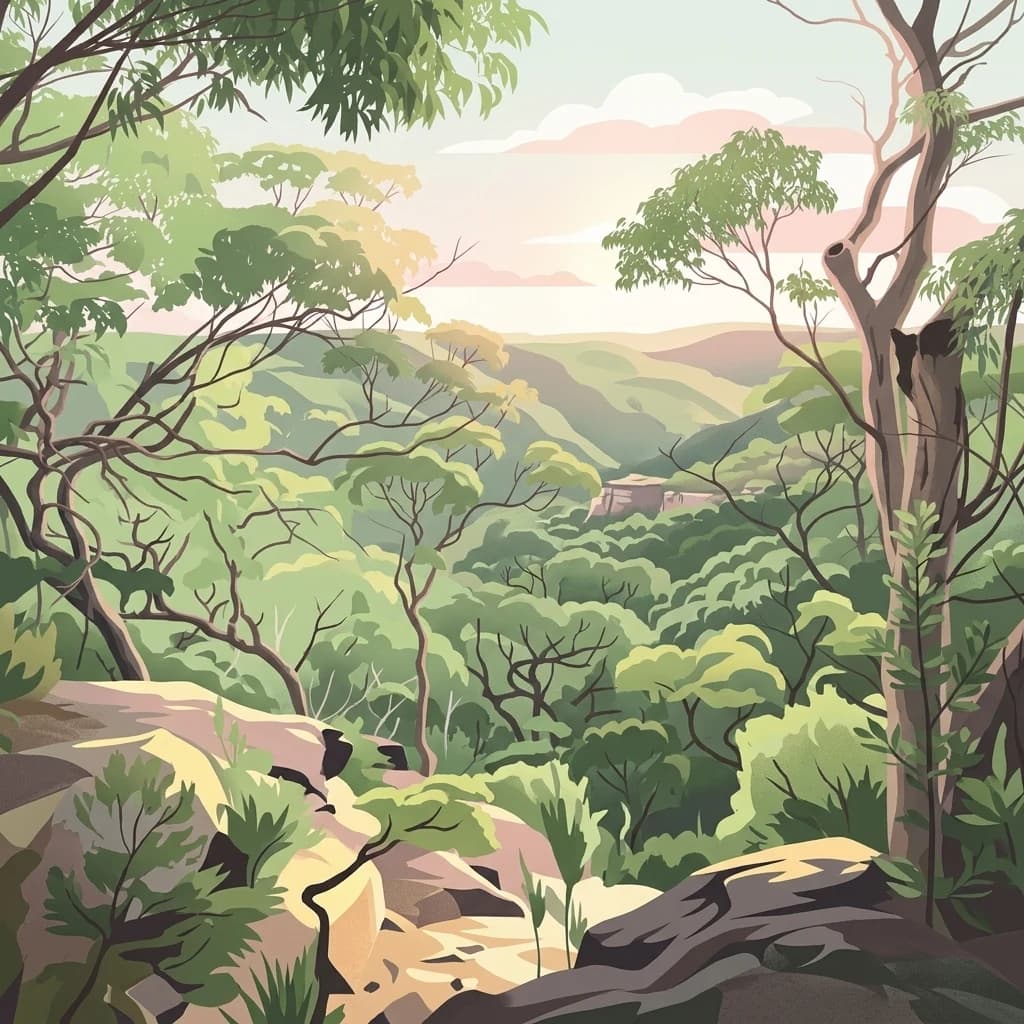
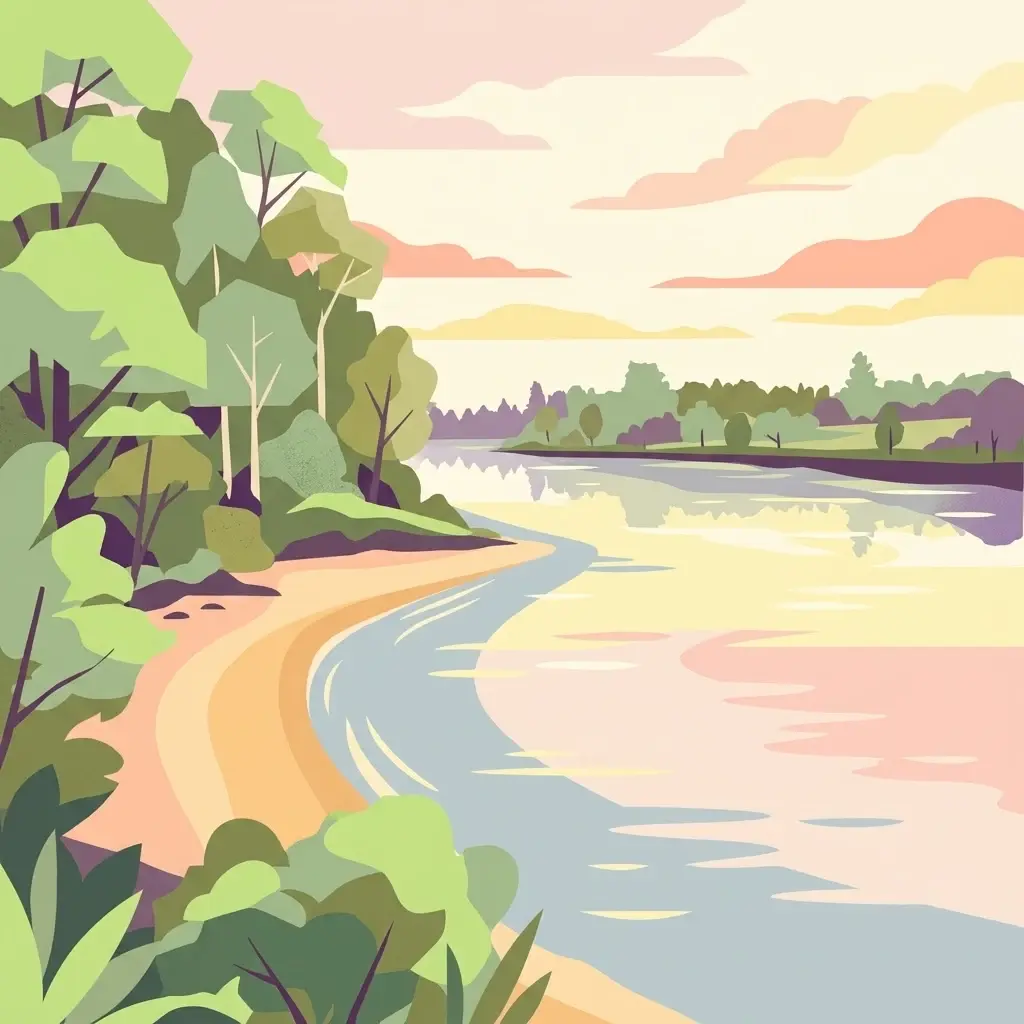
The landscape is dominated by dry sclerophyll forest and shrubland on rocky Hawkesbury sandstone country, with mangrove communities lining stretches of the Hawkesbury shoreline. Public access is tightly controlled: most of the year the reserve is closed to general visitors, but it opens on six weekends each spring when native wildflowers bloom across the slopes. Volunteers lead guided walks during these open weekends, making Muogamarra one of the few Australian reserves where seasonal wildflower viewing plays such a defining role in the visitor experience.
Beyond its ecological value, the reserve contains a remarkable concentration of Aboriginal heritage sites, including rock engravings, grinding grooves, rock shelters, and occupation places linked to the Guringgai people of the Hawkesbury. Together, its seasonal wildflower burst, conservative access regime, and layered cultural landscape give Muogamarra a strongly distinctive identity among Sydney-region reserves.