
Why Aggtelek National Park stands out
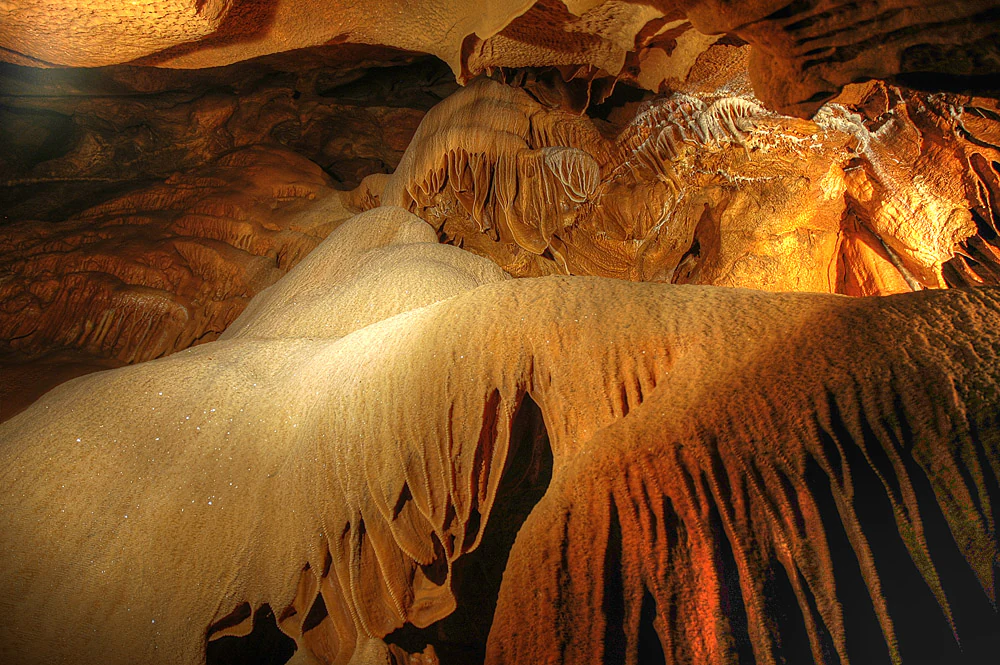
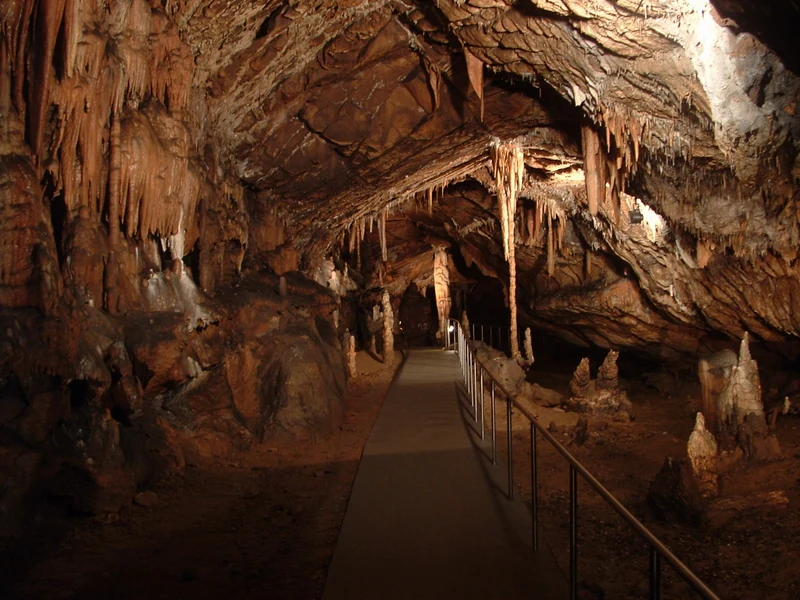
Aggtelek National Park is best known for its exceptional cave systems and karst geological formations. The Baradla-Domica cave system represents the crown jewel, being the longest active stream cave in the temperate zone of Europe at 26 kilometers, with Hungarian and Slovak sections connected underground. The park features remarkable speleothems including stalactites, stalagmites, flowstone formations, helictites, and even rare aragonite bushes. The Szilicei Ice Cave at 503 meters elevation holds the distinction of being the world's lowest-lying ice cave. The surface karst phenomena are equally impressive, with diverse dolines, karst fields, and the distinctive karrmeadows known as 'ördögszántás' (devil's ploughing). The Peace Cave contains a sanatorium used for treating asthma patients, utilizing the unique microclimate of the underground environment.
Aggtelek National Park history and protected-area timeline
The history of Aggtelek National Park traces back to the earliest documented exploration of its caves in 1549, though the region's underground wonders have been known to local populations for centuries. The Baradla cave opened to tourists in 1920, marking the beginning of organized visitation to the karst region. Formal protection began in 1940 when the surface of the Baradla-Domica cave system was declared a protected area, followed by the Béke Cave in 1953, Szabadság Cave in 1956, and Vass Imre Cave in 1958. In 1962, all caves within the karst area received legal protection under Hungary's nature conservation legislation. The Aggtelek Landscape Protection Area was established in 1978, operating within the Bükk National Park administration. The area was designated a UNESCO MAB Biosphere Reserve in 1979, with core areas at Haragistya and Nagyoldal totaling approximately 2.35 square kilometers. The national park itself was formally established on January 1, 1985, covering 19,708 hectares. The Esztramos-hegy area was added to the park in 1983 and fully protected in 2001, bringing the total area to approximately 20,182 hectares.
Aggtelek National Park landscape and geographic character
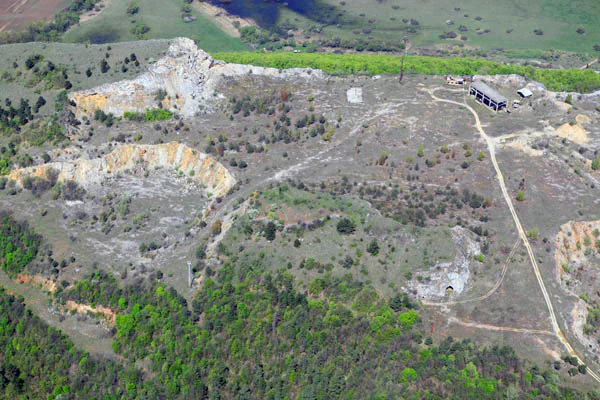
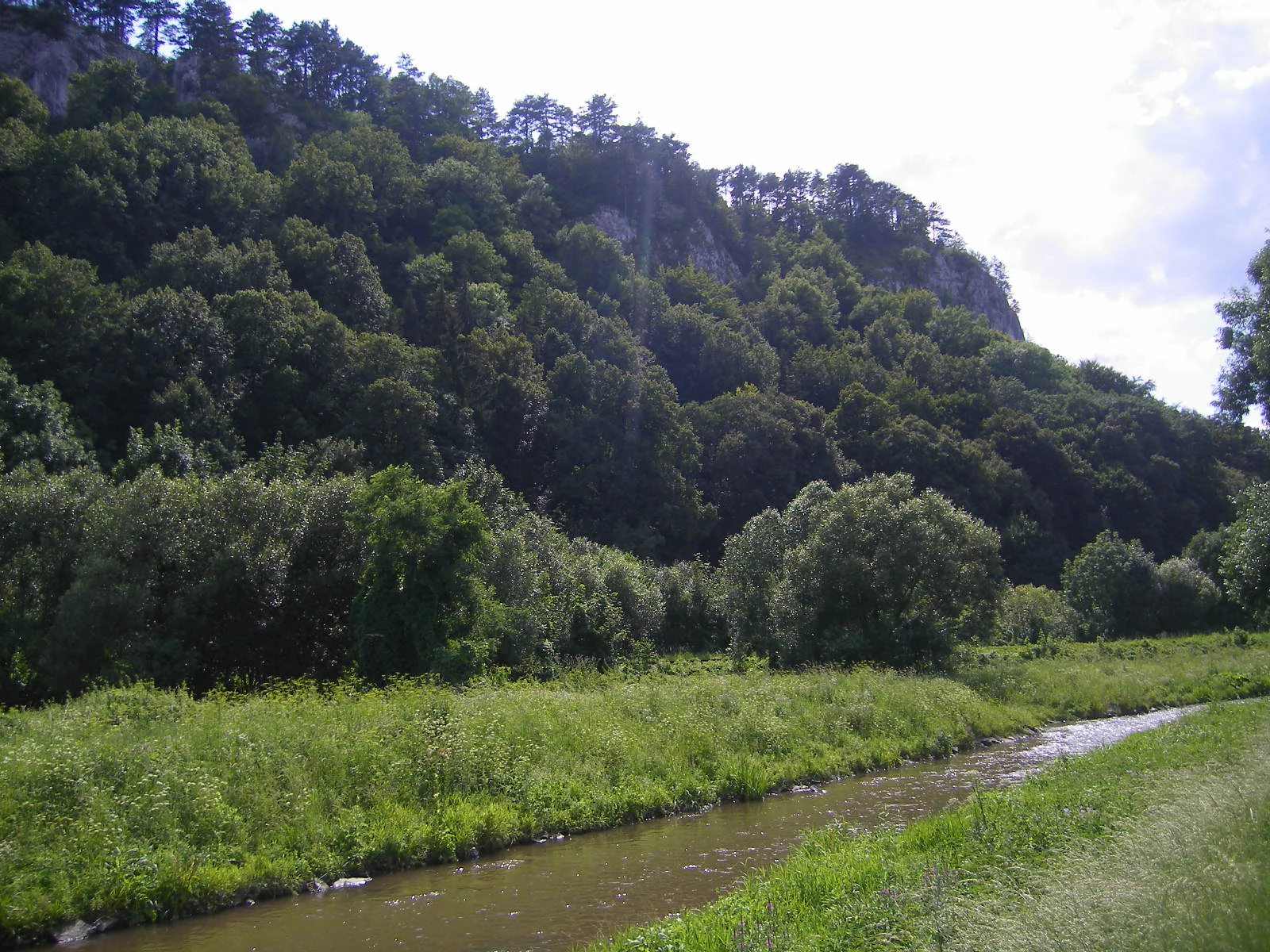
The Aggtelek Karst landscape represents one of Europe's most complete karst ecosystems, characterized by its distinctive limestone plateaus, sinkhole fields, and the extensive cave systems that have formed within the rock mass over millions of years. The terrain consists predominantly of Triassic limestone and dolomite formations that have been extensively karstified, creating a complex underground drainage system. The surface displays classic karst topography including dolines (sinkholes), karst valleys, and the characteristic karrmeadows where the limestone has been dissected by solution into intricate knife-edge ridges. The highest points reach middle mountain elevations while the valleys contain the park's main watercourses including the Jósva stream, fed by the largest karst springs in the region. The Bódva river and its tributaries drain the eastern portions of the park. Several natural and artificial lakes occur within the park boundaries, including the popular Tengerszem-tó (Sea Eye Lake), reflecting the complex hydrology of the karst system.
Aggtelek National Park ecosystems, habitats, and plant life
The Aggtelek Karst supports remarkable ecological diversity despite its relatively limited surface area, positioned at the boundary between the Pannonian and Carpathian floristic regions. The park contains a dedicated forest reserve of 1,327 hectares with a core protected area of 596 hectares. The predominant forest type is oak-hornbeam forest, with beech forests in deeper valleys and rocky steppe forests on the plateaus. The varied topography creates multiple microhabitats, from the sunny southern slopes hosting warm-adapted species to the cool, humid sinkholes supporting specialized flora. The vegetation includes several endemic and protected species, most notably the Tornai bloodyword (Tornai vérfű), a strictly protected endemic species considered one of the park's most precious botanical treasures. Other significant species include Austrian dragonhead and various orchids adapted to the specific karst habitats. The park's position at the biogeographic boundary results in a mixing of species from different regional faunas, creating an exceptionally biodiverse environment.
Aggtelek National Park wildlife and species highlights
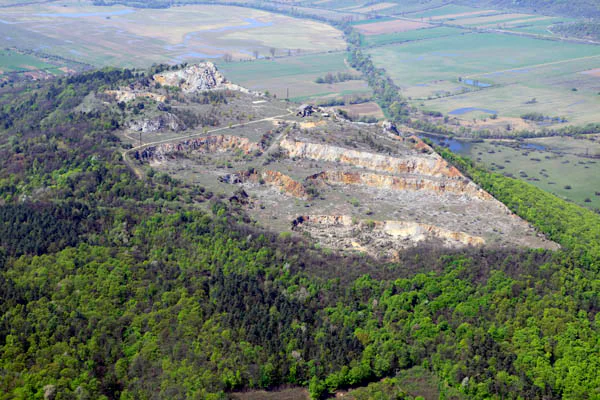
Aggtelek National Park supports impressive faunal diversity with 413 protected and strictly protected animal species recorded within its boundaries. The large mammal community includes red deer, wild boar, roe deer, and the return of large predators including gray wolf and Eurasian lynx to the Northern Hungarian Mountains in recent decades. The Hucul horse, a traditional mountain pony breed, is kept in the park's state-owned stud farm representing one of Hungary's only publicly owned horse herds. The avifauna is particularly rich, featuring birds of prey such as the eastern imperial eagle and common buzzard, along with species like the hazel grouse representing the only Hungarian breeding population of this bird family. The cave systems support an exceptional troglobitic fauna with over 500 cave-dwelling and cave-preferring species, including several endemic and rare species such as the Hungarian blind ground beetle and the Aggtelek blind freshwater crayfish. Twenty-one of Europe's 28 bat species occur in the park's caves, making it significant for bat conservation. The fish community in the karst waters is remarkably diverse with 42 species recorded, including 13 protected species.
Aggtelek National Park conservation status and protection priorities
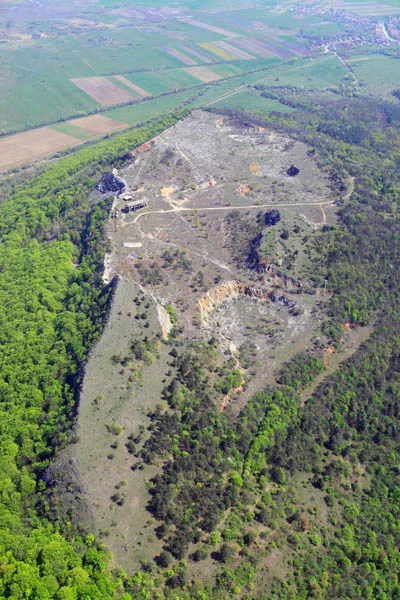
Aggtelek National Park holds exceptional conservation significance as one of Europe's most important karst protection areas and a UNESCO World Heritage Site. The park was designated specifically to protect geological values, representing a pioneering approach in Hungarian conservation. The transboundary World Heritage Site with the Slovak Karst caves was only the third cave system to be inscribed on the UNESCO list, following Mammoth Cave in the USA and Skocjan Caves in Slovenia. The park protects representative examples of nearly two-thirds of all known international speleothem types, including stalactites, stalagmites, flowstone columns, cave pearls, and rare aragonite formations. The surface karst ecosystems support numerous protected species and habitats, while the forest reserves contribute to broader forest conservation in the region. The park serves as a crucial corridor for returning large predators and functions as a biodiversity hotspot at the meeting point of multiple biogeographic regions.
Aggtelek National Park cultural meaning and human context
The Aggtelek region contains significant cultural and historical heritage spanning prehistoric through modern periods. The Rudabánya area within the park's territory is world-renowned for its paleontological significance, where hominid fossils (Rudapithecus hungaricus) dated to 11.5-10 million years ago were discovered, representing some of the earliest human ancestors in Europe. Human occupation since the Stone Age is evidenced by artifacts from the Bükk culture andBronze Age finds including gold objects and decorated ceramics. Medieval villages with church ruins and castle remains dot the landscape, including the 13th-century Szádvár, one of Hungary's largest medieval castles. The park contains various Romanesque and Gothic churches in villages like Rakacaszend, Zubogy, and Ragály, as well as a 14th-century Pauline monastery near Martonyi still under restoration. Traditional Palóc architectural features characterize the surrounding villages with their distinctive decorative porches and facades. The former village of Derenk, abandoned in 1943 to create a hunting area, remains as ruins within the park. The region maintains strong traditional connections to horse breeding through the Hucul stud farm.
Top sights and standout views in Aggtelek National Park
Aggtelek National Park offers unparalleled karst exploration opportunities with its world-class cave systems, making it a premier destination for speleology and geological tourism. The Baradla cave system with its illuminated show passages provides accessible underground wonder, while the many strict protected caves preserve the most sensitive geological and biological features. The surface landscape provides excellent hiking through karst plateaus, past sinkholes, and along the Bódva valley, with seven established educational trails offering interpretive guidance. The presence of returning wolves and lynx adds wildlife watching potential, while the Hucul horse breeding operation provides cultural heritage programming. The transboundary World Heritage designation underscores the international significance of this karst landscape that represents one of the world's most complete temperate karst systems.
Best time to visit Aggtelek National Park
The park can be visited year-round, though the cave systems maintain relatively constant temperatures making them suitable for exploration in any season. Summer offers the best conditions for surface hiking and trail exploration, with warm temperatures on the southern slopes and full trail accessibility. The spring and autumn seasons provide particularly pleasant conditions for walking tours and offer opportunities to observe wildlife activity during migration periods. Winter visits to the caves offer a unique experience with reduced visitor numbers and the possibility of seeing ice formations in some caves. The park's educational center at Jósvafő operates throughout the year, and the various seasonal programs including the water world day, Earth Day, and bird and tree day provide themed visit opportunities.