
Why Appennino Tosco-Emiliano National Park stands out
The park is best known for its remarkable ecological diversity, spanning the transition between Mediterranean and continental climates, and for protecting some of Italy's most significant wolf habitat. The dramatic summit of Monte Cusna and the surrounding alpine grasslands host golden eagle nesting sites, while the ancient beech forests below shelter populations of red deer and roe deer. The endemic Primula apennina, a rare pink primrose found only on silica-rich rock faces between 1,500 and 2,000 meters, represents the park's botanical significance. The Abetina Reale, one of the few remaining white fir forests in the Apennines, provides a tangible link to the region's historical forest cover.
Appennino Tosco-Emiliano National Park history and protected-area timeline
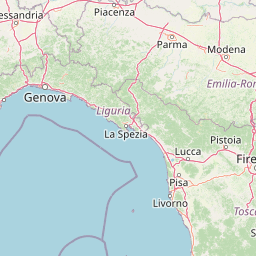
The park was officially established by Presidential Decree on May 21, 2001, making it one of Italy's youngest national parks. Its creation followed the consolidation of territories from two former regional parks: the Parco Regionale del Gigante in the Reggio Emilia area and the Parco Regionale dei Cento Laghi in the Parma region. Additional areas that had never previously been included in protected areas were incorporated into the new national park, such as portions of the municipality of Corniglio. The Parco dei Cento Laghi was subsequently redesignated as the Parco Regionale delle Valli del Cedra e del Parma with revised boundaries defined by regional law in 2004. The Parco del Gigante was dissolved and incorporated into the national park through regional legislation in 2005. The final territories were added to the park in 2010, completing its current extent. The park is governed by the Ente Parco Nazionale Appennino Tosco-Emiliano, a public body operating under Italy's framework law for protected areas (Law 394 of 1991) and under the supervision of the Ministry of the Environment.
Appennino Tosco-Emiliano National Park landscape and geographic character
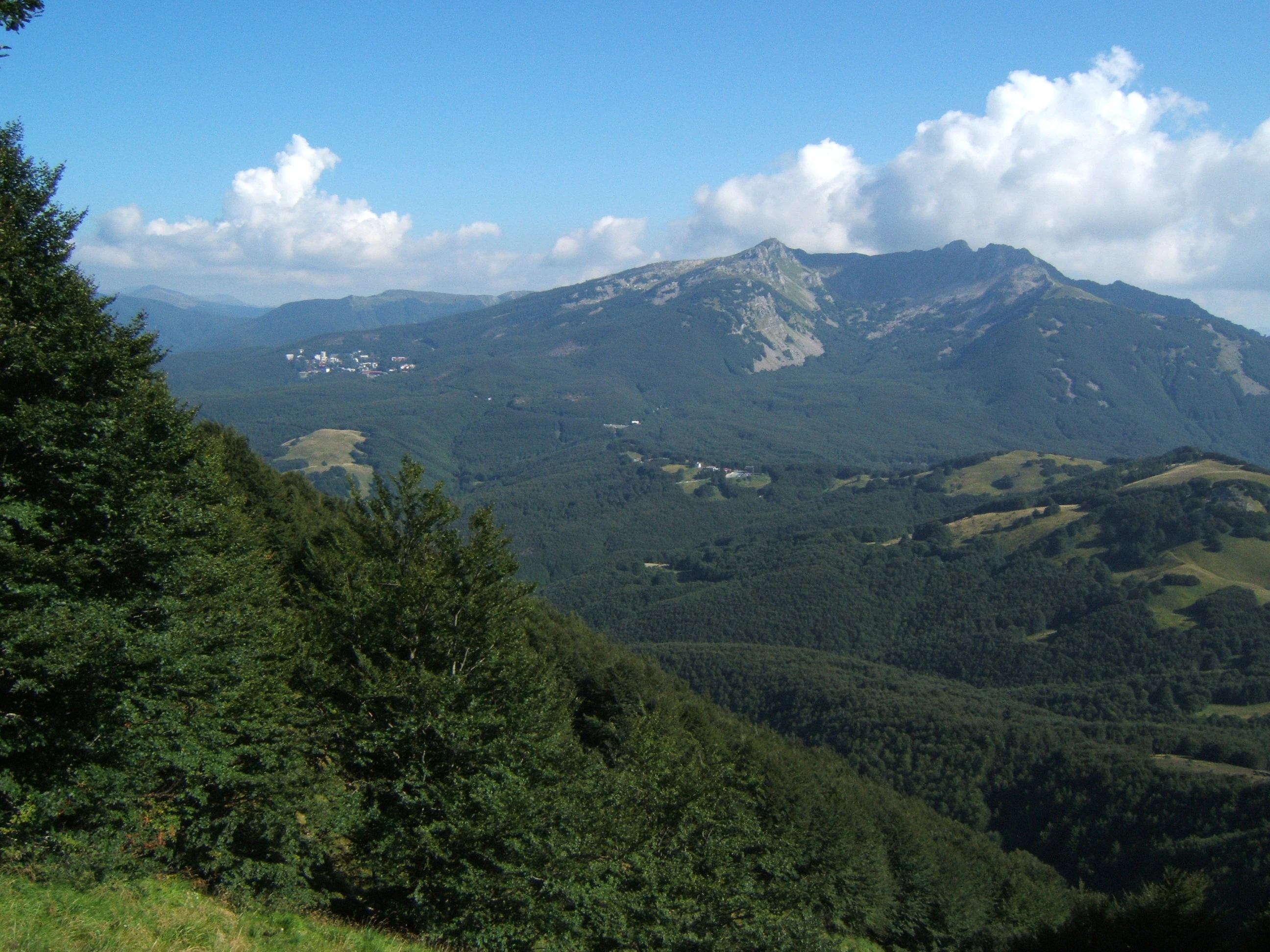
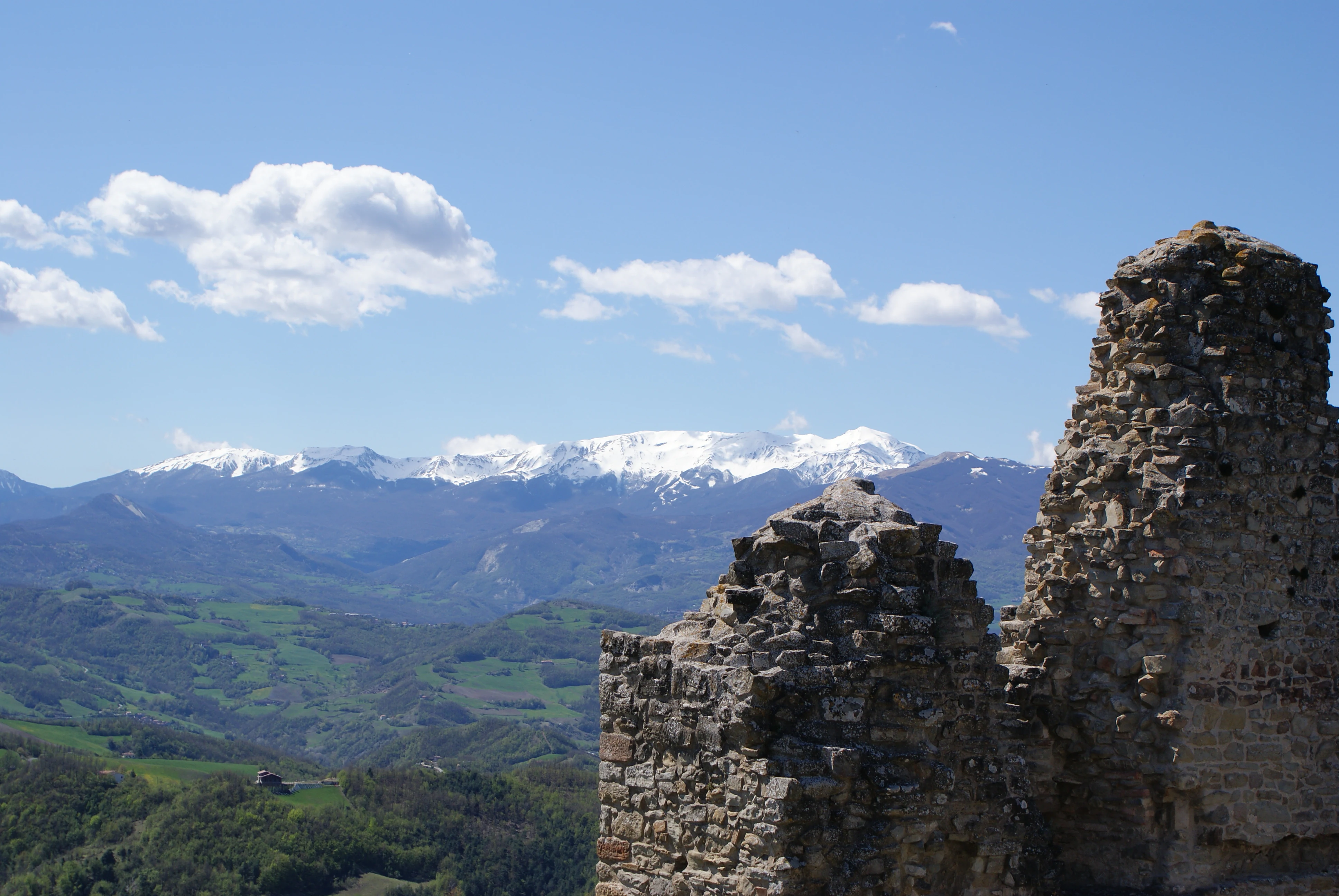
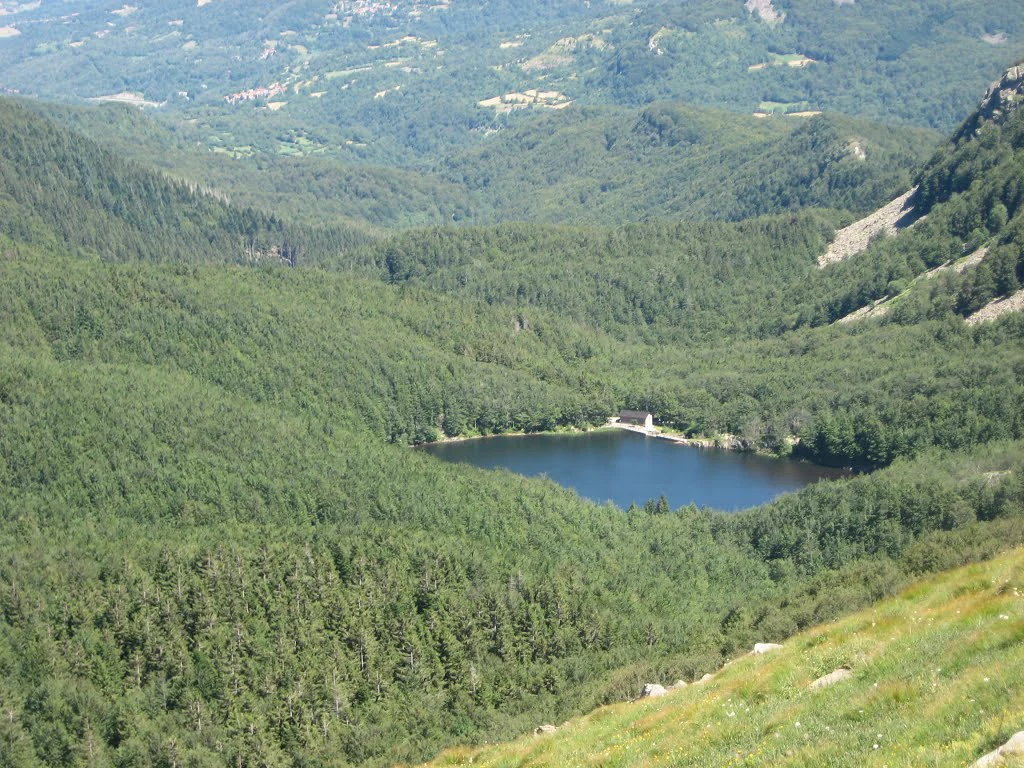
The park's landscape is defined by the high Apennine ridge and its associated landforms. The principal peaks include Monte Cusna at 2,121 meters, Monte Prado at 2,053 meters, and Alpe di Succiso at 2,017 meters, all exceeding 2,000 meters and forming a dramatic alpine skyline. Lower peaks such as Monte la Nuda, Monte Sillara, Monte Marmagna, and Monte Orsaro complete a cluster of summits exceeding 1,800 meters. On the Emilian flank, the Pietra di Bismantova presents a striking contrast to the surrounding terrain, its isolated limestone mass rising with vertical cliffs to over 1,000 meters above sea level. Glacial valleys dissect the mountain mass, carved by ice age glaciers and now carved by streams flowing toward the Po basin. Small lakes of glacial origin dot the high terrain, while waterfalls cascade down rock faces in several locations. The landscape also includes the Triassic Gypsum formations (Gessi Triassici), rare geological features in the Apennines.
Appennino Tosco-Emiliano National Park ecosystems, habitats, and plant life
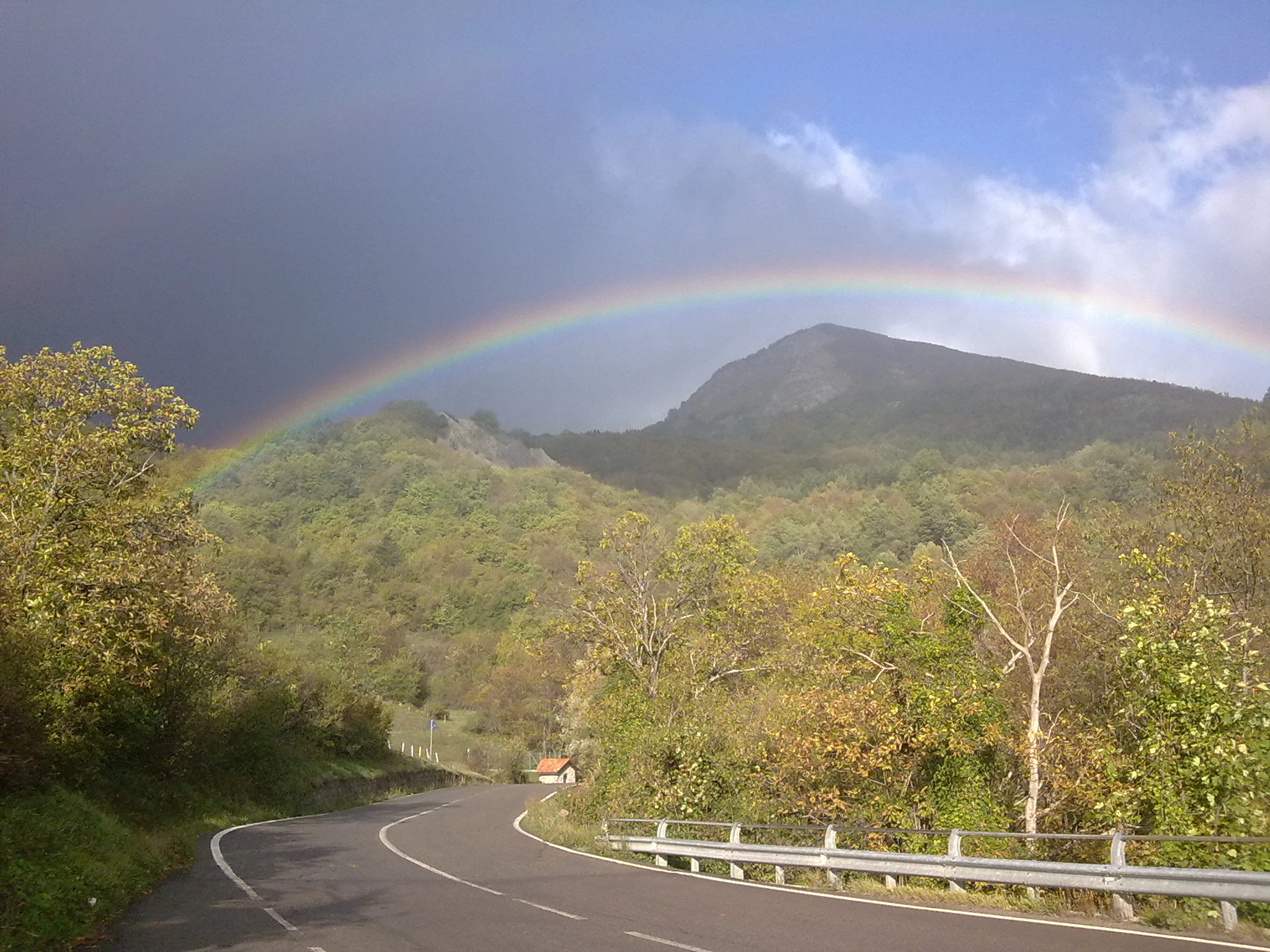
The park's ecological character reflects its position at the convergence of Mediterranean and continental climate influences, creating unusual diversity in a mountain setting. The vegetation follows a clear altitudinal sequence, with chestnut forests dominating the lower slopes, giving way to extensive beech forests in the montane zone between 900 and 1,800 meters, and transitioning to alpine grasslands and bilberry moorlands at higher elevations. The Abetina Reale represents one of the few remaining white fir forests in the Apennines, with historical connections to both the Canossa and Este families. The park contains remarkable botanical diversity including endemic species found nowhere else, such as Primula apennina (the only pink-flowered primrose in the northern Apennines), Vicia cusnae, Festuca riccerii, and Brachypodium genuense. Relict species from the glacial period survive in the highest areas, including Arctic-Alpine species that persisted after the ice ages retreated. The seasonal display of daffodils (giunchiglie) in the meadows around Logarghena at around 1,000 meters creates a notable spring spectacle.
Appennino Tosco-Emiliano National Park wildlife and species highlights
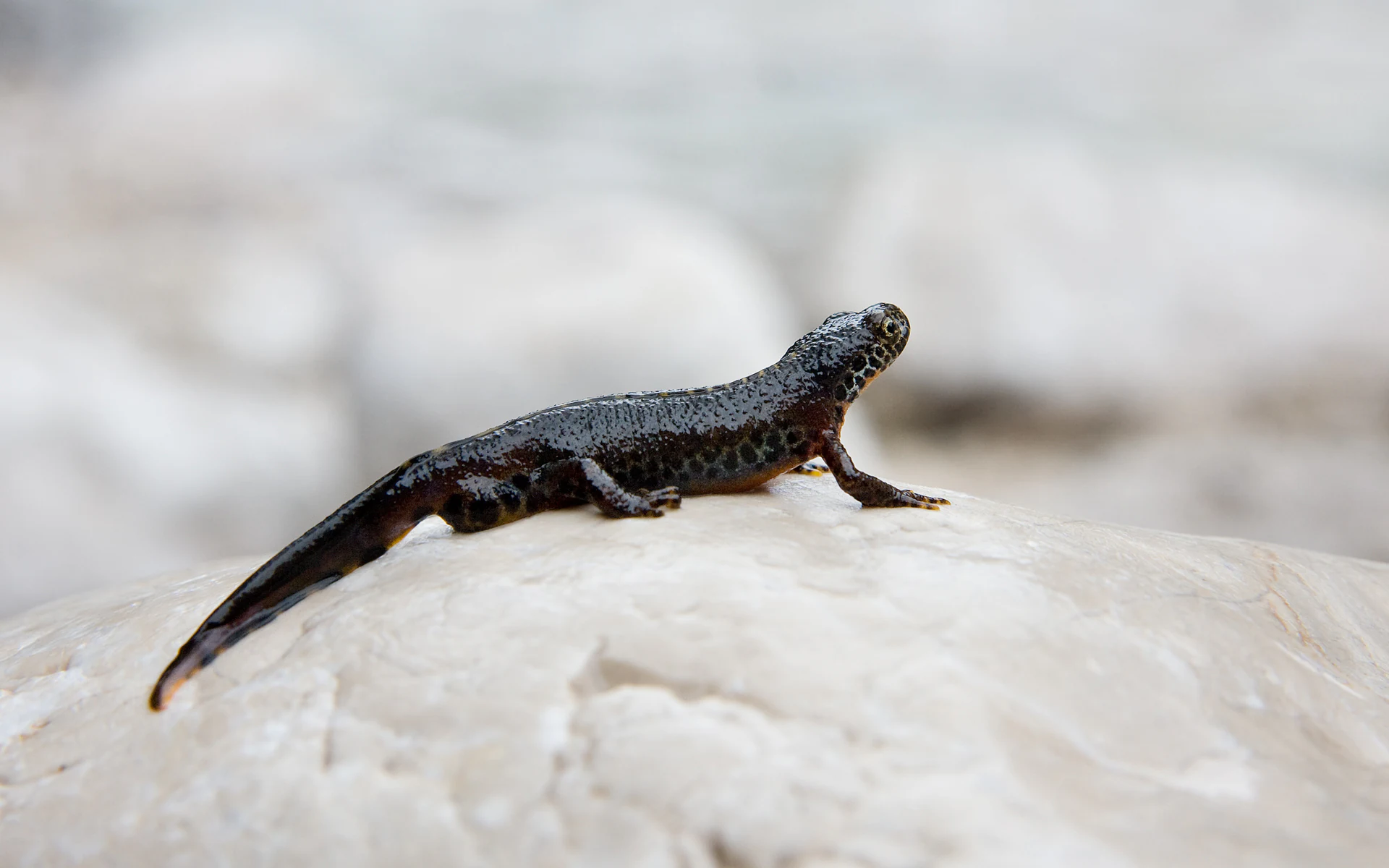
The park supports significant populations of large mammals, with the Italian wolf (Canis lupus italicus) being the most notable conservation priority. After being nearly exterminated in the early twentieth century and reduced to remnant populations in the central and southern Apennines by the 1970s, the wolf has naturally recolonized the entire Apennine chain and now maintains stable populations within the park. Red deer and roe deer occupy the forest zones, while European mouflon inhabit more open terrain. The golden eagle nests in several locations throughout the park, with approximately five breeding pairs confirmed. The birds hunt over the high-altitude grasslands and can be observed soaring in the valleys of Bràtica, Parma, Cedra, and Ozola. The snow vole represents an important glacial relict species occupying the highest grasslands around Monte Prado. Other notable species include the peregrine falcon, the alpine newt, and several bat species including the greater horseshoe bat, Blyth's myotis, and the common bent-wing bat.
Appennino Tosco-Emiliano National Park conservation status and protection priorities
The park plays a crucial role in conserving Apennine biodiversity and connecting fragmented protected areas across the mountain chain. As a Category II protected area under IUCN classification, it provides formal protection to habitats and species that have faced significant pressure from human activities. The wolf population benefits from the park's protected status and from Life projects aimed at reducing conflicts between wolves and livestock husbandry. The Italian Ministry of Environment oversees the park's management through the Ente Parco, which coordinates conservation activities with regional authorities and the local communities within its boundaries. The park's position connecting to other protected areas, including four state nature reserves (Pania di Corfino, Guadine Pradaccio, Lamarossa, and Orecchiella), helps maintain ecological corridors for species requiring large territories. The presence of rare and endemic plant species, many of which are legally protected from collection, underscores the park's botanical significance.
Appennino Tosco-Emiliano National Park cultural meaning and human context
The landscape of Appennino Tosco-Emiliano bears the marks of centuries of human activity, particularly transhumant pastoralism and chestnut cultivation. The high meadows were historically grazed by large flocks of sheep, and while this activity has declined, it continues in modified form with flocks of the distinctive Massese breed still visible in some areas. The chestnut forests represent a fundamental element of the cultural landscape and traditional economy of the Apennines, though many chestnut groves have suffered from disease and abandonment. The park encompasses territories in thirteen municipalities, five in Emilia-Romagna and eight in Tuscany, each with distinct historical identities tied to the mountain environment. Traditional products of the region include Prosciutto di Parma and Parmigiano Reggiano from the Emilian side, and Miele della Lunigiana (a DOP honey) and Farro della Garfagnana (an IGP ancient grain) from the Tuscan slopes. The park administration maintains visitor centers at various locations throughout the territory, collaborating with local farmsteads, mountain shelters, and inns to provide information and accommodation.
Top sights and standout views in Appennino Tosco-Emiliano National Park
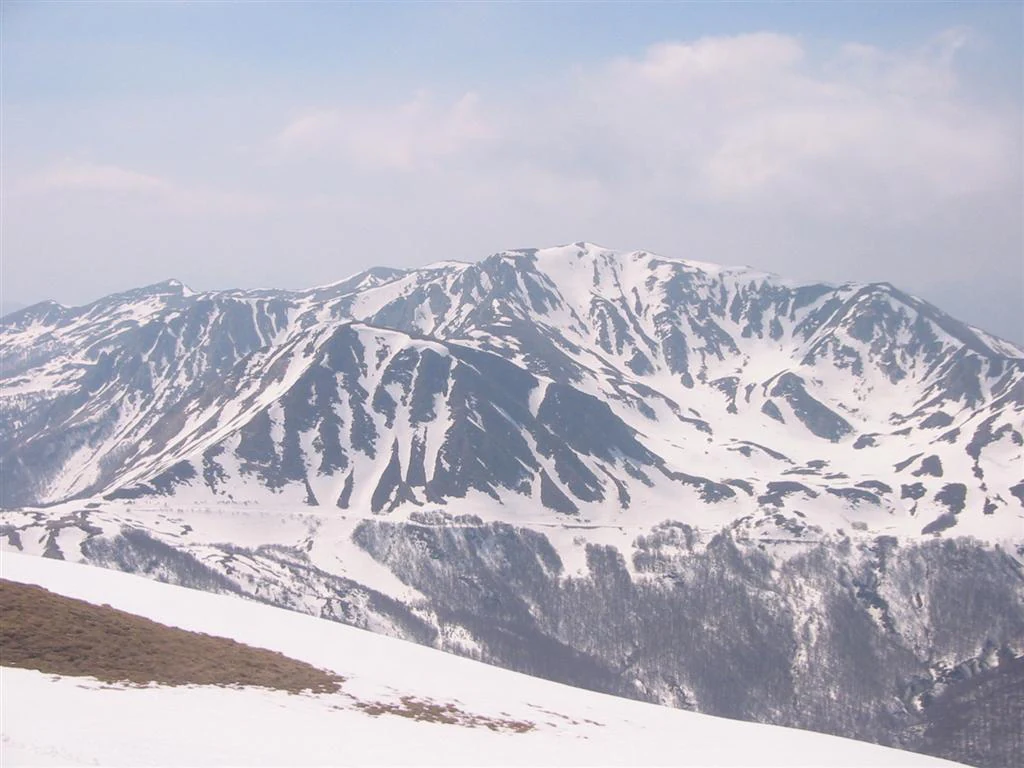
The summit traverse along the Apennine ridge offers spectacular views spanning both the Emilian and Tuscan slopes, with Monte Cusna and Monte Prado providing the highest points for panoramic landscapes. The beech forests of the Abetina Reale and the Bosco delle Veline represent some of the most impressive forest areas remaining in the Apennines. The spring bloom of daffodils in the Logarghena meadows creates a remarkable natural spectacle visible from the trail to Monte Orsaro and Monte Marmagna. The Pietra di Bismantova provides both geological interest and climbing opportunities, its vertical limestone walls standing apart from the surrounding terrain. The chance to observe wolves, though difficult given their elusive nature, represents a major attraction for wildlife enthusiasts visiting the park.
Best time to visit Appennino Tosco-Emiliano National Park
The park can be visited throughout the year, with each season offering distinct experiences. Summer and early autumn provide the most reliable access to the high mountain trails, with warm temperatures in the valleys and cool conditions on the summits. The alpine grasslands are at their most vibrant during June and July when wildflowers bloom extensively. Autumn brings the beech forests into color and offers good wildlife viewing opportunities as animals become more active during the cooler hours. Winter transforms the park into a snow-covered alpine landscape suitable for ski touring and winter hiking, though conditions can be challenging and some trails may be impassable. Spring arrives later at higher elevations and is characterized by the dramatic display of daffodils in the subalpine meadows. The shoulder seasons of late spring and early autumn generally offer the best combination of accessible trails and pleasant weather for most visitors.