
Why Asinara National Park stands out
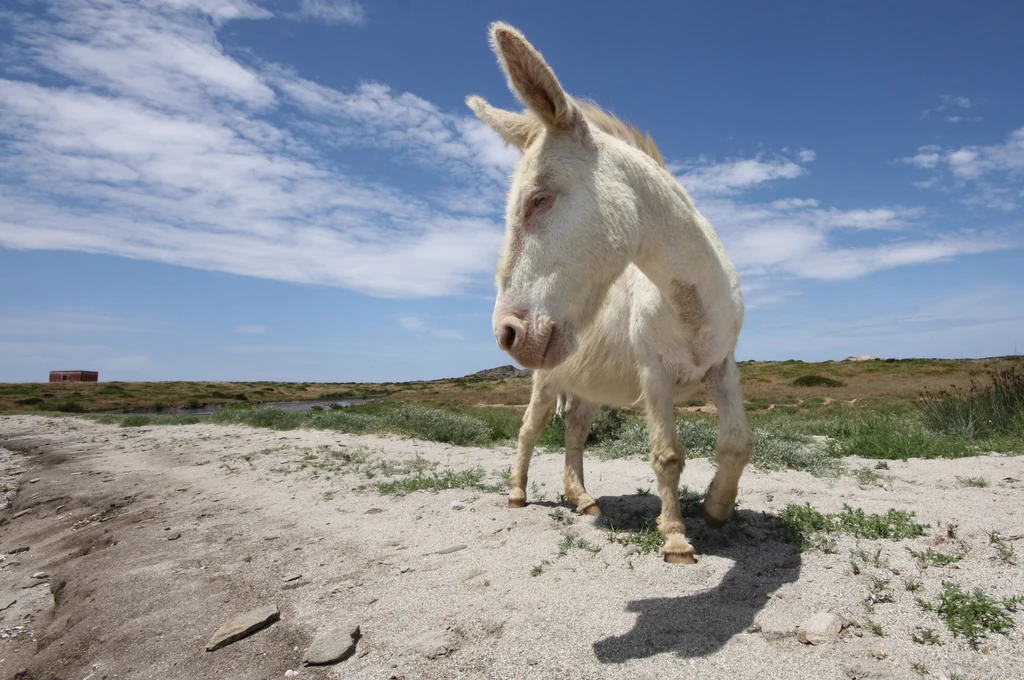
Asinara National Park is best known for its dramatic combination of Mediterranean island landscapes, rich biodiversity, and extraordinary historical legacy as a former high-security prison. The park is famous for its populations of rare wildlife including the albino Sardinian donkey, the asinello bianco, which has become an emblematic species of the island. The marine environment surrounding the island supports important seabird colonies, particularly the shag, while the island's ponds provide critical habitat for migratory waterfowl. The contrast between the island's natural beauty and its dark historical reputation as "Devil's Island" creates a distinctive character that sets this park apart from other Italian protected areas.
Asinara National Park history and protected-area timeline
The history of Asinara National Park is inseparable from the island's long association with confinement and control. The island's use as a place of isolation began in the late 19th century when, in 1885, the Italian state demanialized the island to establish an agricultural penal colony and a lazaretto for quarantine purposes. The native population was relocated to the newly created settlement of Stintino on the mainland. During World War I, the island served as a prison camp for Austrian-Hungarian soldiers. In the latter decades of the 20th century, Asinara became one of Italy's most important high-security prisons, particularly during the Years of Lead when it held terrorists and later mafia figures. The campaign for establishing a national park began in 1967 with a conference in Porto Torres discussing the possibility of returning the island to the commune. Subsequent developments included a 1984 international conference on parks and a 1988 legislative proposal to transfer the island to the Sardinia Region. The formal creation process began with a State-Region agreement in 1992, followed by the provisional perimeter decree in November 1997, coinciding with the prison's official closure on December 31, 1997. The park was officially established by presidential decree in October 2002, with the surrounding marine protected area established the same year.
Asinara National Park landscape and geographic character
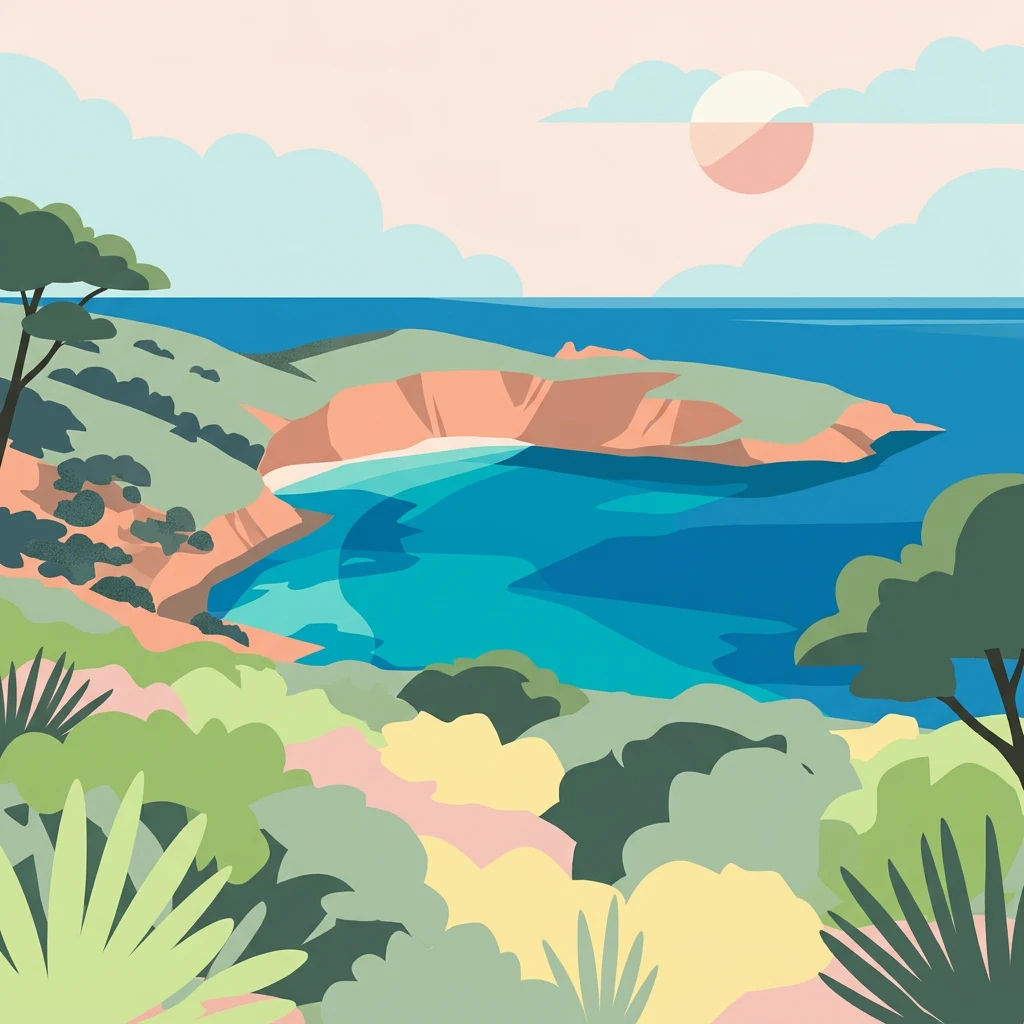
Asinara Island presents a predominantly mountainous Mediterranean landscape characterized by rugged terrain and dramatic coastal features. The island's highest point reaches 408 meters at Punta della Scomunica, with other significant peaks including Punta Maestra at 265 meters, Punta Tumbarino at 241 meters, Monte Ruda at 215 meters, and Punta Marcutza at 195 meters. The terrain is interspersed with small flat areas near Cala Reale and Fornelli, which were historically cultivated before the island's conversion to a penal colony. The island's 110-kilometer coastline alternates between rocky cliffs and small sandy beaches along its eastern shore. Seasonal water courses drain the terrain during rainy periods, feeding small ponds in locations including Fornelli, Cala Sant'Andrea, Cala Stagno Lungo, and Cala Barche Napoletane. These wetlands support specialized vegetation and provide critical habitat for waterfowl. The landscape also includes the remnants of the island's penal infrastructure, including the village at Cala d'Oliva and the artificial reservoirs that once served the prison population.
Asinara National Park ecosystems, habitats, and plant life
The ecological character of Asinara National Park reflects typical Mediterranean island environments, though the island's history of heavy grazing by introduced species has significantly shaped vegetation patterns. The flora displays the characteristic zonation of Mediterranean coastal zones, with halophytic vegetation dominating rocky shores, beach grasses and sandwort communities on sandy areas, and maquis shrubland covering much of the interior. The island supports a small but significant remnant of holm oak forest at Elighe Mannu, representing what the original vegetation would have resembled before centuries of human impact. The vegetation is characterized by the dominance of toxic species like Euphorbia dendroides, which has survived preferential grazing pressure. The park management, in collaboration with the Sardinia Forest Authority, has undertaken programs to remove introduced herbivores including goats, mouflon, and wild boar to allow natural vegetation recovery. The coastal and wetland areas support specialized plant communities adapted to saline conditions and seasonal water availability.
Asinara National Park wildlife and species highlights
Asinara National Park supports a diverse Mediterranean fauna despite the island's small size and historical degradation. The island is particularly notable for its bird populations, with important colonies of shags nesting on the rocky shores at Cala Scombro di Dentro. The seasonal wetlands attract a wide variety of migratory and resident waterfowl, making the island significant for birdwatching. The reptile fauna includes several species typical of Mediterranean islands, including the European pond turtle and Hermann's tortoise. The mammalian fauna includes the iconic albino Sardinian donkey, the asinello bianco, which has become a symbol of the park. Other mammals include hedgehogs, shrews, hares, and wild boar. The island also supports populations of Mouflon that were introduced for hunting. The marine environment supports additional species including dolphins and various fish species, though the sources provide limited detail on marine fauna.
Asinara National Park conservation status and protection priorities
Asinara National Park represents an important conservation initiative in the Mediterranean region, protecting both terrestrial and marine ecosystems that would otherwise face development pressure. The park's establishment in 1997 and 2002 transformed former prison lands into protected natural areas, allowing ecological recovery on a landscape that had been heavily modified by decades of human activity and introduced species. The marine protected area surrounding the island extends conservation to the coastal waters, protecting underwater habitats and species. The park faces ongoing conservation challenges related to the recovery of vegetation from historical overgrazing and the management of introduced species. The turtle hospital at Fornelli, established in 2004, demonstrates the park's commitment to species conservation and rehabilitation. The presence of the Austrian-Hungarian war cemetery from World War I adds a historical dimension to the site's conservation value, preserving material evidence of the island's complex past.
Asinara National Park cultural meaning and human context
The cultural context of Asinara National Park is profoundly shaped by its extraordinary history as a place of isolation and confinement. The island's designation as "Isola del Diavolo" or Devil's Island reflects its historical use as a quarantine station, a World War I prison camp, and later one of Italy's most secure high-security prisons. This layered history has left physical traces across the island, from the prison structures at Cala d'Oliva to the Austrian-Hungarian war cemetery built in the 1930s. The demanialization of the island in 1885 led to the displacement of the native population, many of whom resettled in Stintino, creating a historical link between that community and the island that continues to this day. Stintino's 2009 request to join the park administration reflects this enduring connection. The park balances its natural protection mission with the preservation of this significant historical and cultural heritage, integrating the penal structures into the visitor experience as educational elements.
Top sights and standout views in Asinara National Park
Asinara National Park offers a distinctive Mediterranean island experience combining natural beauty, wildlife viewing, and historical exploration. The albino Sardinian donkeys roaming the island represent a unique and endearing wildlife attraction that cannot be found elsewhere. The coastal landscapes, with their alternation of rocky cliffs and small beaches, provide scenic variety while supporting important seabird colonies. The seasonal wetlands attract migratory waterfowl and offer excellent birdwatching opportunities. The former prison complex at Cala d'Oliva offers awindow into one of Italy's most significant penal institutions, while the Austrian-Hungarian cemetery preserves memory of the island's World War I role. The marine protected area surrounding the island extends the park's appeal to underwater exploration and diving. The park's ferry access from Porto Torres and Stintino makes it accessible while maintaining its isolated character.
Best time to visit Asinara National Park
Asinara National Park can be visited throughout the year, though the shoulder seasons of spring and autumn offer the most comfortable conditions for exploring the island's landscapes and wildlife. The Mediterranean climate brings hot, dry summers that can make extended outdoor activities challenging, while winters are mild but may include periods of rain. Spring brings blooming vegetation and comfortable temperatures, making it ideal for observing the island's flora and the bird migrations that pass through the area. Autumn offers similar advantages with the added interest of migration periods. Summer remains popular for beach activities and boat trips to the island, though the park can become busier during this peak season. The ferry services operate from multiple ports including Porto Torres, Stintino, and seasonal connections from Castelsardo and Santa Teresa di Gallura.