
Why Babia Góra National Park stands out
Babia Góra National Park is renowned for its exceptional altitudinal vegetation zones, which display a complete sequence from lower mountain forests through spruce-dominated upper forest, dwarf pine shrubland, to alpine meadows at the summit. The park protects unique endemic plant species, most notably the rare Laserpitium archangelica, which serves as the park's emblem and was long known only from this location in Poland. The park also preserves Poland's only occurrence of alpine catchfly (Silene alpina) and other Carpathian endemics. Its status as a UNESCO biosphere reserve since 1976 reflects the global significance of its well-preserved Carpathian ecosystems and the presence of large predatory mammals.
Babia Góra National Park history and protected-area timeline
The protected area that would become Babia Góra National Park was first established as a nature reserve in 1933, covering roughly the same territory as the modern national park. This early protection recognized the area's outstanding natural values and the need to preserve its unique Carpathian ecosystems. The national park was officially established on October 30, 1954, by regulation of the Council of Ministers, with the regulation taking effect on January 1, 1955. At its founding, the park covered 16.37 km², with a strict nature reserve (rezerwat ścisły) comprising 1,049.89 hectares and a partial reserve (rezerwat częściowy) covering 624.89 hectares. The decision to establish the park was influenced by the classically developed altitudinal vegetation zones, the unique rock-dwelling plant communities, and the presence of plant species found only in Babia Góra in Poland, specifically Laserpitium archangelica and alpine catchfly. After more than two decades of efforts to expand the park's territory, the park was enlarged in 1997 to 3,391.55 hectares by another Council of Ministers regulation. A protective buffer zone (otulina) of 8,437 hectares was also created around the park. In 1977, the park received additional recognition when Babia Góra was designated as a UNESCO biosphere reserve and included in the UNESCO Man and the Biosphere (MAB) Program.
Babia Góra National Park landscape and geographic character
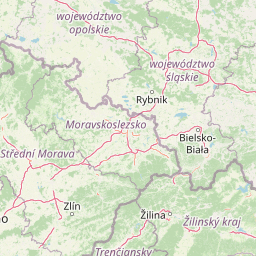
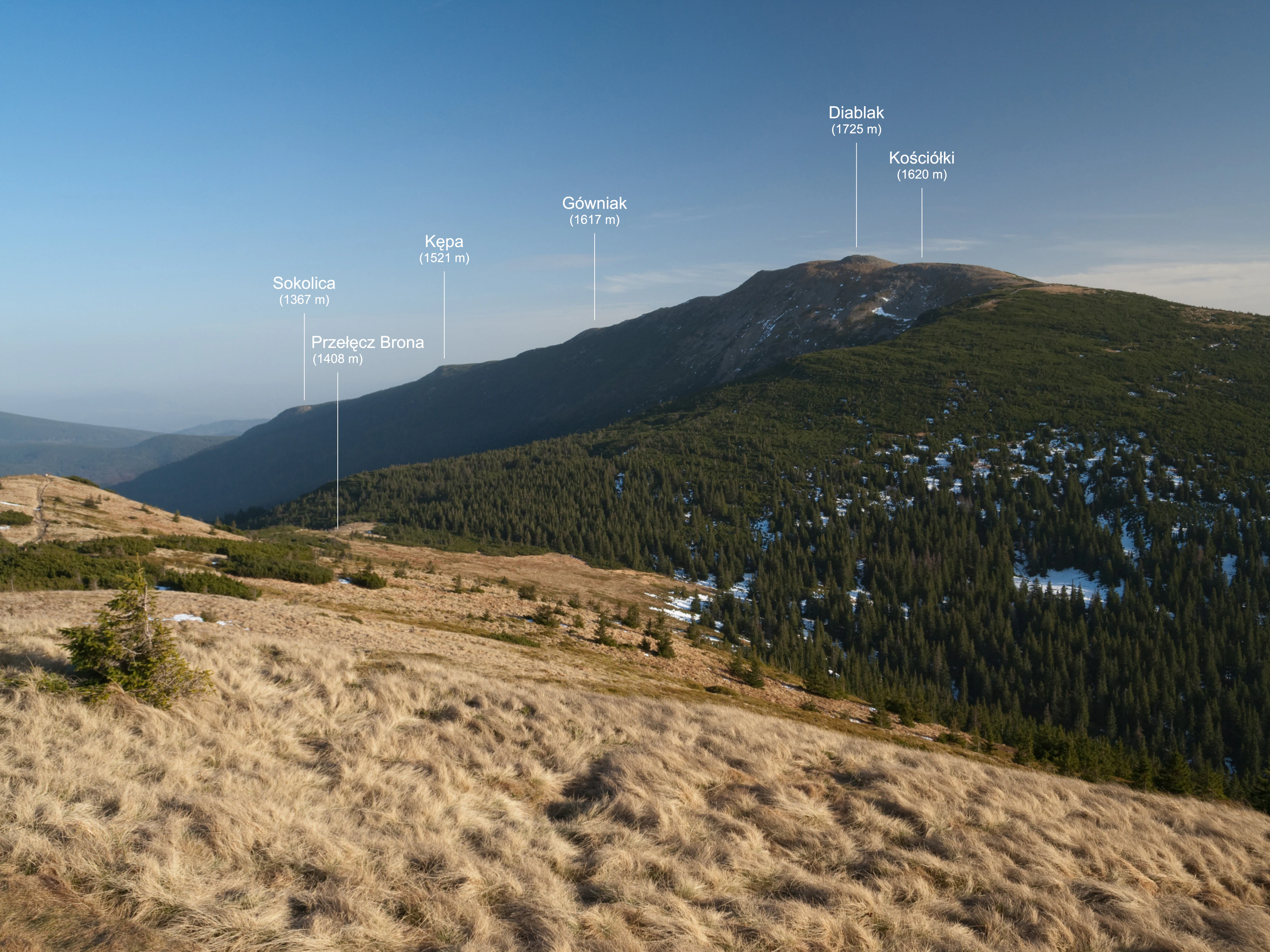
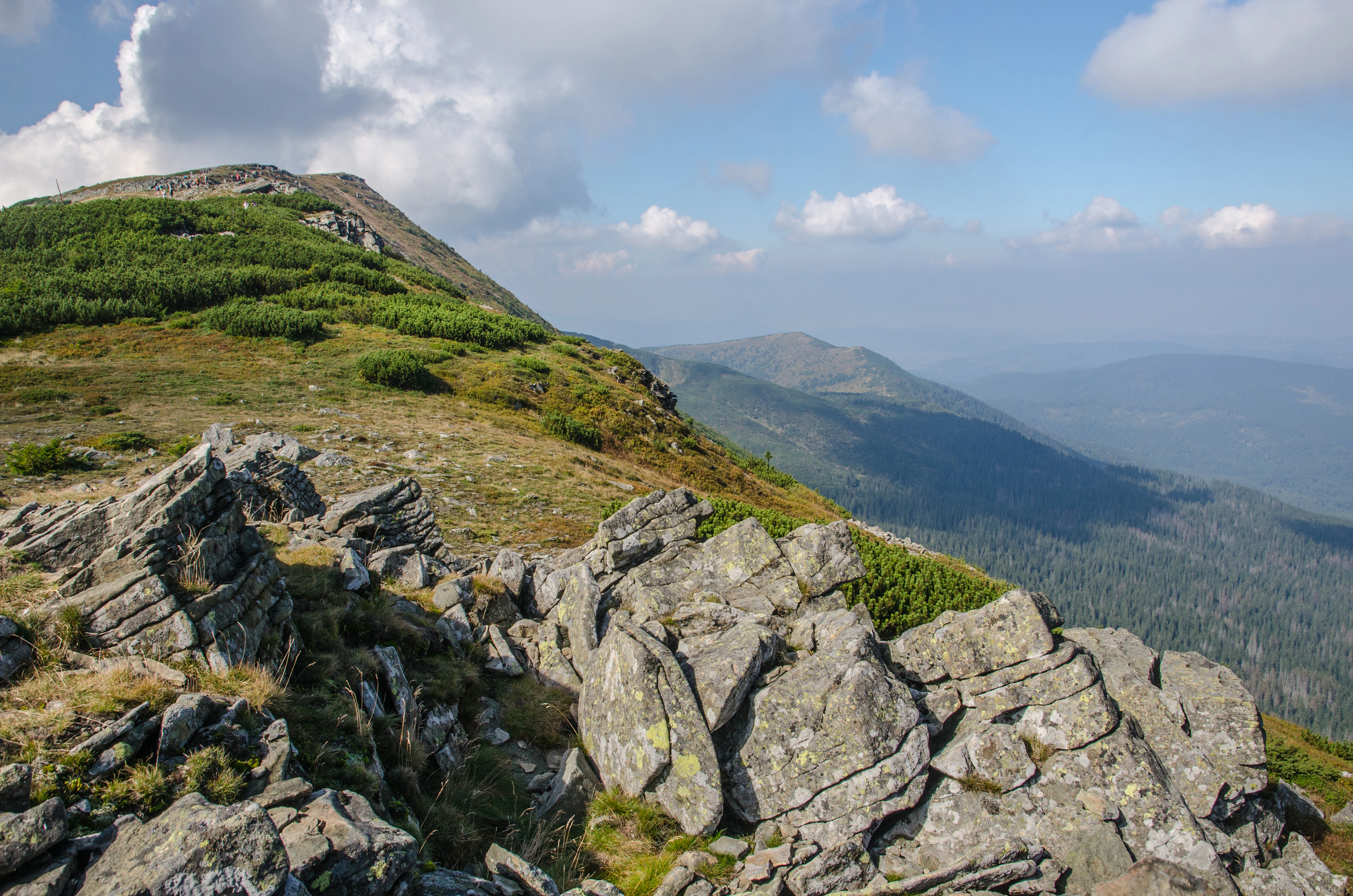
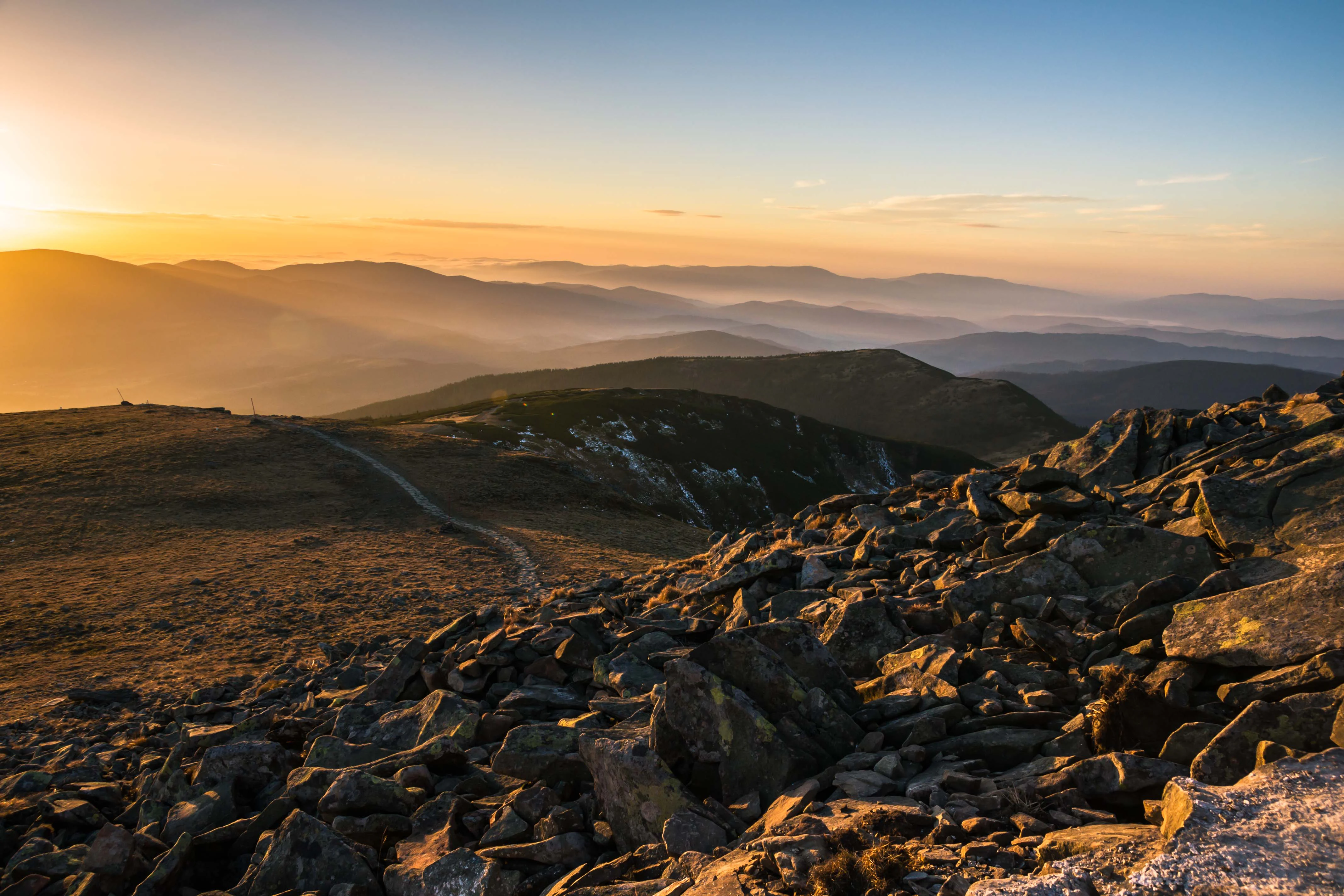
The landscape of Babia Góra National Park is dominated by the Babia Góra massif, a prominent Carpathian mountain whose steep slopes rise dramatically from the surrounding lower terrain. The mountain's main summit, Diablak (1,725 m), is the highest peak in the Orava Beskids and the Beskid Żywiecki ranges. The terrain is characterized by rocky ridges, steep forested slopes, and a distinctive summit zone with alpine meadows and boulder fields. The geology consists primarily of Carpathian flysch, with sandstone and shale formations contributing to the mountain's rugged character. Glacial processes have left their mark on the landscape, particularly in the upper zones where cirques and moraines are visible. The mountain displays a classic example of altitudinal zonation, with distinct vegetation belts visible as one ascends from the lower forests to the summit. The Slovak side of the massif is protected as the Horná Orava Protected Landscape Area, creating a transboundary conservation framework.
Babia Góra National Park ecosystems, habitats, and plant life
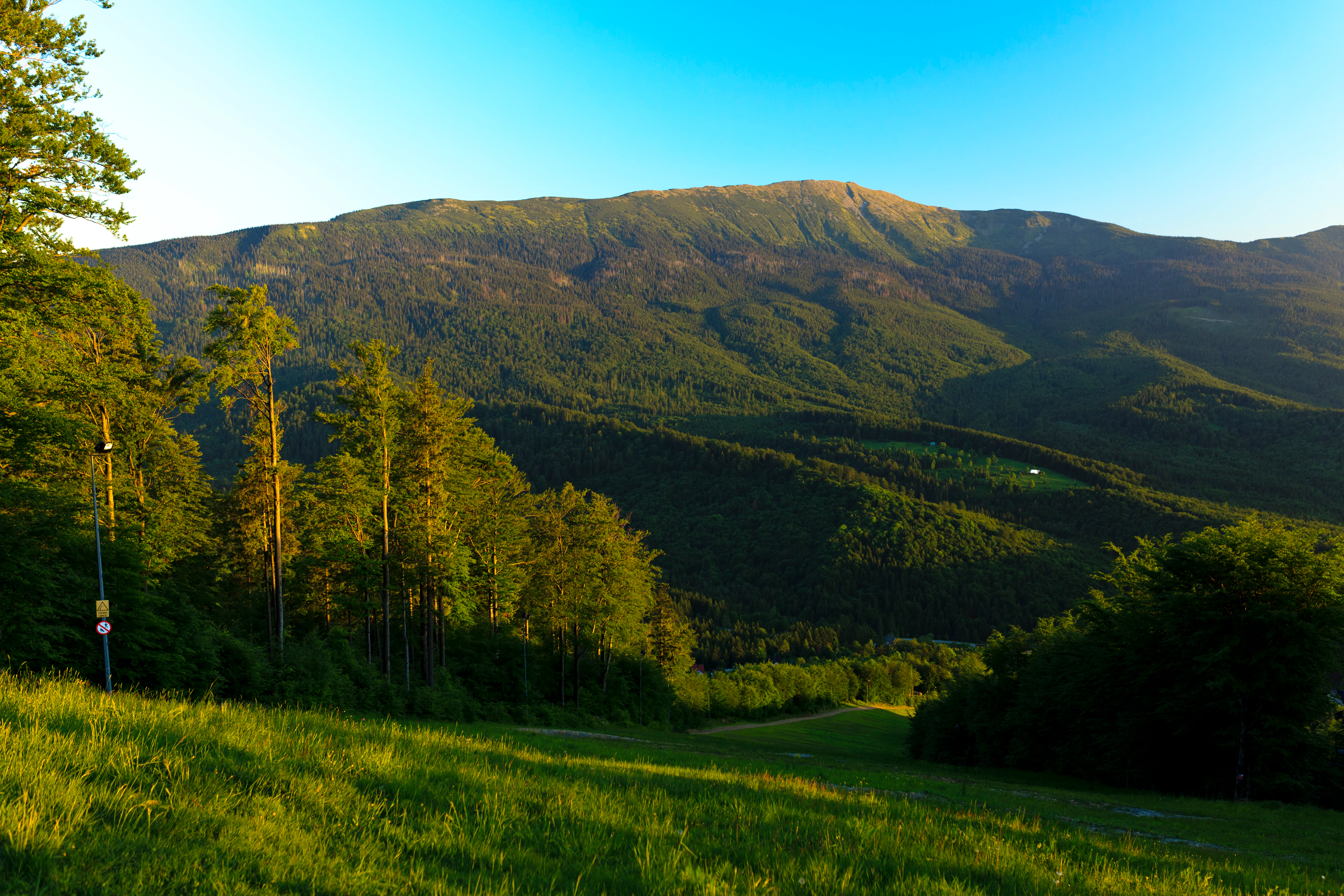
The vegetation of Babia Góra National Park exemplifies the classic altitudinal zonation of the Carpathian Mountains, displaying four distinct vegetation floors. The lower forest zone (regiel dolny) spans from 700 to 1,150 meters and features beech, Norway spruce, and silver fir forests with trees reaching up to 45 meters in height and 350 centimeters in trunk circumference. The upper forest zone (regiel górny), from 1,150 to 1,350 meters, is dominated by Norway spruce. The dwarf pine zone (piętro kosodrzewiny), from 1,350 to 1,650 meters, features mountain pine (kosodrzewina) formations with characteristic alpine flora including lily of the valley, pink dianthus, and yellow alpine rose. The alpine zone (piętro halne), from 1,650 to 1,725 meters, represents the highest vegetation in the Beskids and supports alpine meadow communities with species such as wolly grass and purple moor grass. The park protects approximately 650 species of vascular plants, nearly 280 moss species, and numerous lichens, algae, and liverworts. Of particular significance are 70 high-mountain species and 54 species protected under Polish law. Several species are endemic to Babia Góra or the Western Carpathians, making the park globally significant for biodiversity conservation.
Babia Góra National Park wildlife and species highlights
Babia Góra National Park supports a rich and diverse fauna representing the higher mountain ranges of the Western Carpathians that have retained relatively intact ecosystems. The mammal fauna includes 38 species, with large predators prominently represented by brown bear, gray wolf, and Eurasian lynx, which maintain viable populations in the park's extensive forest complexes. The park also hosts deer, wild boar, and in rare cases, elk (moose) entering from the Orawa-Nowy Targ Basin. The mustelid family is well represented with European badger, European otter, polecat, beech marten, stone marten, and least weasel. Birdlife is exceptionally diverse, with over 100 species recorded, including approximately 80 breeding species. Notable birds include capercaillie and black grouse in the coniferous forests, Tengmalm's owl, Ural owl, and eagle owl among the raptors and owls. Woodpeckers are well represented, including rare species such as the three-toed woodpecker and white-backed woodpecker. The park supports typical Carpathian reptile and amphibian communities, with 6 reptile species, 7 amphibian species, and 2 fish species (brown trout and bullhead) in the stream ecosystems. Invertebrates are exceptionally diverse, with approximately 3,500 species identified, including about 1,500 beetle species and 92 mollusk species.
Babia Góra National Park conservation status and protection priorities
Babia Góra National Park serves as a crucial conservation area within the Carpathian mountain chain, one of Europe's most significant biodiversity hotspots. The park's designation as a UNESCO biosphere reserve since 1976 reflects its international importance for preserving representative Carpathian ecosystems. The protection of endemic plant species, particularly those found only in the Babia Góra region, makes the park globally significant for botanical conservation. The forest ecosystems, covering approximately 85% of the park's area, serve as habitat for viable populations of large Carpathian predators including brown bear, wolf, and lynx, species that have been greatly reduced across much of their European range. The well-developed altitudinal vegetation zones provide a living laboratory for studying Carpathian ecology and climate-related vegetation shifts. The park's relatively small size belies its ecological importance, as it forms part of a larger transboundary conservation network with Slovakia's Horná Orava Protected Landscape Area. Ongoing management includes visitor education, trail maintenance, and research programs to monitor ecosystem health and species populations.
Babia Góra National Park cultural meaning and human context
The Babia Góra area has been part of the traditional cultural landscape of the Orava region, which spans both Polish and Slovak territory. The mountain and its surrounding area have been inhabited for centuries by local communities engaged in pastoral activities and forestry. The village of Zawoja, where the park's headquarters are located, serves as the main access point and has developed a relationship with the protected area over generations. The park has established an Education Center that presents the natural values of Babia Góra to visitors in an accessible format. A network of educational trails has been created throughout the park to enhance visitor understanding of the local ecology and conservation significance. The mountain itself holds cultural significance in the local traditions, with the peak historically serving as a landmark for regional navigation and identity.
Top sights and standout views in Babia Góra National Park
Babia Góra National Park offers exceptional ecological diversity within a compact area, with its complete altitudinal vegetation zonation providing a visible representation of Carpathian ecological patterns. The summit of Diablak (1,725 m) provides panoramic views across the Beskid Żywiecki and into the Slovak Carpathians. The park protects several plant species found nowhere else in Poland, with Laserpitium archangelica serving as the park's official emblem. The presence of viable populations of brown bear, wolf, and lynx makes the park significant for large predator conservation in Central Europe. The UNESCO biosphere reserve status since 1976 reflects over seven decades of dedicated conservation management.
Best time to visit Babia Góra National Park
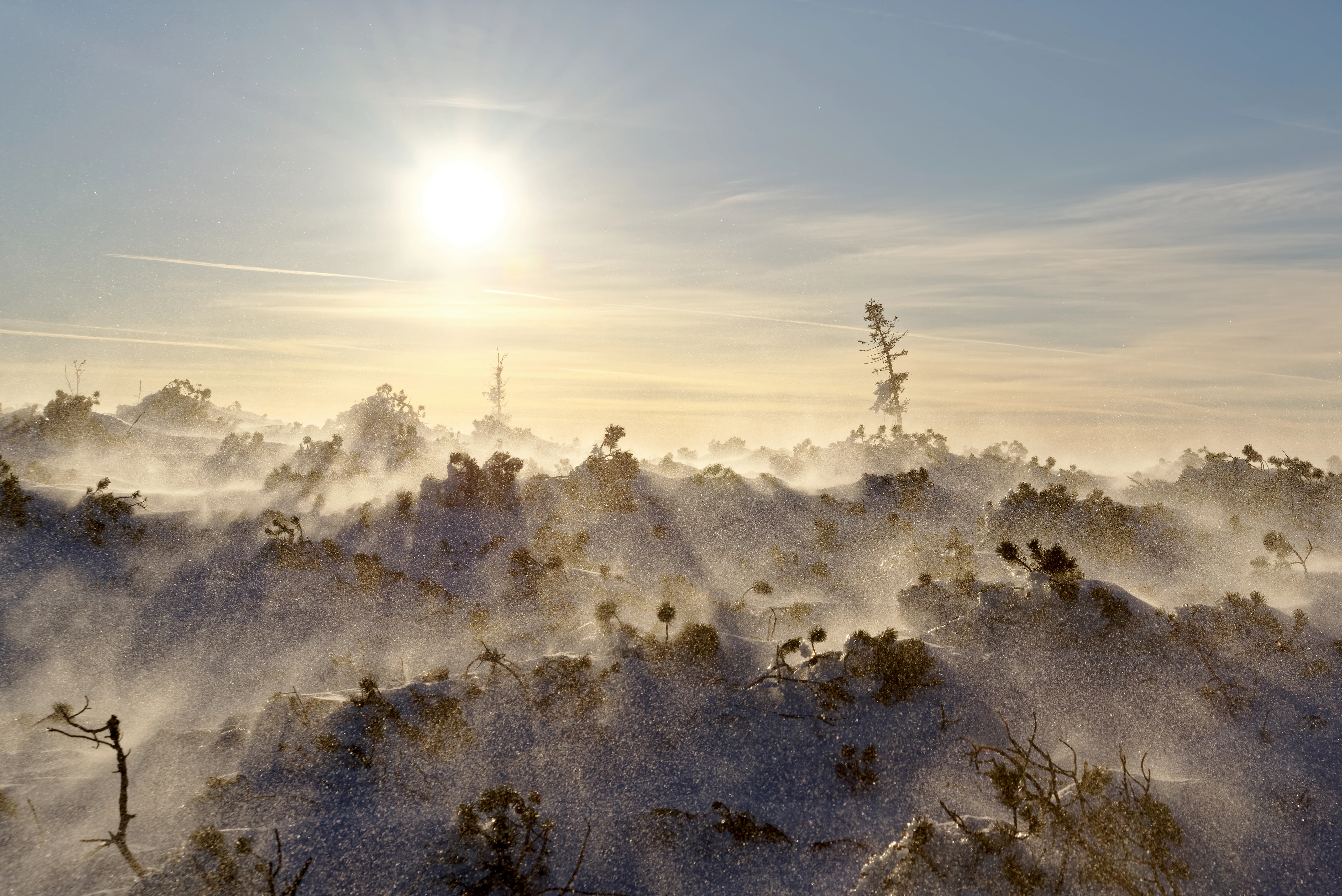
The most favorable time to visit Babia Góra National Park is during the summer months from June through September, when all trails are accessible and the alpine zones display their full floral variety. Spring and early summer bring spectacular displays of mountain flora as the vegetation zones bloom in succession. Autumn offers golden foliage in the forest zones and clear visibility from the summit. Winter access is limited to marked trails, and the park has recently opened select routes for skiing under controlled conditions when adequate snow cover exists. The shoulder seasons provide excellent opportunities for wildlife observation and experiencing the park's changing moods without the peak summer crowds.