Mori Atlas logo
National parkBjörnlandet National Park

Discover mapped boundaries and unique boreal terrain within Västerbotten County, Sweden.

Björnlandet National Park: Ancient Primeval Forest & Dramatic Ravine Protected Landscape

Björnlandet National Park represents a vital protected area within Västerbotten County, Sweden, safeguarding one of the nation's most significant primeval pine forests. This national park features a striking landscape shaped by steep ravines, precipices, and boulder fields, offering a glimpse into ancient boreal ecosystems. Explore its unique geography and discover the protected boundaries of this exceptional natural preserve through structured map and atlas context.

national parkSwedenold-growth forestboreal forestVästerbotten CountyLapland

Björnlandet National Park

National park

Park overview

Structured park overview, official facts, and landscape profile for Björnlandet National Park

Björnlandet National Park park facts, protected area profile, and essential visitor context
Review the core facts for Björnlandet National Park, including designation, size, terrain, visitor scale, habitats, and operating context in one park-focused overview.

About Björnlandet National Park

Björnlandet National Park represents a significant preserve of Sweden's boreal wilderness heritage in the southern reaches of Lapland. The park's establishment in 1991 reflected a growing recognition of the need to protect remaining old-growth forests in northern Sweden, and its expansion in 2017 doubled the protected area by incorporating the former Björnlandet syd and Björnlandet öst nature reserves. The forest within the park has never been subject to significant commercial forestry, preserving a rare glimpse of how the boreal landscape appeared before modern human intervention. The park's terrain is defined by steep-sided ravines cutting through the forest and impressive cliff faces that create a varied and scenic environment. A marked hiking trail with information boards guides visitors through the landscape, with rest areas including facilities at Agnsjön lake. The park remains part of an active landscape where reindeer herding continues, connecting the protected area to the traditional economic and cultural practices of the region.

Quick facts and research context for Björnlandet National Park

Björnlandet National Park is Sweden's 22nd national park, inaugurated on September 18, 1991, by King Carl XVI Gustaf. The park protects one of the nation's most significant old-growth forests, characterized by ancient pines, fire scars, and a landscape of ravines and cliffs. The climate is harsh inland boreal, contributing to relatively species-poor flora but a distinctive Arctic character. Reindeer herding continues in the area today, reflecting the traditional land use of the region.

Park context

Deeper park guide and search-rich context for Björnlandet National Park

Björnlandet National Park history, landscape, wildlife, and travel context
Explore Björnlandet National Park through its history, landscape character, ecosystems, wildlife, conservation priorities, cultural context, and seasonal travel timing in a structured park guide built for atlas discovery and search intent.

Why Björnlandet National Park stands out

Björnlandet is best known for its exceptional old-growth pine forest, one of the most valuable primeval woodlands in Sweden. The park preserves clear evidence of historical forest fires, with the last major fire occurring in 1831, one of the great fire years in northern Sweden. Visitors can see charred stumps and fire scars on living pines that survived these ancient blazes. The landscape is characterized by steep ravines and impressive precipices, with boulder fields adding to the dramatic topography. This combination of ancient forest, fire history, and rugged terrain makes Björnlandet a distinctive example of unmodified boreal wilderness.

Björnlandet National Park history and protected-area timeline

Björnlandet became Sweden's 22nd national park when it was inaugurated on September 18, 1991, by King Carl XVI Gustaf. The initial protected area covered 1,130 hectares, representing a portion of the valuable old-growth forest in the region. In 2017, the park was significantly expanded to 2,369 hectares through the incorporation of the previously designated nature reserves Björnlandet syd and Björnlandet öst. This expansion reflected evolving conservation priorities and the recognition that larger, connected protected areas provide better ecological integrity. The park's name reflects the local toponymy, and while the area likely never supported permanent settlements, traces of historical timber harvesting and log driving operations remain in the landscape. Today the park is managed by Naturvårdsverket (the Swedish Environmental Protection Agency).

Björnlandet National Park landscape and geographic character

The landscape of Björnlandet National Park is characterized by a combination of ancient forest and dramatic topography. The terrain features steep ravines that cut through the plateau, creating vertical drops and sheltered valleys within the forest. Impressive precipices and cliff faces rise above the tree line in places, while extensive boulder fields scatter across the terrain, evidence of glacial processes that shaped the region. The forest itself grows on soils that have developed over millennia beneath the canopy of ancient pines, with the trees reaching ages exceeding 450 years. The landscape shows clear evidence of its fire history, with burnt stumps and fire-scarred trees visible throughout the forest as testament to the natural role of fire in the boreal ecosystem.

Björnlandet National Park ecosystems, habitats, and plant life

The ecological character of Björnlandet is defined by its old-growth boreal forest, a habitat type that has become increasingly rare in Sweden and across Europe. Pine dominates the forest canopy, with trees that have grown for centuries in an environment largely free from human disturbance. The park's flora reflects the harsh inland climate of southern Lapland, resulting in relatively limited species diversity compared to more southerly forests. However, the old-growth conditions support specialized species adapted to ancient forest environments. The park contains some undisturbed spruce swamp areas where the dwarf shrub lappranunkel (Rhododendron lapponicum) can be found, representing a notable botanical feature. The forest floor shows the marks of historic fires, with the great fire of 1831 leaving lasting evidence in the landscape.

Björnlandet National Park wildlife and species highlights

The wildlife of Björnlandet reflects the harsh boreal environment of inland northern Sweden. The English Wikipedia source notes that the fauna is of comparatively lower interest due to the harsh climate and environment, a characterization suggesting that species diversity is limited compared to more temperate regions. However, the old-growth forest provides habitat for species associated with ancient pine woodlands, and the area supports the presence of reindeer herding, indicating that the landscape provides forage for these semi-domesticated animals. The forest's structural complexity—with standing dead trees, fallen logs, and varied canopy—creates microhabitats that support boreal wildlife species adapted to these conditions.

Björnlandet National Park conservation status and protection priorities

Björnlandet National Park represents an important conservation asset as one of Sweden's most valuable old-growth forest reserves. The protection of this area preserves a rare example of unmodified boreal forest that once covered much of northern Sweden but has been largely replaced by commercial forestry plantations. The park's fire history, preserved through fire scars and charred remains, provides valuable insight into the natural disturbance regimes that shaped boreal ecosystems before human intervention. The 2017 expansion nearly doubled the protected area, enhancing ecological connectivity and the ability of the ecosystem to function as a coherent unit. As Sweden's 22nd national park, Björnlandet contributes to the national network of protected areas that represent the country's natural heritage.

Björnlandet National Park cultural meaning and human context

While Björnlandet likely never supported permanent human settlements, the landscape bears traces of historical human activity including timber harvesting and log driving operations. Today, the park remains part of an actively managed cultural landscape where reindeer herding continues, a traditional practice that has shaped the region's economy and identity for centuries. This ongoing use reflects the relationship between human communities and the boreal environment, though the core of the national park is managed primarily for nature conservation rather than traditional subsistence activities.

Top sights and standout views in Björnlandet National Park

The defining highlights of Björnlandet National Park include its ancient pine forest with trees exceeding 450 years in age, the dramatic landscape of steep ravines and cliff faces, and the visible evidence of historic forest fires including the great fire of 1831. The park offers a marked hiking trail with information panels that help visitors understand the ecological and historical significance of the landscape. The expansion in 2017 doubled the protected area, making it a more representative example of boreal wilderness. The presence of reindeer herding in the surrounding area adds cultural context to the protected landscape.

Best time to visit Björnlandet National Park

Björnlandet can be visited throughout the year, with each season offering a different perspective on the boreal landscape. The summer months provide the most accessible conditions for hiking and experiencing the forest, with long daylight hours in the Arctic region. The winter season transforms the landscape into a snowy wilderness, though the harsh inland climate means cold temperatures and limited daylight. The park's northern location means that the forest and landscape are best appreciated during the relatively warm summer period when visitor facilities are fully accessible.
Park location guide

Geography guide, regional context, and park location map for Björnlandet National Park

Björnlandet National Park park geography, regions, and map view in Sweden
Understand where Björnlandet National Park sits in Sweden through a broader geographic reading of the surrounding landscape, nearby location context, and its mapped position within the national park landscape.

How Björnlandet National Park fits into Sweden

Sweden, formally the Kingdom of Sweden, is a highly developed Nordic country on the Scandinavian Peninsula in Northern Europe. With a population of 10.6 million and an area of 450,295 km², it is the largest Nordic country by both area and population. Sweden is a constitutional monarchy with Stockholm as its capital and largest city, known for its advanced economy, social welfare system, and membership in the European Union and NATO.

Wider geography shaping Björnlandet National Park in Sweden

Sweden occupies the eastern portion of the Scandinavian Peninsula in Northern Europe. It borders Norway to the west and north, Finland to the east, and shares a maritime border with Denmark to the southwest across the Øresund. The country has an extensive coastline along the Baltic Sea and Gulf of Bothnia, dotted with thousands of islands. The terrain varies from mountainous regions in the northwest to low-lying coastal areas and inland lakes in the south and central parts.

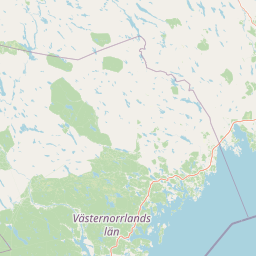
Map view of Björnlandet National Park

Use this park location map to pinpoint Björnlandet National Park in Sweden, understand its exact geographic position, and read its mapped placement within the surrounding landscape more clearly.

Pigeon | © OpenStreetMap contributors

Location context for Björnlandet National Park

Västerbotten County
Park atlas

Map the regional park geography across Västerbotten County and explore related protected landscapes in northern Sweden.

Compare National Parks Near Björnlandet National Park and Surrounding Västerbotten County
Explore other national parks and protected areas situated near Björnlandet National Park, tracing the regional spread of boreal forests and unique landscapes in northern Sweden. Comparing these protected landscapes provides valuable geographic context for understanding conservation efforts and the distinct natural heritage of Sweden's northern regions.
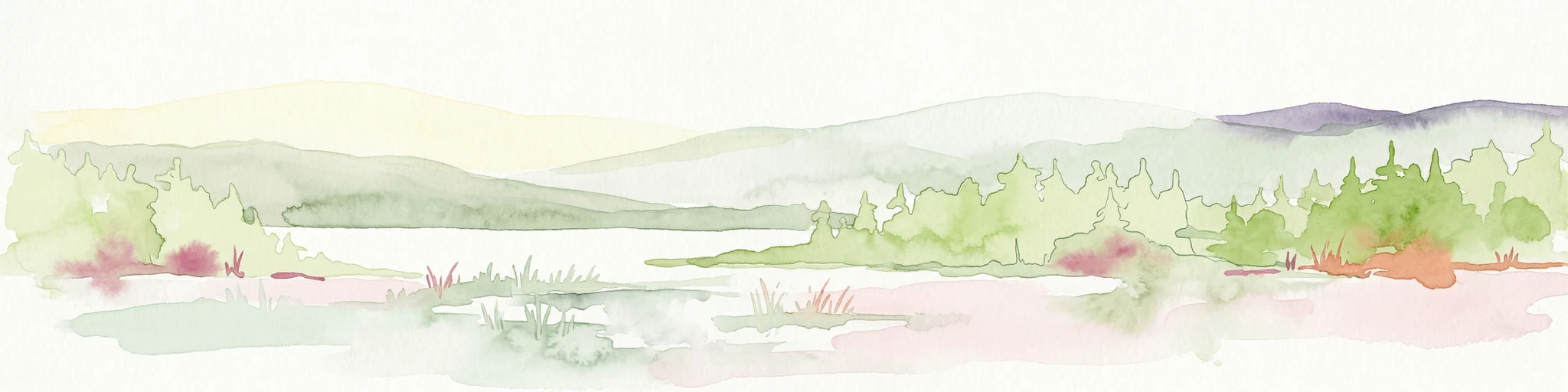
Watercolor painting showing a river flowing through a forested area with hills in the background
National park

Skuleskogen National Park: Mapped Protected Landscape on Sweden's High Coast

Rugged terrain, post-glacial rebound, and unique geology.

Delve into Skuleskogen National Park, a protected national park situated in Sweden's High Coast region. This MoriAtlas entry details its dramatic landscape, defined by active post-glacial rebound, ancient bedrock, and striking fracture valleys like Slåttdalskrevan. Understand the park's geographic significance, its mapped boundaries, and the unique natural phenomena that make it a key site for atlas-driven exploration of protected landscapes.

Area
30.62 km²
Established
1984
IUCN
II
Visitors
20K annual
National parkTrøndelag

Lierne National Park: A Protected Mountain and Wetland Wilderness in Trøndelag

Explore mapped boundaries, alpine terrain, and Scandinavian wilderness.

Lierne National Park is a prime example of Norway's protected mountain and wetland landscapes, situated in the Trøndelag region. This national park offers a detailed study of terrain shaped by glacial activity, featuring high peaks and expansive peat bogs. Its role in preserving habitats for large carnivores and the Arctic fox adds ecological depth to its geographic profile, providing valuable context for atlas-based discovery of protected areas.

Area
333 km²
Established
2004
IUCN
II
Relief
Mountain
National parkTrøndelag

Blåfjella, Skjækerfjella National Park: Norway's Extensive Protected Wilderness Landscape Atlas

Mapped natural terrain and protected area boundaries in Trøndelag.

Blåfjella, Skjækerfjella National Park stands as a paramount example of Norway's commitment to preserving vast, untouched natural areas. This protected landscape in Trøndelag features expansive mountain plains, glacial valleys, and important wetland habitats, making it a significant area for understanding regional geography and biodiversity. As one of the country's largest national parks, it offers unique insights into the ecological history of spruce migration and serves as a vital sanctuary for large predators. MoriAtlas provides structured map data and geographic context to explore the protected boundaries and diverse terrain of this remarkable wilderness.

Area
1,924 km²
Established
2004
IUCN
II
Relief
Mixed relief
National parkNordland

Børgefjell National Park: Explore Norway's Extensive Undeveloped Wilderness and Alpine Terrain

Mapped protected landscape in Nordland, known for granite peaks and arctic fox.

Børgefjell National Park offers a rare glimpse into Norway's most secluded and undeveloped mountain wilderness, spanning dramatic granite peaks and expansive marshlands. This protected landscape in Nordland provides a rich subject for atlas-based discovery, highlighting its unique geological formations, vital habitats for species like the arctic fox and wolverine, and extensive network of lakes and rivers. Navigate its geographic context and understand the protected boundaries of this significant natural area.

Area
1,447 km²
Established
1963
IUCN
II
Relief
Mountain
National parkNorrbotten County

Pieljekaise National Park: Ancient Birch Woodland and Glacial Terrain in Norrbotten

Explore Sweden's protected landscape and mapped geography.

Pieljekaise National Park, a historic protected area in Norrbotten County, showcases one of Scandinavia's most intact boreal birch woodlands. Its landscape is shaped by ancient glacial activity, featuring a U-shaped valley, rolling hills covered in primeval-like birch forests, and distinctive twin peaks. Positioned along the renowned Kungsleden trail, this national park serves as a vital point for understanding the mapped geography and protected natural heritage of Sweden's Lapland region.

Area
153.4 km²
Established
1909
IUCN
II
Relief
Upland
National parkFinland

Lauhanvuori National Park: Finland's Protected Landscape and Geographic Identity

Mapped protected area within Finland's regional geography.

Delve into the protected landscape of Lauhanvuori National Park, a key national park in Finland. This atlas-focused entry details its geographic setting and mapped boundaries, offering structured insight into its protected area status and natural terrain. Understand how Lauhanvuori National Park contributes to Finland's broader conservation geography and landscape context.

Area
53 km²
Established
1982
IUCN
II
Visitors
21.7K annual
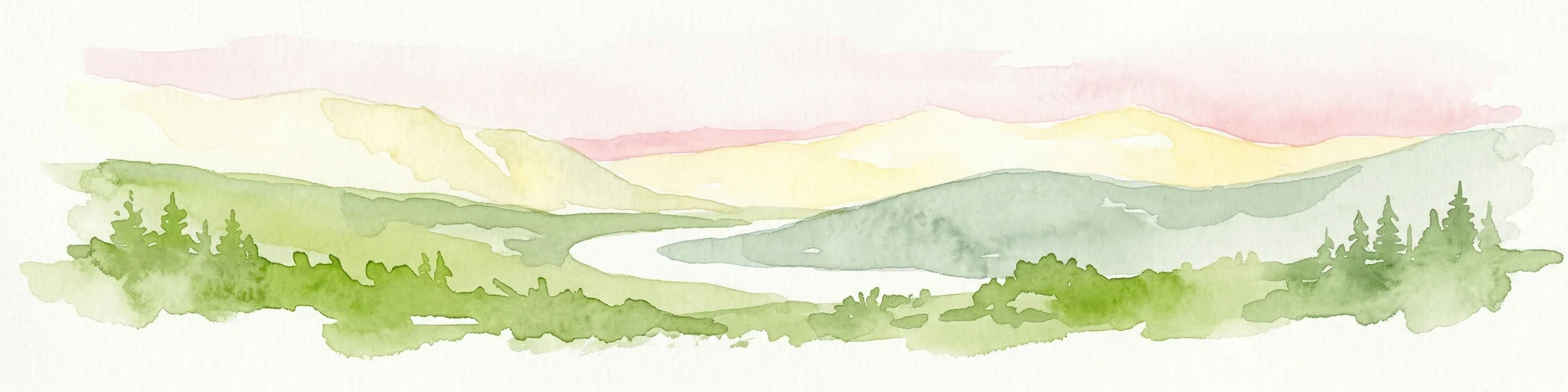
Watercolor painting of mountains, a river, and trees under a pink and yellow sky
National parkNordland

Lomsdal, Visten National Park: Mapped Protected Landscape and Karst Geology in Nordland

Explore the protected geography of northern Norway's unique terrain.

Delve into the protected world of Lomsdal, Visten National Park, a key national park within Norway's Nordland county. This area is celebrated for its extraordinary geological formations, including significant karst features like caves, subterranean rivers, and natural arches, set against a backdrop of dramatic fjords and rugged mountain landscapes. The park’s diverse ecosystems, from valley woodlands to alpine environments, offer rich context for understanding regional geography and the mapped distribution of protected natural areas in Scandinavia. Discover the unique characteristics that define this significant conservation landscape.

Area
1,102 km²
Established
2009
IUCN
II
National park

Sonfjället National Park: Mapped Alpine Terrain and Protected Landscape in Sweden

Explore the glacial geography and subalpine transition zones.

Sonfjället National Park is a key protected area in central Sweden, offering a unique glimpse into an alpine environment shaped by glacial forces. The park's landscape is characterized by the prominent Sånfjället mountain, steep glacial valleys, mires, and small lakes, showcasing raw, natural terrain. As a southern outpost for subalpine ecosystems, it presents a distinct ecological transition zone valuable for geographic discovery and understanding protected nature.

Common questions about visiting, size, designation, and location context for Björnlandet National Park

Björnlandet National Park FAQs for park facts, access, geography, and protected area context
Find quick answers about Björnlandet National Park, including protected-area facts, park geography, trail and visitor context, and how the park fits into its surrounding country and regional landscape.
MoriAtlas Explorer

Continue Your Protected Areas Search Across the Global Atlas

Deepen your exploration by continuing the structured search for national parks and protected areas worldwide. Utilize the comprehensive filtering capabilities to compare different conservation landscapes and refine your understanding of global park geography. Discover more about the distribution and characteristics of protected natural areas.

Global natural geography