
Why Burabay State National Nature Park stands out
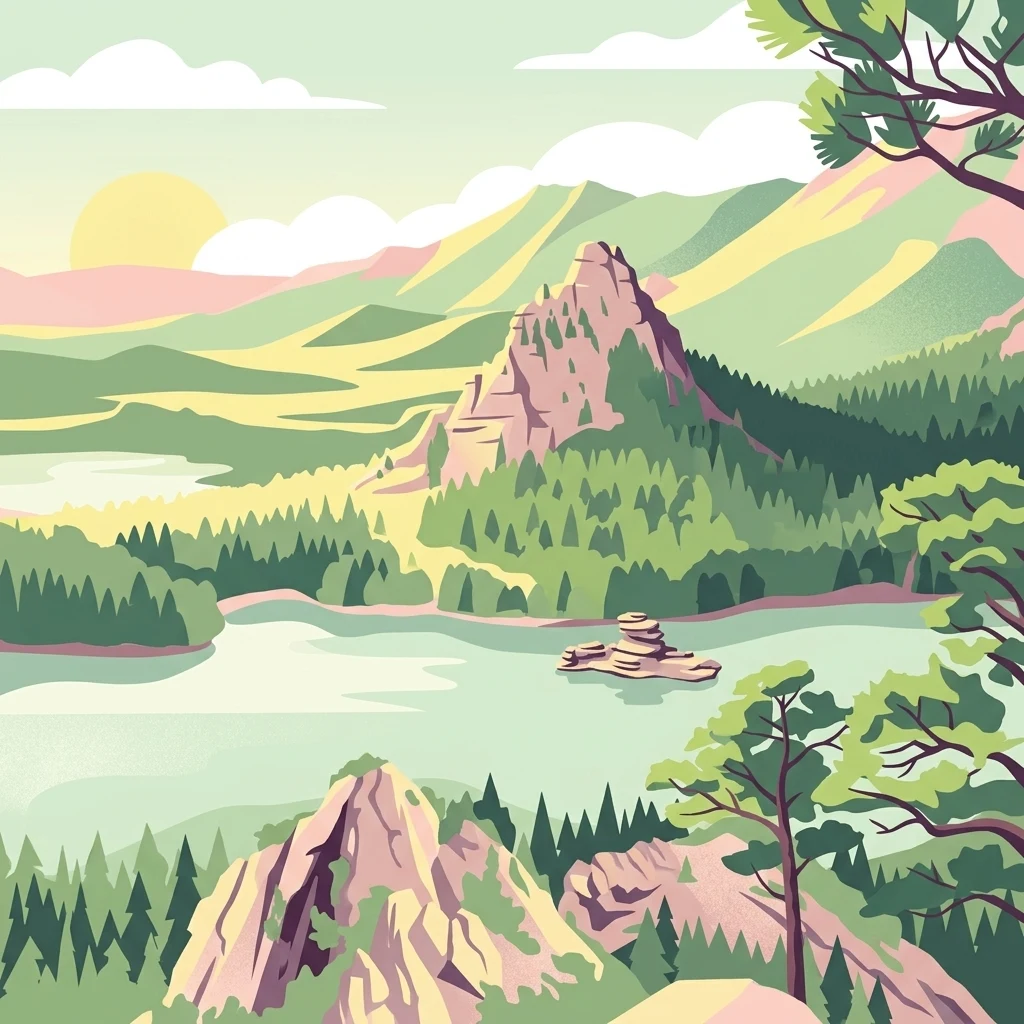
Burabay is best known for its distinctive pine and birch forests that blanket the granite hills of the Kokshetau Massif, the dramatic wind-sculpted rock formations that rise from the landscape, and the network of lakes including the prominent Burabay Lake. The park's cultural significance centers on Kenesary Cave, believed to be the childhood home of Kenesary Khan, grandson of Ablai Khan, and the rich legends that give the region its poetic reputation as Kazakhstan's pearl.
Burabay State National Nature Park history and protected-area timeline
The foundation of Burabay's protection began in 1898 with the establishment of a state forest in the area. In 1920, Burabay was nationalized and declared a spa town of national importance, recognizing its therapeutic qualities and scenic value. The formal designation as the National Nature Reserve of Burabay came in 1935, providing systematic conservation protection to the region's natural resources.
The reserve was dissolved in 1951 and reorganized as the Burabay Forest, representing a period of shifted management priorities toward forest resource utilization. A significant restoration of protection status occurred through governmental motion N° 787 of May 6, 1997, which transformed the Forest of Burabay into the Natural and Well-being Complex of the Forest of Burabay under state management.
The motion N°1246 of August 12, 2000, created the National Nature Park of Burabay with an initial area of 83,511 hectares, of which 47,600 hectares was covered by forest. In 2010, the park's territory was substantially expanded to 129,935 hectares, and in 2012, 370 hectares was converted to spare lands, reflecting ongoing adjustment of protected area boundaries.
Burabay State National Nature Park landscape and geographic character
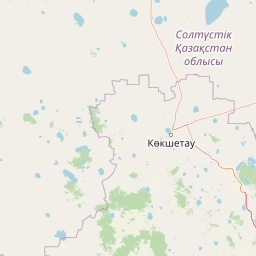
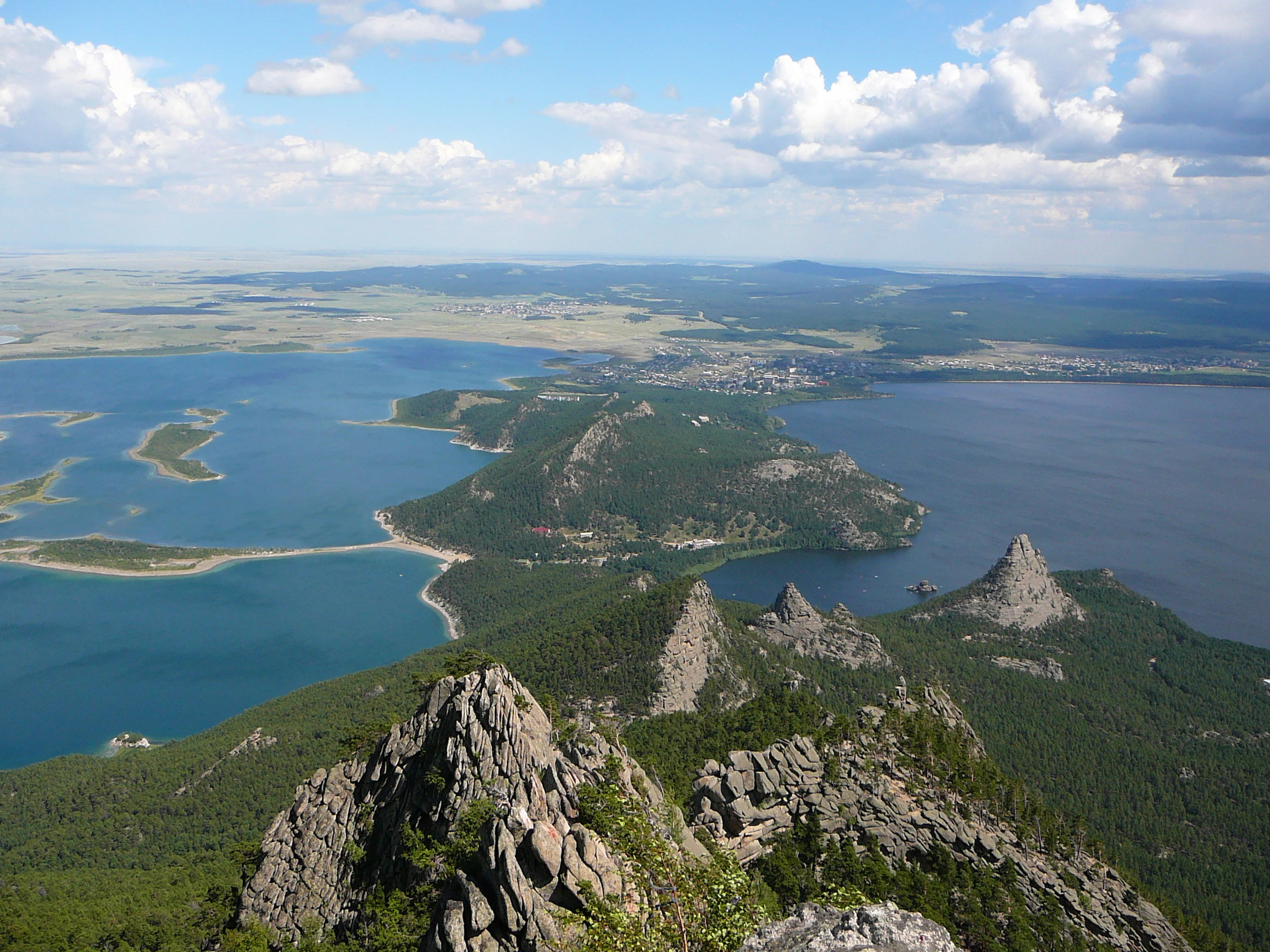
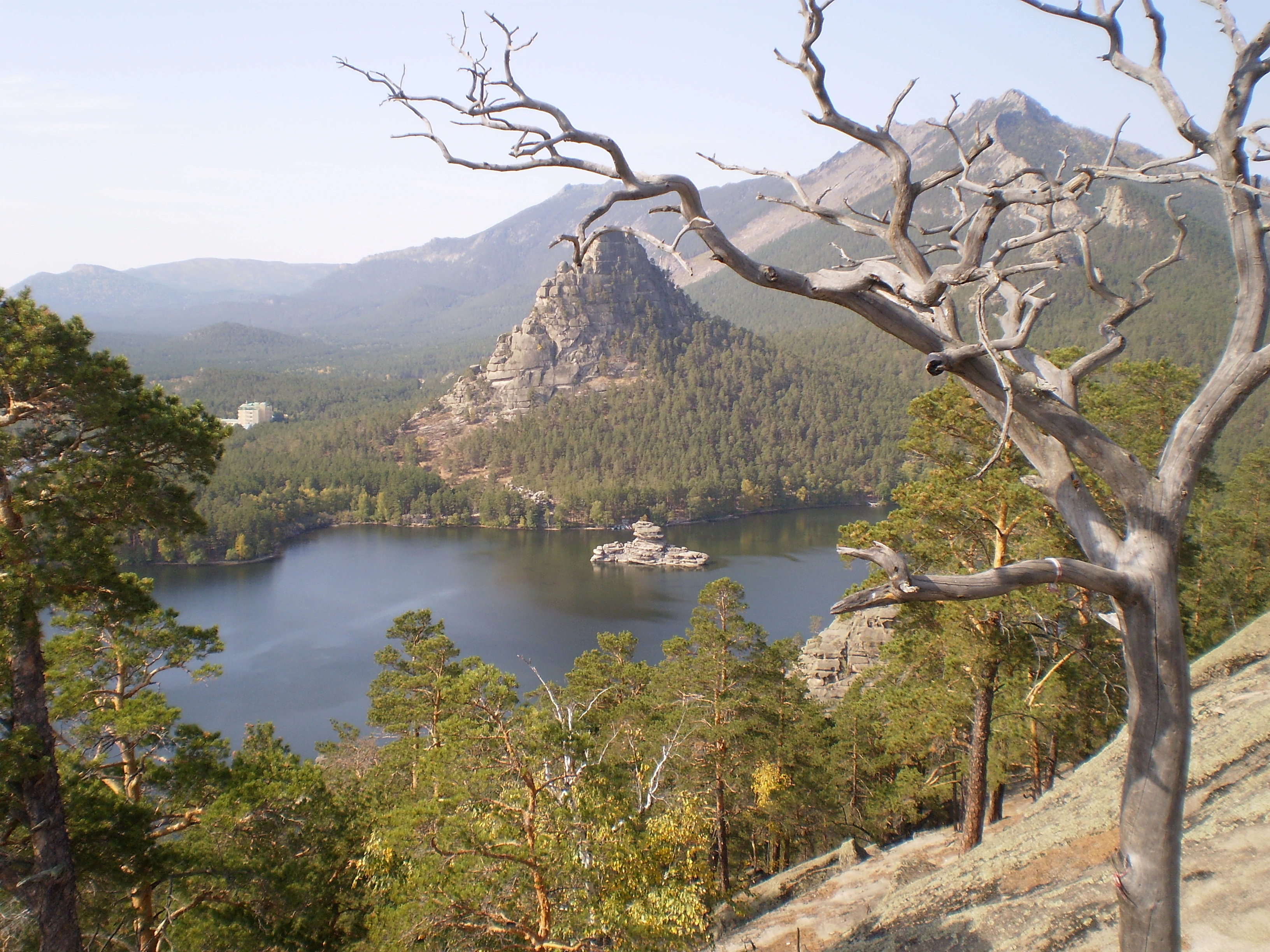
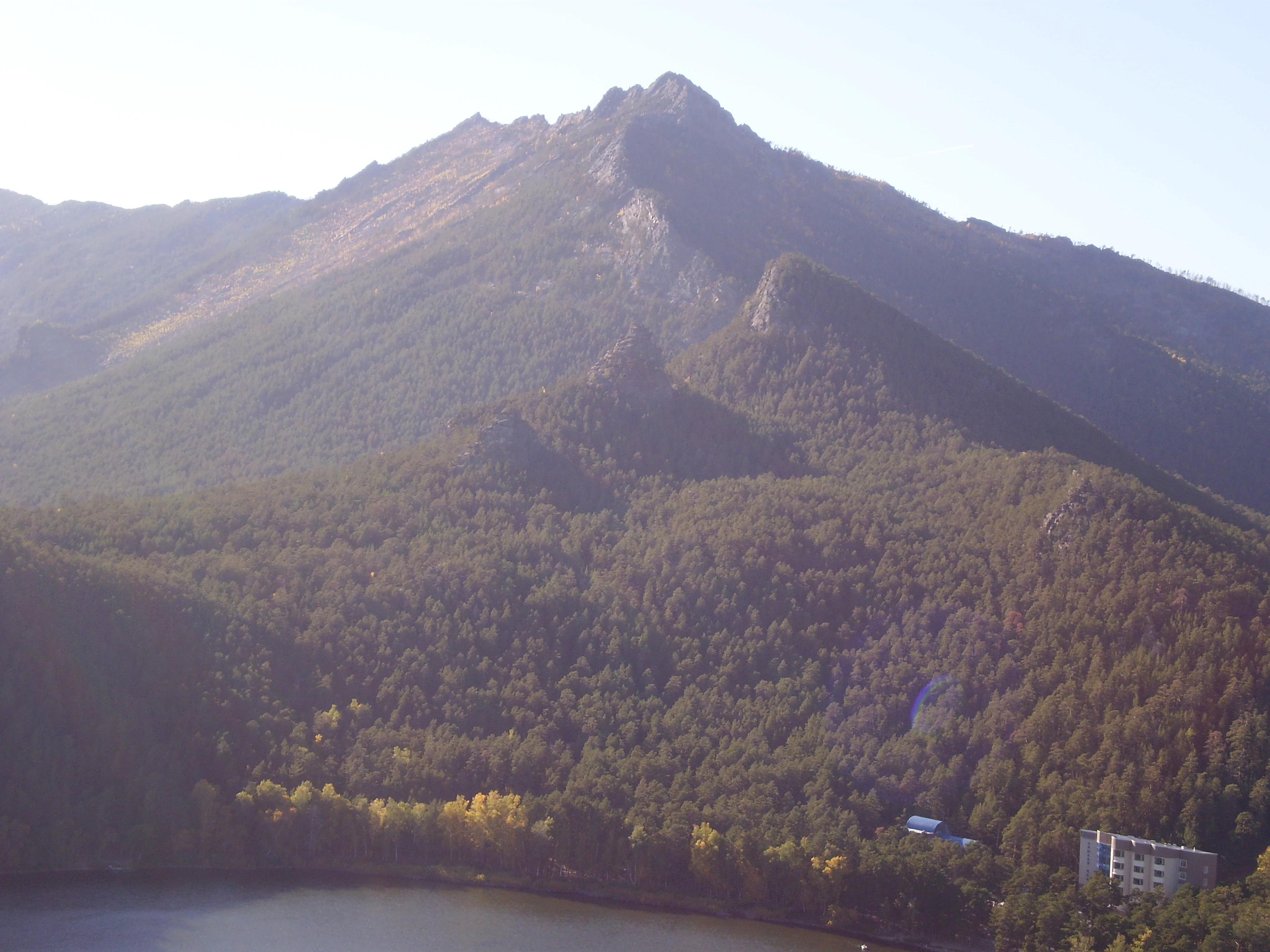
The Burabay National Park is set within the Kokshetau Massif, a mountainous region in the northern sector of the Kazakh Uplands characterized by rounded granite hills and distinctive rock formations. The geology includes some of Kazakhstan's oldest rocks, with Precambrian formations over 600 million years old comprising gneiss, quartz, and crystalline formations. The landscape features numerous wind-sculpted rock pillars and outcrops—formed by erosive forces acting on granite—creating memorable formations with names like Okzhetpes, Burkit, Zhumbaktas, and Jeke Batyr that resemble towers and fortress-like structures.
The terrain progresses from undulating steppe at the park's edges toward higher forested hills as one moves eastward into the Kokshetau Massif proper. The park contains an extensive network of lakes ranging from freshwater to saline, their waters reflecting the surrounding forests and granite terrain. Small streams including Sarybulak and Gromovaya contribute to the hydrological network, fed by numerous clear springs throughout the park.
Burabay State National Nature Park ecosystems, habitats, and plant life
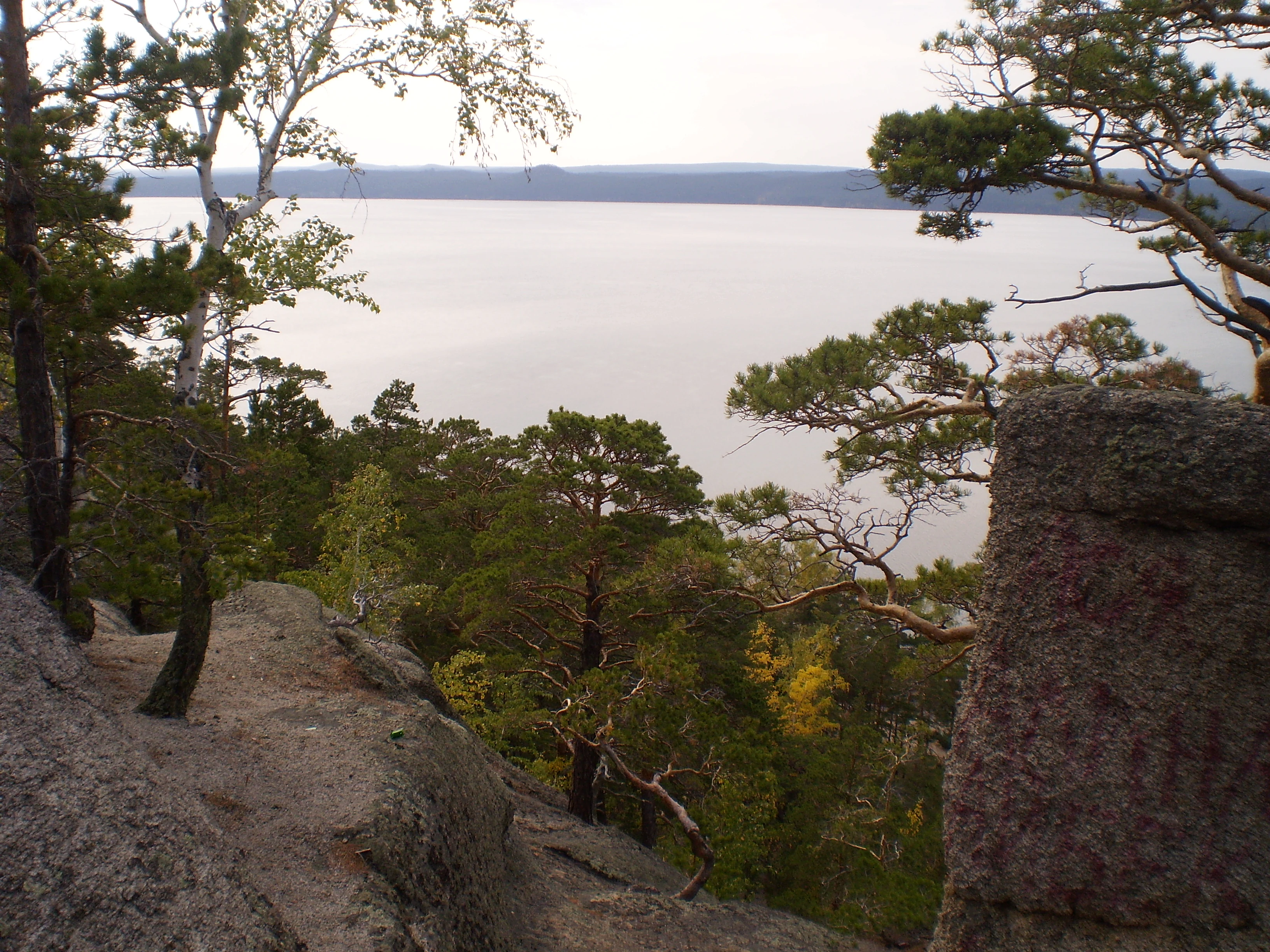
Burabay National Park sits within Kazakhstan's steppe landscape zone, yet its mountainous setting creates conditions for diverse forest and wetland ecosystems. The vegetation is dominated by pine forests, which typically grow on granite ridges and rocky slopes, interspersed with birch-covered areas. The forest composition is approximately 65% pine, 31% birch, 3% aspen, and 1% shrubs. The park supports 757 plant species, of which 95 are considered rare or endangered, with many species registered in Kazakhstan's Red Book.
The park's varied terrain—from stony and moss-covered areas to wet depressions dominated by birch and spruce—creates multiple habitat types. Lowland areas support willows, rose hips, red currants, and raspberries, while younger pine forests contain herbaceous ground cover. Northern plant species such as ferns, horsetails, clubmosses, and cloudberries occur in appropriate habitats. Mosses cover tree trunks and rock faces in moist locations. Peat deposits in some wetland areas reach up to three meters in thickness.
Burabay State National Nature Park wildlife and species highlights
The diverse habitats of Burabay support 305 vertebrate animal species, representing about 36% of Kazakhstan's total fauna diversity, with 40% of these species living at the edge of their natural habitat range in this area. Thirteen of these species are registered in Kazakhstan's Red Book.
Large mammals include several deer species—roe deer, moose, and introduced red deer—as well as wild boar. Small mammals include squirrels, stoats, weasels, and European pine martens. Predators present include wolves and Eurasian lynx, while the steppe and forest edges support various fox species, weasels, European and mountain hares, and European badgers.
Bird diversity is particularly notable, especially waterfowl such as common goldeneye, mallard, gadwall, northern pintail, and ruddy shelduck. Duck populations increase dramatically during autumn migration. Waders including plovers, northern lapwings, common sandpipers, and green sandpipers inhabit lake shores. The dry pine forests and birch woodland edges provide habitat for grey partridge and western capercaillie. Birds of prey including kestrels, hawks, buzzards, golden eagles, and eagle owls also inhabit the park.
Burabay State National Nature Park conservation status and protection priorities
Burabay National Park serves as a critical protected area in northern Kazakhstan, preserving representative ecosystems of the Kokshetau mountainous-forest region. The park protects 757 plant species, with 119 protected species and 12 registered in the Red Book, alongside 305 animal species with 13 Red Book species. The protection of old-growth pine and birch forests maintains carbon storage and watershed functions within the Kazakh Uplands.
The park's designation as IUCN Category II reflects its primary purpose of ecosystem conservation while accommodating sustainable visitor use. The direct presidential oversight ensures consistent protection funding and management priority. The conservation significance is enhanced by the presence of species at the edge of their natural ranges, with 40% of the animal species existing at habitat boundaries within this protected area.
Burabay State National Nature Park cultural meaning and human context
Burabay carries significant cultural heritage value tied to Kazakh history and legend. The park is associated with Kenesary Cave, named for Kenesary Khan, grandson of Ablai Khan, who is believed to have spent his childhood in this area. The cave remains a popular tourist destination and photographic location.
The park is intertwined with Kazakh legends explaining the region's distinctive landscape. One legend tells that the Creator, after providing only arid steppes to Kazakh nomads, gathered the remaining mountains, forests, lakes, and rivers and cast them toward the steppes upon hearing the people's prayers—this mythology gives rise to Burabay's reputation as Kazakhstan's pearl.
Historical significance includes the spa tradition, with Burabay recognized as a spa town of national importance since 1920. During World War II, from 1941 to 1944, many distinguished scientists from the former Soviet Union found refuge in the Burabay area. The Burabay sanatorium continues to treat conditions including stomach and joint disorders, utilizing the therapeutic qualities of the local environment.
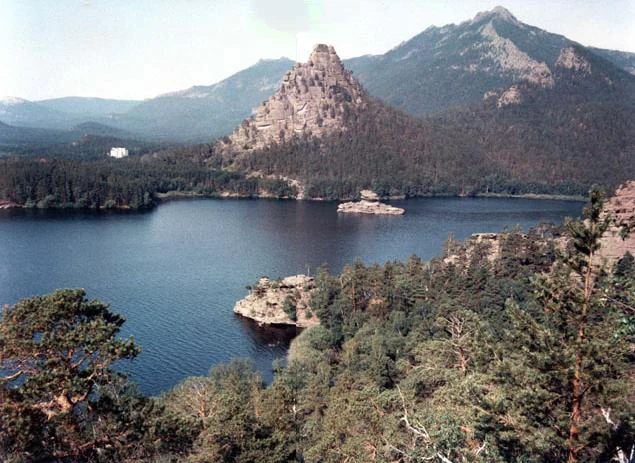
Top sights and standout views in Burabay State National Nature Park
Burabay National Park offers a distinctive combination of mountain forest landscapes, granite rock formations, and lake-filled terrain uncommon in central Asian protected areas. The pine and birch forests of the Kokshetau Massif provide seasonal color shifts and habitat for species including capercaillie and lynx. Kenesary Cave connects visitors to Kazakh historical figures and legend. The network of both freshwater and saline lakes creates scenic diversity, while the climate supports comfortable summer visitation. The park's proximity to Shchuchinsk, Kokshetau, and Nur-Sultan makes it accessible for regional tourism.
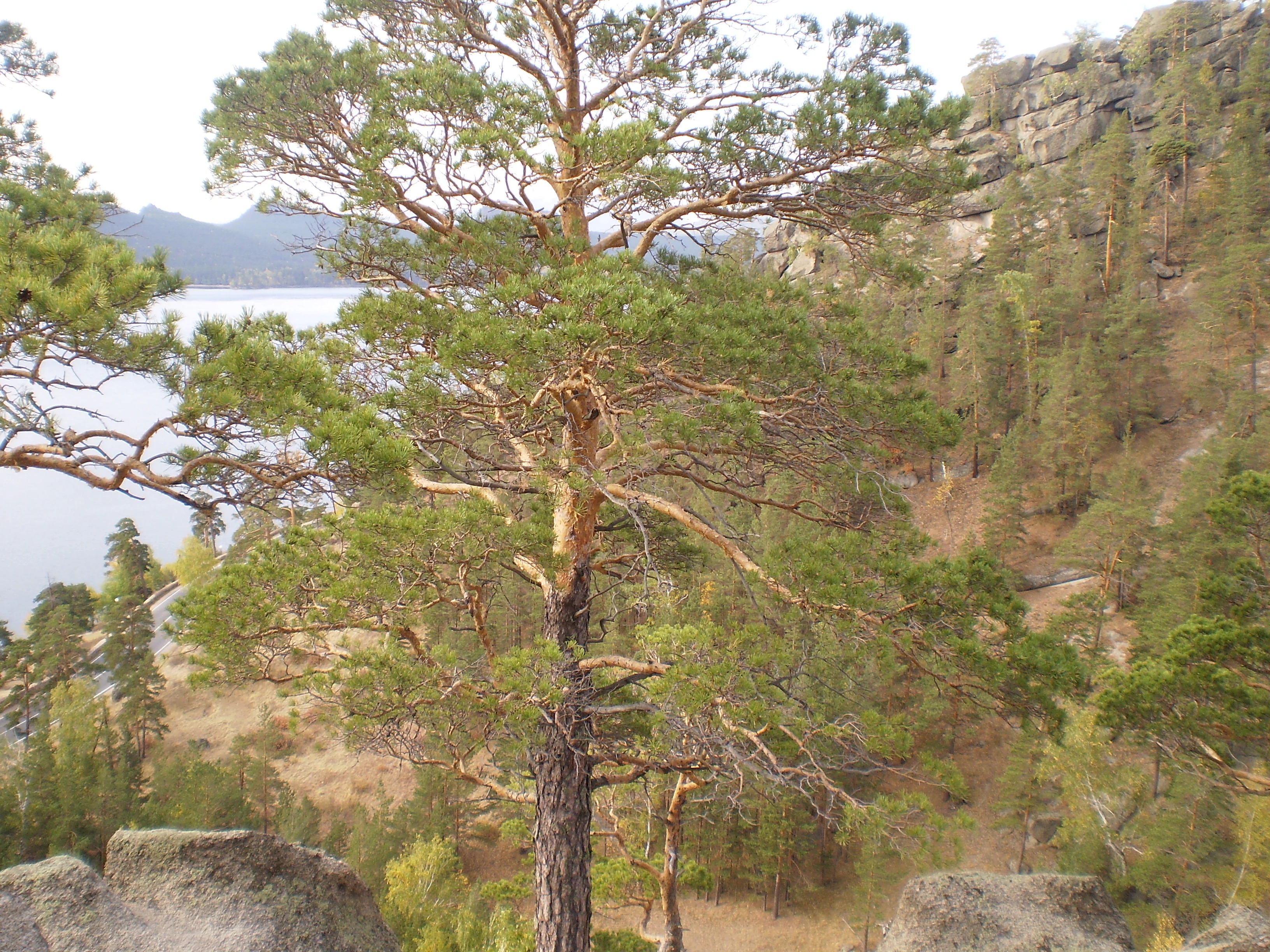
Best time to visit Burabay State National Nature Park
The most favorable time to visit Burabay National Park is during the summer months of June through August and into early September when warm temperatures allow full access to outdoor activities, trail exploration, and wildlife viewing. July temperatures averaging 19°C provide comfortable conditions for hiking among the forests and rock formations.
Winter visitation offers a different character, with the landscape transformed by snow cover averaging 25 to 35 centimeters from mid-November through April. The cold season presents opportunities for winter photography and experiencing the park's quieter season, though temperatures dropping to -16°C in January require appropriate preparation. The transition seasons of spring and autumn provide intermediate conditions, with autumn particularly notable for increased waterfowl activity during migration periods.