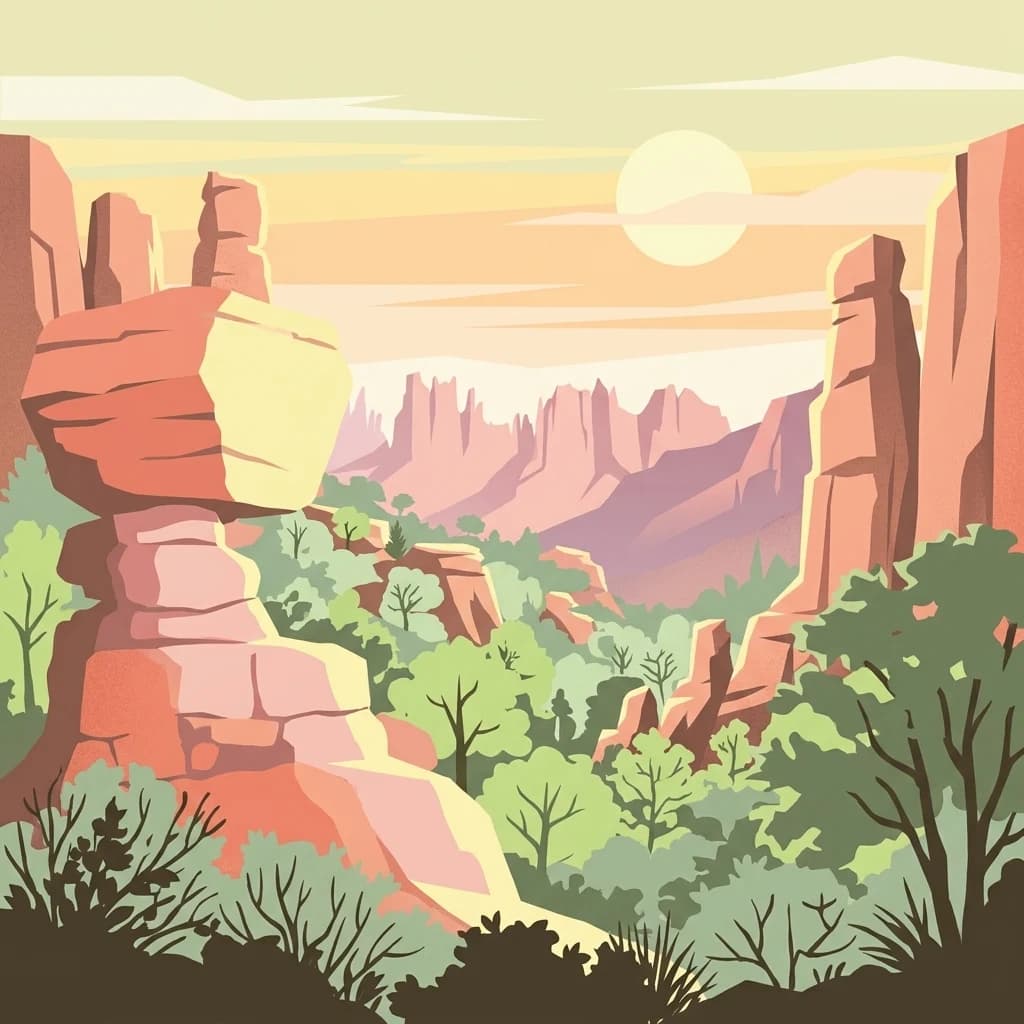
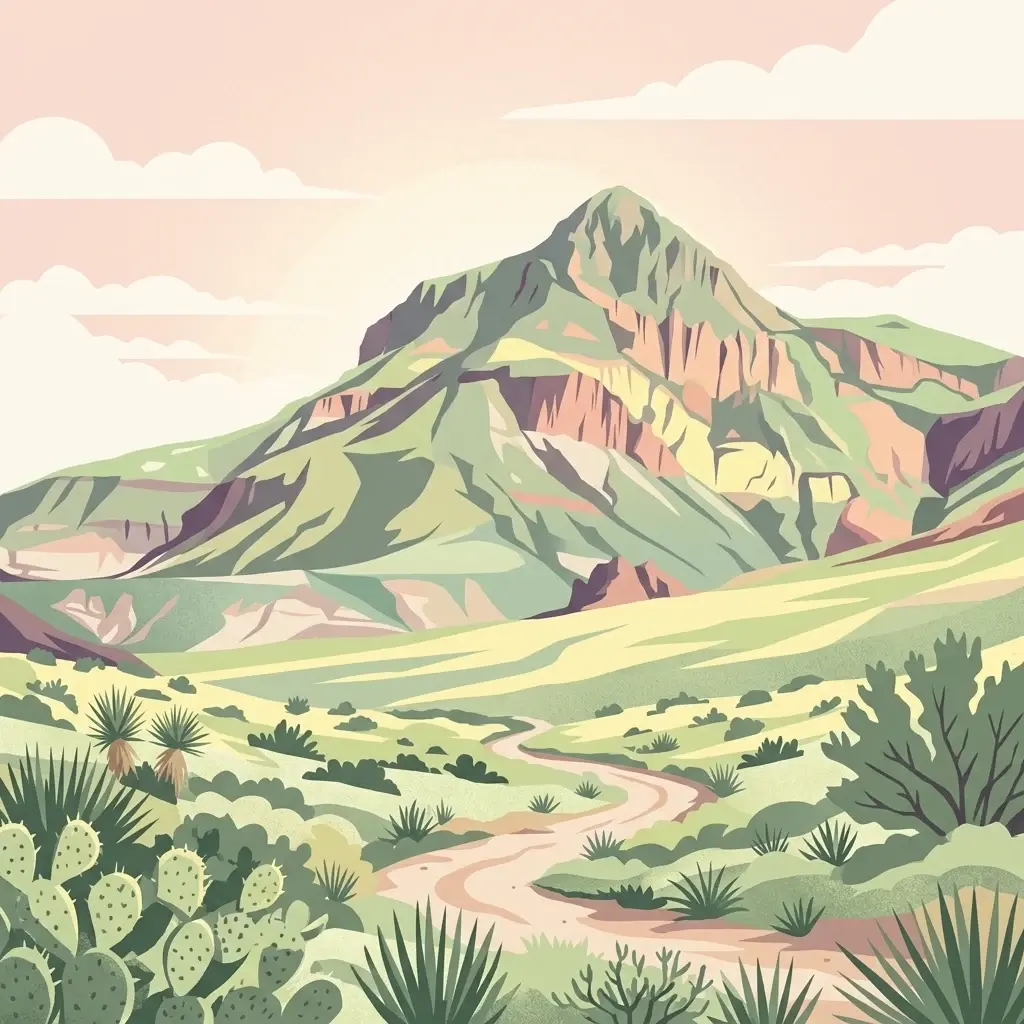
A Chihuahuan Desert riparian refuge anchored by ancient bald cypress along the Nazas River.
Cañón de Fernández State Park
Cañón de Fernández State Park is a natural protected area in the northern Mexican state of Durango, set within the heart of the Chihuahuan Desert. It straddles the Nazas River in Lerdo Municipality and covers roughly 17,000 hectares of desert canyon and riparian habitat. The park was established by the government of Durango in 2004 and later recognized internationally when it was designated a Ramsar Wetland of International Importance in 2008.
Its defining feature is a ribbon of dense riparian forest winding through an otherwise arid landscape, where Montezuma bald cypress, cottonwood, willow, and mesquite create a striking green corridor. Within that corridor grow bald cypress trees that dendrochronologists have dated to more than 1,400 years of age, giving the park a sense of ecological time that contrasts sharply with the surrounding desert. The combination of ancient trees, desert setting, and riverine habitat makes this a distinctive conservation area in northern Mexico.
The park is also notable for its biodiversity and its conservation significance. More than 220 bird species have been recorded here, including nesting rarities for the Chihuahuan Desert such as the grey hawk and the green jay, alongside a diverse mammal and reptile community that includes bobcats, mountain lions, and jaguarundis. As the only Ramsar site in Durango and the second in the Chihuahuan Desert, it carries regional weight well beyond its size, even as it faces ongoing pressures from water diversion, aquifer depletion, and proposed infrastructure development in the surrounding municipalities.