
Why Circeo National Park stands out
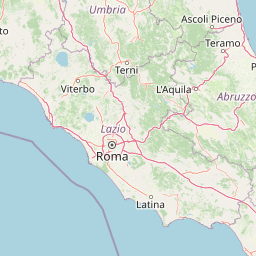
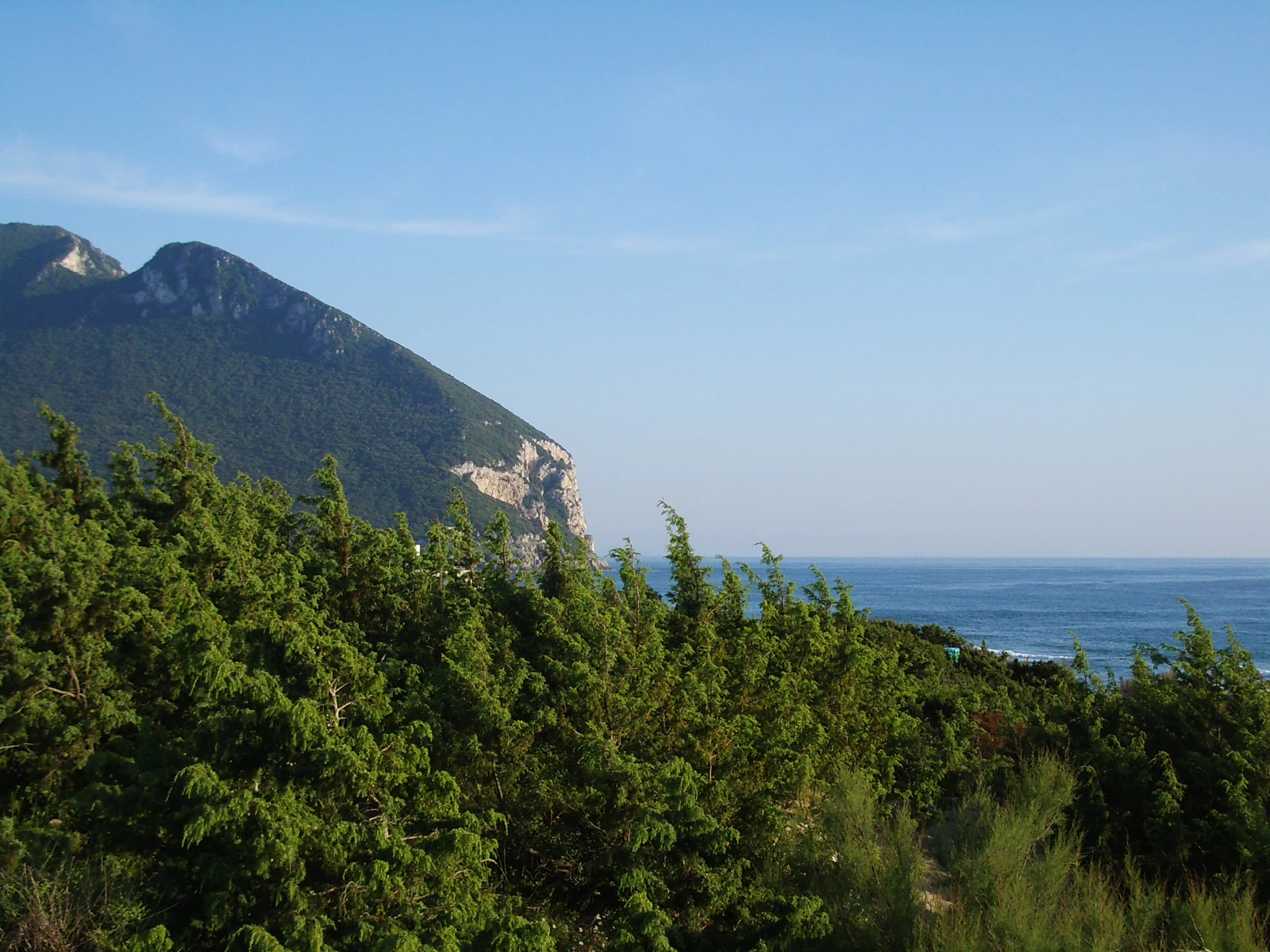
Circeo National Park is best known for its dramatic limestone promontory rising from the Tyrrhenian Sea, the ancient Grotta delle Capre (Goat's Cave) with its prehistoric rock art, and the unique coastal dune system that marks the transition between the promontory and the marshy Pontine plain. The park's Mediterranean maquis vegetation and the presence of the island of Zannone with its abandoned medieval village also distinguish it among Italian protected areas.
Circeo National Park history and protected-area timeline
Circeo National Park was established in 1934, part of a wave of early conservation legislation in Italy that sought to protect outstanding natural areas. The creation of the park reflected growing awareness in the early twentieth century of the need to preserve representative examples of Italy's diverse landscapes. The park's founding came during a period when the Pontine Marshes surrounding the promontory were being drained and transformed for agriculture, making the protected status of the Circeo area particularly significant as a means of preserving natural landscape that might otherwise have been lost to development. Over the decades, the park's management has evolved to address changing conservation priorities and ecological understanding. The original boundaries and regulations have been adjusted to reflect improved knowledge of the park's ecological communities and to strengthen protection of its most significant features.
Circeo National Park landscape and geographic character
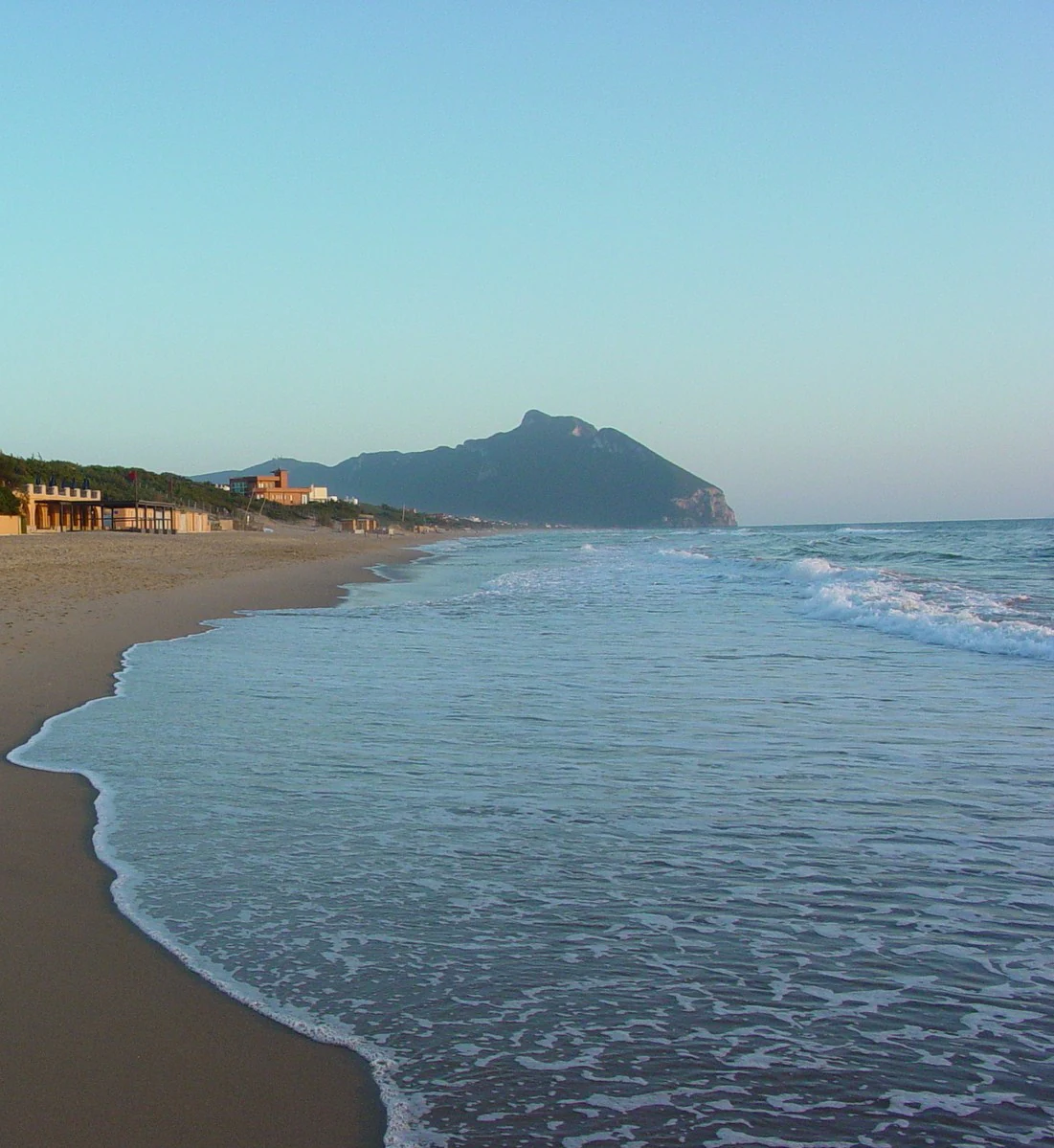
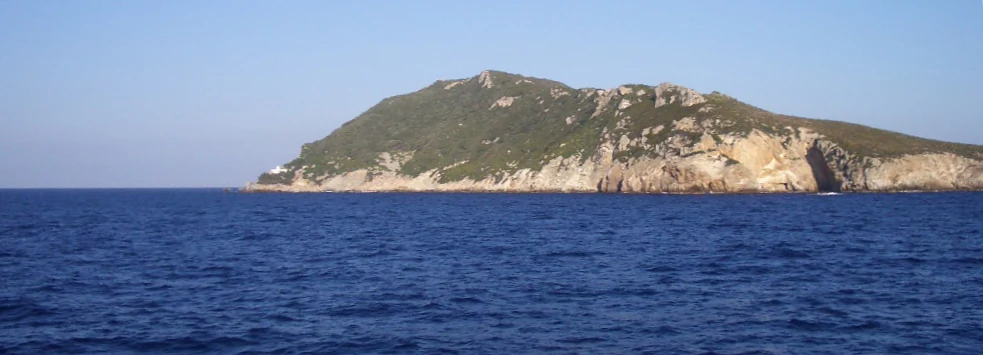
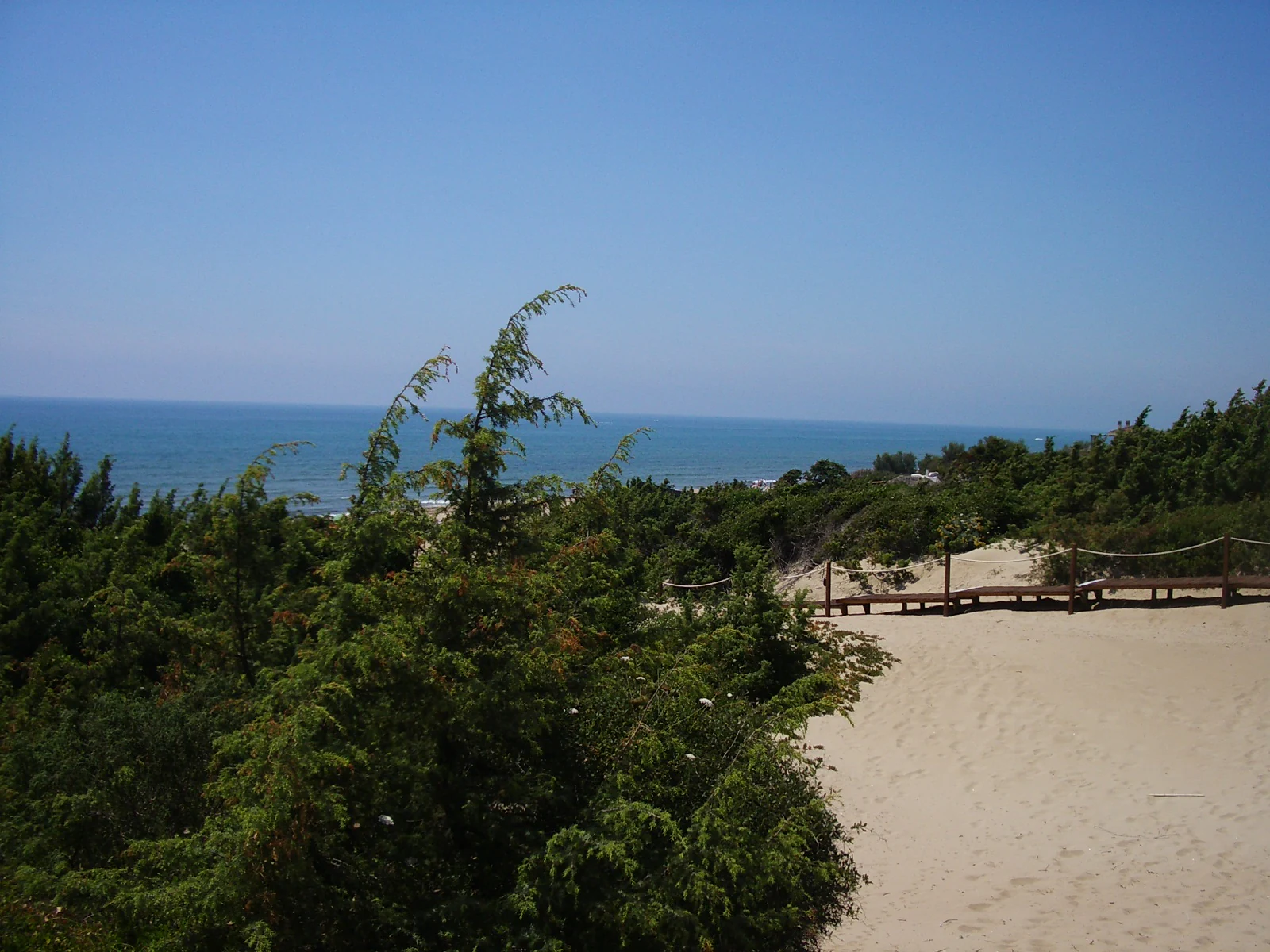
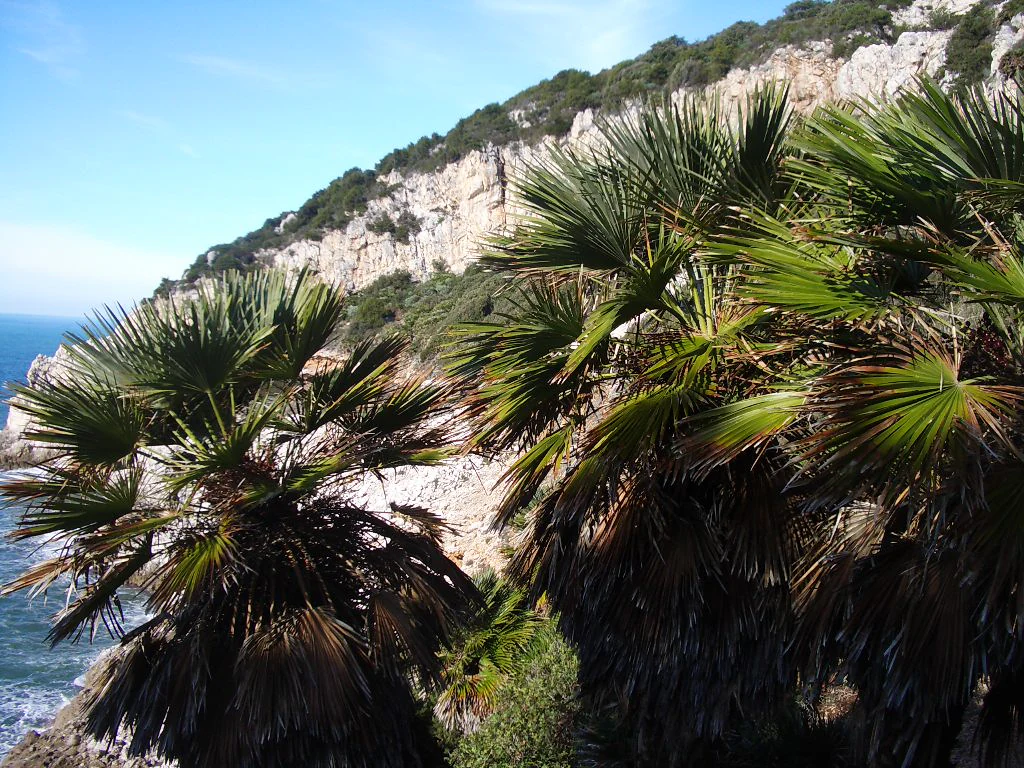
The landscape of Circeo National Park is defined by the dramatic contrast between the limestone promontory and the coastal plain at its base. The Monte Circeo rises as an isolated karst headland, its steep cliffs and rocky slopes covered in Mediterranean maquis vegetation. The promontory's limestone geology has produced an array of karst features, including caves, sinkholes, and solution hollows that add to the terrain's complexity. Along the southern and western shores, coastal dunes create a different landscape character, with shifting sands supporting specialized beach and dune vegetation. The island of Zannone, though small, adds a maritime element to the park, with its own coastal cliffs and vegetation. The transition from the promontory to the reclaimed marshland of the Pontine plain represents a striking landscape boundary, with the wild rocky headland contrasting sharply with the agricultural plain. The park's marine area includes the coastal waters around the promontory and Zannone, protecting the underwater environment that contributes to the area's ecological integrity.
Circeo National Park ecosystems, habitats, and plant life
The ecological character of Circeo National Park reflects its position at the boundary between Mediterranean coastal and wetland environments. The promontory supports typical Mediterranean maquis vegetation, with evergreen shrubs and small trees adapted to the dry summer conditions and coastal exposure. The dune areas host specialized plant communities adapted to sandy, saline conditions, while the remaining wetland areas within the park provide habitat for water-loving species in what was historically a much larger marsh complex. The park's position on the coast makes it significant for migratory birds, and the diverse habitats support a range of bird species throughout the year. The marine environment around the promontory and Zannone adds another ecological dimension, with coastal waters supporting their own communities of marine life.
Circeo National Park wildlife and species highlights
Circeo National Park provides habitat for Mediterranean wildlife, with the diverse habitats supporting a variety of bird species throughout the year. The park is situated along migratory bird routes, making it significant for birdwatching during spring and autumn migrations. The maquis vegetation supports typical Mediterranean bird species, while the wetland areas attract waterfowl and wading birds. The coastal cliffs provide nesting habitat for seabirds, and the marine environment supports fish and other marine species. While specific species information would require more detailed source data, the park's diverse habitats create conditions suitable for a range of wildlife.
Circeo National Park conservation status and protection priorities
Circeo National Park represents one of Italy's earliest efforts to protect Mediterranean coastal landscapes and geological features. The establishment of the park in 1934 reflected a growing conservation movement in Italy during the early twentieth century. The protection of the promontory was particularly significant given the extensive land-use changes occurring in the surrounding Pontine Marshes, where drainage for agriculture was transforming the landscape. By protecting the Circeo promontory and its surrounding coastal zone, the park preserves an example of the natural Mediterranean landscape that once characterized much of the Italian coast. The park's continued management focuses on maintaining the ecological integrity of its multiple habitats while allowing for appropriate public enjoyment and educational use.
Circeo National Park cultural meaning and human context
The Circeo promontory has been a significant location in Italian history and mythology since antiquity. The name itself derives from the mythological figure Circe, the enchantress from Greek mythology who was said to have lived on this headland. Ancient sources, including Homer's Odyssey, reference the promontory as the site of Circe's island, connecting the place to classical literary tradition. The Grotta delle Capre (Goat's Cave) contains prehistoric rock art, demonstrating even older human presence in the area. The island of Zannone contains the remains of a medieval settlement, adding a more recent layer of human history to the cultural context of the park. The combination of mythological significance, archaeological evidence, and medieval settlement patterns gives the park a rich cultural dimension alongside its natural significance.
Top sights and standout views in Circeo National Park
The defining highlights of Circeo National Park include the dramatic Monte Circeo promontory itself, a limestone headland that rises sharply from the Tyrrhenian Sea and has been a landmark of the Italian coast since antiquity. The Grotta delle Capre provides prehistoric cave art in a dramatic seaside setting. The island of Zannone preserves abandoned medieval structures in a maritime environment. The coastal dunes represent a rare example of Mediterranean beach dune ecosystems. The park's position as one of Italy's oldest national parks gives it historical significance in the development of Italian conservation.
Best time to visit Circeo National Park
The Mediterranean climate of Circeo National Park makes it suitable for visits throughout the year, though spring and autumn offer particularly pleasant conditions for exploring the outdoor landscapes. Summer months bring warm temperatures typical of the Italian coast, while winter tends to be mild though with increased precipitation. The park's coastal and promontory environment can be enjoyed in any season, though visitors should consider that summer months may be busier given the popularity of the Lazio coast for holidaymakers.