Why Desna, Stara Huta National Nature Park stands out
Desna, Stara Huta is most notable for its two contrasting landscapes that come together within a single protected area. The western Desna floodplain preserves one of the most intact river floodplain ecosystems in Ukraine, with relatively pure water, wide meadows, alder swamps, and forests of ash, oak, and aspen. The eastern Stara Huta section represents the southernmost extension of the Bryansk Forest, a vast pine forest complex that continues into Russia. The park is distinguished by its position as a transitional zone where northern boreal species reach their southern range limits while southern and steppe species approach their northern boundaries, creating a unique ecological meeting point. The floodplain also supports the vulnerable Sterlet fish and near-threatened Eurasian otter.
Desna, Stara Huta National Nature Park history and protected-area timeline
The Desna–Stara Huta National Nature Park was established by decree of the President of Ukraine on February 23, 1999, with the purpose of preserving, restoring, and sustainably using the landscapes of Left-bank Polesia with its typical and unique natural complexes. The park was created with the long-term vision of becoming part of a bilateral Ukrainian-Russian biosphere reserve connecting the Stara Huta forests with the Bryansky Les Nature Reserve in Russia. In 2009, the park achieved international recognition when it became a component of the Desna Biosphere Reserve, designated under the UNESCO Man and the Biosphere Programme. The park's territory is organized into functional zones according to Ukrainian legislation: a strict nature reserve zone covering over 2,357 hectares that includes the Veliki and Mali Bahy lakes in the Desna floodplain and significant portions of the Stara Huta forest, a regulated recreation zone of approximately 7,803 hectares for public access and environmental education, a stationary recreation zone of 2 hectares housing tourist facilities, and a economic zone of over 6,000 hectares that includes two settlements.
Desna, Stara Huta National Nature Park landscape and geographic character
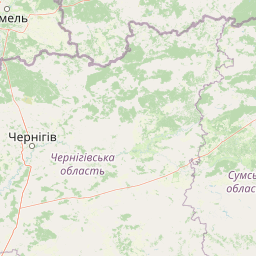
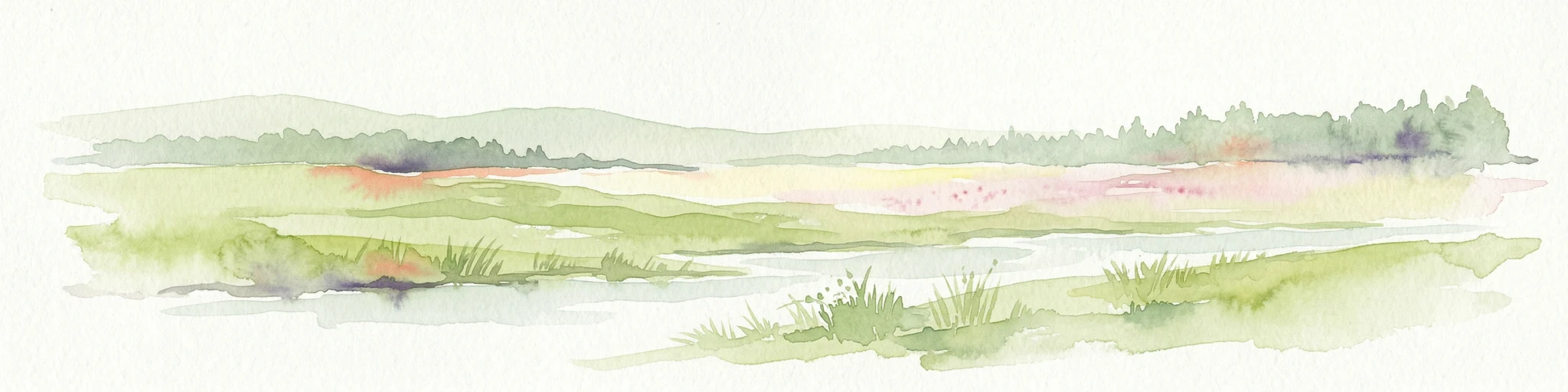
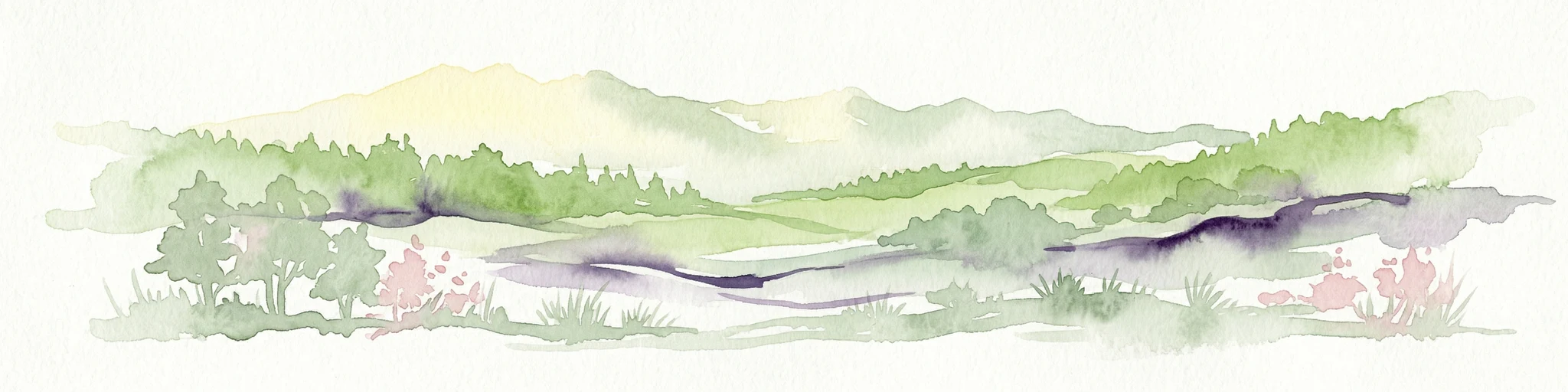
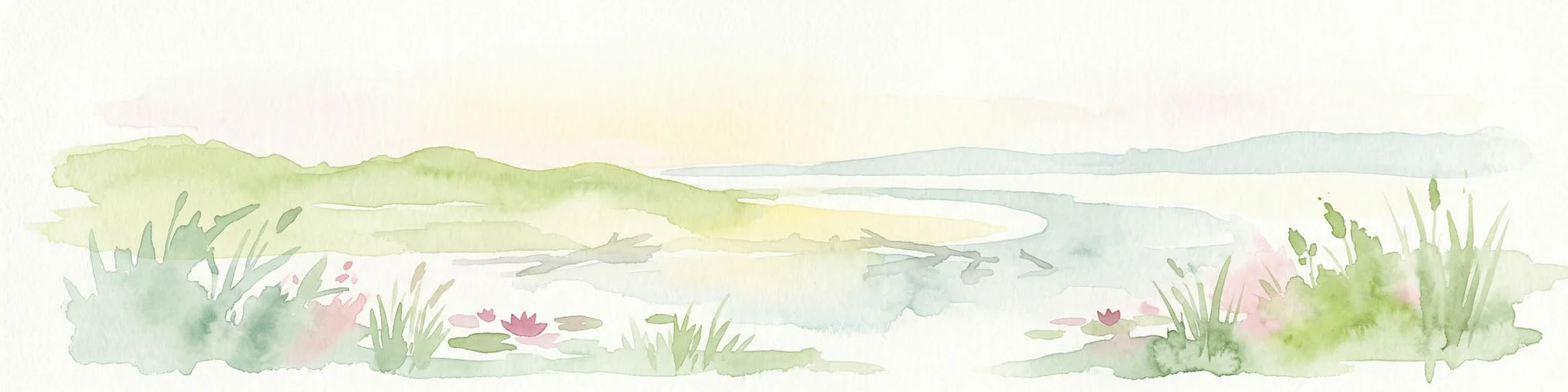
The park's landscape is defined by the Desna River valley and its associated wetlands and terraces. The Desna floodplain stretches two to four kilometers wide, a visually striking landscape of meadows, oxbow lakes, and marshes that represents one of the best-preserved floodplain complexes in Ukraine. The adjacent sandy terrace features rolling terrain covered primarily by pine and pine-oak forests. The Stara Huta section occupies the third terrace of the Desna, presenting a generally flat surface with shallow depressions containing mesotrophic and oligotrophic bogs—a rarity in Ukraine where most bogs are eutrophic. The western part of this terrace is interrupted by the marshy, now-drained valleys of small tributaries. The park encompasses the confluence of several tributaries: the Znobivka and Svoha rivers flowing into the Desna from the left, and the Sudost from the right. Small rivers in the Stara Huta section include the Ulychka and Chernia, tributaries of the Znobivka, with the Chernia's floodplain preserved in its natural state beneath alder forests and wetlands.
Desna, Stara Huta National Nature Park ecosystems, habitats, and plant life
The park protects representative ecosystems of the Central European mixed forests ecoregion with remarkable diversity across its two sections. Forests cover approximately 53% of the park's territory, with meadows at 33%, wetlands around 4%, water surfaces at 2%, and agricultural lands comprising the remaining 8%. The Desna floodplain section features complex floodplain vegetation including meadow, wetland, and aquatic communities, while the pine-covered sandy terrace supports pine forests with green moss understory and fragments of oak forest in lower areas. The Stara Huta section is predominantly forested, covering about 80% of its area, with green-moss and blueberry-pine forests as the dominant cover types. The park's flora includes 801 species of higher vascular plants, with 22 species listed in the Red Book of Ukraine including the creeping goodyera, royal lousewort, common clubmoss, Stark's willow, and floating water-starwort. The bryophyte community includes 106 species, with the epiphytic moss Neckera pennata rare for the region and protected in Europe's Red Book of Bryophytes. The park's wetlands represent rare plant communities including floating water-starwort, water chestnut, and floating water moss, all занесен to the Green Book of Ukraine.
Desna, Stara Huta National Nature Park wildlife and species highlights
The park supports exceptional biodiversity that reflects its position as a transitional zone between ecological regions. The vertebrate fauna includes 313 species, with 35 protected under Ukraine's Red Book. The mammal community features typical Polesia species including elk, roe deer, wild boar, squirrel, hare, and wolf, with beavers having returned to the marshy areas in recent years. The Stara Huta section provides habitat for European bison (zubr) that occasionally migrate from Russia, along with brown bear and lynx at the southern limits of their ranges. The bird population is particularly noteworthy with 207 species, including 134 that breed within the park. Notable species include the black stork, osprey, snake eagle, greater spotted eagle, white-tailed eagle, capercaillie, common crane, and the park's symbol—the charismatic eagle owl. The park supports taiga bird species at their southernmost breeding locations, including the pygmy owl, goldcrest, and red-backed shrike. The aquatic communities include the vulnerable Sterlet and the near-threatened Eurasian otter, while the fish community features sterlet, common dace, and common barbel.
Desna, Stara Huta National Nature Park conservation status and protection priorities
The park holds significant conservation value at both national and international levels. Its designation as a Ramsar wetland site recognizes the international importance of the Desna River floodplains as a waterbird habitat. The park forms part of the Desna Biosphere Reserve, established under UNESCO's Man and the Biosphere Programme in 2009, linking Ukrainian and Russian protected areas in the transboundary Bryansk Forest region. The strict nature reserve zone preserves reference ecosystems for scientific monitoring. The park protects 22 endangered plant species listed in Ukraine's Red Book and supports 35 vertebrate species of conservation concern. Its wetland communities, particularly the floating water-starwort, water chestnut, and floating water moss associations, are protected under Ukraine's Green Book. The park's ecological significance is enhanced by its position as a transition zone where northern and southern species meet, making it valuable for understanding climate-related range shifts and biodiversity patterns.
Desna, Stara Huta National Nature Park cultural meaning and human context
The park region carries historical significance beyond its natural value. During World War II, the Stara Huta forests served as a base for partisan operations, including a post of the legendary Soviet partisan unit led by Sydir Kovpak. A historical monument has been established at the site of a former partisan dugout, preserving this aspect of regional history. The park's territory also includes two settlements within its economic zone, reflecting the long human presence in this border region of northeastern Ukraine. The local communities maintain connections to the land through traditional activities including fishing in the Desna, which remains rich in fish species, and gathering in the forests, where mushrooms and berries such as blueberry, cranberry, and lingonberry are abundant.
Top sights and standout views in Desna, Stara Huta National Nature Park
The park offers two distinctly different natural experiences within one protected area: the open wetlands and meadows of the Desna floodplain with its meandering river, oxbow lakes, and rich birdlife, versus the enclosed pine forests of Stara Huta with their taiga species and deep forest atmosphere. The Vizytivka Desny ecological trail provides visitors with an accessible introduction to the floodplain's diverse habitats, while the Grafivska trail explores the untouched corners of the Stara Huta forests. The park's status as a Ramsar site and Biosphere Reserve places it among Ukraine's most important international conservation areas. Its position at the ecological crossroads means visitors may encounter species ranging from northern taiga birds to southern steppe inhabitants within the same landscape.
Best time to visit Desna, Stara Huta National Nature Park
The park can be visited year-round, with each season offering different experiences. Summer provides the best conditions for exploring the floodplain's wetland trails and observing breeding birds, while the warm months offer comfortable temperatures for camping and boat activities. Autumn brings abundant mushroom and berry picking in the Stara Huta forests, and the changing colors create a distinctive atmosphere across both sections. Winter offers the opportunity to experience the frozen wetlands and forests, though access to some areas may be limited. The shoulder seasons of spring and autumn are particularly rewarding for birdwatching, as the floodplain serves as a major migration corridor where thousands of geese, ducks, waders, and gulls stop during their journeys.