
Why Dolomiti Bellunesi National Park stands out
Dolomiti Bellunesi is renowned for its spectacular alpine Dolomite landscapes characterized by dramatic peaks, deep valleys, karst formations, and high-altitude terrain. The park protects significant populations of golden eagles, chamois, and other emblematic alpine species within one of the most geologically distinctive regions of the Dolomites. Its designation as part of the UNESCO World Heritage Site recognizes both the outstanding scenic beauty and the scientific importance of its Dolomite rock formations, which represent a unique geological phenomenon in the European Alps.
Dolomiti Bellunesi National Park history and protected-area timeline
The Dolomiti Bellunesi National Park was planned in 1988 as part of Italy's expanding network of protected areas aimed at preserving the nation's most significant natural landscapes. The Ministry of the Environment officially established the park in 1990, identifying four primary objectives that continue to guide its management. First, the protection of natural, historical, landscape, and environmental values, with particular emphasis on preserving the bio-genetic integrity of flora, fauna, and geological features. Second, efforts to improve the quality of life for resident populations in the mountainous communities within the park boundaries. Third, the promotion of scientific research and environmental education to foster naturalistic culture and understanding of the Dolomite environment. Fourth, the safeguarding of traditional agricultural, forest, and breeding activities that represent both cultural heritage and integral elements of the landscape's ecological character. The park was formally operationalized in 1993, building upon decades of growing recognition that the Bellunesi Dolomites required formal protection against development pressures and to ensure the long-term preservation of their exceptional natural values.
Dolomiti Bellunesi National Park landscape and geographic character
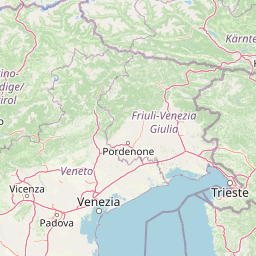
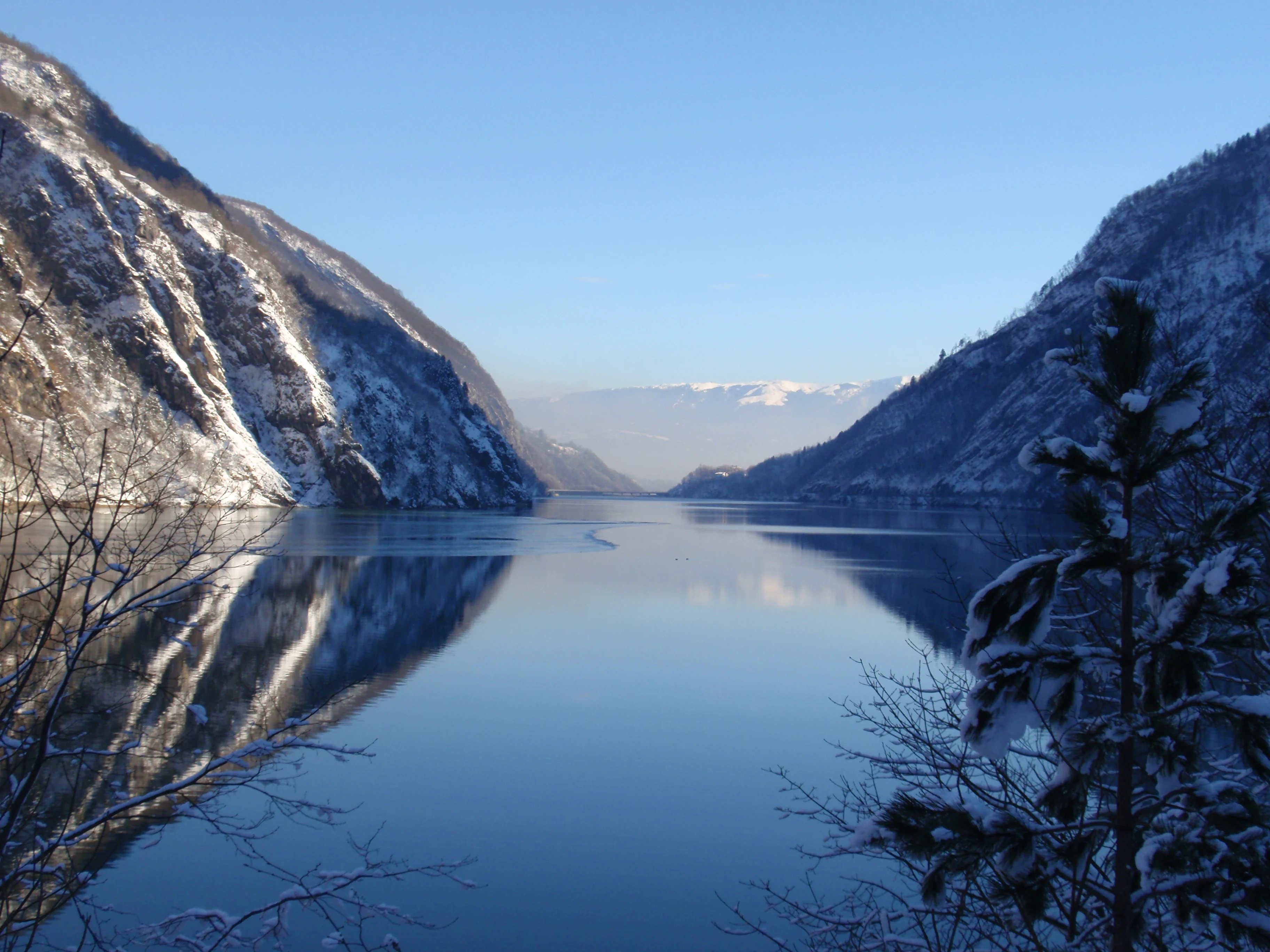
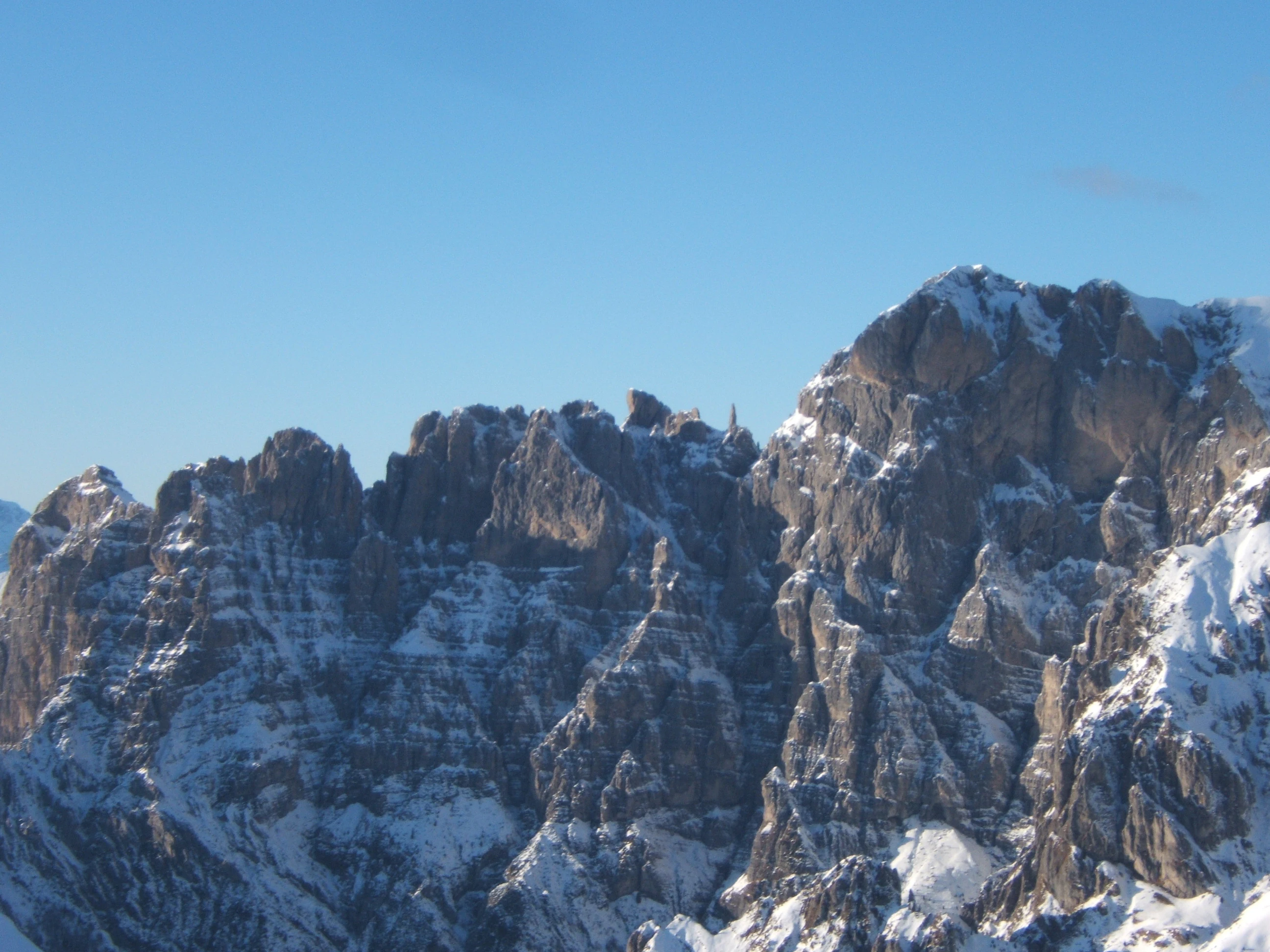
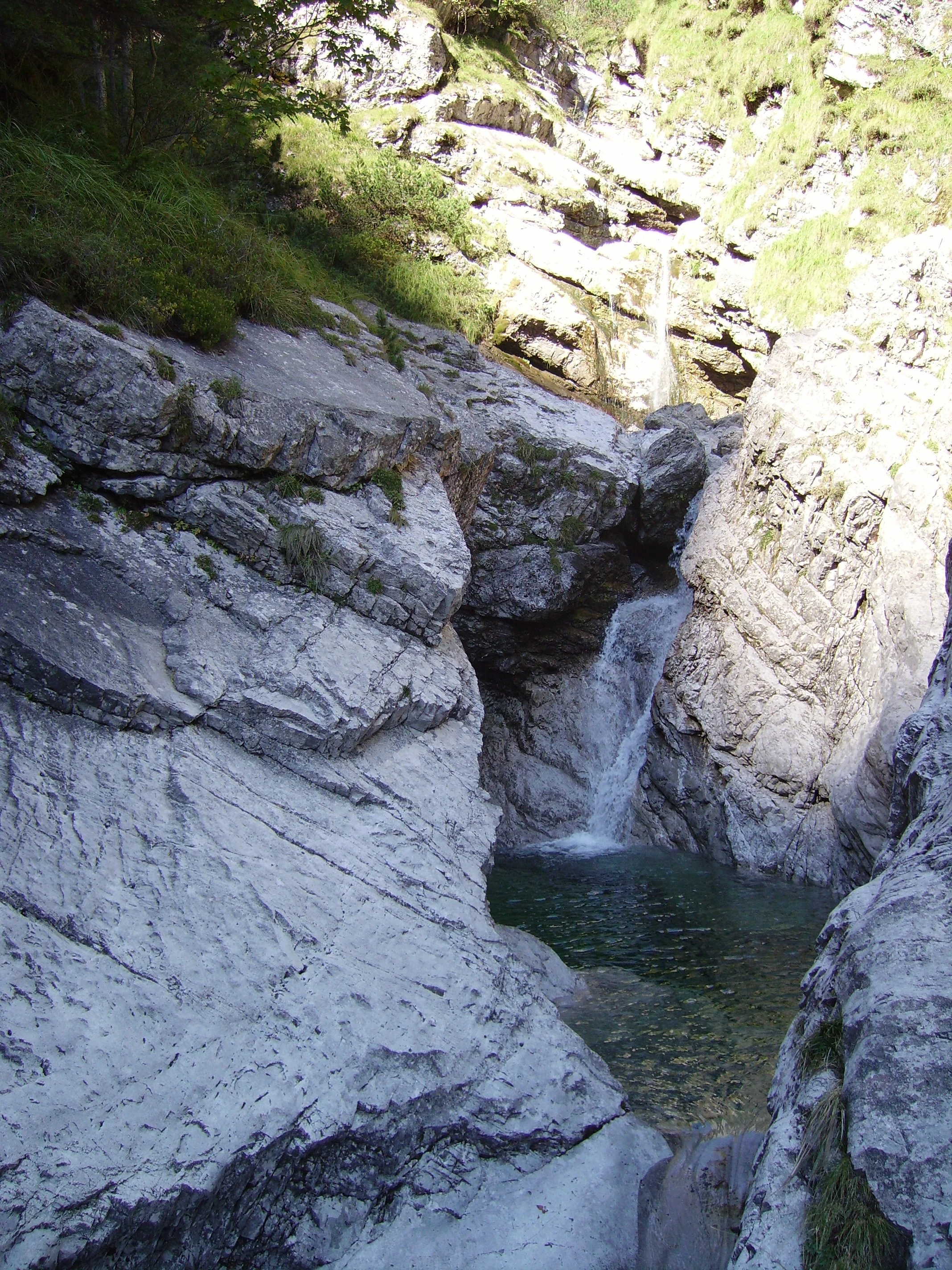
The landscape of Dolomiti Bellunesi National Park exemplifies the dramatic alpine character of the Dolomites, featuring a complex tapestry of mountain ranges, deep valleys, karst formations, and water-rich terrain. The park encompasses several distinct mountain groups including the Alpi Feltrine with its notable peaks Vette di Feltre, Cimonega, Pizzocco, Brendol, and Agnelezze, as well as the Monti del Sole, Schiara, Monte Talvena, Cima di Prampèr, and Spiz di Mezzodì. The terrain includes high-altitude areas exceeding typical tree line, where karst rock formations and debris slopes create a stark yet ecologically significant alpine environment. The park is distinguished by its exceptional water resources, with numerous springs, marshes, and streams including the Cordevole, Mis, Caorame, Stien, Falcina, Ardo, Vescovà, and Prampera rivers and their tributaries. Many of these watercourses flow through deep canyons carved over millennia, and all are subject to seasonal variations that influence the park's ecological dynamics. Lago del Mis represents one of the notable lentic bodies within the park, adding to the diversity of aquatic habitats.
Dolomiti Bellunesi National Park ecosystems, habitats, and plant life
The ecological character of Dolomiti Bellunesi reflects the transitional nature of its position within the Dolomites, supporting a remarkable diversity of habitats from valley forests to alpine meadows. The vegetation composition includes extensive broad-leaved tree forests and pine forests that clothe the lower slopes, transitioning into pastures and alpine meadows at higher elevations. The flora of the Bellunesi Dolomites features characteristic alpine species including rhododendron, various Carduus species, and the iconic edelweiss, along with numerous other plants adapted to the harsh high-altitude environment. The park's position between major river systems and its complex topography create diverse microclimates and ecological niches that support this botanical richness. Except for the high-altitude karst areas where water infiltrates directly into the limestone, the territory maintains exceptionally rich water resources that sustain wetlands, streams, and associated riparian habitats throughout the park.
Dolomiti Bellunesi National Park wildlife and species highlights
Dolomiti Bellunesi National Park hosts significant alpine biodiversity across multiple taxonomic groups, making it one of the more ecologically important protected areas in the Dolomites. The mammalian fauna includes notable species such as marmot, stoat, marten, roe deer, chamois, red deer, and mouflon, representing both native alpine species and introduced species that have established populations in the park. The bat fauna is particularly well-represented with species including the greater mouse-eared bat, common pipistrelle, grey long-eared bat, brown long-eared bat, and Daubenton's bat, indicating healthy cave and forest habitats. The bird community is exceptionally diverse, featuring species associated with forest habitats such as black woodpecker, various tit species, and corvids, as well as raptors including northern goshawk, kestrel, and golden eagle. High-altitude specialists include wallcreeper, rock ptarmigan, rock partridge, white-winged snowfinch, and black redstart, while owls are represented by Eurasian pygmy owl, boreal owl, tawny owl, and the impressive Eurasian eagle-owl. The reptile and amphibian fauna includes alpine newt, Italian crested newt, fire salamander, alpine salamander, yellow-bellied toad, common toad, mountain frog, European green toad, and the venomous Vipera ammodytes.
Dolomiti Bellunesi National Park conservation status and protection priorities
Dolomiti Bellunesi National Park represents a critical conservation milestone for the Dolomites region, protecting a significant portion of the Bellunesi Dolomites within a formal protected area framework. The park's inclusion in the UNESCO World Heritage Site designation in 2009 provides international recognition of its outstanding universal value and creates additional incentives for rigorous protection and sustainable management. The conservation objectives established at the park's founding emphasize the protection of bio-genetic values across all native species, recognition of the landscape's historical and cultural dimensions, and the integration of traditional land uses within the conservation framework. The protection of water resources and the intricate network of streams and canyons that traverse the park supports aquatic and riparian ecosystems that might otherwise be vulnerable to development or alteration. The park's management approach balances ecological preservation with the needs of local communities, recognizing that the long-term health of the protected area depends on maintaining the traditional activities that have shaped its character over centuries.
Dolomiti Bellunesi National Park cultural meaning and human context
The Dolomiti Bellunesi National Park exists within a landscape where human activity and natural processes have intermingled for centuries, creating a cultural landscape that is inseparable from its ecological character. The fifteen municipalities encompassed within the park boundaries, including Belluno, Feltre, and numerous smaller communities, represent communities with deep historical connections to this mountainous terrain. Traditional agricultural practices including farming, forestry, and livestock breeding have not only shaped the landscape through centuries of active management but also maintain ecological value by creating and maintaining the open habitats that many species depend upon. The conservation framework established for the park explicitly recognizes the importance of safeguarding these traditional activities, understanding that their continuation is essential to maintaining both cultural heritage and the ecological character that makes the area significant. The park's establishment aimed to improve conditions for local populations while protecting the natural values they have been stewards of, reflecting a recognition that conservation in inhabited mountain landscapes requires balancing protection with community wellbeing.
Top sights and standout views in Dolomiti Bellunesi National Park
Dolomiti Bellunesi stands apart as a protected area where spectacular Dolomite scenery meets remarkable biodiversity within a UNESCO-listed landscape. The dramatic peaks of Schiara, Talvena, and the Pizzocco rise above valleys carved by the Cordevole, Mis, and other streams that thread through the park, creating vistas that exemplify the distinctive beauty of the Dolomites. The park protects significant populations of golden eagles soaring above the cliffs, chamois navigating the steep terrain, and a diversity of species that reflects the ecological complexity of this transitional alpine environment. Its position within the World Heritage Site acknowledges both the geological significance of the Dolomite formations and the outstanding scenic value that draws visitors from around the world. The combination of high-altitude karst landscapes, lush valleys, and the network of pristine streams creates a park of exceptional variety within a relatively compact territory.
Best time to visit Dolomiti Bellunesi National Park
The optimal season for experiencing Dolomiti Bellunesi National Park depends on the type of experience sought, with each season offering distinct advantages. Summer months bring the most accessible conditions for hiking and wildlife observation, with alpine meadows in full flower and wildlife active throughout the day. The warmer months allow access to higher elevation trails that cross the debris slopes and karst areas characteristic of the park's alpine zones. Autumn offers spectacular fall colors in the broad-leaved forests that clothe the lower slopes, along with the possibility of encountering larger mammals as they begin seasonal movements. Winter transforms the landscape into a quiet alpine wilderness, though access to higher elevations becomes limited and conditions can be challenging. The shoulder seasons of late spring and early autumn often provide the best combination of accessible conditions and fewer visitors, though weather in the Dolomites can change rapidly at any time of year.