Why Forêts National Park stands out
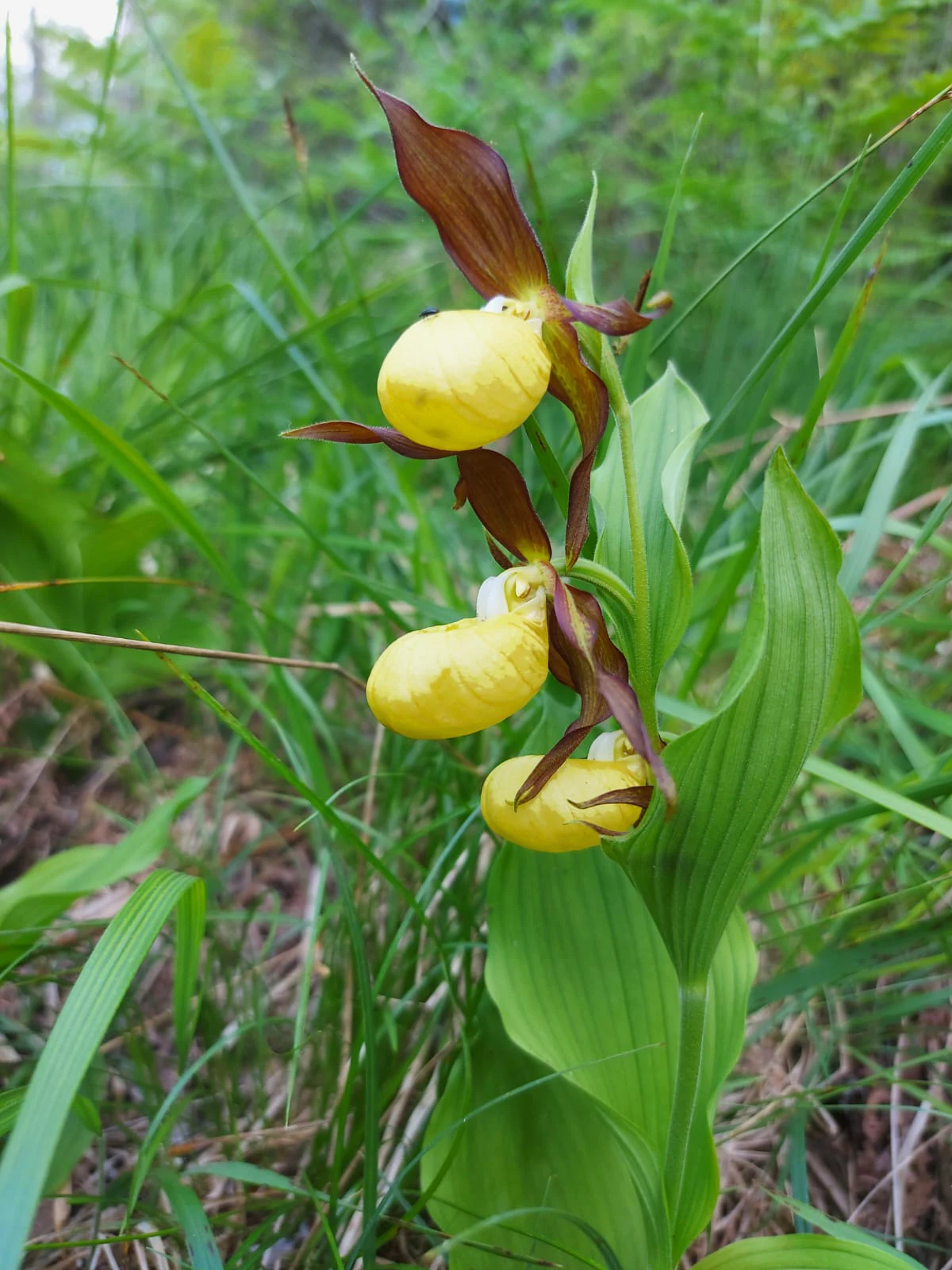
Forêts National Park is especially known for its extensive tracts of unmanaged broad-leaved forest and the protection of the black stork, which serves as the park's emblematic species and hosts approximately 20 percent of France's total population within its boundaries. The park also protects remarkable biodiversity in its wetlands, limestone grasslands, and ancient forests, including rare orchid species such as the Lady's slipper and spring snowflake. Its cultural significance is underscored by important archaeological discoveries, notably the Vix Crater, one of the largest Greek vases ever found, and well-preserved medieval villages that bear the imprint of the Templar Order.
Forêts National Park history and protected-area timeline
The concept for Forêts National Park emerged from the 2009 Grenelle de l'Environnement process, when Prime Minister François Fillon announced plans for France's first national park dedicated to plain deciduous forests. Over the following decade, extensive working groups conducted studies to identify the park's strengths, weaknesses, and appropriate boundaries. A public inquiry held from November to December 2018 produced a favorable recommendation with five proposals, and the park was formally established through a decree published in the Journal Officiel de la République Française on November 7, 2019. The creation process involved a public interest grouping that brought together over 200 members representing the state, local authorities, and civil society. In December 2021, an integral reserve of 3,087 hectares was created within the park, representing the strictest level of protection.
Forêts National Park landscape and geographic character
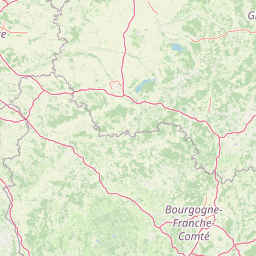
The park occupies the southeastern portion of the Paris Basin's forested plateau, a landscape of gentle relief characterized by broad wooded expanses interspersed with river valleys, springs, and wetlands. The terrain reaches its highest point at the Haut de Baissey at 523 meters above sea level, which also marks the highest point of the Langres plateau and the department of Haute-Marne. The landscape is dominated by extensive deciduous forests growing on limestone substrates, with the forest cover being predominantly publicly owned, either state-managed or communally held. Water features are notably present throughout the park, with over 694 kilometres of streams and rivers and numerous tuffeau marshes—wetlands formed from limestone deposits that support specialized plant communities. The region historically supported extensive medieval forests including the forests of Châtillon, Arc-en-Barrois, and Auberive.
Forêts National Park ecosystems, habitats, and plant life
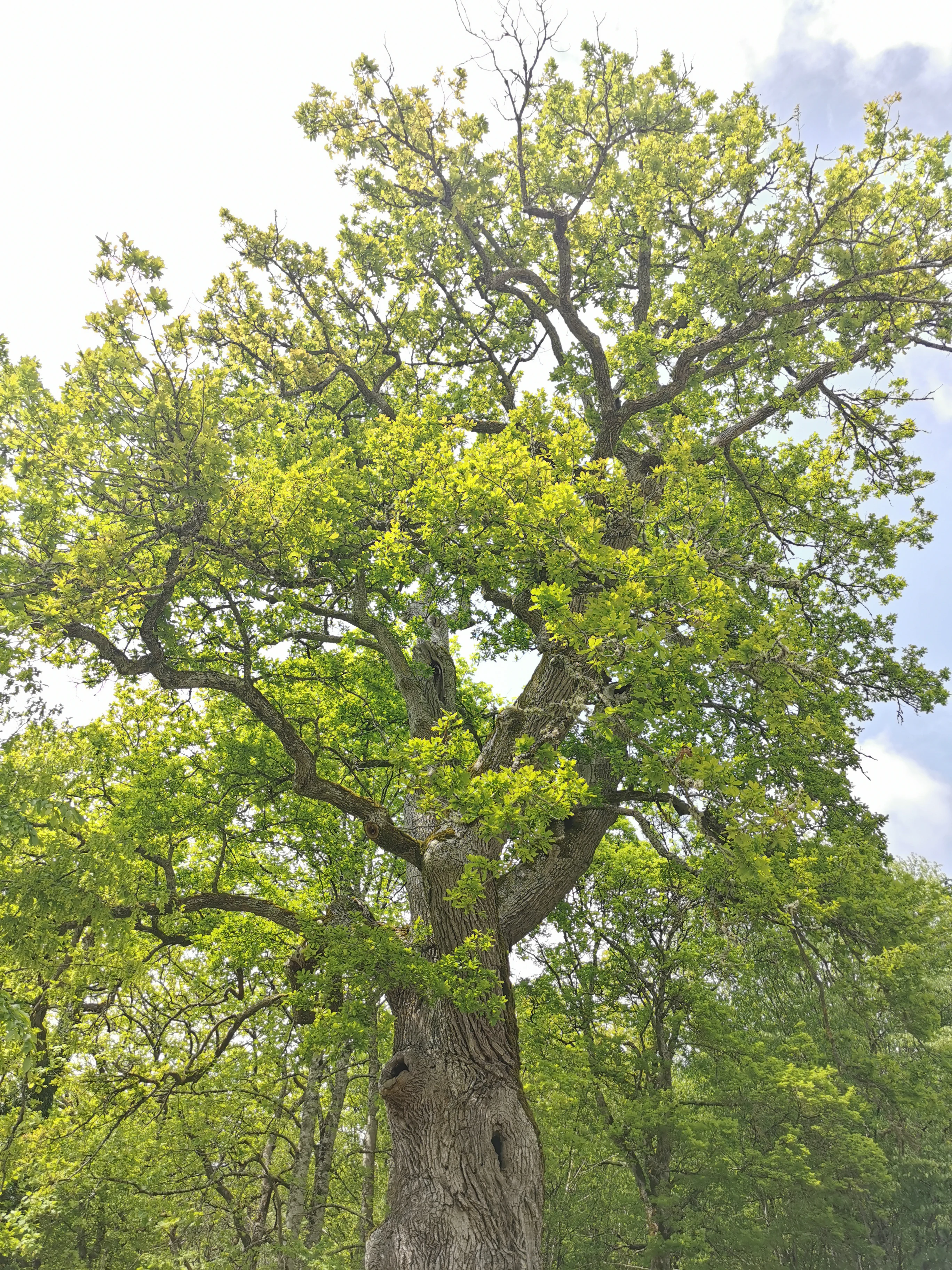
The ecological character of Forêts National Park centers on its extensive broad-leaved forest ecosystems, which represent some of the most significant lowland deciduous forests in Western Europe. The core zone maintains approximately 95 percent forest cover, with tree species including oak, maple, lime, ash, alder, birch, aspen, and service tree. The park's ecological diversity extends beyond its forests to include tuffeau marshes, limestone grasslands, and meadows that support rare plant communities. Notable species include the Lady's slipper orchid, spring snowflake, and Martagon lily. The tuffeau marshlands of the Châtillonnais region represent particularly important habitats supporting specialized flora. The forest management history, while intensive, has created a landscape that supports substantial populations of large ungulates including red deer, wild boar, and roe deer.
Forêts National Park wildlife and species highlights
Forêts National Park supports significant populations of large ungulates resulting from centuries of forest management oriented toward hunting. The park is particularly notable for its black stork population, with approximately 20 percent of France's total breeding population found within the park's boundaries—this species serves as the park's emblem. Other rare species include the European wildcat and the Damier du Frêne (white-spotted black butterfly), a threatened species whose fortunes are tied to old-growth forest habitats. The park supports remarkable invertebrate diversity, particularly wood-feeding insects that depend on decaying wood and veteran trees. The watercourses and wetlands host additional species assemblages, while the mosaic of forest, grassland, and wetland habitats creates conditions supporting a rich overall biodiversity.
Forêts National Park conservation status and protection priorities
The park's conservation approach emphasizes increasing forest naturality through the creation of woodland islands allowing longer rotation cycles, free forest evolution in core areas, and the preservation of trees bearing microhabitats such as hollows and crevices. This naturality framework aims to strengthen forest resilience against climate change pressures. Beyond forest conservation, the park addresses broader ecological connectivity and supports sustainable agricultural practices. The 2021 creation of a 3,087-hectare integral reserve provides the highest level of protection within the park, where natural processes proceed without direct human intervention. The park's conservation mission also encompasses public education through biodiversity atlases and educational nature areas, involving local communities in conservation work.
Forêts National Park cultural meaning and human context
The park territory contains significant cultural heritage reflecting centuries of human presence. Medieval villages such as Châteauvillain, designated as a Petites Cité de Caractère, preserve traditional architecture and urban fabric. The region bears the distinct imprint of the Templar Order, visible in architectural and archaeological remains. The park contains exceptional archaeological significance, most notably the Vix Crater—a massive Greek bronze vessel standing 1.64 meters tall and weighing 208.6 kilograms, representing the largest Greek vase ever discovered. Historical metallurgy and forest-dependent crafts including charcoal production, woodworking, and barrel-making shaped the region's cultural landscape. Contemporary cultural initiatives include art installations in forests and programs promoting the territory's heritage.
Top sights and standout views in Forêts National Park
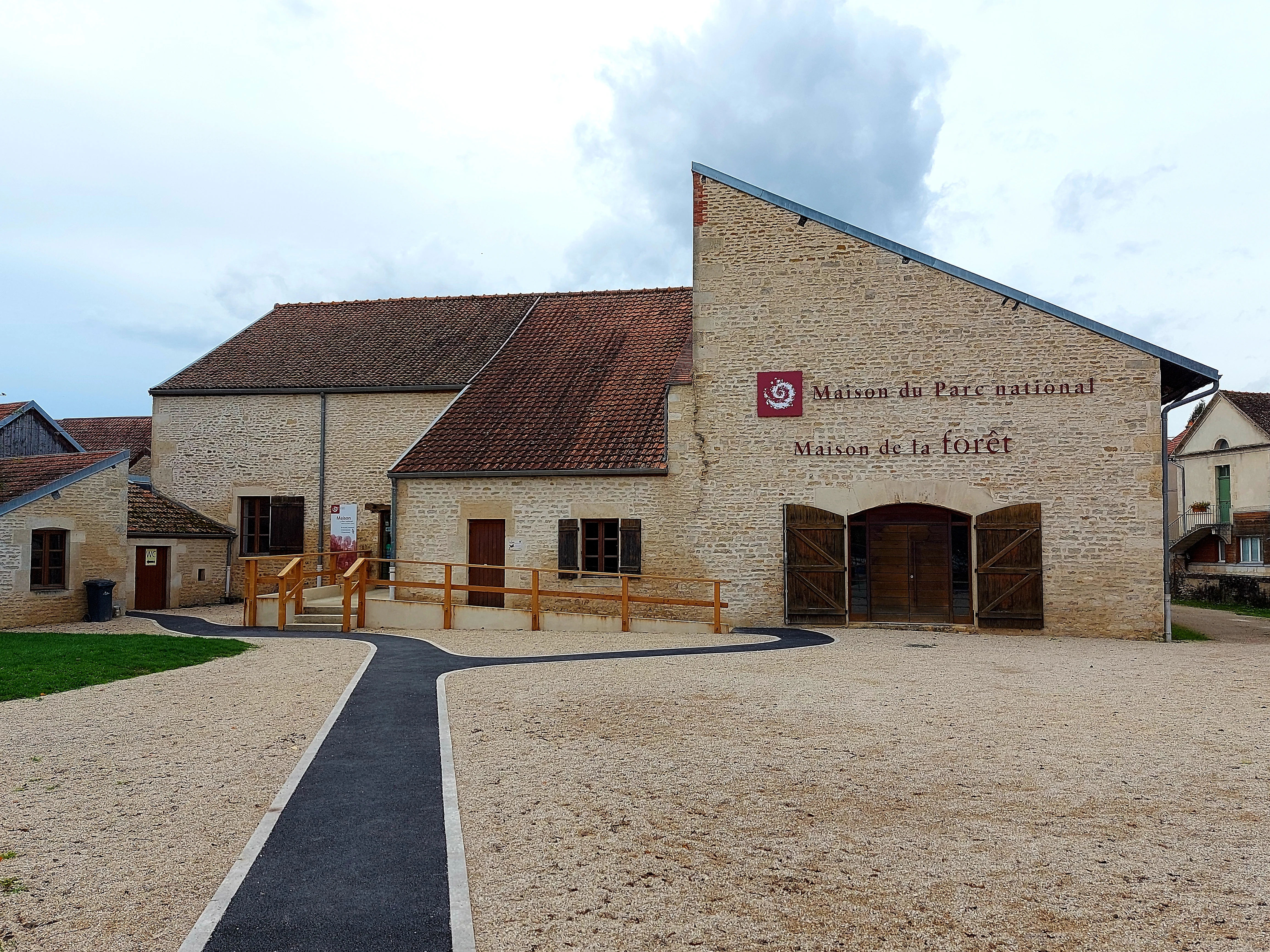
Forêts National Park offers visitors the opportunity to experience extensive lowland deciduous forests with relatively easy accessibility compared to mountain parks. The annual deer rut in September provides a particularly memorable wildlife observation opportunity. The network of park houses at Châteauvillain, Leuglay, and Auberive provides visitor information and educational programming. The annual Nuits des Forests festival in June celebrates the forest nighttime environment. The park's art programs, including the open-air La Belle Balade circuit in the Arc-Châteauvillain state forest, integrate contemporary artistic expression with the forest setting.
Best time to visit Forêts National Park
The park can be visited year-round, though each season offers distinct experiences. Spring brings wildflower displays in the forests and grasslands, while autumn provides spectacular foliage colors and mushroom seasons—the park permits collecting certain edible species including morels, chanterelles, and boletes. September coincides with the red deer rut, offering opportunities to hear the characteristic roar of stags. Summer months allow full access to the extensive hiking and cycling trail networks. Winter provides a different perspective on the forest landscape, though some trails may be less accessible. The black stork nesting season in spring and early summer represents a particularly sensitive period when certain areas may have access restrictions.