Vermont's granite backbone of broadleaf forest, ridges, and protected wilderness
Green Mountain National Forest
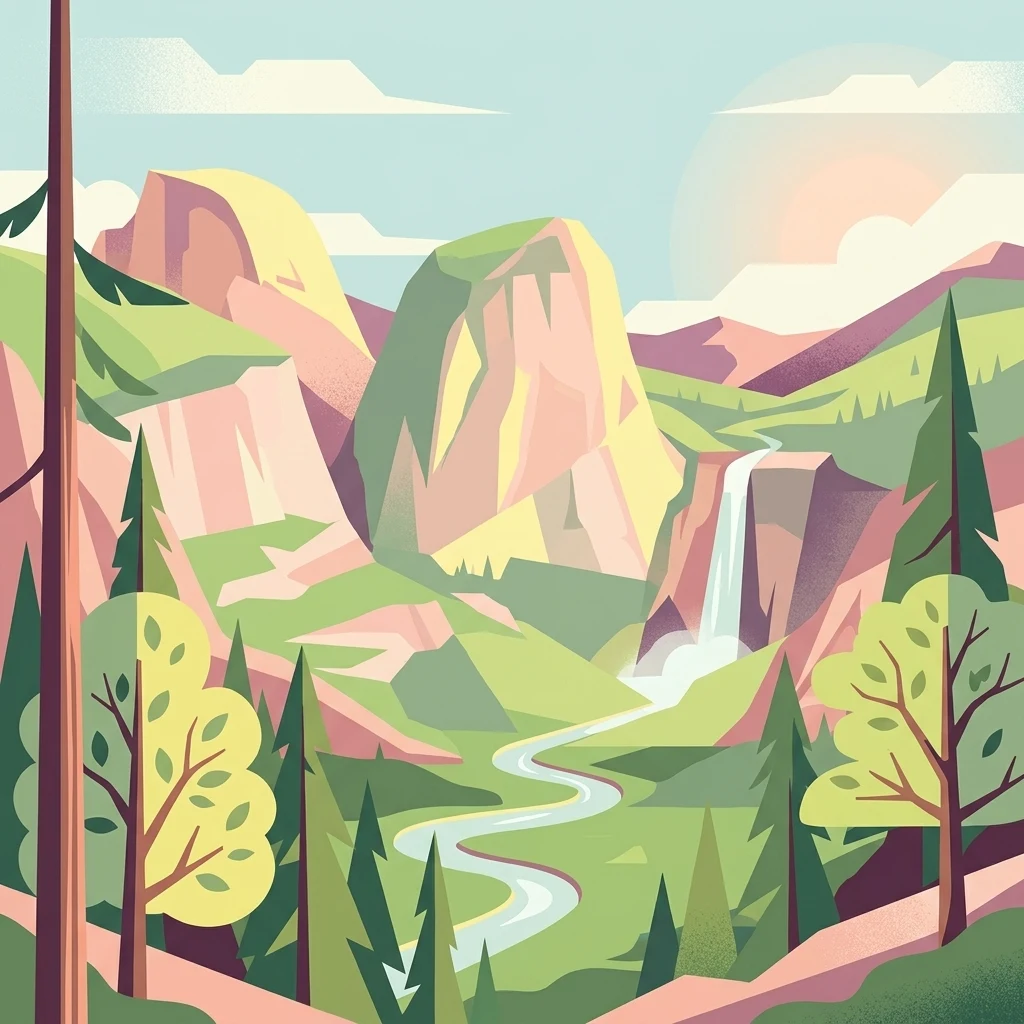
Green Mountain National Forest is a substantial national forest running through the spine of Vermont in the northeastern United States. It occupies large portions of the Green Mountains, the long ridgeline that bisects the state and has been described as Vermont's granite backbone. The forest falls within the New England/Acadian forests ecoregion, a temperate broadleaf and mixed forest biome that supports hardwood slopes, conifer stands, high-elevation spruce-fir communities, and extensive corridors of undeveloped woodland.
The forest encompasses eight federally designated wilderness areas, two national recreation areas, and segments of three nationally recognized long-distance trails, including parts of the Appalachian Trail and the Long Trail. Beyond its wilderness core, Green Mountain National Forest supports a mosaic of working forest land, alpine ski areas, Nordic ski networks, and roughly 900 miles of multiple-use trails. Together, these features make it one of only two national forest units in New England and a defining part of Vermont's outdoor identity.
Established in 1932 in response to severe overlogging, fire, and flooding in the early twentieth century, the forest has grown from a small federal holding surrounded by mostly private land into a much larger landscape where the U.S. Forest Service administers nearly 400,000 acres. It serves as both a conservation anchor and a recreational backbone for Vermont, linking small towns, ski resorts, backcountry wilderness, and the broader Appalachian hiking tradition.