
Why Ichnia National Nature Park stands out
The park is known for its forest-steppe ecosystem with extensive wetlands, including lakes, ponds, and river valleys that support diverse habitats. The oak-hornbeam and oak-pine forests, combined with wetland bogs in the Uday valley, create a transitional landscape between eastern European forests and the steppe grasslands. Visitors can explore two major ecological excursion routes through this varied terrain.
Ichnia National Nature Park history and protected-area timeline
Ichnia National Nature Park was established in 2004 as part of Ukraine's system of protected areas, designated under IUCN Category II to ensure the preservation of its forest-steppe ecosystems and associated biodiversity. The park was created to protect the transitional landscape of the Dnieper Lowlands, which had faced various development pressures. Management responsibilities fall to Ukraine's Ministry of Ecology and Natural Resources, which oversees the park's conservation objectives and public use programs. The establishment of protected status helped safeguard the wetland systems, forests, and associated wildlife habitats within the Uday River basin.
Ichnia National Nature Park landscape and geographic character
The park occupies flat terrain within the Dnieper Lowlands, a region of relatively low relief shaped by glacial and river processes. The landscape is defined by the valleys of the Uday River and the Ichenka River, which meander through the area creating numerous oxbow lakes, ponds, and wetlands. The terrain's flatness, combined with the network of connecting streams and water bodies, results in extensive wetlands throughout the park. The surrounding landscape transitions between forested areas and more open terrain, reflecting the forest-steppe character of the ecoregion.
Ichnia National Nature Park ecosystems, habitats, and plant life
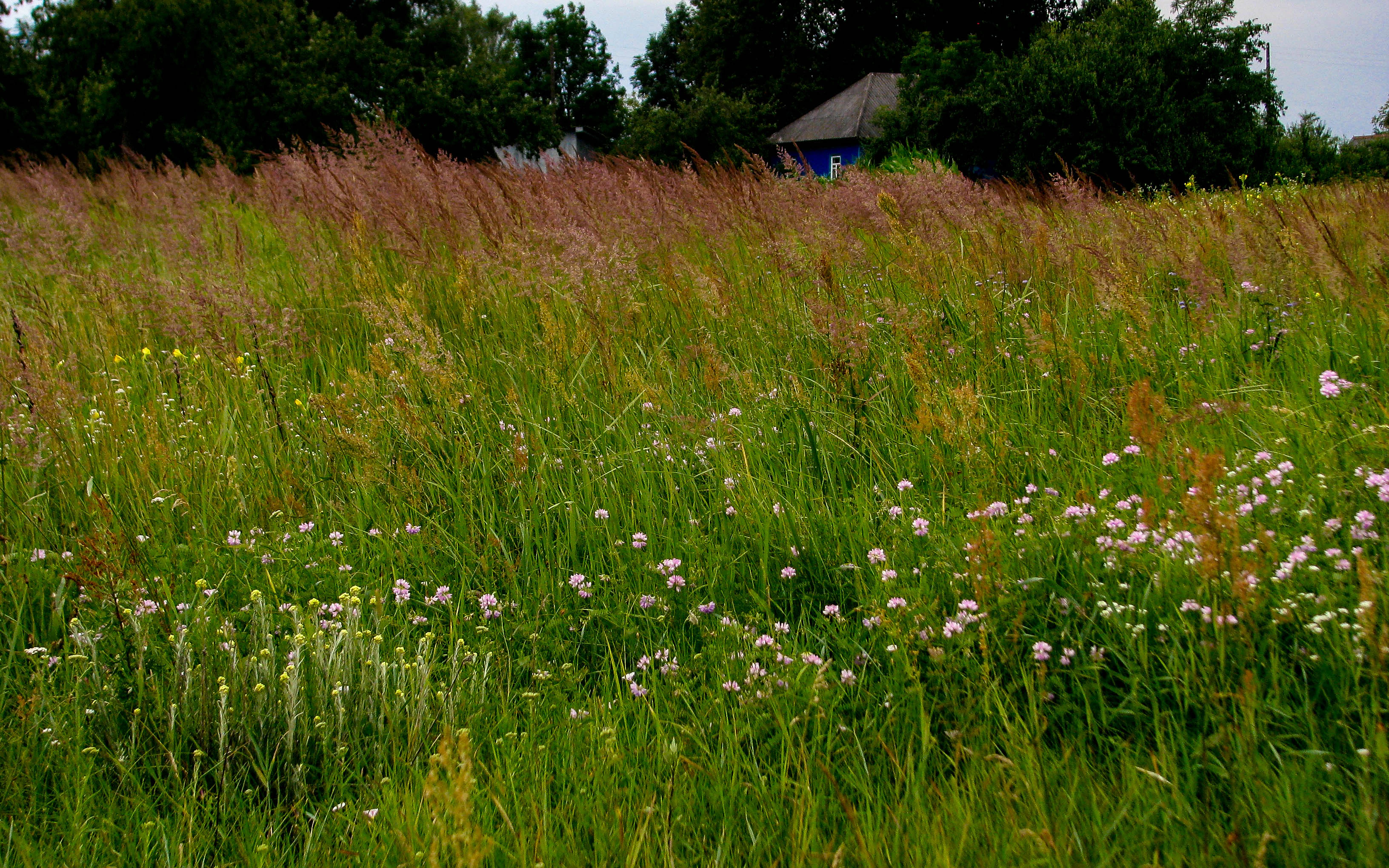
Ichnia National Nature Park lies within the East European forest steppe ecoregion, a biogeographic zone that spans from Ukraine eastward to the southern Ural Mountains. This ecoregion is characterized by a mosaic of deciduous forests and grassland steppes, and the park exemplifies this transitional character. The primary forest types include oak-hornbeam forests in the western portions of the park and oak-pine woodlands on the terraces above the river valleys. Wetland areas, particularly in the Uday valley and along its tributaries, support distinctive bog communities. The humid continental climate with warm summers and cold winters shapes the seasonal patterns of vegetation and wildlife activity throughout the park.
Ichnia National Nature Park wildlife and species highlights
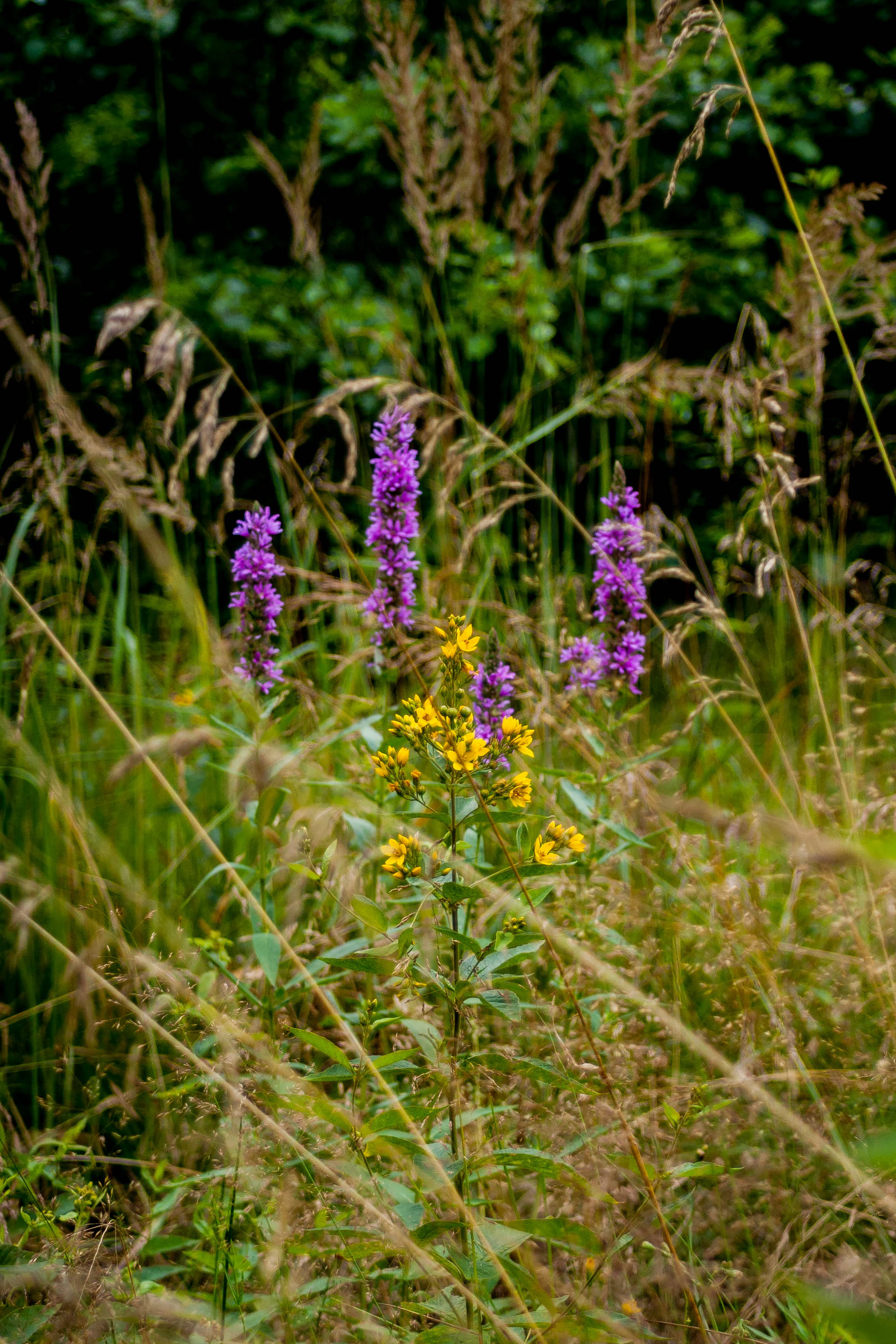
The forest-steppe and wetland habitats of Ichnia support various wildlife species associated with eastern European ecosystems. The mix of oak-hornbeam and oak-pine forests provides habitat for forest-dwelling species, while the wetlands, lakes, and ponds attract waterfowl and other bird species. The rivers and streams support fish populations and aquatic ecosystems. While specific species details are limited in available sources, the park's protected status helps preserve the ecological communities that inhabit this transitional forest-steppe zone.
Ichnia National Nature Park conservation status and protection priorities
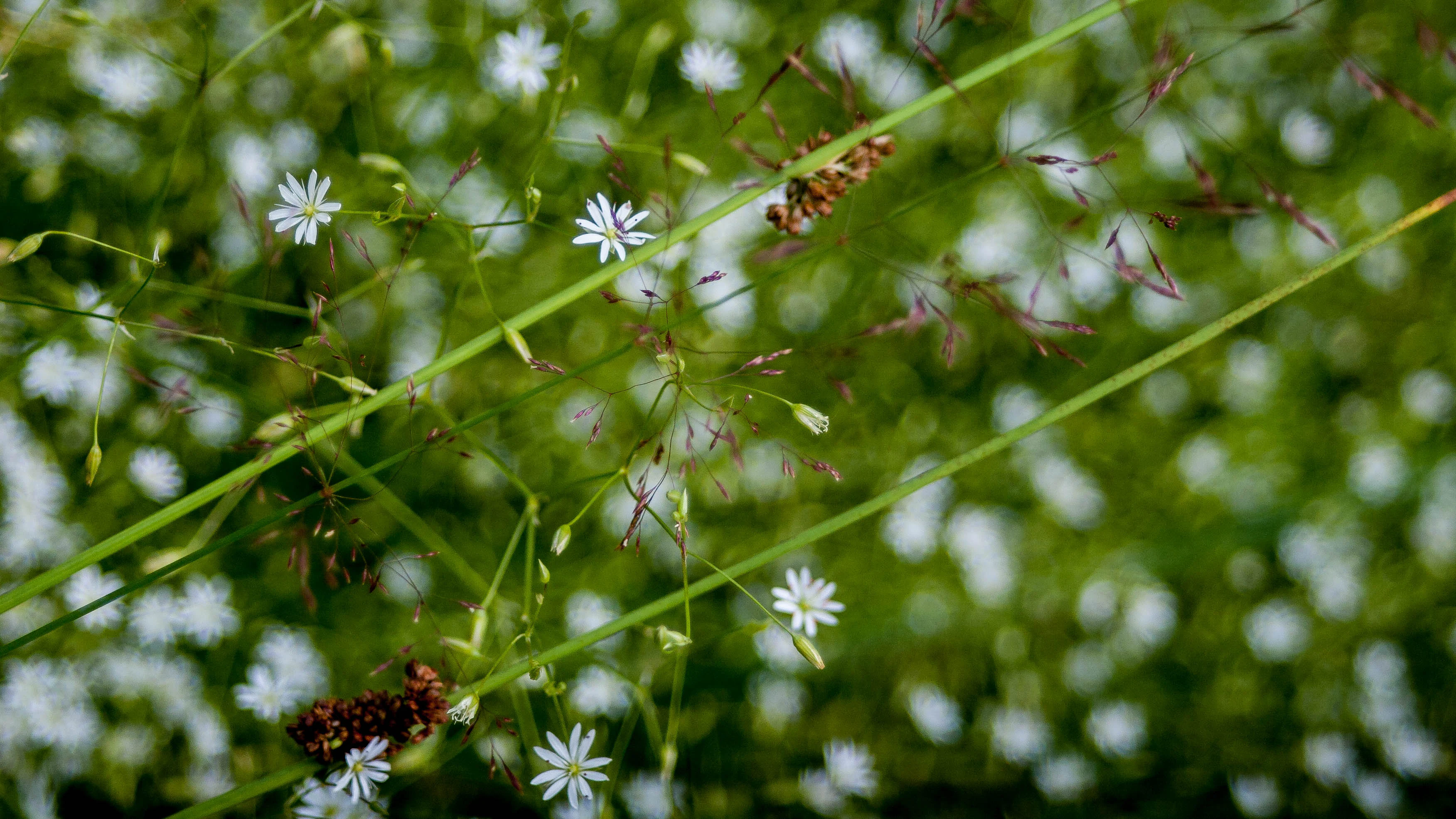
The park's designation as a national park under IUCN Category II reflects its conservation significance within Ukraine's protected areas network. By protecting the forest-steppe ecosystem of the Uday River basin, the park helps preserve biodiversity in a region where intensive agriculture has transformed much of the original landscape. The wetland systems, which include forest bogs and numerous lakes and ponds, represent ecologically important habitats that benefit from protected status. The park's management focuses on balancing conservation of the natural environment with sustainable public use through its ecological excursion routes and visitor facilities.
Ichnia National Nature Park cultural meaning and human context
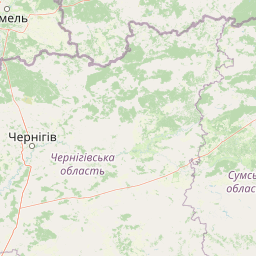
The park is located near the town of Ichnia, which sits at the northeastern corner of the protected area. Local communities have traditionally used the surrounding lands for gathering forest products such as berries and mushrooms, a practice that continues within the park boundaries. The area's history is tied to the broader cultural landscape of Chernihiv Oblast, a region with historic ties to the development of Ukrainian statehood and settlement patterns. The flat terrain and fertile soils of the Dnieper Lowlands have supported agriculture and settlement for centuries, and the park preserves a remnant of the natural landscape that once covered this region.
Top sights and standout views in Ichnia National Nature Park
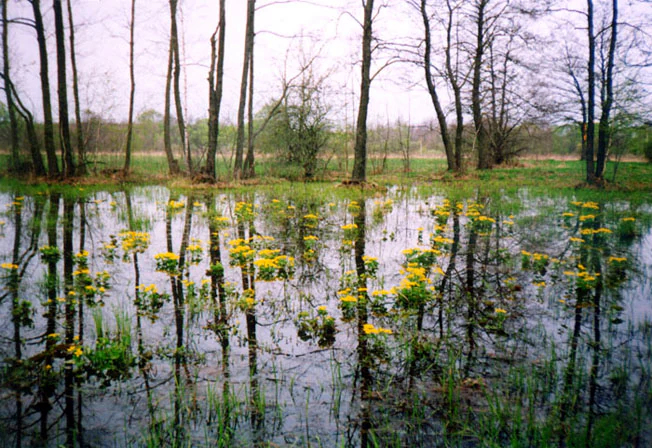
The park's defining feature is its forest-steppe wetland complex within the Dnieper Lowlands. The extensive network of lakes, ponds, and meandering rivers creates a landscape quite different from the steppe plains that dominate much of central Ukraine. Oak-hornbeam and oak-pine forests provide scenic contrast to the open wetland areas. The two major ecological excursion routes allow visitors to experience this varied terrain. The proximity to Kyiv, approximately 120 kilometers away, makes the park accessible for day trips or weekend excursions.
Best time to visit Ichnia National Nature Park
The park can be visited year-round, with each season offering a different experience. The humid continental climate produces warm summers with average temperatures around 19°C in July, making this the peak season for outdoor activities and wildlife viewing. The winter months bring cold, snowy conditions with January averages of -7°C, offering a different landscape for those interested in winter ecology. The park's wetland areas are particularly active during the warmer months when waterfowl and other wildlife are most visible. The shoulder seasons of spring and autumn provide moderate conditions for exploring the park's trails.