
Why İğneada Floodplain Forests National Park stands out
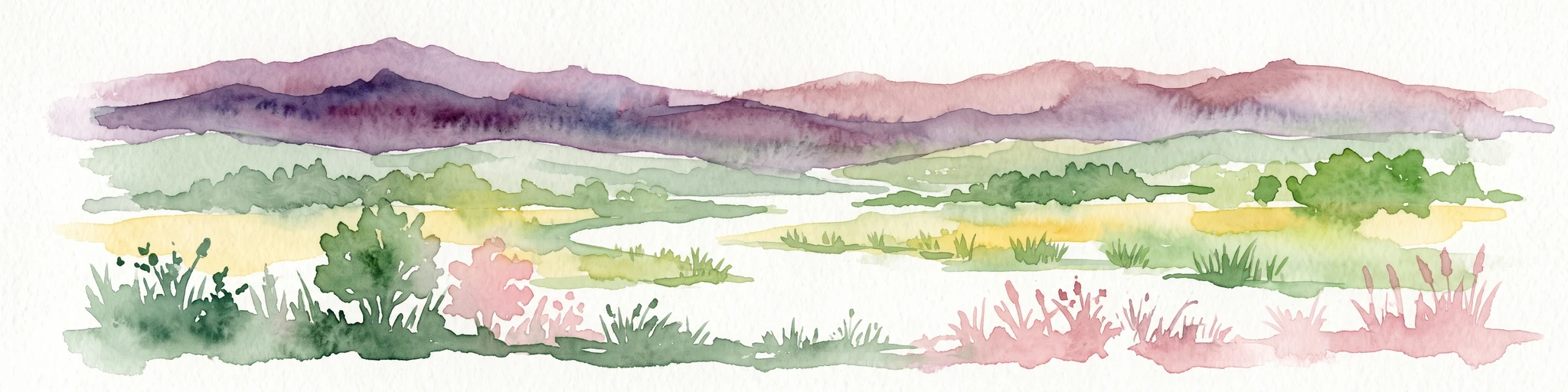
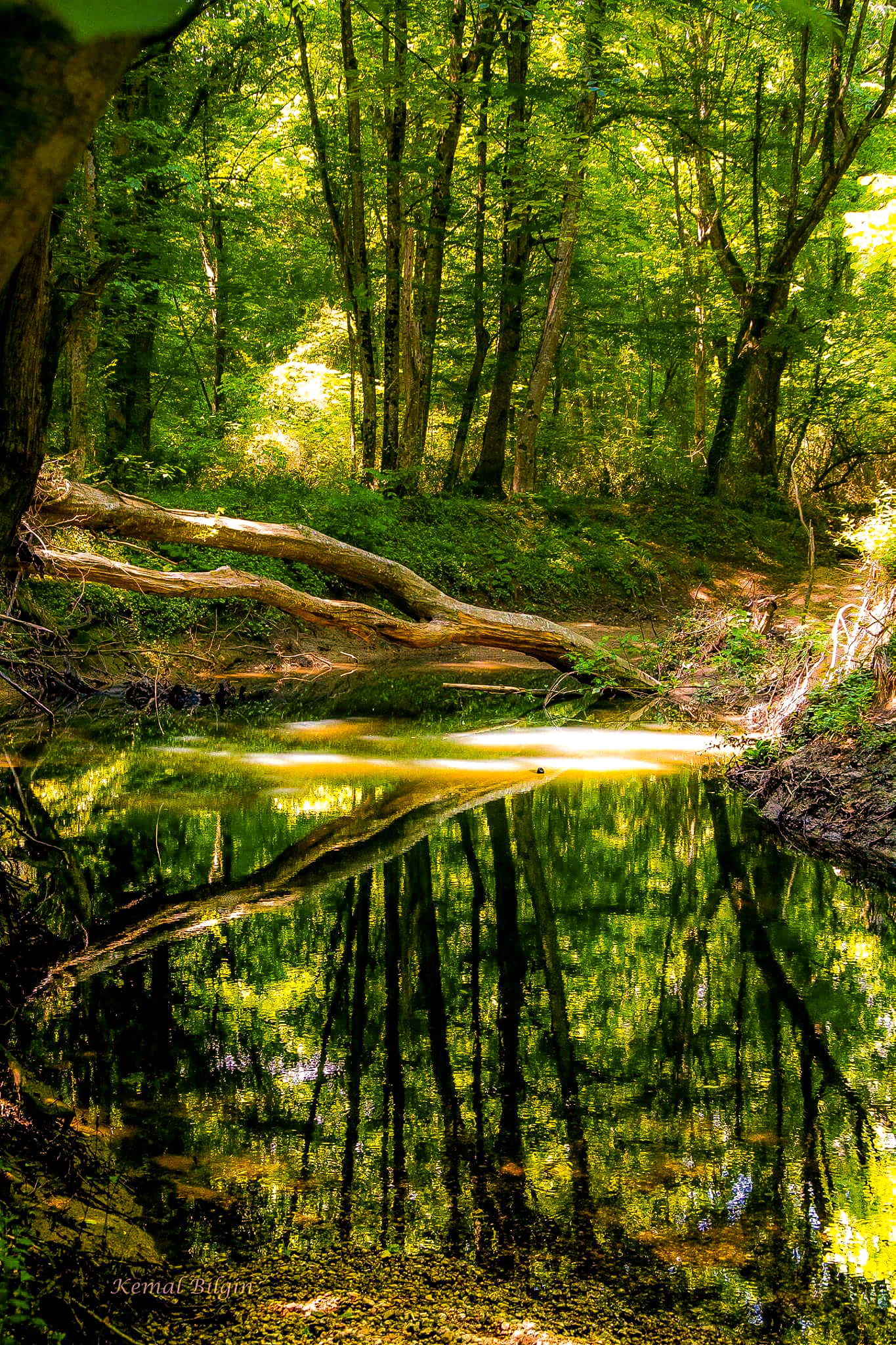
The park is best known for its rare and complex floodplain ecosystem, locally called "longoz" in Turkish, which combines marshes, swamp forests, coastal dunes, and freshwater and brackish lakes in a configuration found nowhere else in Turkey. The ten-kilometer coastal dune system supports plant species unique to the southwestern Black Sea region and is protected under international agreements. The park's five lakes, including the significant Lake Mert and the seasonal lagoon Lake Erikli, create a diverse aquatic landscape. The mixed deciduous forests featuring European ash, oak, alder, beech, and maple represent some of the last remaining floodplain forests in the region. The area serves as a critical habitat for white-tailed eagles, black storks, and numerous other bird species, making it important for ornithological conservation.
İğneada Floodplain Forests National Park history and protected-area timeline
İğneada Floodplain Forests National Park was established on November 13, 2007, becoming Turkey's 39th national park. The creation of the park involved merging areas that had previously held different conservation designations, unifying them under a single national park status to provide stronger protection for the ecosystem. The area had been recognized for its ecological significance prior to national park designation, with various protective classifications applied to different components of the landscape.
The name İğneada itself carries historical significance, derived from İne Bey—the figure who brought the area into Turkish territory during the medieval period. Over time, the settlement name evolved from its original form to the current İğneada. The park remains part of the Demirköy District of Kırklareli Province, maintaining the administrative connection to the surrounding region that has shaped both the landscape and human activity in the area. The establishment of the national park reflected growing recognition in Turkey of the need to protect unique coastal wetland ecosystems that had become increasingly rare in the Mediterranean and Black Sea regions.
İğneada Floodplain Forests National Park landscape and geographic character
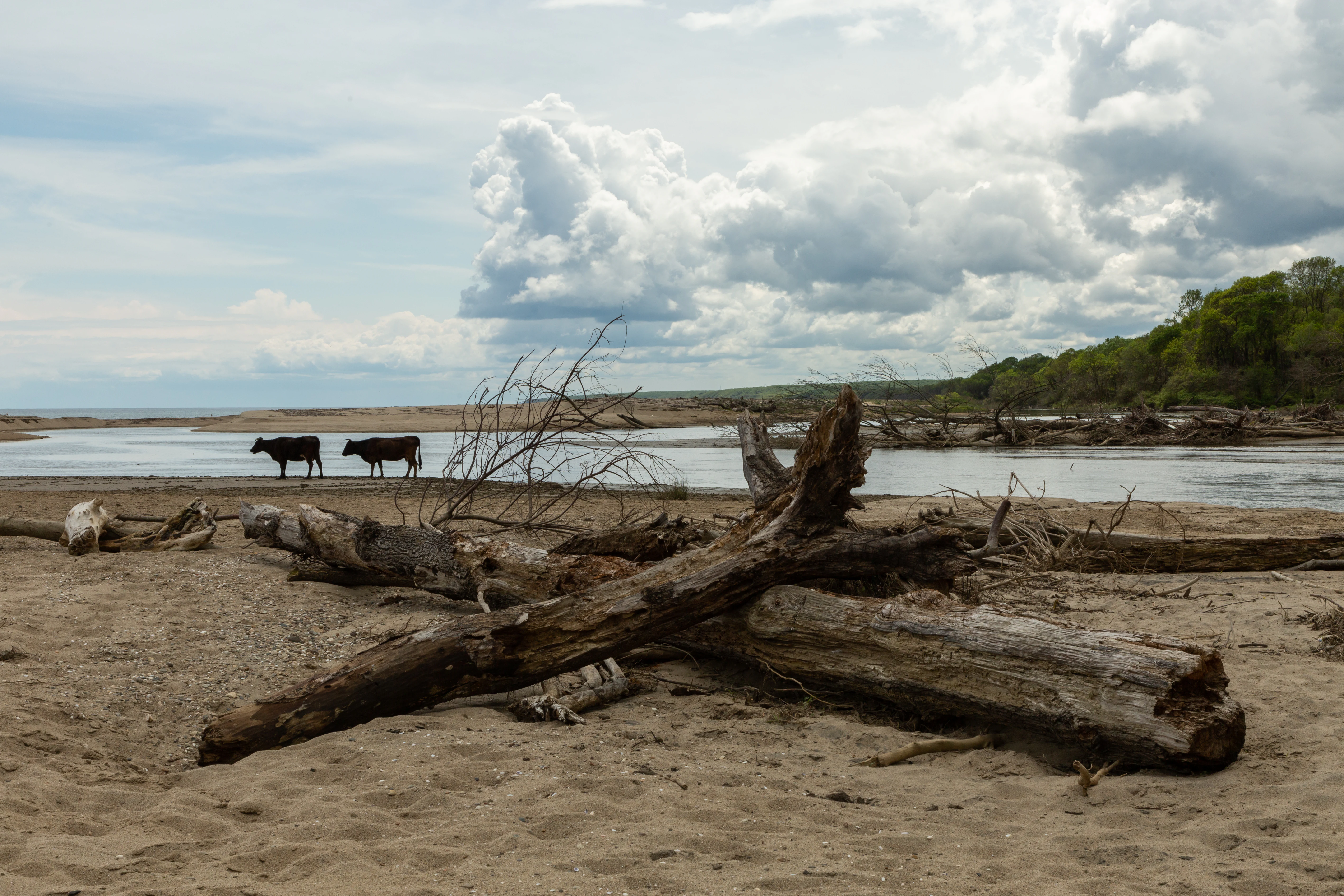
The physical landscape of İğneada Floodplain Forests National Park displays a remarkable concentration of distinct landforms within a relatively small area. The coastal zone is dominated by an extensive sand dune system that stretches approximately 10 kilometers along the Black Sea shoreline. These dunes reach widths of 50-60 meters in their broadest sections and serve as a natural barrier separating the sea from the inland wetland systems. The dune system is interrupted only by the İğneada settlement itself.
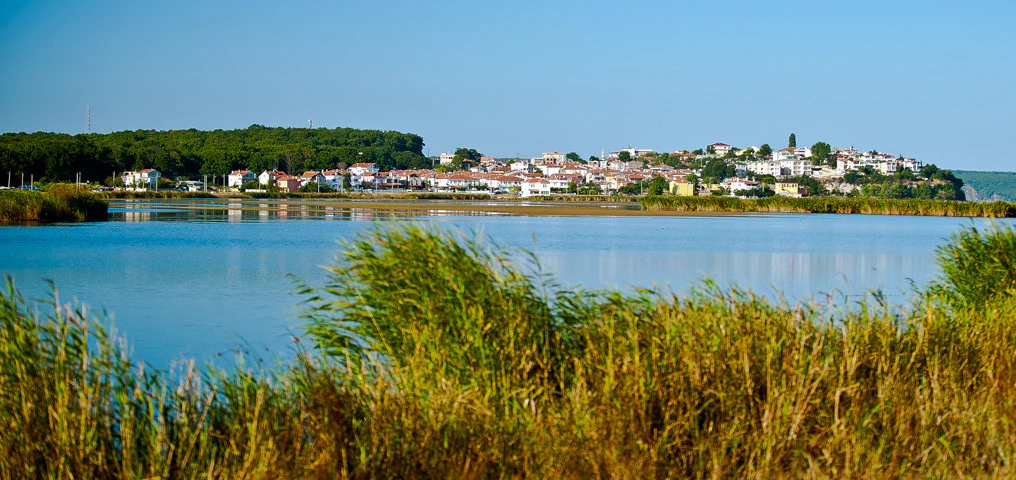
Behind the coastal dunes lies a chain of five lakes that form the aquatic core of the park. Lake Erikli functions as a lagoon, seasonally connected to the sea and becoming isolated during summer drought periods. Lake Mert, the largest at 266 hectares, was formed at the mouth of the Çavuşdere creek where it enters the Black Sea. Lake Saka occupies a position between the floodplain and dunes in the southern part of the park, while smaller lakes Hamam (19 hectares) and Pedina (10 hectares) lie inland. The surrounding terrain rises gently toward the Strandzha mountains to the south and west, where streams descending from higher ground have built up the alluvial deposits that create the floodplain conditions.
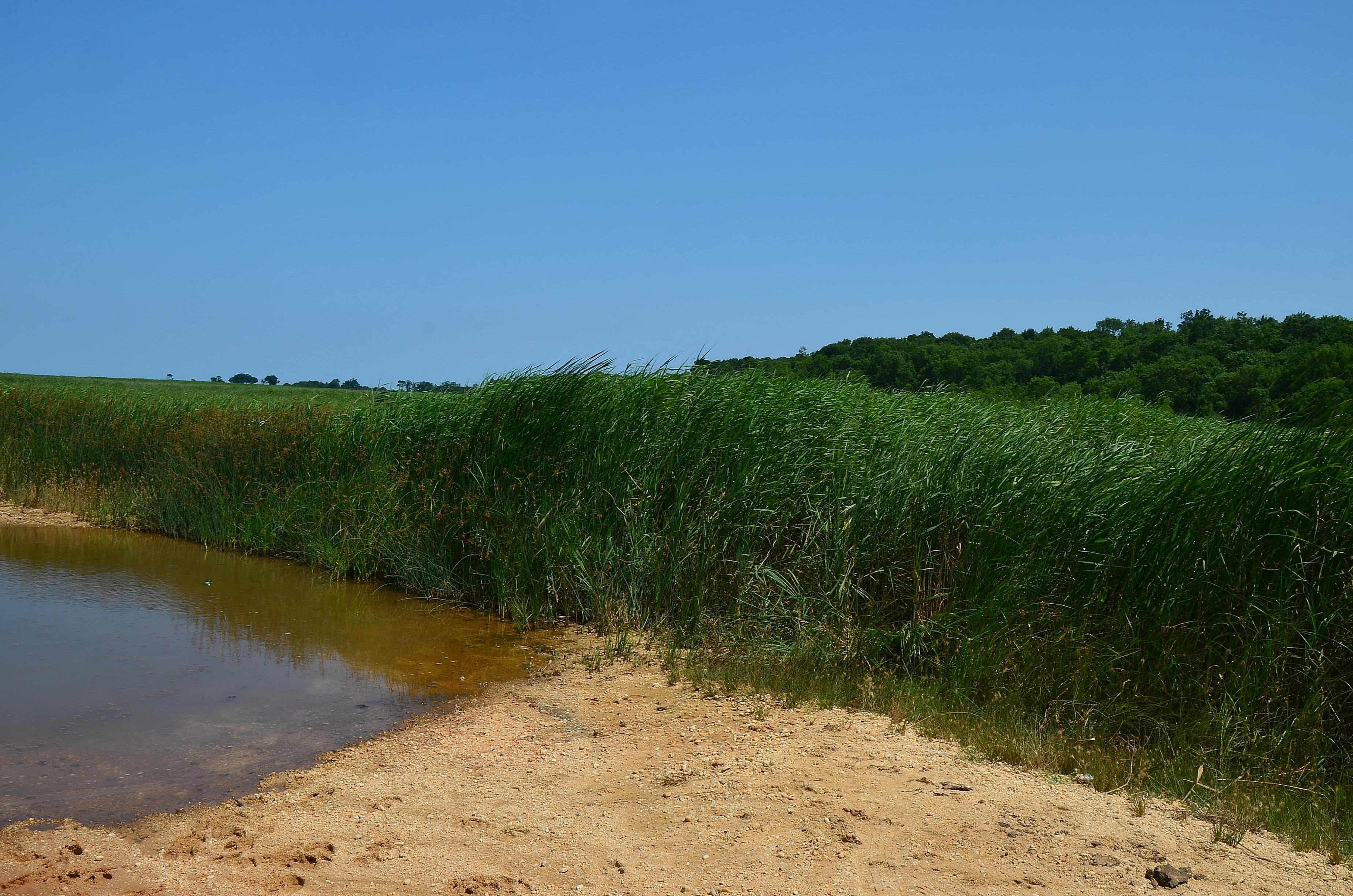
The floodplain itself represents the heart of the park's landscape, characterized by periodically flooded forests and marshy areas that change dramatically with seasonal water levels. This dynamic landscape, shaped by the interplay of mountain streams, coastal processes, and seasonal flooding, creates a constantly evolving environment.
İğneada Floodplain Forests National Park ecosystems, habitats, and plant life
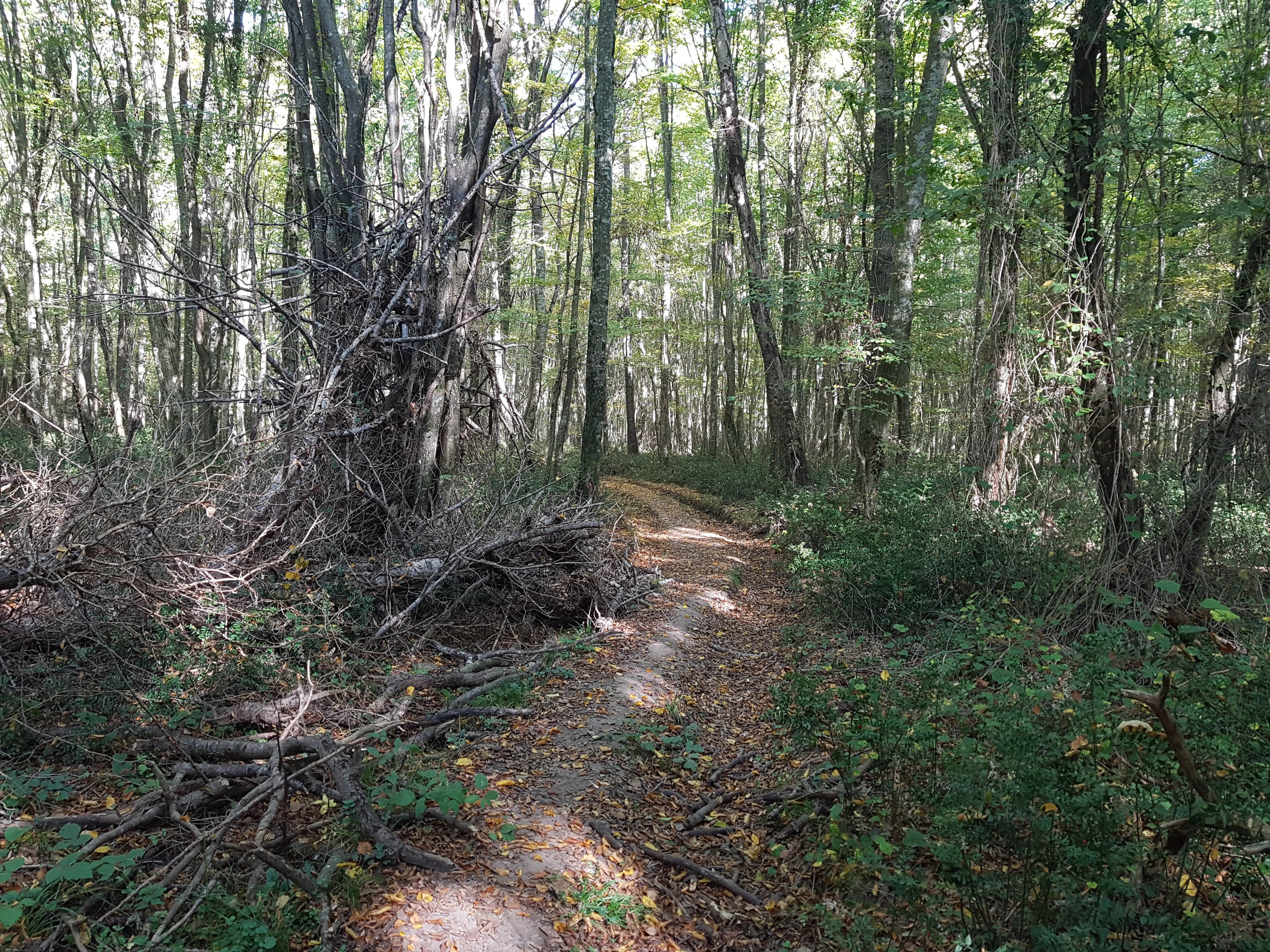
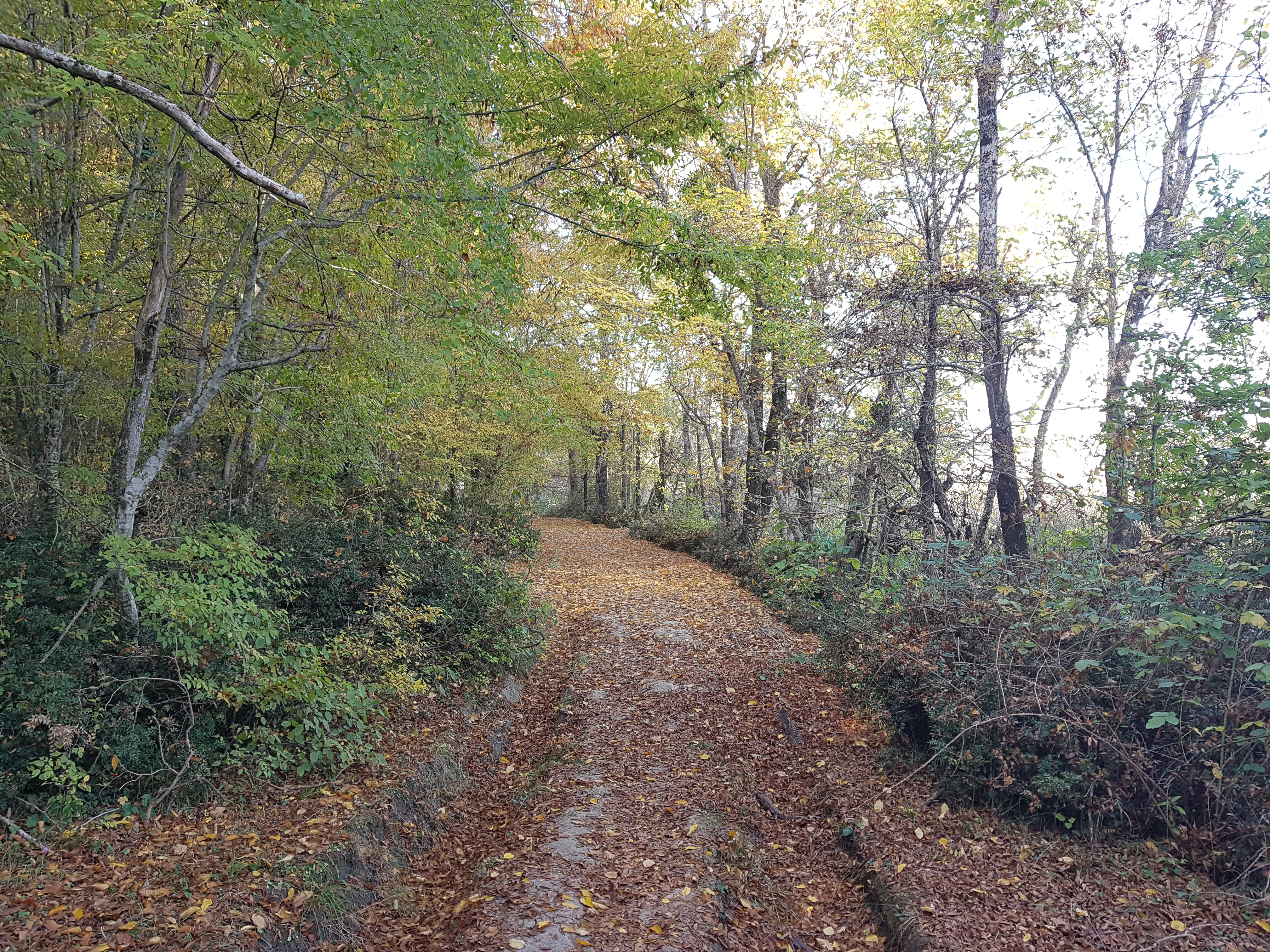
The ecological character of İğneada Floodplain Forests National Park centers on its rare floodplain forest ecosystem, locally known as "longoz," which represents one of the few remaining examples of this habitat type in Turkey. The forest composition features European ash, oak, alder, beech, and maple species forming mixed deciduous woodlands that tolerate periodic flooding. These forests are particularly notable for their rich vine flora, with climbing plants adding to the structural complexity of the woodland.
The coastal dunes support specialized plant communities unique to the southwestern Black Sea region, with species adapted to sandy, exposed conditions. The dune vegetation exists in a narrow ecological zone between the sea and the freshwater wetlands behind, creating a tension zone where maritime and terrestrial species overlap. International agreements protect these dune communities as part of the broader coastal ecosystem.
The five lakes within the park provide aquatic habitats ranging from freshwater to slightly brackish conditions, supporting diverse aquatic plant communities. The seasonal lagoon of Lake Erikli represents a particularly dynamic habitat, with its connection to the sea opening and closing with changing water levels. This variability creates productive conditions for fish, amphibians, and waterfowl. The marshes and swampy areas that fringe the lakes and floodplain add yet another habitat dimension, providing critical habitat for amphibians, water birds, and mammal species adapted to wet conditions.
İğneada Floodplain Forests National Park wildlife and species highlights
The wildlife community at İğneada Floodplain Forests National Park reflects the park's position at the intersection of European and Anatolian biogeographic zones. Among the mammal species present, the European otter inhabits the freshwater environments, while grey wolves roam the broader landscape. Wildcats, wild boars, and deer represent larger mammals, while smaller species include European pine martens, European badgers, foxes, hares, weasels, and various rodent species including the yellow-necked mouse. Bats, including the big-eared bat, occupy the forest habitats.
The bird community is particularly significant, with species such as the white-tailed eagle, black stork, grey heron, European green woodpecker, kingfisher, hoopoe, and European cuckoo recorded within the park. These species utilize the diverse habitats from forest edges to lake margins to coastal dunes. The wetlands provide critical feeding and nesting grounds for water birds, while the forests offer breeding habitat for woodpeckers and cavity-nesting species.
The aquatic environments support fish species including trout, smelt, and grey mullet in the freshwater systems, while the Black Sea coast provides seasonal fishing opportunities for species like anchovy, turbot, mackerel, and whiting. Reptile species include Hermann's tortoise, southern crested newt, various lizards, and vipers. The overall wildlife community demonstrates the ecological connectivity of the park's multiple habitat types.
İğneada Floodplain Forests National Park conservation status and protection priorities
İğneada Floodplain Forests National Park represents significant conservation value for Turkey and the broader Black Sea region due to its rare ecosystem type and the diversity of habitats contained within relatively intact boundaries. The floodplain forest ecosystem, or "longoz," is among the least represented protected ecosystem types in Turkey, making this park essential for conservation of this habitat. The coastal dune system adds another globally limited habitat type, with the plant communities protected under international conservation agreements.
The park's importance extends beyond individual habitats to encompass the entire ecological gradient from marine to freshwater environments, representing a complete coastal wetland system. This complexity supports species assemblages that depend on multiple habitat types and makes the area particularly valuable for biodiversity conservation. The presence of species such as the white-tailed eagle and black stork indicates the park's significance for birds of conservation concern.
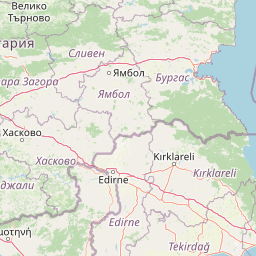
Establishing national park status in 2007 consolidated previous conservation designations and provided stronger institutional protection through Turkey's Directorate-General of Nature Protection and National Parks. The park's location at Turkey's border with Bulgaria also positions it within broader regional conservation frameworks addressing transboundary ecosystem management.
İğneada Floodplain Forests National Park cultural meaning and human context
While İğneada Floodplain Forests National Park is primarily valued for its natural ecosystems, the area does carry cultural heritage significance tied to its history and naming. The park's name derives from İne Bey, the historical figure who incorporated the region into Turkish territory. This naming reflects the longer human history of the East Thrace region, which has seen multiple civilizations and political entities control the territory over centuries.
The contemporary settlement of İğneada, a small holiday town located within the national park boundaries, represents the human presence in this landscape. The town predates the national park designation and reflects traditional coastal settlement patterns in this region of Turkey. While not a primary cultural heritage site, the park exists within a regional context shaped by the historical trade routes and territorial changes that have characterized the Turkish-Bulgarian borderlands.
Top sights and standout views in İğneada Floodplain Forests National Park
The park's defining highlight is its rare floodplain forest ecosystem, locally called "longoz," which combines forested wetlands, coastal dunes, and a chain of five lakes in a configuration found nowhere else in Turkey. The ten-kilometer coastal sand dune system supports unique plant species and provides a striking visual boundary between sea and land. Lake Mert, at 266 hectares the largest lake, creates a major aquatic feature with its creek-fed ecosystem and seasonal connections to the Black Sea. The diverse birdlife, including white-tailed eagles and black storks, makes the park notable for ornithological interest. The relatively compact size of the park—approximately 3,155 hectares—allows visitors to experience multiple distinct ecosystems within a day's exploration.
Best time to visit İğneada Floodplain Forests National Park
The park can be visited throughout the year, though different seasons offer distinct experiences. Spring and early summer bring active wildlife activity and bird migration, with the forests leafing out and the lakes supporting abundant waterfowl. The warmer months of June through August coincide with the period when Lake Erikli becomes isolated from the sea, creating different conditions in the lagoon. Autumn offers fall foliage colors in the deciduous forests and represents another period of bird movement. Winter, while quieter, reveals the bare forest structure and can provide different perspectives on the landscape. The proximity to Istanbul makes the park accessible for day trips or longer visits from the city.