
Why Kolsay Lakes National Park stands out
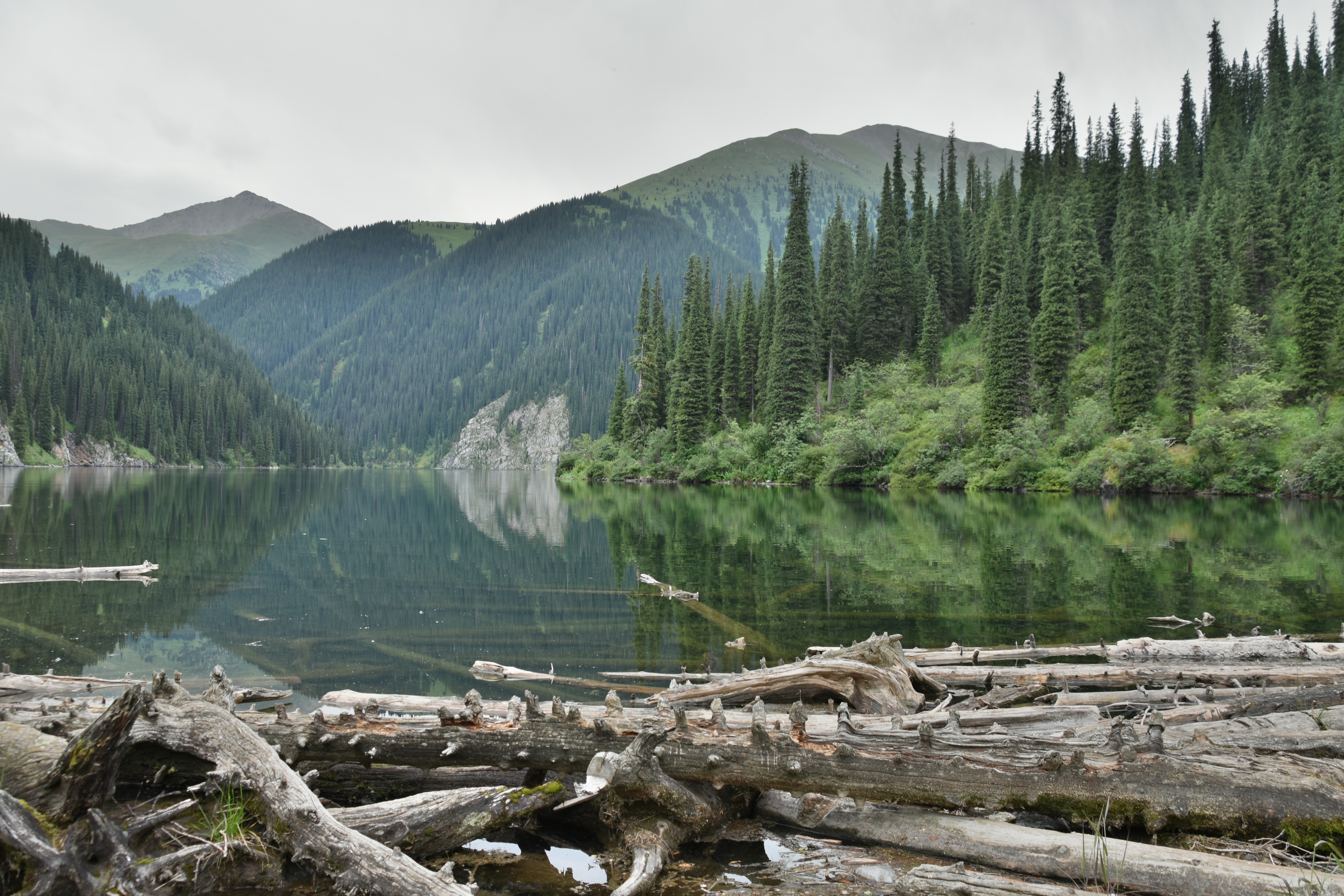
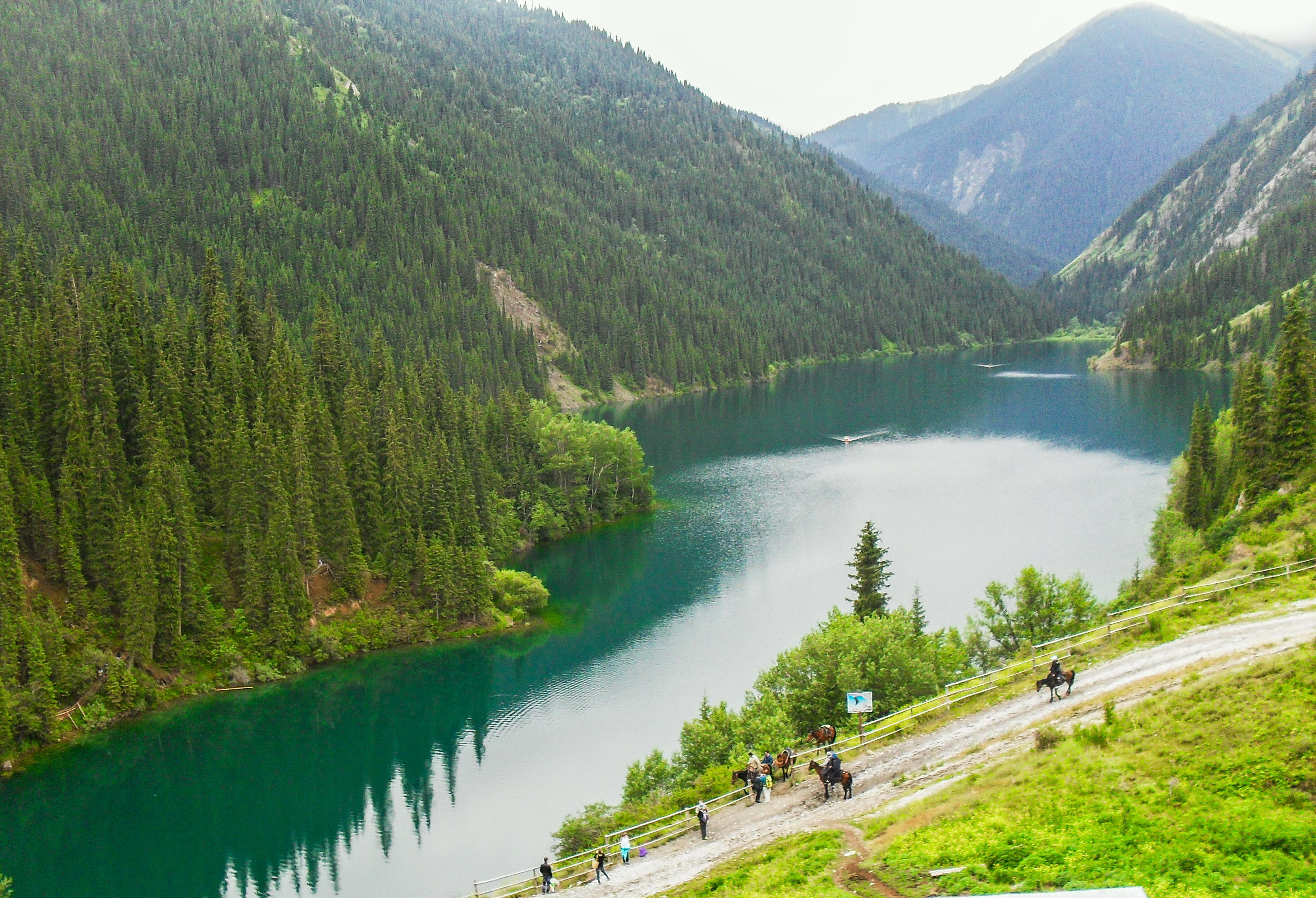
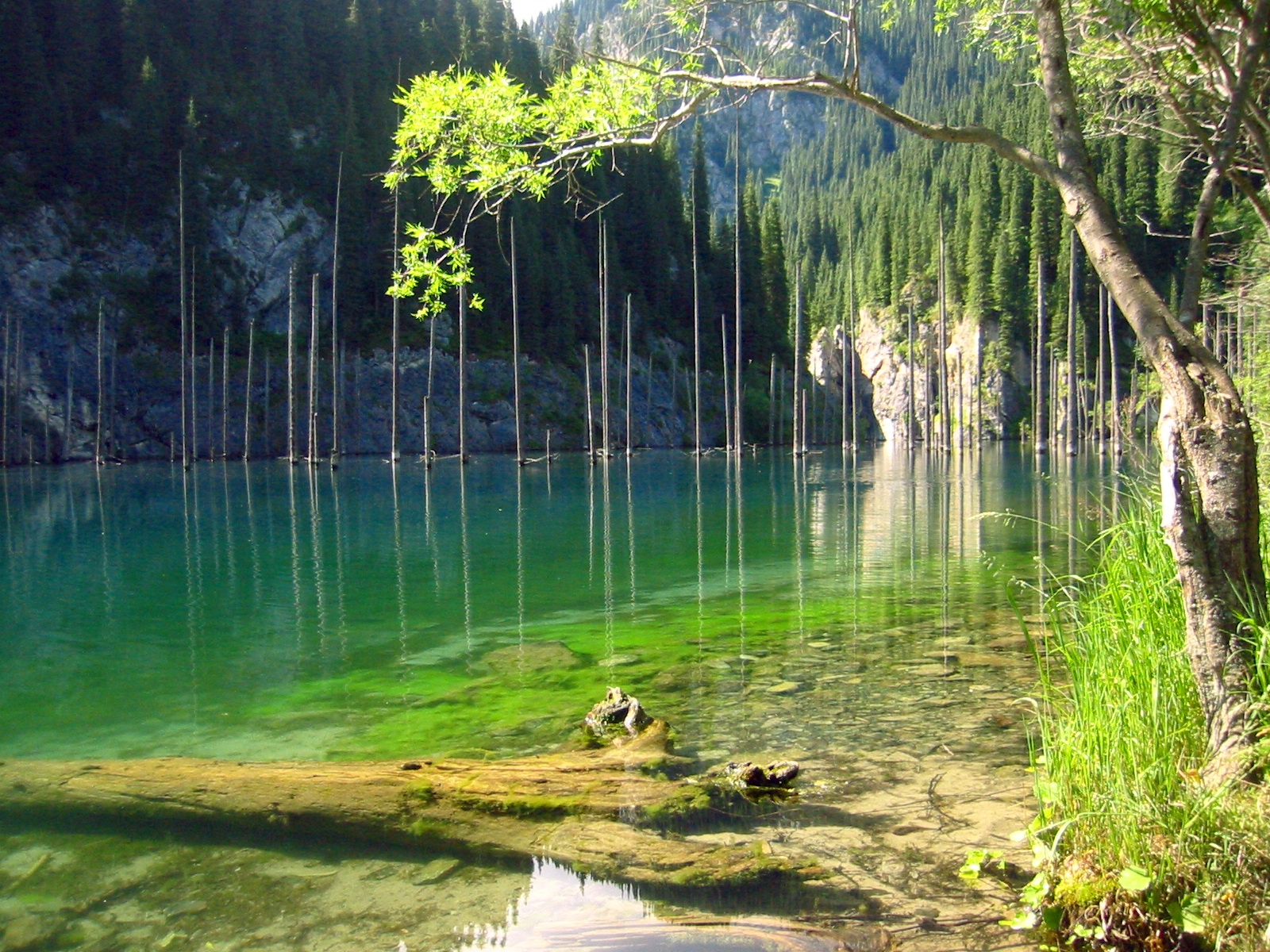
Kolsay Lakes National Park is best known for its spectacular chain of glacial alpine lakes set against the dramatic Tian Shan mountain backdrop. The three Kolsay Lakes form a scenic progression through coniferous forests and alpine meadows, while Lake Kaindy is famous for its haunting stand of dead spruce tree trunks rising vertically from the clear mountain water. The lakes were formed by landslides in 1887 and 1911, creating natural reservoirs of remarkable beauty. The park's reputation as the "Pearls of Tien Shan" reflects its status as one of Central Asia's most picturesque mountain destinations.
Kolsay Lakes National Park history and protected-area timeline
Kolsay Lakes National Park was officially established in 2007 through a government decree, creating formal protection for what had long been recognized as a remarkable natural landscape. The formation of the lakes themselves dates to the late 19th and early 20th centuries, when major landslides blocked the Kolsay and Kaindy rivers. Lower Kolsay Lake and the Upper Kolsay system were created around 1887, while Lake Kaindy formed in 1911 following a significant earthquake. For decades, the area remained relatively inaccessible and undisturbed, preserving its natural character despite its proximity to populated valleys. The establishment of the national park formalized conservation management, designating the majority of the territory for strict protection while allowing controlled tourism and recreation in specific zones. The park now operates under the Committee of Forestry and Fauna of Kazakhstan's Ministry of Agriculture, with infrastructure developed around the village of Saty near Lower Kolsay Lake.
Kolsay Lakes National Park landscape and geographic character
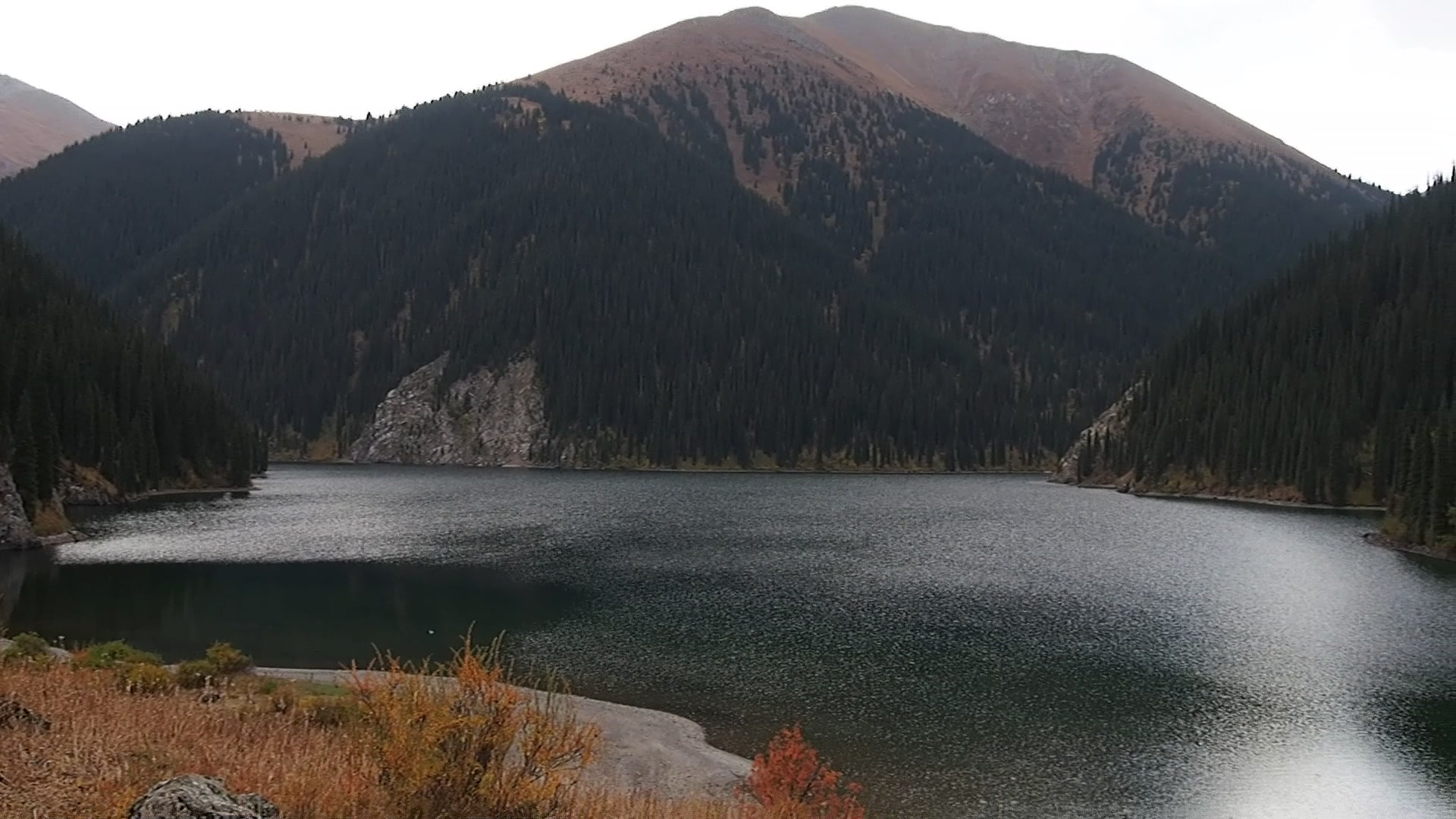
The physical landscape of Kolsay Lakes National Park is defined by the interplay of high Tian Shan mountain terrain, glacial valleys, and the lake basins that create its signature scenery. The park lies at the junction of two major Tian Shan ranges—the Küngöy Ala-Too Range to the east and the Trans-Ili Alatau to the north—creating a complex topography of sharp peaks, steep valleys, and cascading streams. The Kolsay River has carved a south-to-north valley that hosts the three main lakes, each sitting in a basin formed by ancient landslide dams. The landscape transitions dramatically as elevation increases: lower slopes feature mixed forest and scrub, middle elevations are dominated by dense spruce forests, and the highest zones give way to alpine meadows and bare rock. Lake Kaindy occupies a separate valley to the east, its steep gorge walls and the ghostly white trunks of submerged spruces creating an otherworldly atmosphere. The surrounding mountains rise to over 4,000 meters, with permanent snow and glaciers visible on the highest peaks.
Kolsay Lakes National Park ecosystems, habitats, and plant life
The park sits within the Tian Shan montane steppe and meadows ecoregion, a biologically diverse zone that spans the middle and upper altitudes of Central Asia's great mountain range. This ecoregion experiences sufficient precipitation to support both meadows and forests, a combination less common in the more arid surrounding regions. The park's relative isolation has allowed many rare plant and animal species to persist, some found nowhere else on Earth. Scientists have documented 704 plant species within the park's boundaries, including 12 classified as rare. The plant community includes apricot trees, ili barberry, hawthorn, and Alberta iris in lower zones, while coniferous forests dominate middle elevations and give way to alpine vegetation at higher altitudes. The area is ecologically clean and supports numerous medicinal plants. After heavy rains, the coniferous forests produce a variety of mushrooms, adding to the ecological richness.
Kolsay Lakes National Park wildlife and species highlights
Kolsay Lakes National Park supports a diverse fauna community adapted to the mountain environment. Mammal species number 50 within the park, including six that are classified as rare in Kazakhstan: the Tian Shan brown bear (a subspecies of the brown bear), Central Asian river otter, Turkestan lynx, snow leopard, Tien Shan argali (a mountain sheep), and stone marten. Birdlife is particularly abundant with 197 species recorded, reflecting the park's varied habitats from forest to alpine meadow. The lakes support fish populations including rainbow trout and Tibetan naked carp. Reptiles and amphibians are represented by two species each—the green toad and the süyirtumsıq frog among the amphibians. The combination of forest, meadow, and aquatic habitats creates ecological niches that support this remarkable diversity despite the relatively harsh mountain climate.
Kolsay Lakes National Park conservation status and protection priorities
Conservation is central to the mission of Kolsay Lakes National Park, with 72% of the territory designated for strict protection and an additional 13% set aside for tourism and recreation. This zoning allows visitors to experience the park's natural beauty while preserving core areas from development pressure. The park's conservation significance extends beyond Kazakhstan through its inclusion in the UNESCO World Network of Biosphere Reserves, recognizing its role in maintaining ecological balance and protecting biodiversity in the Tian Shan region. The protected area strategy aims to preserve the pristine character of the lakes, forests, and alpine meadows while allowing sustainable use of recreational zones. The park's relative newness to tourism—only opening to general access a few years before the Wikipedia article was written—has helped maintain ecological integrity, with nature remaining in a relatively undisturbed state.
Kolsay Lakes National Park cultural meaning and human context
The Kolsay Lakes region lies within the traditional lands of the Kazakh people, and the area maintains cultural connections to Kazakhstan's pastoral heritage. The local toponymy reflects Kazakh language and culture: Middle Kolsay Lake is known as Mynzholky, meaning "1000 years old" in Kazakh, while Lake Kaindy is called "Қайыңды" in Kazakh, referring to birch trees in the area. The nearby village of Saty serves as a base for visitors, maintaining traditional patterns of settlement in the mountain valleys. The region's position near the border with Kyrgyzstan reflects the historical interaction between Central Asian peoples across these mountain landscapes.
Top sights and standout views in Kolsay Lakes National Park
The three Kolsay Lakes forming a vertical chain through alpine scenery represent the park's core highlight, each offering distinct character from the accessible Lower Lake with its facilities to the remote Upper Lake surrounded by spruce forest. Lake Kaindy's submerged tree trunks create one of Central Asia's most photographed natural scenes, a hauntingly beautiful phenomenon resulting from the 1911 landslide that formed the lake. The 25-kilometer hiking route from Lower Kolsay over the Sary-Bulak pass (3,278m) offers a multi-day trek through the park's diverse landscapes. The park serves as one of the most accessible mountain tourism destinations in the region, with trails suitable for beginners while still offering challenge for more experienced hikers. The combination of dramatic mountain scenery, pristine lakes, and relatively untouched nature makes this a distinctive protected area in the post-Soviet landscape.
Best time to visit Kolsay Lakes National Park
The optimal visiting season for Kolsay Lakes National Park runs from April through late September, with the summer months of July and August offering the most reliable access and comfortable conditions for camping and hiking. During these months, daytime temperatures can reach 30°C, though nights remain cool and can drop to near-freezing even in summer. The shoulder seasons of spring and early autumn present different but equally compelling experiences—spring brings snowmelt and rising water levels to the lakes, while autumn offers golden larch forests and fewer visitors. Winter access is extremely limited due to heavy snow and cold temperatures that can plunge well below freezing even in the valleys. The park's high-elevation location means weather can change rapidly, and visitors should be prepared for temperature variations regardless of the season.