Why Kytalyk National Park stands out
Kytalyk National Park is best known as a globally significant sanctuary for the critically endangered Siberian crane. The park protects a substantial portion of the species' Arctic breeding grounds along the East Asian, Australasian Flyway, making it one of the most important nesting areas for this iconic bird in the world. Beyond its crane conservation role, the park also contains the Berelekh mammoth cemetery on its southern edge, a renowned paleontological site where scientists have discovered a mass burial site containing the remains of over 140 mammoths. The park's extensive Arctic coastal tundra ecosystem, with its distinctive thermokarst landforms and wetland habitats, represents a relatively intact polar environment of considerable scientific and ecological value.
Kytalyk National Park history and protected-area timeline
Kytalyk National Park was officially established on September 11, 2020, though the process of creating the protected area began in 2019. The creation of this protected area represented a significant addition to Russia's network of protected areas focused on Arctic ecosystems and migratory bird conservation. The park was established under the governance of FGBU Kytalyk, the federal budget institution responsible for managing the protected area. The establishment of the park was particularly significant because it formalized protection for one of the most important breeding grounds for the Siberian crane along the East Asian–Australasian Flyway, a major migratory bird pathway that stretches from Arctic breeding areas in Siberia to wintering grounds as far south as China, Japan, and Southeast Asia. The park was created to ensure the long-term preservation of these critical breeding habitats and the species that depend upon them.
Kytalyk National Park landscape and geographic character
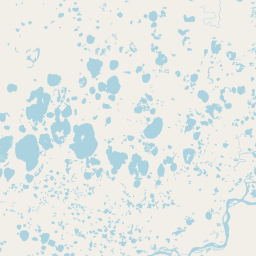
The landscape of Kytalyk National Park is characterized by the flat, low-lying terrain of the Arctic coastal tundra in the Yana-Indigirka Lowland. The terrain averages just 50 to 80 meters above sea level, making this one of the lowest-lying protected areas in Russia's northern regions. The park's terrain has been shaped by the combined effects of water and ice in the permafrost soils, creating distinctive Arctic landforms including thermokarst depressions, pingos (ice-cored hills), baydzharakhs (earth mounds), and alas depressions. The delta of the Indigirka River creates an extensive network of wetlands, marshes, and shallow water bodies across the park. The soil remains permanently frozen except during a brief summer thaw from mid-June to mid-September, when the active layer thaws to depths ranging from 0.2 to 1.8 meters. Because the permafrost prevents water from draining downward, the landscape is characterized by waterlogged, marshy conditions throughout much of the park. Peat bogs are a prevalent feature across the terrain, reflecting the combination of cold temperatures, moisture retention, and limited decomposition that characterizes Arctic wetland environments.
Kytalyk National Park ecosystems, habitats, and plant life
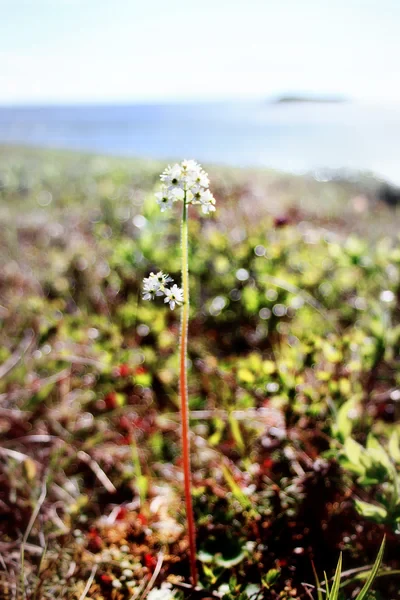
The nature of Kytalyk National Park is defined by its position within the Northeast Siberian coastal tundra ecoregion and the extreme environmental conditions that characterize Arctic tundra ecosystems. The park experiences a true tundra climate with at least one month where average temperatures rise above freezing to melt snow, but no month with average temperatures exceeding 10°C. This results in an extremely short growing season of only 60 to 90 days, which severely limits the types of vegetation that can survive in the park. The flora is dominated by species adapted to saline meadow conditions, including Puccinellia phryganodes (a salt grass), Carex subspathacea (Hoppner's sedge), Cochlearia arctica (an Arctic scurvy-grass), and Stellaria humifusa (Saltmarsh starwort). Mosses, particularly Sphagnum species, cover up to 50% of the terrain, represented by over 100 species. The park has recorded 221 species of vascular plants, though the herbaceous vegetation rarely exceeds 25 centimeters in height due to the harsh growing conditions. Approximately 70 species of lichen are also present, adding to the diversity of plant life in this Arctic environment.
Kytalyk National Park wildlife and species highlights
The wildlife of Kytalyk National Park reflects the specialized adaptations required to survive in Arctic tundra environments. The park supports 21 species of mammals, including notable Arctic species such as Brown lemming, Arctic lemming, Muskrat, and Musk ox, all of which are adapted to the extreme cold and seasonal fluctuations of the tundra ecosystem. The park is particularly significant for its bird life, with 96 species recorded within its boundaries and 63 of these species breeding within the park. This makes the park an important breeding ground for many migratory bird species. The 84 species of terrestrial invertebrates and 28 species of fish further contribute to the biodiversity of this Arctic protected area. However, the most significant wildlife value of the park lies in its role as a critical breeding and nesting area for the critically endangered Siberian crane, which uses the park's wetlands and tundra meadows as essential habitat during the breeding season.
Kytalyk National Park conservation status and protection priorities
Kytalyk National Park represents a significant conservation achievement for Arctic biodiversity protection in Russia. The park is designated as an IUCN Category II protected area, reflecting its primary purpose of protecting natural ecosystems. The most critical conservation value of the park lies in its protection of breeding grounds for the Siberian crane, a species classified as critically endangered by international conservation authorities. The park protects a significant portion of the species' breeding sites along the East Asian–Australasian Flyway, one of the world's major migratory bird flyways. By establishing formal protection for these critical breeding habitats, the park helps ensure the survival of this endangered species during its breeding season. The park also conserves an extensive area of relatively intact Arctic coastal tundra, protecting the complex of wetlands, thermokarst features, and tundra ecosystems that characterize this region of Russia's Far North. Additionally, the Berelekh mammoth cemetery within the park represents a significant paleontological heritage site requiring protection.
Kytalyk National Park cultural meaning and human context
The cultural context of Kytalyk National Park is deeply connected to the indigenous Yakut people of the Sakha Republic. The park's name, Kytalyk, derives directly from the Yakut language and specifically refers to the Siberian crane, reflecting the cultural significance of this iconic bird to the local communities. The Sakha Republic, also known as Yakutia, is the largest region in Russia and is home to the Yakut people who have lived in harmony with the harsh Arctic environment for centuries. While the park itself does not contain evidence of significant historical human settlement due to its remote and extreme environmental conditions, the broader region has been inhabited by indigenous peoples who have interacted with the landscape and its wildlife over generations. The naming of the park in the Yakut language demonstrates the continued connection between the protected area and the cultural heritage of the region.
Top sights and standout views in Kytalyk National Park
Kytalyk National Park's standout features include its role as a globally important breeding ground for the critically endangered Siberian crane, one of the rarest and most iconic crane species in the world. The park protects nearly 1.9 million hectares of Arctic coastal tundra, making it one of Russia's larger national parks and a significant addition to Arctic protected area networks. The park contains the Berelekh mammoth cemetery, a remarkable paleontological site where over 140 mammoth skeletons have been discovered, providing scientific insights into Pleistocene fauna. The park's landscape of thermokarst depressions, pingos, and extensive wetlands represents a relatively intact Arctic environment shaped by permafrost and extreme cold. The park also supports significant biodiversity including 96 bird species, 21 mammal species, and over 220 vascular plant species, all adapted to the challenging Arctic conditions.
Best time to visit Kytalyk National Park
The best time to visit Kytalyk National Park would be during the brief Arctic summer, when temperatures rise above freezing and the landscape comes alive with the short growing season. The thawing period occurs from mid-June to mid-September, with July and August typically offering the most favorable conditions for viewing the tundra landscape and its wildlife. During this period, visitors can observe the migratory birds that breed in the park, including the endangered Siberian crane. However, it is important to note that the park is located in one of the most remote regions of Russia, with access difficult due to the lack of infrastructure and the extreme isolation of the area. The nearest settlement is Chokurdakh, and reaching the park requires careful planning and specialized logistics appropriate for Arctic travel.