Why Malá Fatra National Park stands out
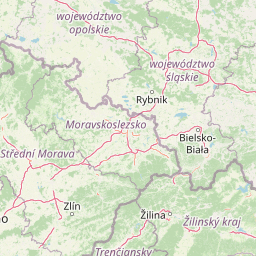
Malá Fatra is best known for its dramatic limestone mountain scenery and exceptional biodiversity. The park preserves some of the most visually striking peaks in the Slovak Carpathians, including the iconic Veľký Rozsutec with its distinctive rocky summit formation reaching 1,610 meters. The area is famous for the Jánošíkove diery, a spectacular system of narrow gorges and canyons carved by mountain streams, which has become one of Slovakia's most popular hiking attractions. The park also maintains significant populations of Central Europe's iconic large mammals, including brown bears, grey wolves, and lynx, making it a destination of special interest for wildlife enthusiasts and conservationists.
Malá Fatra National Park history and protected-area timeline
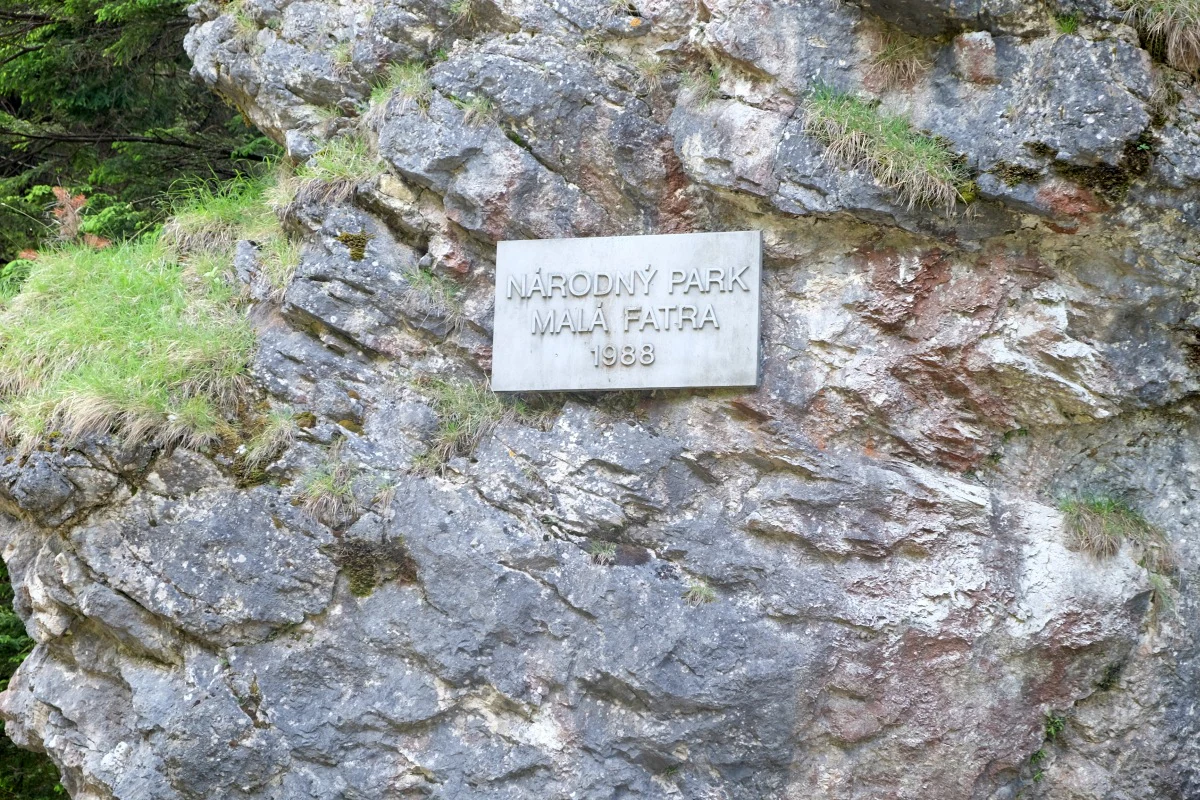
The protection of Malá Fatra evolved through several distinct phases reflecting changing approaches to nature conservation in Czechoslovakia and later Slovakia. The area was first granted formal protected status in 1967 when it was designated as a protected landscape area, providing initial safeguards against uncontrolled development and resource extraction. This intermediate level of protection maintained for over two decades allowed ecological systems to stabilize while conservation science advanced. On April 1, 1988, the protected landscape area was upgraded to national park status, elevating the protection level and bringing additional resources for scientific monitoring and visitor management. The transition to national park designation acknowledged the area's outstanding natural values and its importance as a representative sample of Carpathian mountain ecosystems. Since becoming a national park, Malá Fatra has continued to serve as a living laboratory for ecological research and as a beloved outdoor recreation destination for Slovaks and international visitors alike.
Malá Fatra National Park landscape and geographic character
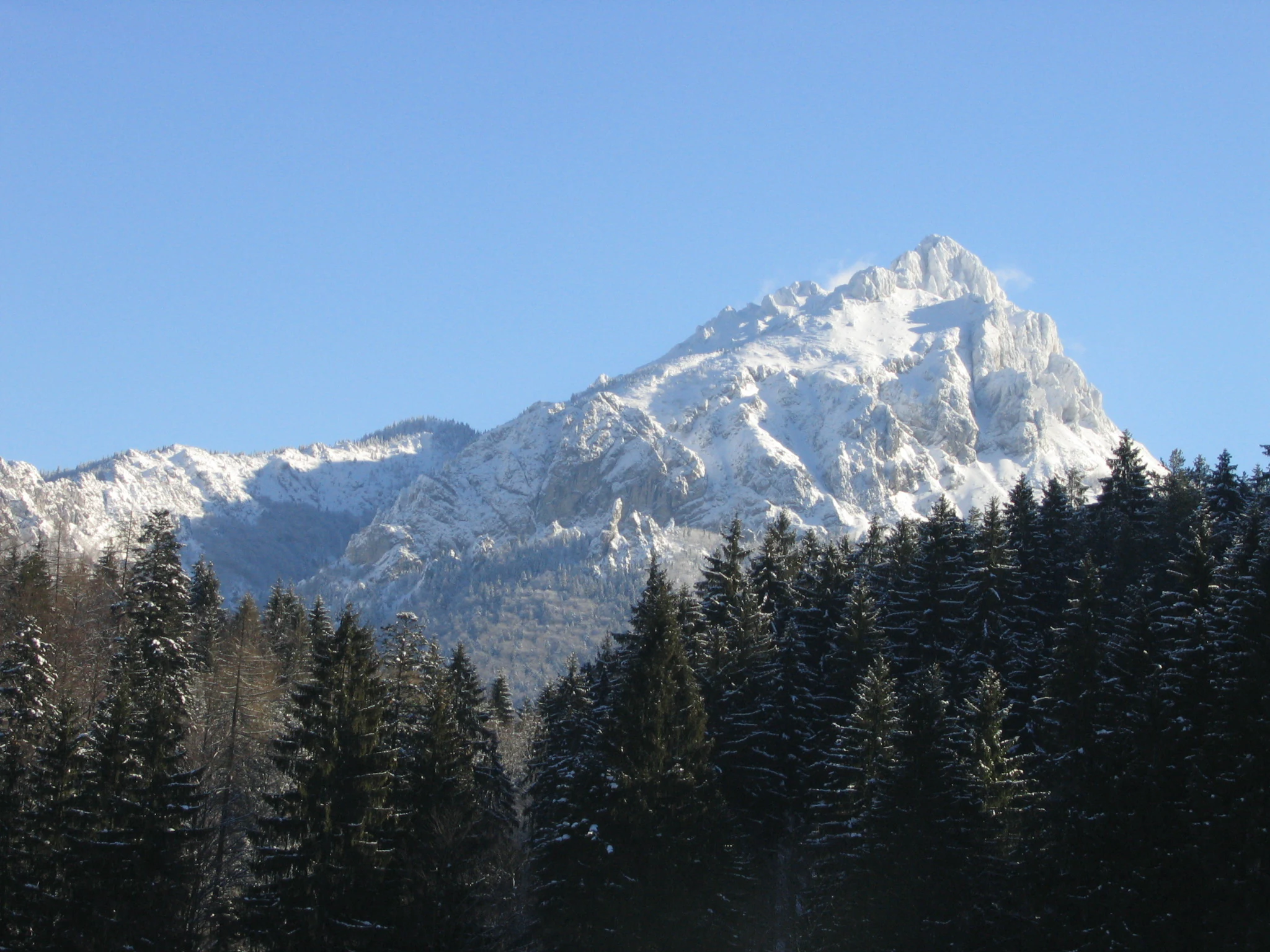
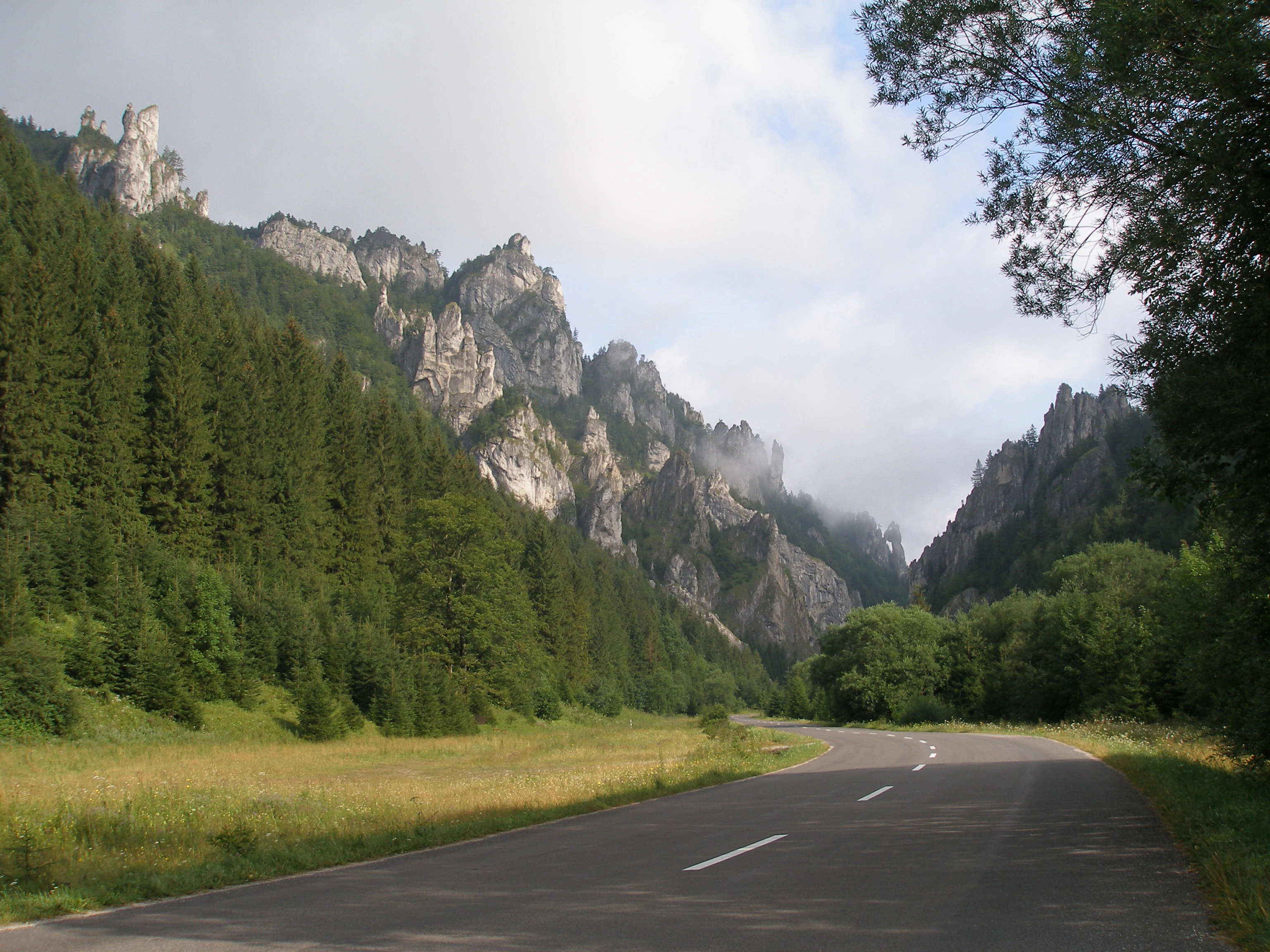
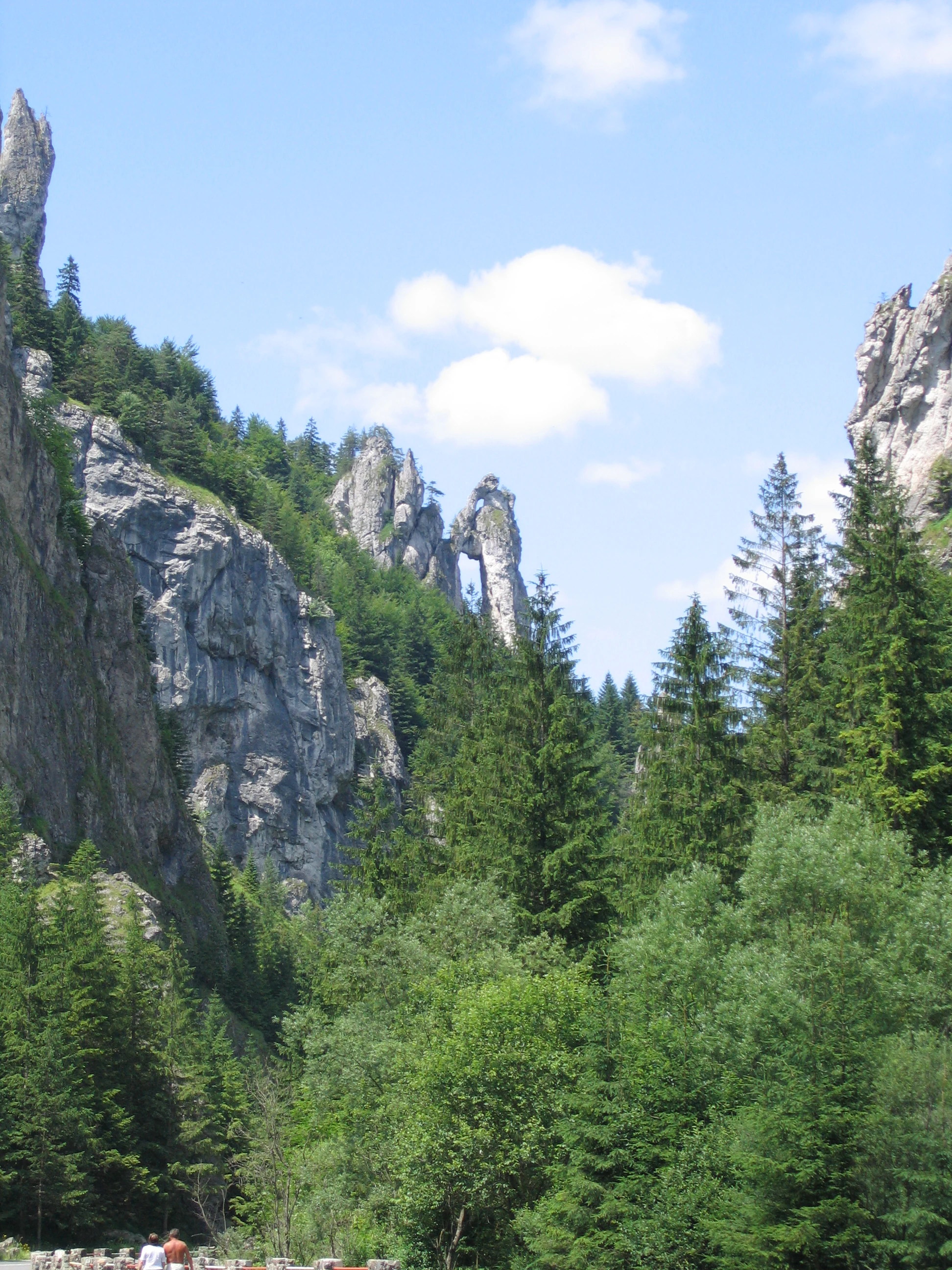
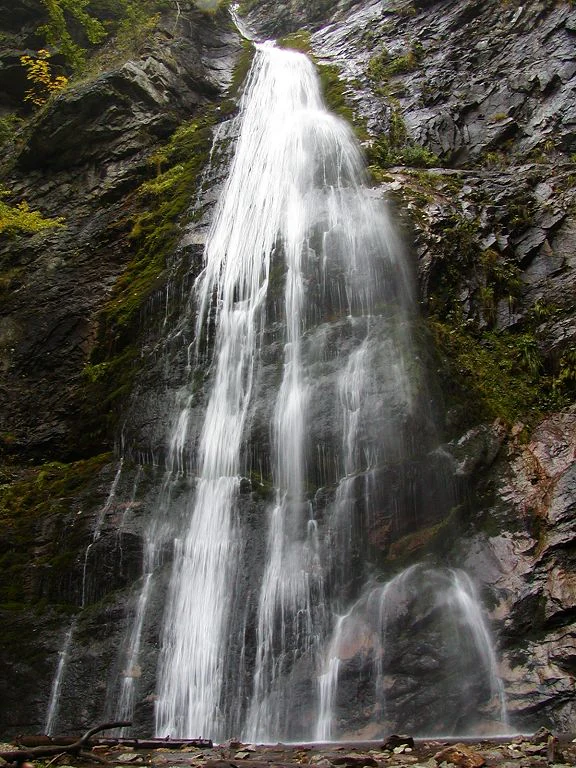
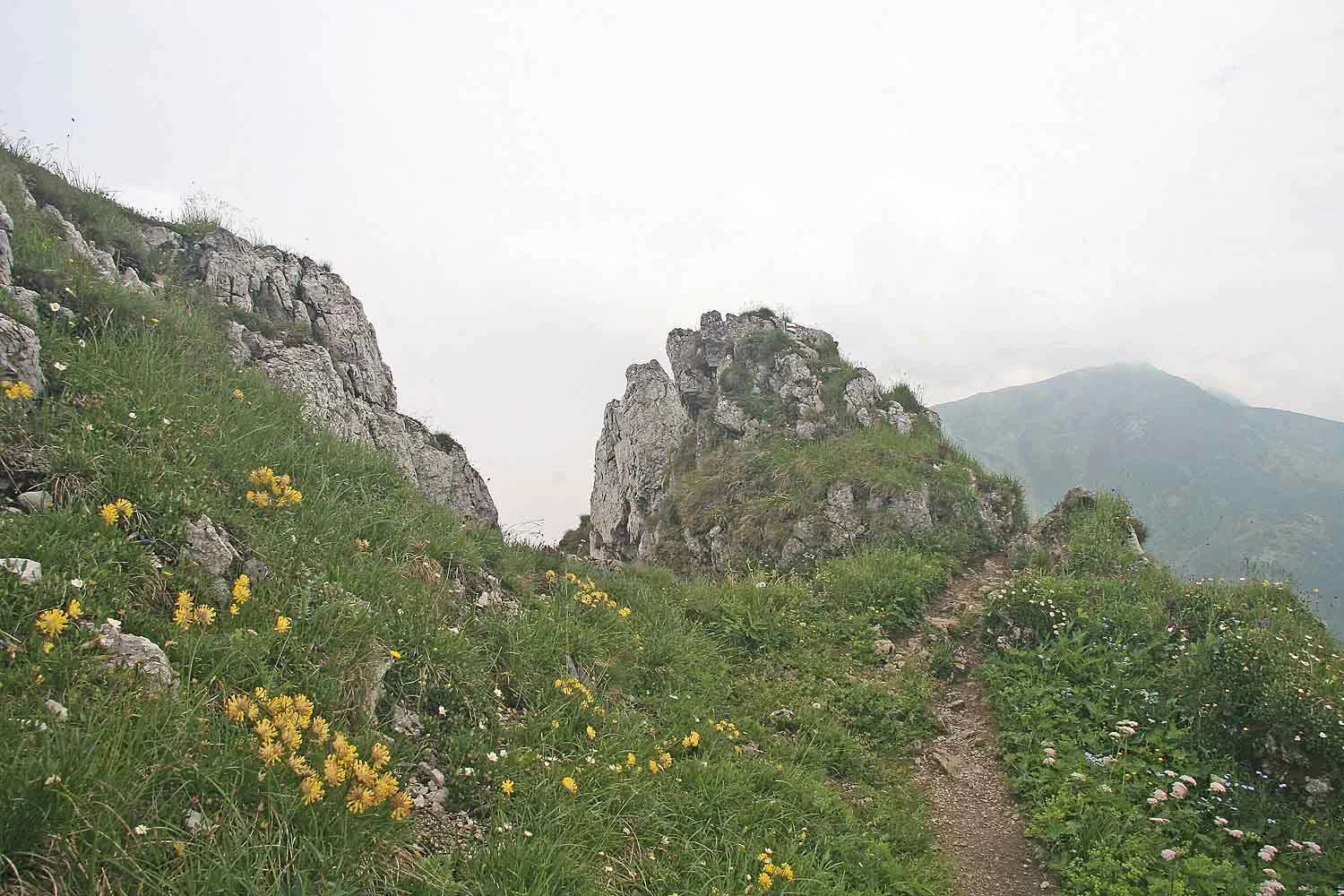
The physical landscape of Malá Fatra National Park presents a dramatic backdrop of Carpathian mountain terrain shaped by millions of years of geological processes and ongoing erosion. The mountains consist primarily of limestone and dolomite formations that have been carved by water and ice into the distinctive ridges, cliffs, and rock towers visible today. The highest peak within the park is Veľký Kriváň at 1,708 meters, while the more visually striking Veľký Rozsutec reaches 1,610 meters and is renowned for its rugged rock face and panoramic summit views. Deep gorges such as those comprising the Jánošíkove diery system cut through the mountain slopes, creating narrow passages flanked by vertical rock walls and punctuated by waterfalls and cascades. The Šútovo Waterfall drops 38 meters in a single dramatic plunge, one of the park's most impressive geological features. The terrain transitions from forested lower slopes through a mosaic of subalpine vegetation to exposed rock and alpine meadows near the summits, providing diverse visual environments within a relatively compact geographic area.
Malá Fatra National Park ecosystems, habitats, and plant life
The ecological character of Malá Fatra reflects the park's position within the Carpathian mountain system and its range of elevations and microclimates. Approximately 83 percent of the park's area is covered by forest, with mixed beech forests dominating the lower and middle elevations. At higher altitudes, the forest composition shifts to include fir and spruce communities adapted to colder conditions and shorter growing seasons. Alpine meadows and pine woods occur at the highest elevations, creating a distinctive vertical zonation of vegetation communities. The park supports remarkable botanical diversity, with species such as the clusii gentian, auricula primrose, and the rare lady's slipper orchid thriving in the park's varied habitats. Wetland areas host specialized plants including the round-leaved sundew, a carnivorous species adapted to nutrient-poor soils. This botanical richness makes Malá Fatra one of Slovakia's most botanically significant protected areas.
Malá Fatra National Park wildlife and species highlights
The fauna of Malá Fatra National Park includes several species of significant conservation interest, particularly large mammals that require extensive territories and intact habitats. The park supports populations of brown bear, grey wolf, and lynx, three species that have recolonized much of their historic European range only in recent decades as conservation measures have allowed populations to expand. These carnivores occupy the forest and rocky terrain throughout the park, with the relatively large area and connectivity to surrounding landscapes supporting viable populations. Bird species of note include the golden eagle, which nests on the rocky cliffs and hunts in the alpine zones, and the black stork, which prefers the forest streams and wet meadows. The eagle-owl occupies cliff nesting sites, while smaller mammals such as the beech marten, European otter, and wildcat complete the mammalian community. This assemblage of species makes Malá Fatra one of Slovakia's most important areas for predator conservation.
Malá Fatra National Park conservation status and protection priorities
Malá Fatra National Park plays a significant role in Slovakia's conservation framework as a Category II protected area under the IUCN classification system. The park protects representative Carpathian mountain ecosystems that have retained relatively high ecological integrity despite centuries of human presence in the region. The protection of large carnivore populations demonstrates the park's importance beyond its borders, as these wide-ranging species require connectivity with surrounding landscapes and benefit from the protected area's strict land-use regulations. The forest coverage, spanning approximately 83 percent of the park, stores significant carbon and provides watershed protection for communities downstream. The diversity of habitats from valley floors to alpine ridges supports botanical and faunal assemblages of conservation concern, including several species protected under European and national legislation. The national park designation provides the strongest form of protection available under Slovak law, restricting development and resource extraction while allowing for scientific research, education, and carefully managed outdoor recreation.
Malá Fatra National Park cultural meaning and human context
The cultural landscape of Malá Fatra extends beyond its natural features to include historical structures and traditional settlements that reflect centuries of human interaction with this mountain environment. Medieval castles dot the landscape, with Strečno Castle standing as a prominent ruin perched on a rocky spur overlooking the valley and Starhrad representing another historic fortification within the park's boundaries. These structures attest to the strategic importance of the mountain passes and valleys that traverse the region. Traditional settlements such as Štefanová and Podšíp preserve vernacular architecture characteristic of the Slovak mountain regions, with wooden structures and steep-pitched roofs reflecting local building traditions. The village of Terchová serves as a center of Slovak folklore and cultural heritage, maintaining traditions that connect the contemporary community to the mountain landscape. The Jánošíkove diery gorges carry the name of Juraj Jánošík, a legendary Slovak folk hero and outlaw whose exploits in the mountains became embedded in regional identity and cultural memory.
Top sights and standout views in Malá Fatra National Park
Malá Fatra National Park offers visitors exceptional mountain scenery, ecological diversity, and cultural heritage within a compact and accessible protected area. The iconic peak of Veľký Rozsutec provides one of the most photographed mountain vistas in Slovakia, its rocky summit rising dramatically above surrounding forests. The Jánošíkove diery gorge system presents hikers with a thrilling landscape of narrow passages, natural bridges, and cascading water. The Crystal Cave showcases geological beauty with its calcite formations, while the 38-meter Šútovo Waterfall provides a spectacular natural display. The presence of brown bears, wolves, and lynx distinguishes this park as one of Slovakia's premier locations for observing large European mammals, though sightings require patience and respect for wildlife. Traditional villages and historic castles add cultural depth to the hiking experience, making Malá Fatra a destination where natural and cultural heritage combine memorably.
Best time to visit Malá Fatra National Park
The optimal seasons for visiting Malá Fatra National Park offer different experiences suited to varied interests and tolerance for mountain conditions. Summer months from June through August provide the warmest weather and longest days, making them ideal for hiking the extensive trail network and enjoying the alpine meadows in full flower. This is the peak season for visitors, with comfortable temperatures for extended walks but also larger crowds at popular destinations. Autumn brings cooler temperatures and changing foliage colors, creating visually striking landscapes as the beech forests turn gold and crimson. The quieter shoulder season often appeals to experienced hikers seeking fewer visitors and atmospheric mountain conditions. Winter transforms the park into a snowy wilderness suitable for winter sports and those comfortable with cold mountain conditions, though many trails become challenging or inaccessible. Spring provides a shoulder season with rising temperatures and melting snow creating dramatic waterfall displays, though weather can be variable.