
Regional parkAuckland Region
About 10 km away#1 closest
East

Whakanewha Regional Park: Mapping the Protected Landscapes and Wetlands of Waiheke Island
Coastal forest and wetland geography in the Auckland Region
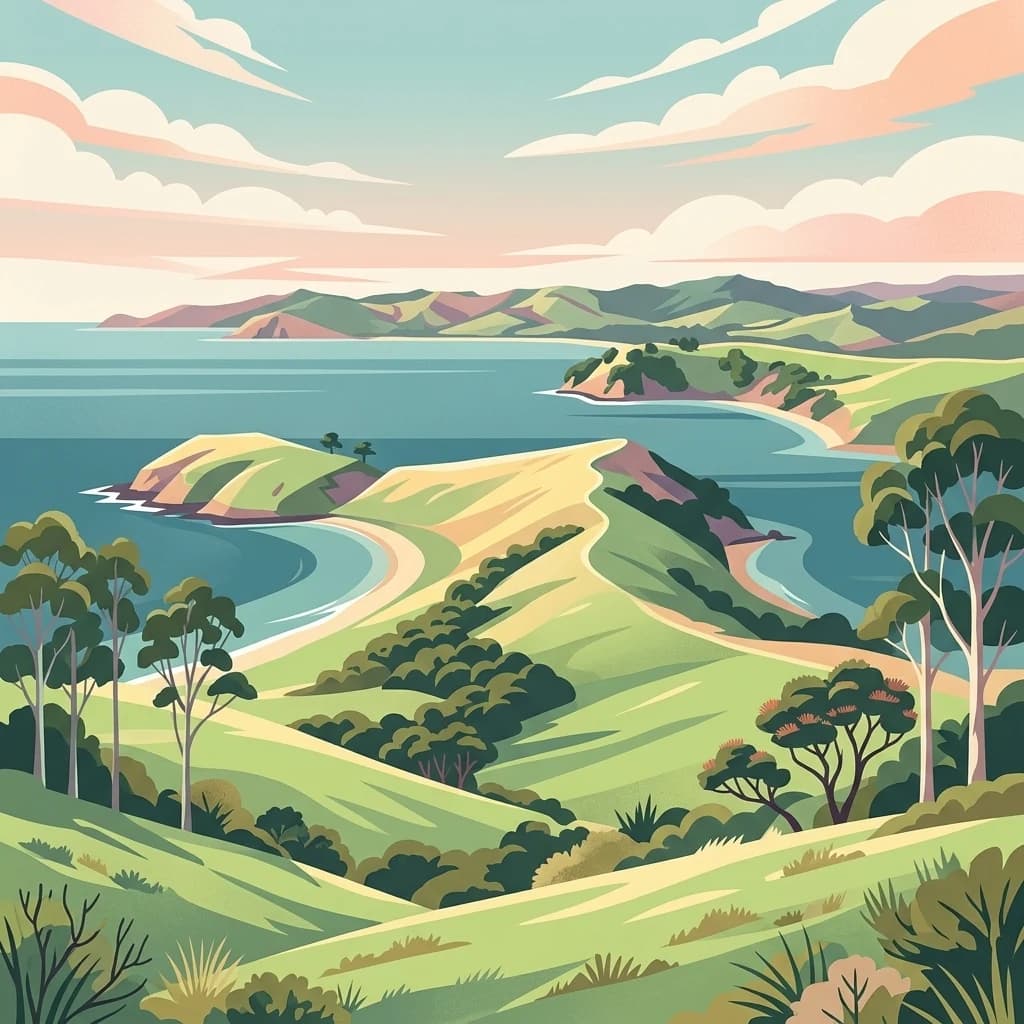
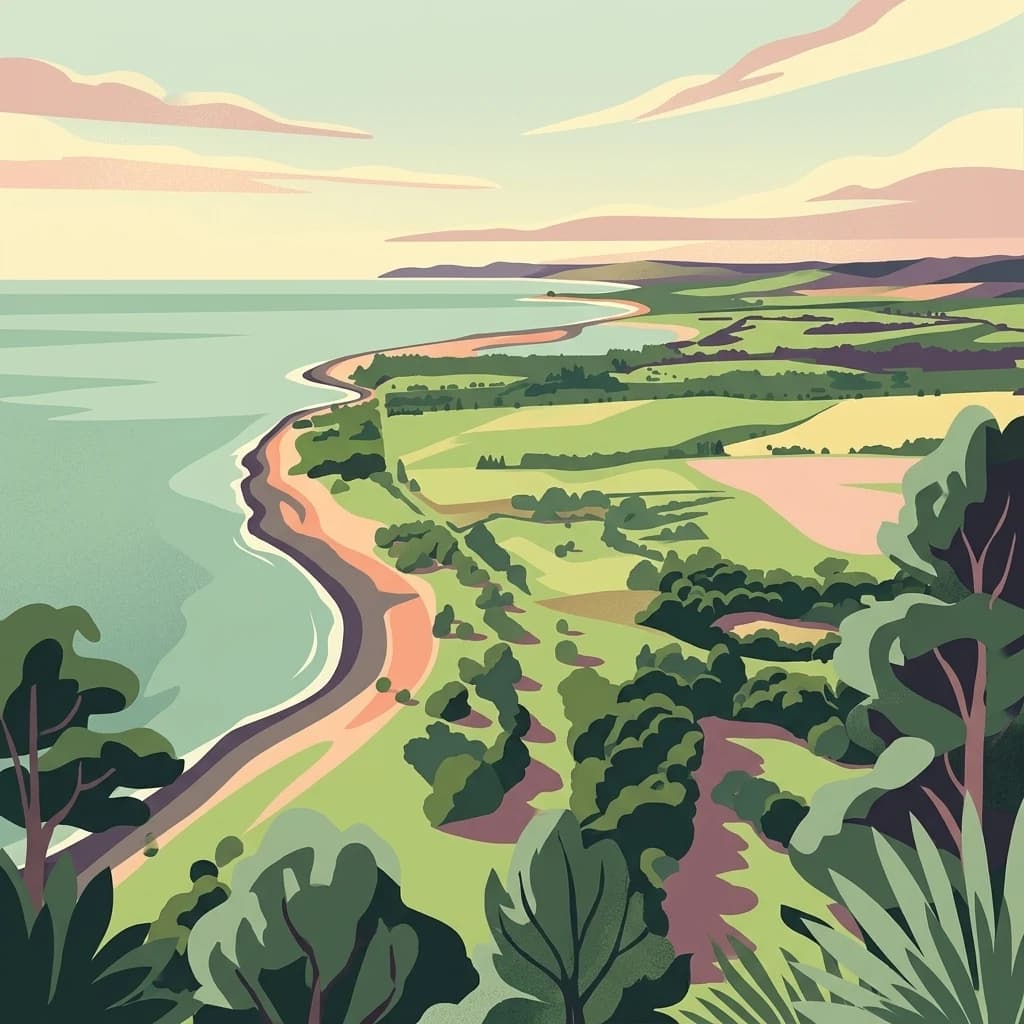
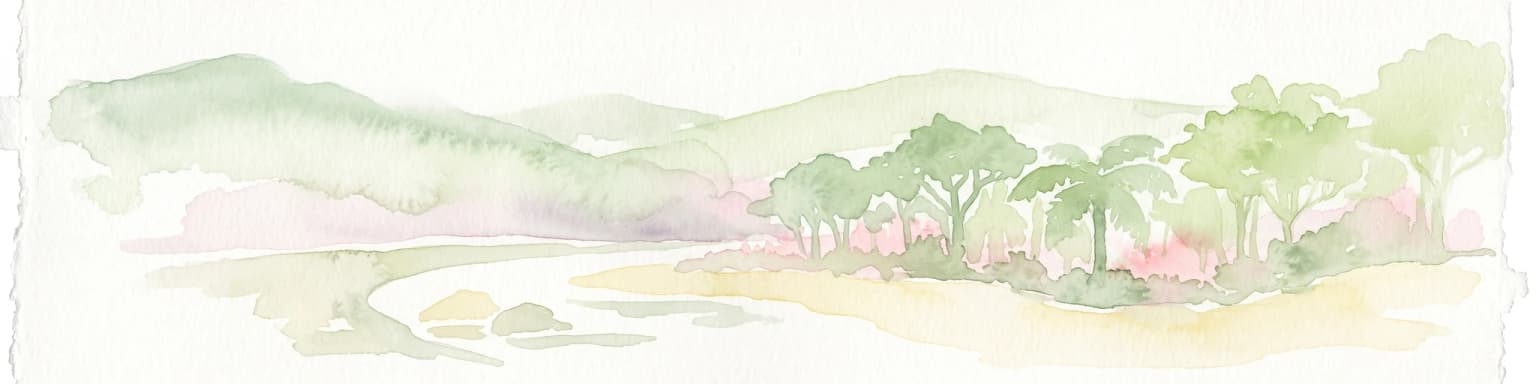
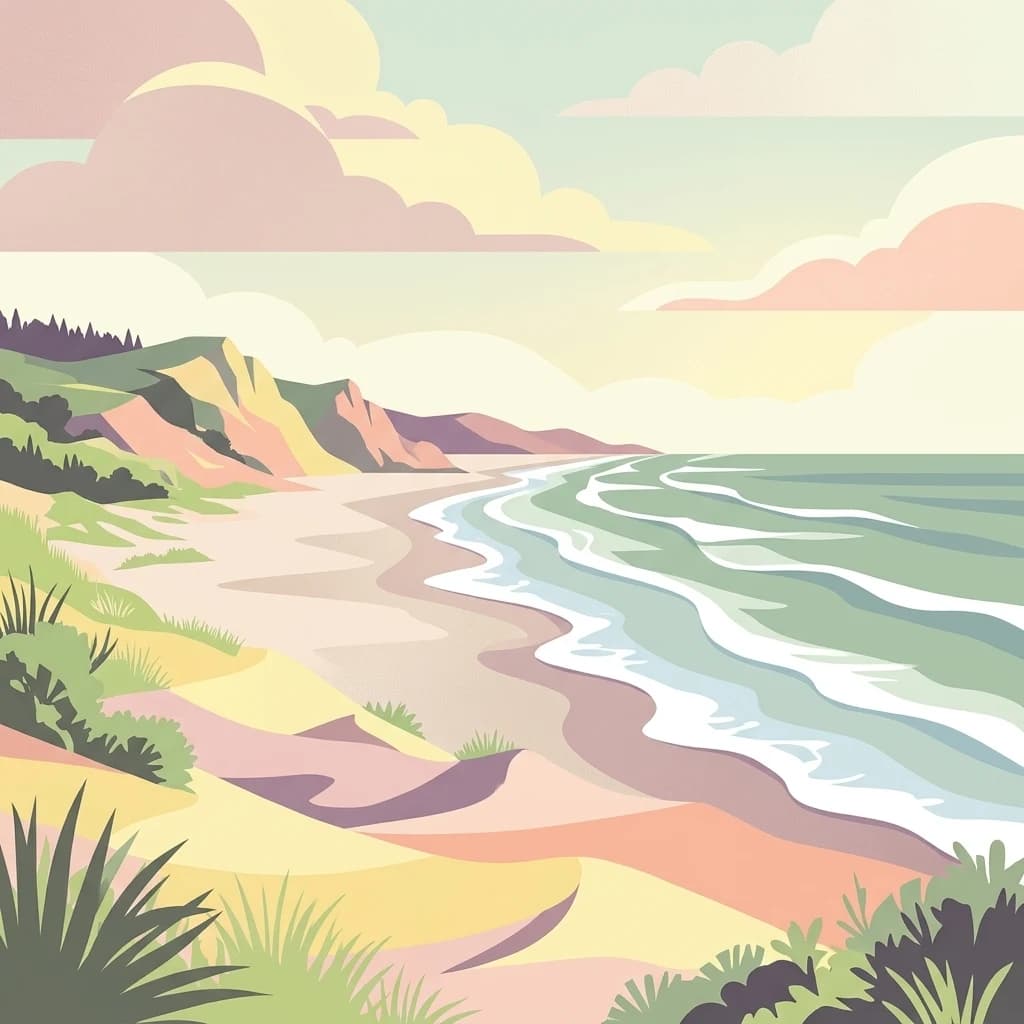
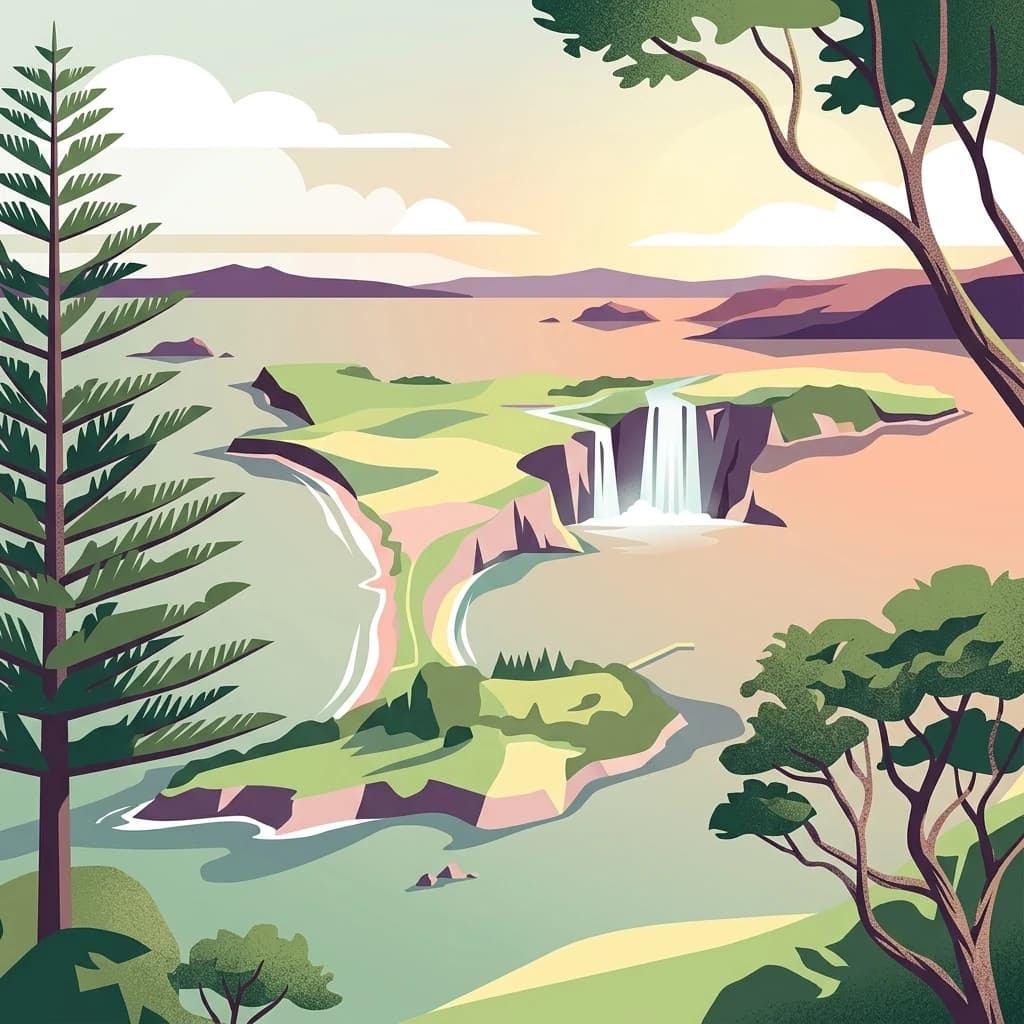
Whakanewha Regional Park serves as a vital protected area on Waiheke Island, known for its mature broadleaf forests and significant freshwater wetlands. The park provides a compact yet varied landscape of stream valleys and coastal ridgelines, representing a key component of the regional geography within the Hauraki Gulf, sheltered from broader environmental pressures.
- Area
- 2.7 km²
- Established
- 2007
- Relief
- Upland
- Climate
- Temperate