
Why National Park of the Gulf of Orosei and Gennargentu stands out
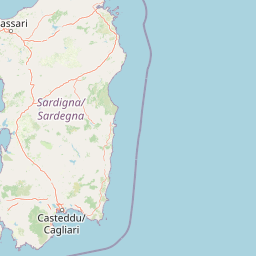
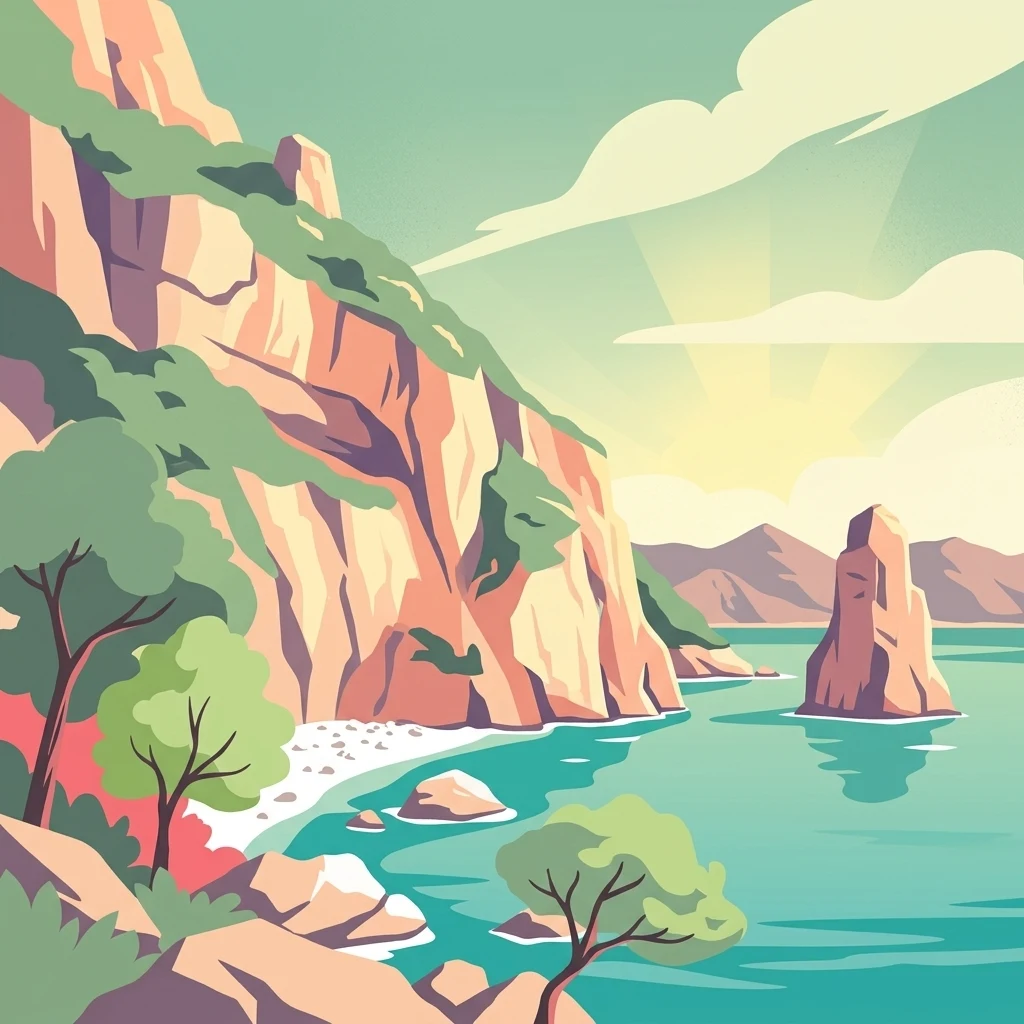
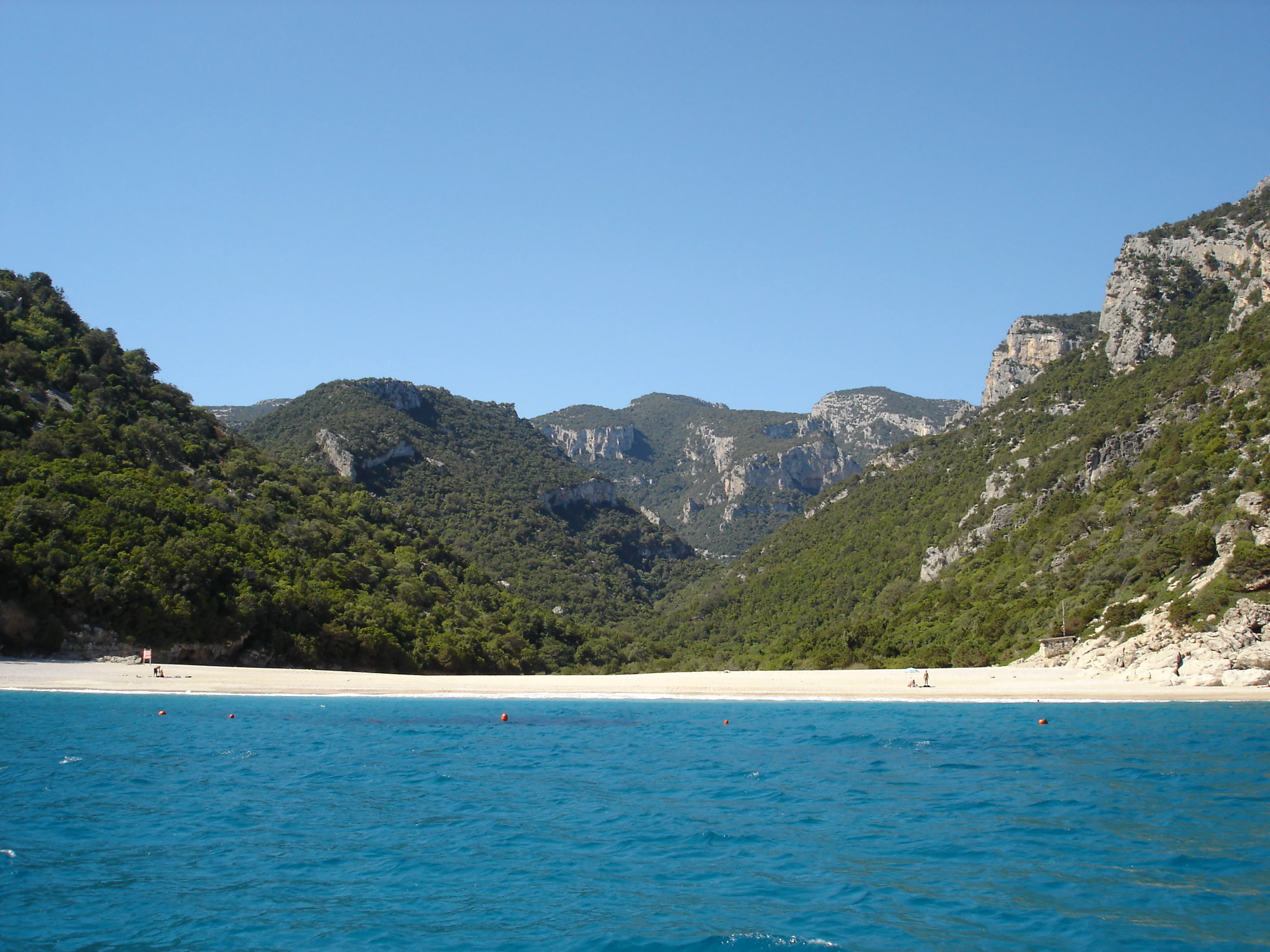
The park is best known for its extraordinary coastal scenery, particularly the dramatic limestone cliffs that line the Gulf of Orosei and the series of secluded calas (beaches) that dot the coastline. The Cala Luna, Cala Mariolu, and Cala Biriola beaches are among the most famous, accessible only by boat or along rugged hiking paths. The Supramonte karst landscape with its network of caves, including the famous Grotta del Bue Marino, represents another defining feature. The park also protects the Gennargentu mountain range, home to unique Mediterranean mountain ecosystems and wildlife including the Sardinian long-eared owl and Alpine newt.
National Park of the Gulf of Orosei and Gennargentu history and protected-area timeline
The park was formally established in 1998, designated to protect the exceptional natural and cultural values of Sardinia's eastern coast and interior mountains. The creation of the protected area followed decades of advocacy by environmental organizations and local communities concerned about the preservation of the region's wild landscapes. Prior to formal protection, the area had long been recognized for its outstanding natural beauty and ecological significance, though various pressures from development and resource extraction threatened its integrity. The park's establishment represented a recognition that the unique combination of coastal, marine, and mountain ecosystems found here warranted permanent protection. Management of the park focuses on balancing conservation objectives with sustainable tourism and traditional land uses that have shaped the landscape for generations.
National Park of the Gulf of Orosei and Gennargentu landscape and geographic character
The park's landscape encompasses two distinct but connected worlds. Along the coast, towering limestone cliffs, some exceeding 300 meters in height, create one of the Mediterranean's most dramatic seascapes. These cliffs are punctured by numerous caves and sea arches, and their bases are strewn with boulders and pebbles washed by powerful waves. The beaches between the cliffs are typically small and secluded, composed of fine sand or characteristic white pebbles. The marine environment below the cliffs features exceptionally clear water and a rich underwater ecosystem. Moving inland, the terrain rises sharply into the Supramonte, a wild karst landscape of exposed limestone, deep ravines, and sparse vegetation. The Gennargentu mountains rise to over 1,800 meters, with rocky peaks, scree slopes, and small mountain lakes. The interaction between the limestone bedrock and water has created an extraordinary underground world of caves and sinkholes.
National Park of the Gulf of Orosei and Gennargentu ecosystems, habitats, and plant life
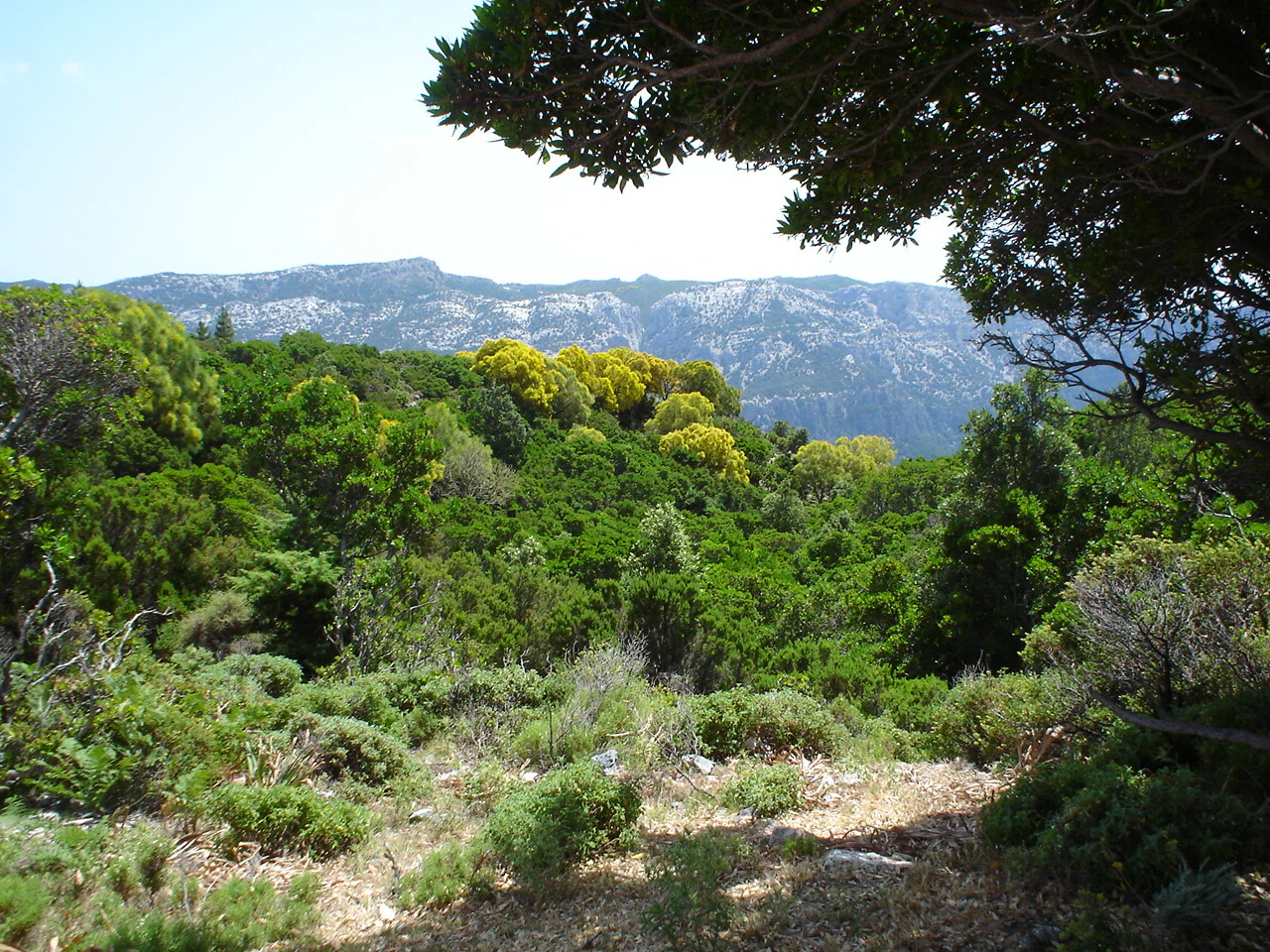
The park protects a remarkable diversity of Mediterranean habitats, from coastal marine environments through maquis shrubland to mountain grasslands. The coastal waters support important Posidonia oceanica seagrass meadows, critical for marine biodiversity and water clarity. The submerged caves and reefs provide habitat for diverse fish species, marine mammals, and invertebrates. On land, the maquis vegetation dominates the lower slopes, characterized by aromatic shrubs like rosemary, thyme, and cistus. Higher elevations feature oak forests and, on the highest peaks, unique Sardinian mountain grassland communities. The karst underground hosts specialized cave-dwelling organisms found nowhere else. The park sits at the crossroads of European and African biogeographic influences, resulting in a mix of species that includes both temperate and Mediterranean elements.
National Park of the Gulf of Orosei and Gennargentu wildlife and species highlights
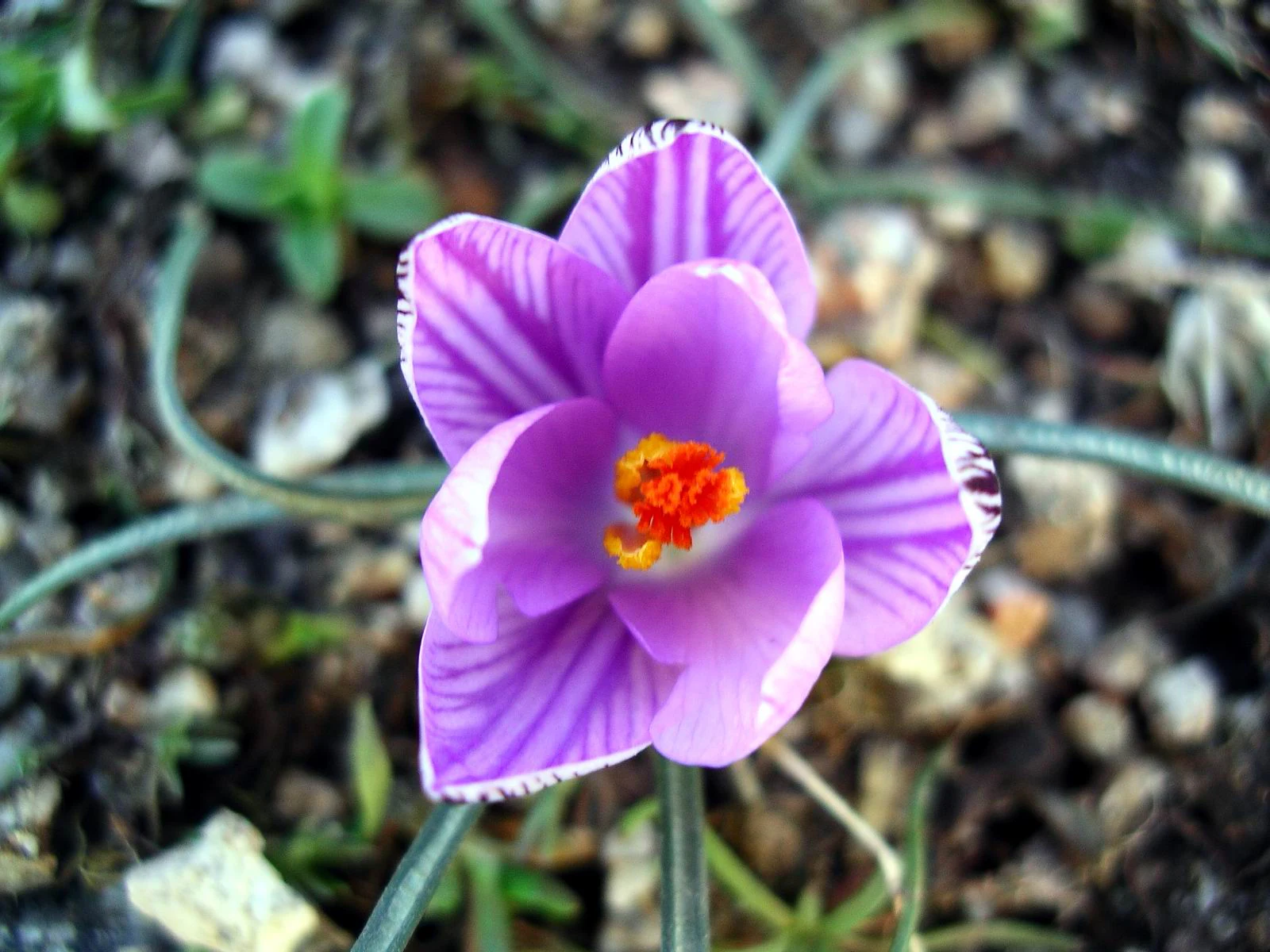
The park supports a significant population of wildlife, including several species of conservation importance. Among the birds, the majestic golden eagle patrols the skies above the Gennargentu peaks, while the rare Sardinian long-eared owl inhabits the forests and maquis. The park's cliffs provide nesting sites for seabirds including the iconic Mediterranean shag and various storm-petrel species. The karst caves are important for bats, with several species using the underground spaces for roosting. The mammal community includes wild boar, red deer, and the Sardinian fox. The marine environment hosts regular visitors including dolphins and, occasionally, whales. The park's streams and freshwater springs support populations of the endangered Sardinian brook salamander and Alpine newt, species with very restricted distributions.
National Park of the Gulf of Orosei and Gennargentu conservation status and protection priorities
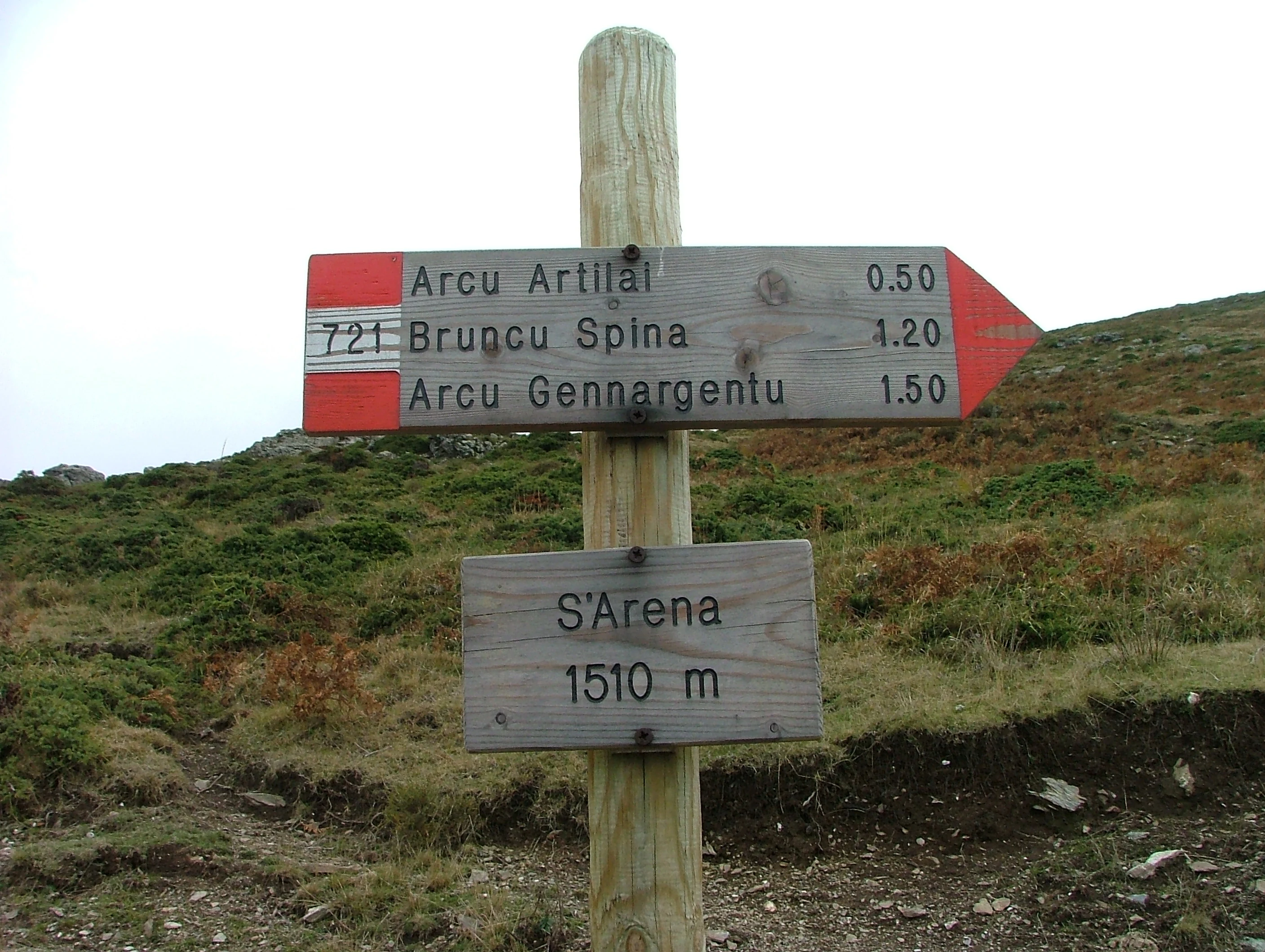
The park plays a crucial role in protecting Mediterranean biodiversity and preserving outstanding natural landscapes. The protected area encompasses several habitat types listed under European Union nature legislation, including coastal caves, Mediterranean maquis, and submontane forests. The marine component of the park, extending into the Gulf of Orosei, protects important seagrass communities and marine ecosystems that have suffered degradation elsewhere in the Mediterranean. The park also serves as a critical corridor connecting coastal and mountain ecosystems, allowing for species movement and genetic exchange. Management efforts focus on controlling invasive species, maintaining traditional land uses that support biodiversity, and regulating visitor access to sensitive areas.
National Park of the Gulf of Orosei and Gennargentu cultural meaning and human context
The park exists within a landscape shaped by centuries of human presence, though the extreme terrain has limited intensive development. Traditional pastoral activities have influenced the mountain areas, with shepherds moving their flocks between seasonal pastures according to ancient patterns. The coastal communities have historically relied on fishing and maritime activities, and small fishing villages dot the shoreline outside the core protected zones. Several significant archaeological sites lie within or adjacent to the park, including nuragic structures that testify to the island's prehistoric occupation. The relationship between the local communities and this dramatic landscape is reflected in the place names, legends, and cultural traditions of the region.
Top sights and standout views in National Park of the Gulf of Orosei and Gennargentu
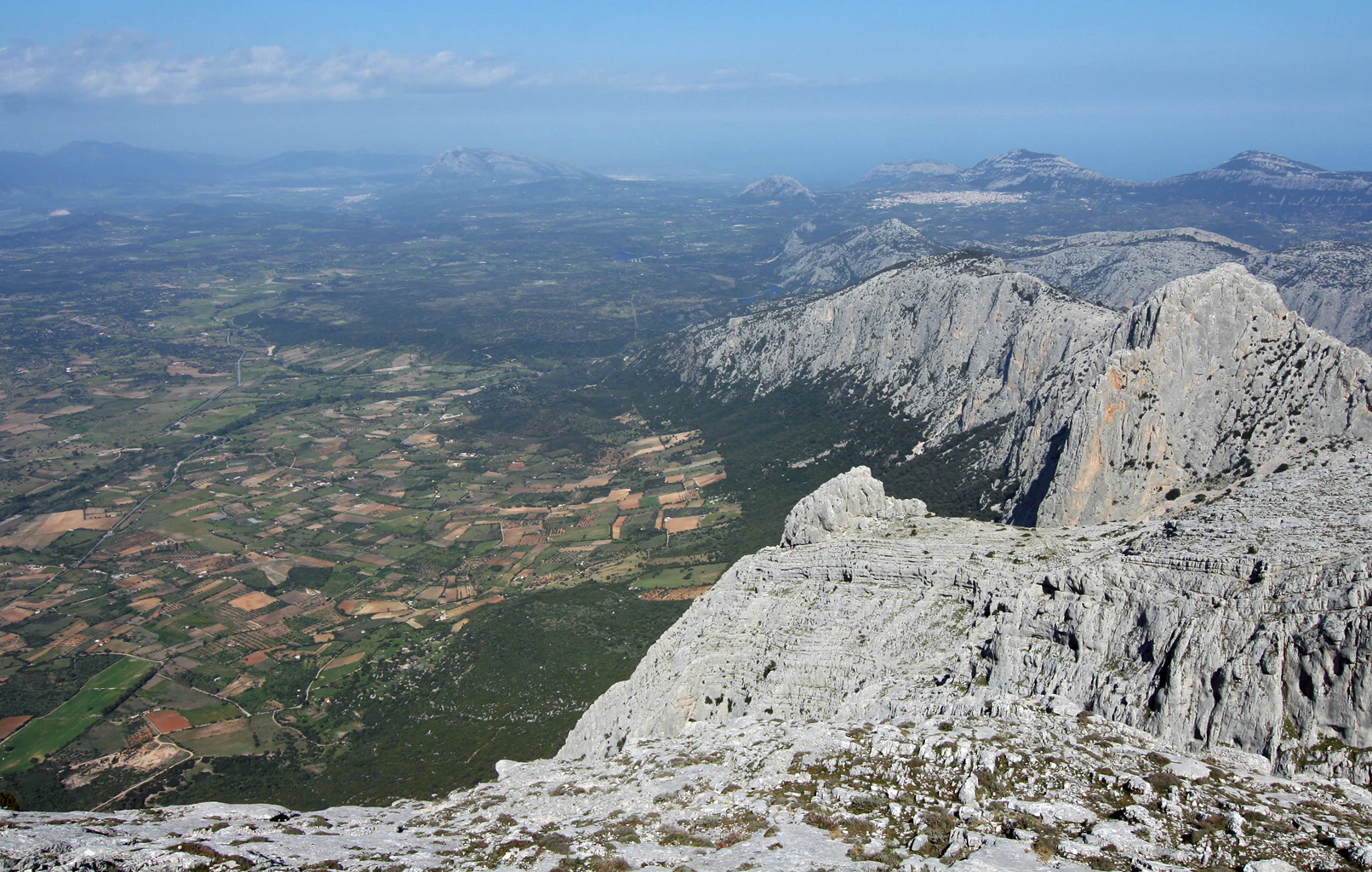
The park's most remarkable features include the spectacular cliff-lined coastline of the Gulf of Orosei, with its hidden beaches accessible only by boat or foot, the wild karst landscape of the Supramonte with its network of caves and gorges, and the imposing Gennargentu mountains containing Sardinia's highest peaks. The contrast between the azure coastal waters and the rugged mountain terrain creates an exceptionally scenic experience. The park offers outstanding opportunities for hiking, with trails ranging from coastal paths connecting secluded beaches to mountain routes across the Gennargentu massif. The underwater world is equally compelling, with clear waters, caves, and rich marine life.
Best time to visit National Park of the Gulf of Orosei and Gennargentu
The park can be visited year-round, though the most popular time is during the warm summer months from June through August when beach activities and coastal exploration are most appealing. Spring and autumn offer milder temperatures and fewer visitors, making them ideal for hiking and exploring the interior mountains. Winter brings cooler conditions but provides opportunities to experience the park's more tranquil side, though some facilities may have reduced hours. The summer months also bring the busiest period, particularly in August when Italian vacationers flock to the coast.