Why Pirin National Park stands out
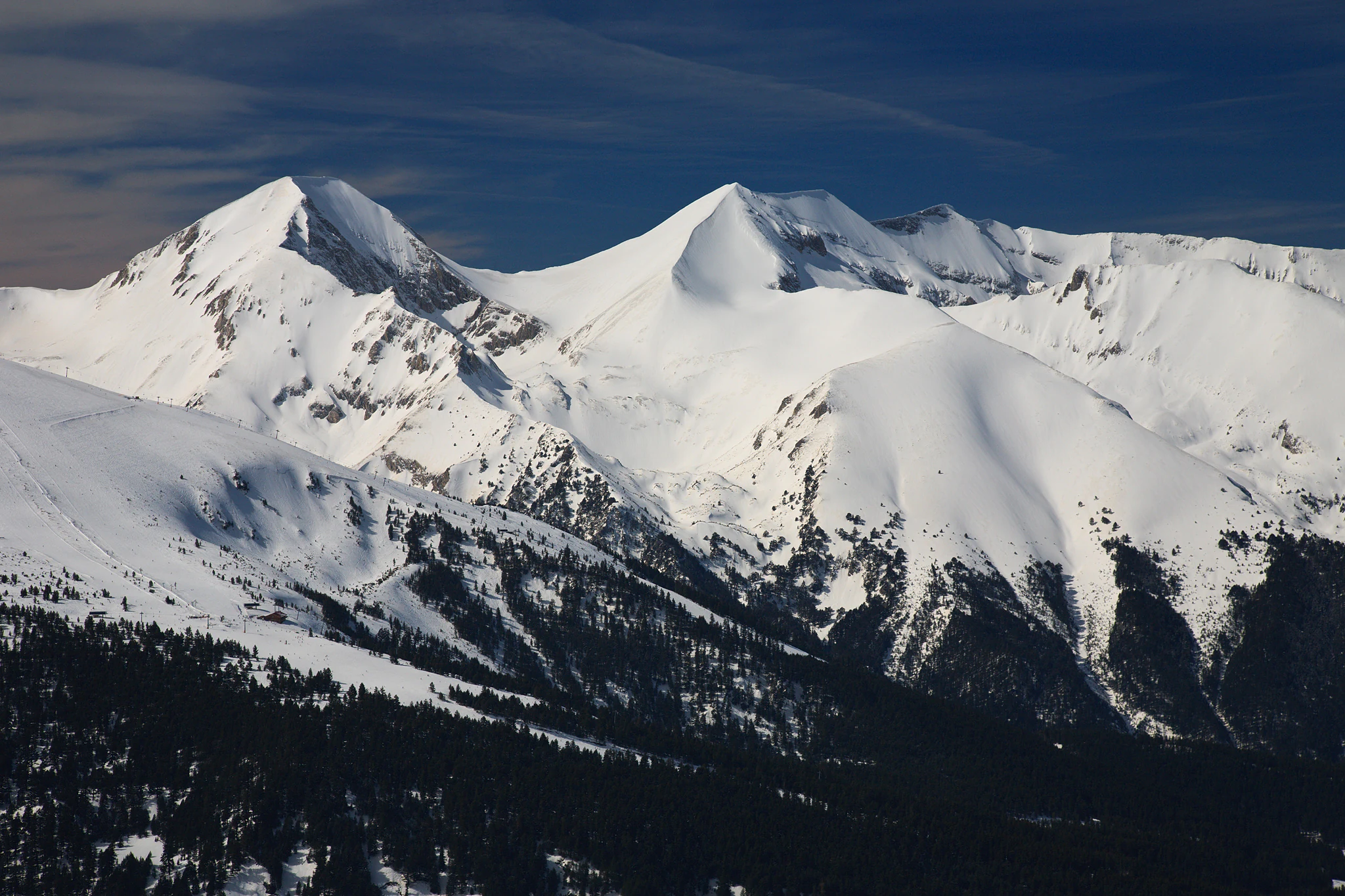
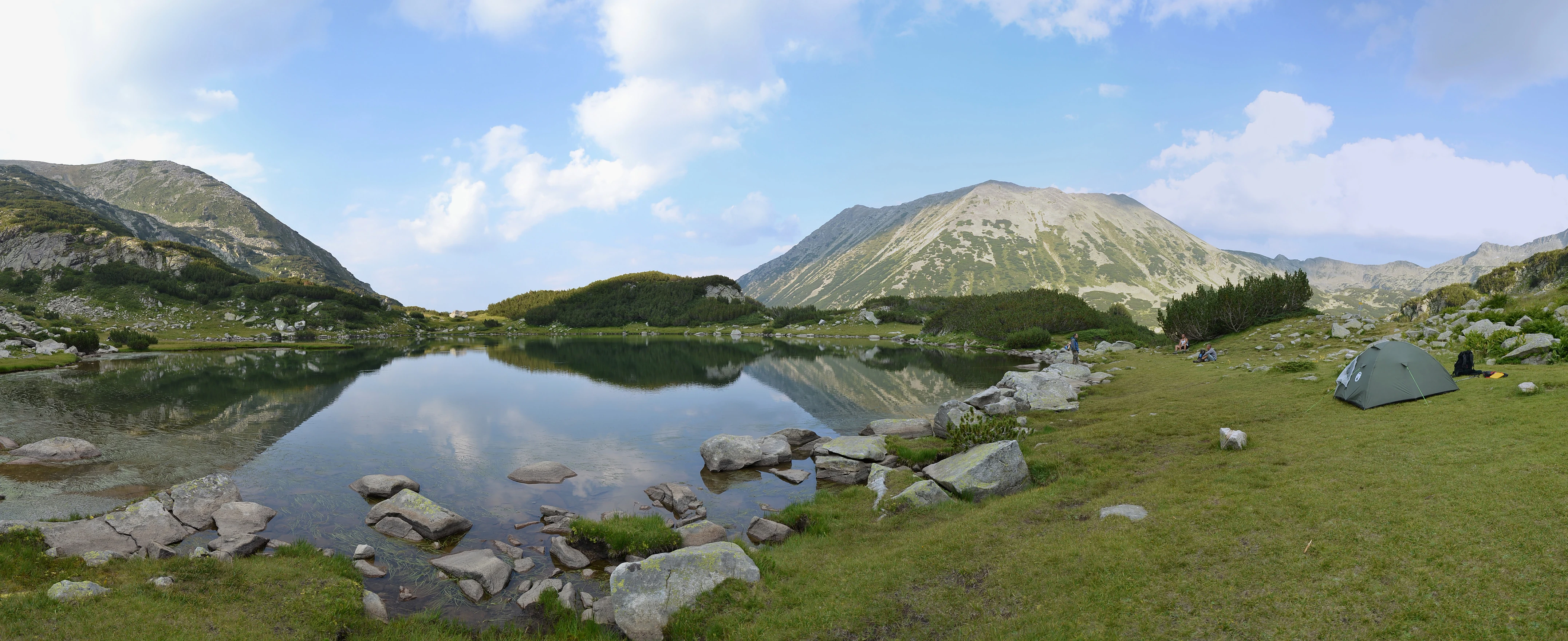
Pirin National Park is best known for its spectacular alpine landscape dominated by marble peaks, including the towering Vihren summit, and its network of 118 glacial lakes scattered throughout dramatic cirques. The park harbors Europe's southernmost glaciers, Snezhnika and Banski Suhodol, which are relict features from the last Ice Age. It is equally renowned for its extraordinary plant endemism, with 18 species found nowhere else on Earth, including the Pirin poppy and Pirin thyme, alongside 35 Bulgarian endemics and 86 Balkan endemics. The ancient Baikushev's Pine, estimated at 1,300 years old, stands as a living monument within the park's coniferous forests.
Pirin National Park history and protected-area timeline
Pirin National Park was established on November 8, 1962, initially covering 67.36 km² under the name Vihren National Park with the purpose of preserving the forest stands in the highest parts of the mountain. The protected area was significantly expanded several times over the following decades, reaching its current extent of 403.56 km² in 1999. In 1974, the park was renamed Pirin National Park by decree of the Ministry of Forests, and its territory was considerably enlarged. A dedicated directorate responsible for the park's protection and development was created in 1979, based in the town of Bansko. The park achieved national park status in 1998 following the adoption of Bulgaria's Protected Areas Act. In 1983, Pirin was inscribed on the UNESCO World Heritage List, recognizing its outstanding universal value, and was extended in 2010 to include additional territory.
Pirin National Park landscape and geographic character
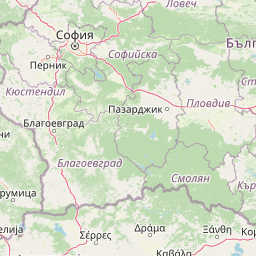
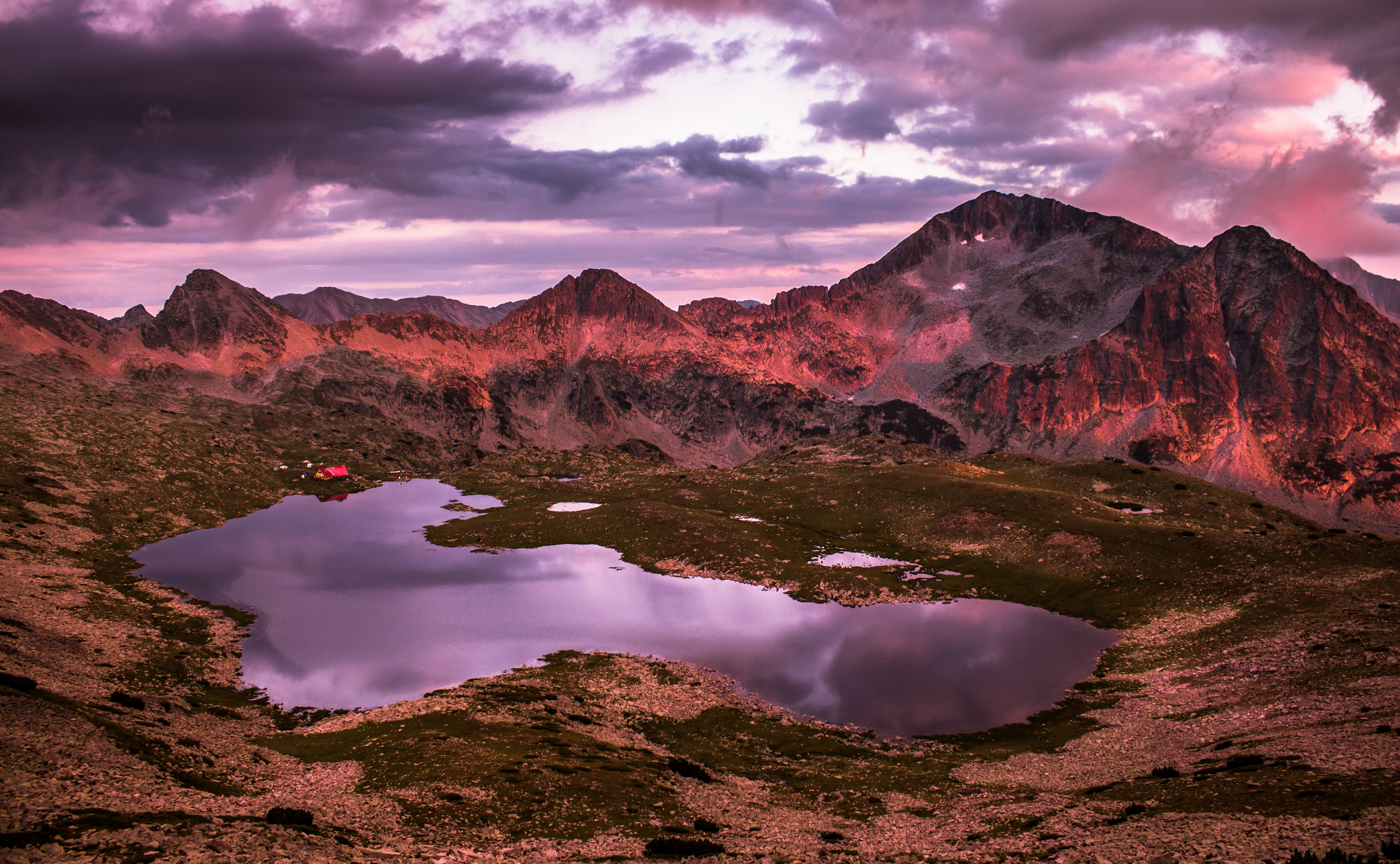
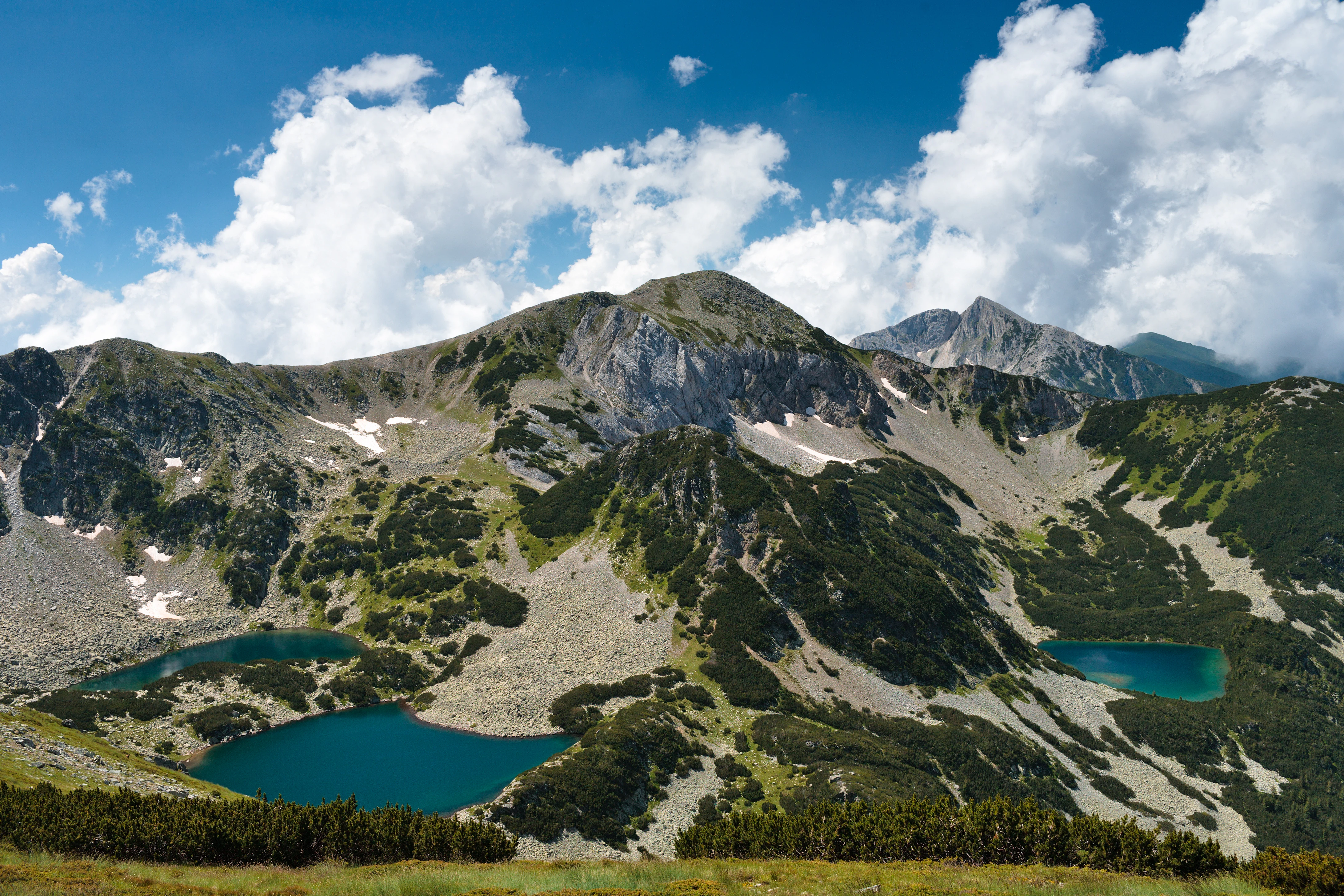
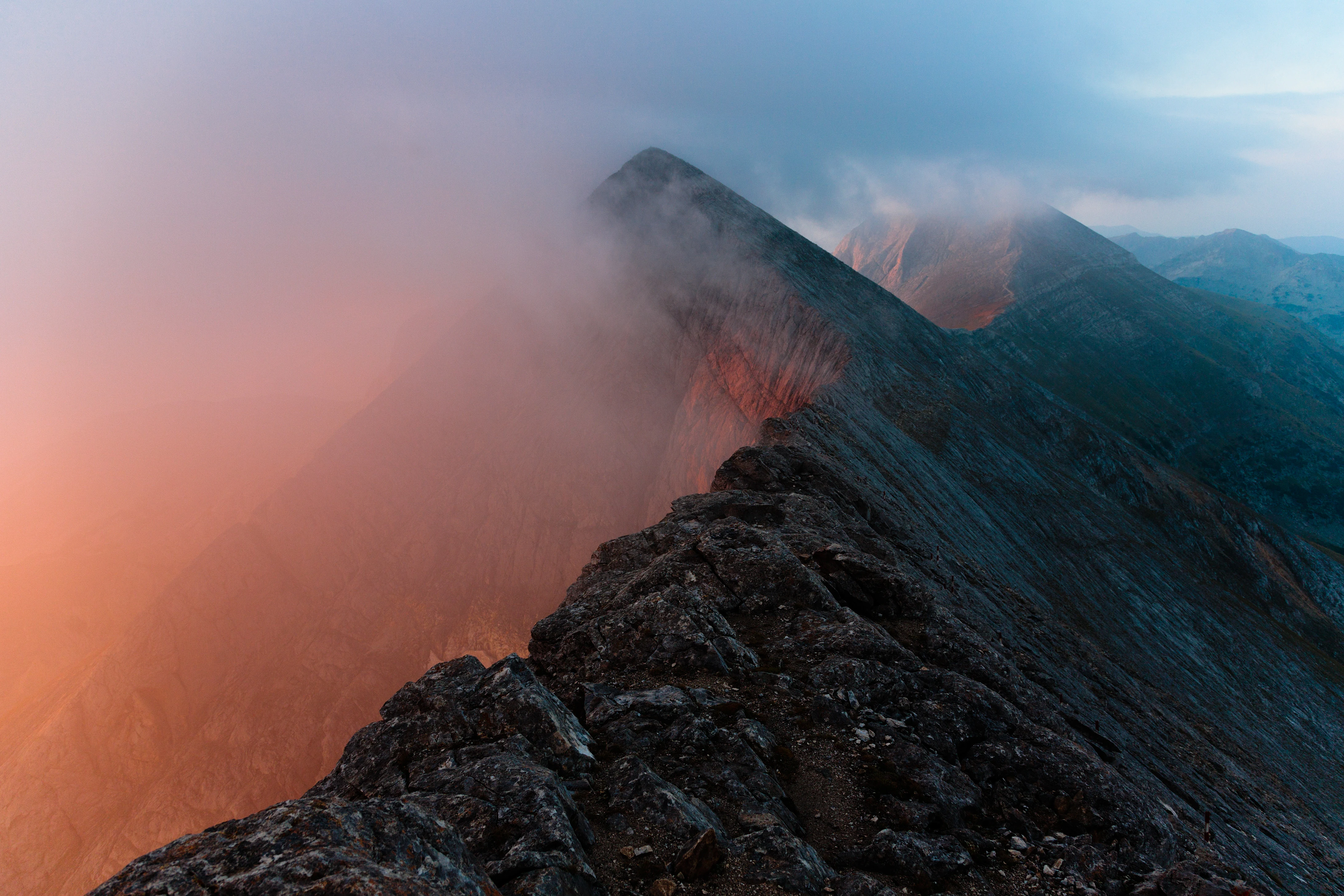
The Pirin Mountains present a dramatic alpine landscape shaped during the Pleistocene epoch by glacial processes that paralleled those of the Alps. The northern section of the range, entirely contained within the park, features two distinct geological zones. The northern zone comprises the steep marble Vihren ridge with three prominent summits: Vihren at 2,914 meters, Kutelo at 2,908 meters, and Banski Suhodol at 2,884 meters, along with the spectacular Koncheto ridge at 2,810 meters. The southern zone consists of granite ridges, including Polezhan, the fourth-highest summit at 2,851 meters. The relief is highly fragmented with steep slopes exceeding 30 degrees on more than 90% of the territory. The park contains 118 permanent glacial lakes conventionally divided into 17 groups, such as the Popovo Lakes, Kremenski Lakes, and Vasilashki Lakes, many situated in dramatic cirques carved by ancient glaciers.
Pirin National Park ecosystems, habitats, and plant life
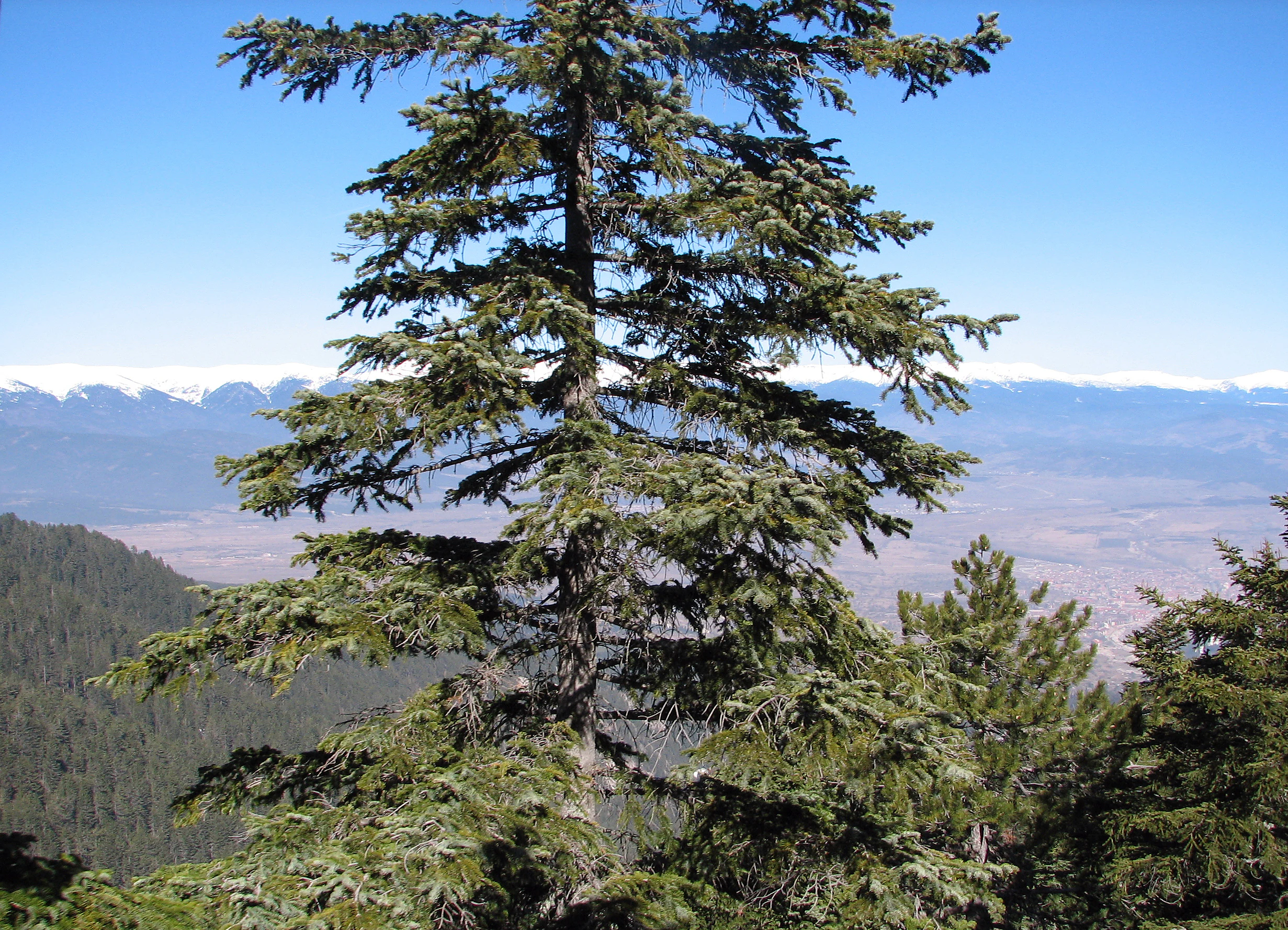
Pirin National Park falls within the Rodope montane mixed forests ecoregion of the Palearctic temperate broadleaf and mixed forest biome. The park supports three distinct vegetation zones: forest, subalpine, and alpine, reflecting its substantial elevation range. Forests cover 231.10 km² or 57.3% of the park, with approximately 95% being coniferous and 5% deciduous. The vegetation includes 16 tree species, of which three are Balkan endemics with limited distributions: Bulgarian fir, Macedonian pine, and Bosnian pine. The Macedonian and Bosnian pines in Pirin constitute respectively 42% and 52 of their total area in Bulgaria, making the park critically important for their conservation. The park's flora comprises 1,315 vascular plant species from 94 families, representing approximately one-third of Bulgaria's total flora, with particularly high endemism due to the combination of southern latitude and significant elevation variation.
Pirin National Park wildlife and species highlights
The vertebrate fauna of Pirin National Park includes 229 species across multiple taxa. Mammal populations comprise 45 species, including notable conservation species such as brown bear, gray wolf, wildcat, European pine marten, wild boar, red deer, roe deer, and the Balkan chamois. The European snow vole represents a relict species in the park. Bird diversity is particularly significant, with 159 species recorded, including three relict species: the boreal owl, white-backed woodpecker, and Eurasian three-toed woodpecker. Raptor species include lesser spotted eagle, booted eagle, golden eagle with 2 to 5 breeding pairs, short-toed snake eagle, saker falcon, and peregrine falcon. The park supports 11 reptile species and 8 amphibian species representing diverse biogeographic origins, and 6 fish species inhabit the glacial lakes and streams.
Pirin National Park conservation status and protection priorities
Pirin National Park holds international recognition as a UNESCO World Heritage Site and is integrated into the European Union's Natura 2000 network of protected areas. The Bayuvi Dupki-Dzhindzhiritsa reserve within the park is among the oldest in Bulgaria, established in 1934, and is included in the World Network of Biosphere Reserves under UNESCO's Man and the Biosphere Programme. The park is classified as IUCN Category II, with the primary objective of protecting functioning ecosystems while allowing sustainable human visitation. However, the park faces significant conservation challenges including ski resort development at Bansko, illegal logging, poaching, and industrial pressures. In 2017, legislative changes sparked protests when commercial logging and construction within 50% of the park were legalized, prompting international concern and legal action by environmental organizations.
Pirin National Park cultural meaning and human context
The Pirin Mountains hold deep cultural significance for the Bulgarian people. According to tradition, when the Slavs settled in the region in ancient times, they named the mountain after their god Perun, from which the contemporary name derives. The surrounding region preserves rich cultural heritage, including the historic towns of Bansko, with its notable churches and museums dedicated to national renaissance figures, and Melnik, declared a historical and cultural monument. The nearby Rozhen Monastery and the archaeological remains beneath modern Sandanski, linked to the Thracian tribe the Medes and the legendary Spartacus, further illustrate the region's layered history spanning Thracian, Greek, Roman, Byzantine, Slavic, and Bulgarian epochs.
Top sights and standout views in Pirin National Park
Pirin National Park offers exceptional diversity within a relatively compact alpine landscape. The Koncheto ridge trail, reaching approximately 2,810 meters between the peaks of Banski Suhodol and Kutelo, ranks among Bulgaria's most challenging and spectacular hiking routes, with near-vertical cliffs dropping 300-400 meters on one side. Popovo Lake, Bulgaria's fourth-largest glacial lake at 123,600 m², and the deepest at 29.5 meters, anchors a network of 118 mountain lakes. The park contains Bulgaria's oldest tree, the 1,300-year-old Baikushev's Pine, a living landmark of extraordinary age. The two small glaciers, Snezhnika and Banski Suhodol, represent the southernmost glacial formations in Europe, making the park uniquely significant for understanding glacial dynamics at the continent's southern limit.
Best time to visit Pirin National Park
The optimal visiting season for Pirin National Park depends on interests, with summer months from June through September offering the most accessible conditions for hiking and wildlife viewing, though afternoon thunderstorms are common in the high country. Autumn provides spectacular autumn color in the forests and clearer skies, while winter transforms the landscape into a premier destination for skiing and winter sports, particularly around Bansko. Spring brings abundant water from snowmelt, making the waterfalls and lakes particularly impressive, though trail conditions may be uncertain as snow recedes. The alpine climate means temperatures vary dramatically with elevation, with the higher areas experiencing alpine conditions even in summer, while the lower valleys enjoy warmer, more Mediterranean-influenced weather.