Latvia's youngest national park protecting the nation's second-largest lake and mosaic of wetlands, forests, and cultural landscapes
Rāzna National Park
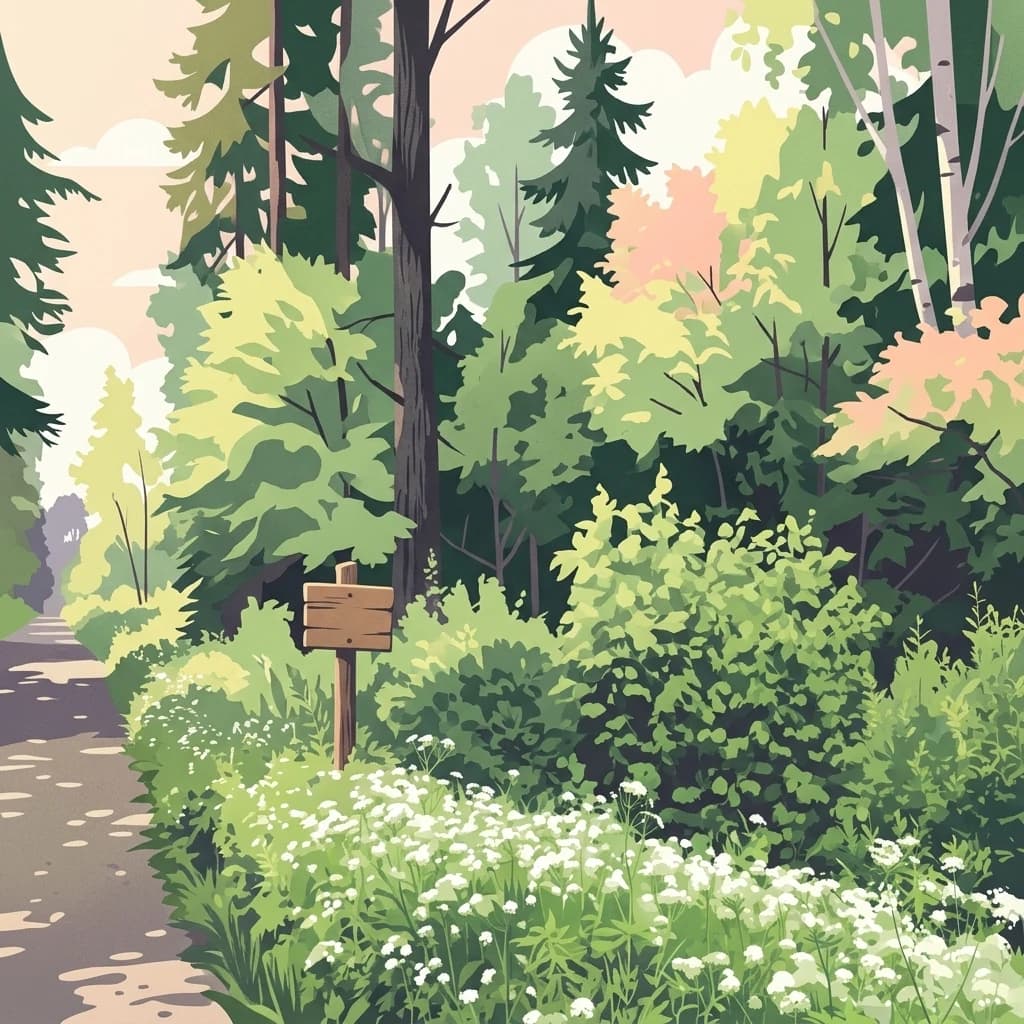
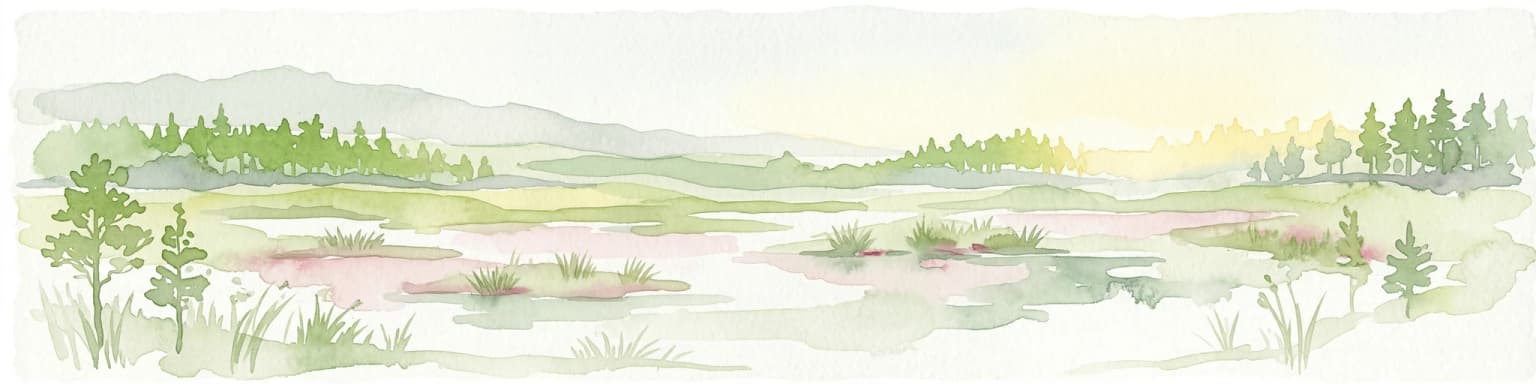
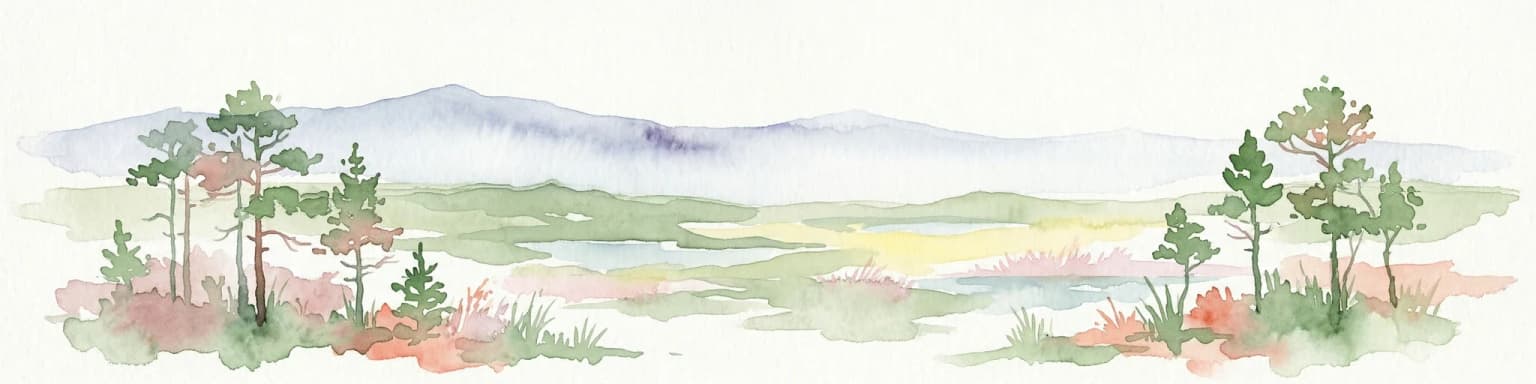
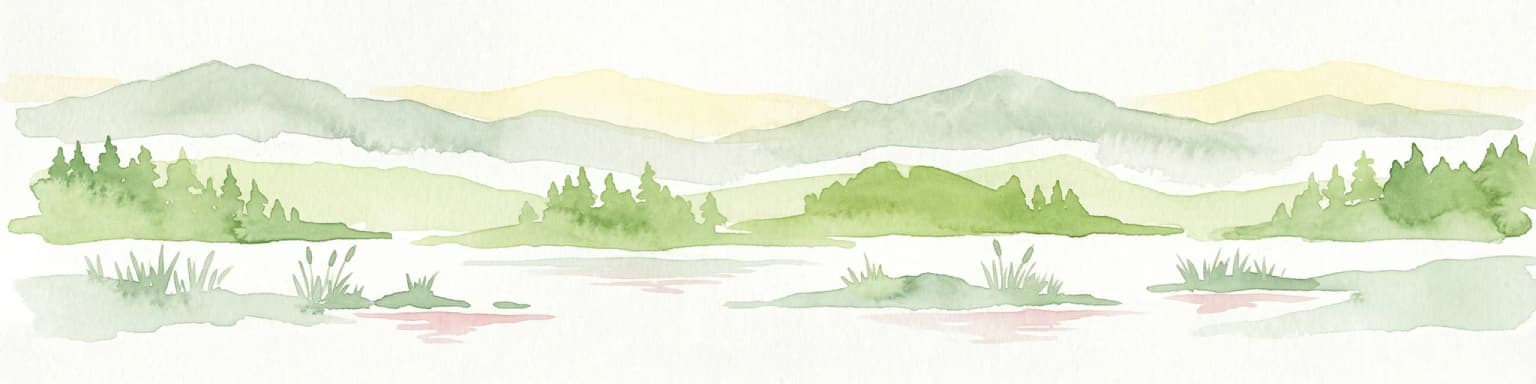
Rāzna National Park is a protected area in the Latgale region of eastern Latvia, established on January 1, 2007 as the youngest and second-largest of Latvia's four national parks. The park encompasses approximately 596 square kilometers of rolling glacial terrain centered around Lake Rāzna, the country's second-largest lake by surface area and largest by volume. The landscape reflects its ice-age origins, featuring moraine ridges, over twenty lakes, and a diverse mosaic of mixed deciduous and coniferous forests, wetlands, grasslands, and agricultural land.
The park spans parts of the Rezekne, Ludza, and Krāslava districts, incorporating the Kaunata and Mākoņkalns municipalities. Approximately 5,000 people reside within the park boundaries, living predominantly on privately owned land. The protected area was created to safeguard Lake Rāzna and its surrounding ecosystems, preserve the region's cultural and landscape values, and promote sustainable development that balances ecological protection with the needs of local communities.
Rāzna National Park holds significant ecological importance at the European level, forming part of the EU's Natura 2000 network and serving as an Important Bird Area with more than 340 recorded bird species.