
Why Sayram-Ugam National Park stands out
Sayram-Ugam is particularly distinguished by its extensive juniper forests, which represent some of the most well-preserved juniper woodland in the western Tian Shan. The park is also renowned for its remarkable fruit and nut tree biodiversity, preserving wild genetic stock of apple, pear, walnut, pistachio, almond, and cherry that scientists consider globally significant. The presence of ancient juniper specimens some exceeding 700 years of age adds historical dimension to the forest ecosystems. The protected area encompasses over 11 square kilometers of glaciers and maintains seven natural altitude zones, creating a vertically stratified landscape from steppe foothills to permanent snow and ice. These attributes make the park a living laboratory for understanding Central Asian mountain ecology and a critical refuge for species adapted to these unique conditions.
Sayram-Ugam National Park history and protected-area timeline
Sayram-Ugam National Park was officially established in early 2006, with the formal designation confirmed in 2007 as part of Kazakhstan's expanding network of protected areas. The creation of the park reflected growing recognition of the exceptional ecological value of the western Tian Shan region, which had previously lacked comprehensive protection despite its scientific and conservation significance. The establishment also aligned with broader regional conservation efforts, particularly the development of transboundary protected area networks connecting Kazakhstan with Uzbekistan. Prior to national park status, the area had various levels of protection as a nature reserve, but the elevation to full national park status in 2006-2007 brought increased resources for conservation, improved management frameworks, and formal recognition of the area's importance for sustainable development and ecological tourism. The park was incorporated into the Committee of Forestry and Fauna of the Ministry of Agriculture, establishing the administrative structure that continues to oversee its management today. The establishment date is recorded differently in sources—26 January 2006 in Kazakh official documents and 2007 in broader international documentation—reflecting the transition from initial designation to full operational status.
Sayram-Ugam National Park landscape and geographic character
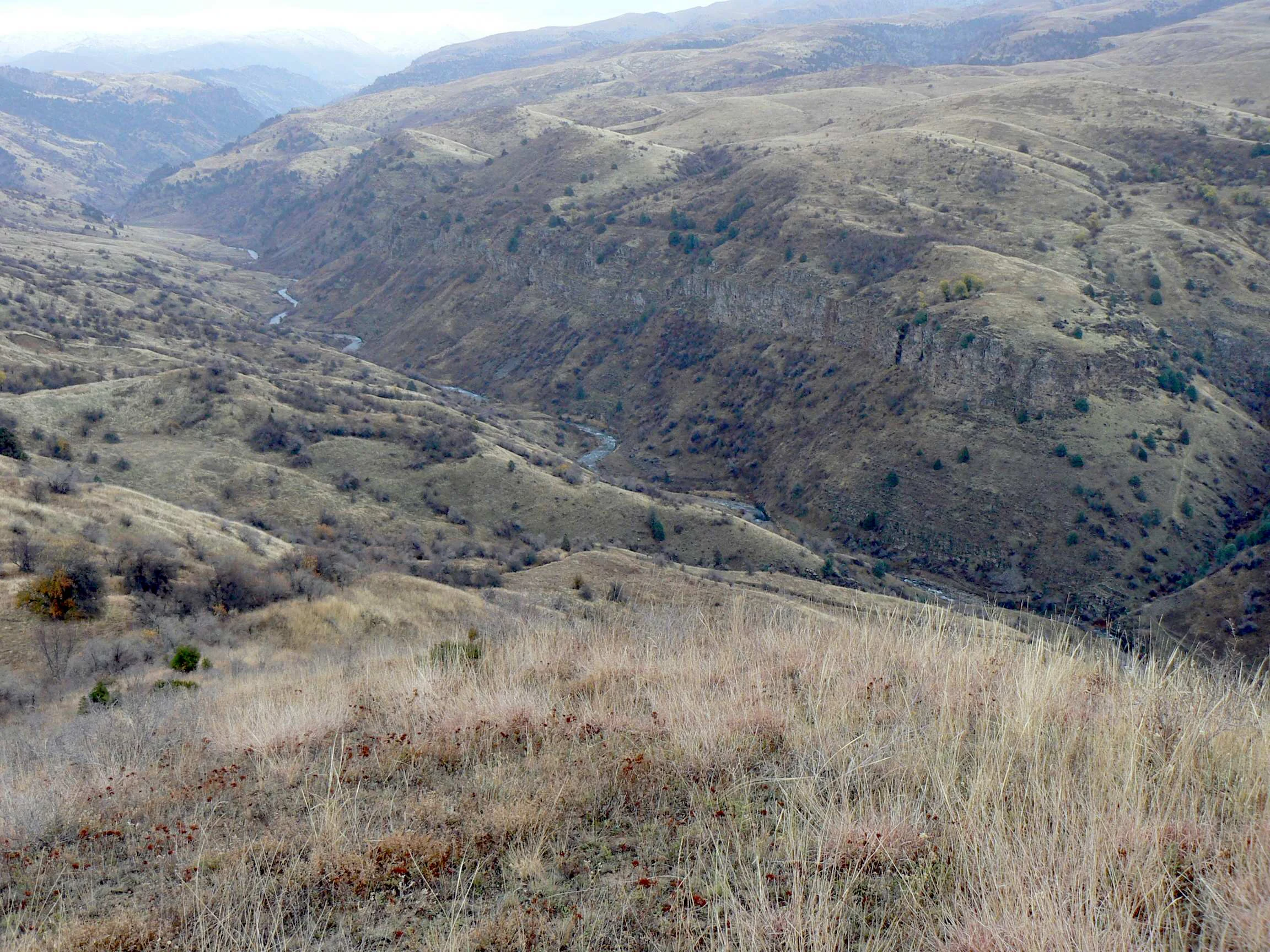
The topography of Sayram-Ugam is characterized by a complex assembly of mountain ranges, valleys, and ridges forming the northern edge of the Western Tian Shan. The Ugam Range provides the principal mountain backdrop, with peaks rising sharply from the surrounding terrain and creating dramatic alpine scenery. The Karatau Mountains contribute additional complexity to the western portions of the park, while the Boraldaytau and Talas Alatau extensions extend the park's mountain framework into the southern sectors. The landscape exhibits the classic features of active mountain terrain, including steep-sided valleys, rocky outcrops, and permanent snow fields in the highest elevations. The park contains over 11 square kilometers of glaciers, which despite their relatively limited extent represent important water sources for the downstream ecosystems and human communities. The Ugam River and its tributaries have carved deep valleys through the mountains, creating diverse microhabitats along their courses. The overall elevation range spans from the lower foothills through alpine zones to glaciated peaks, with the seven natural altitude zones providing physical representation of the park's ecological diversity. Approximately one-third of the park area is covered by forest, predominantly sparse juniper woodland on the more accessible slopes, while the non-forested areas include rocky alpine terrain, meadows, and the glacier zones.
Sayram-Ugam National Park ecosystems, habitats, and plant life
The ecological character of Sayram-Ugam is defined by its position in the Gissaro-Alai open woodlands ecoregion, a WWF-designated ecozone spanning the mountainous intersection of southern Kazakhstan, western Kyrgyzstan, Tajikistan, and Uzbekistan. This ecoregion is distinguished by a climate particularly favorable for fruit and nut tree development, supporting natural populations of walnut, pistachio, pears, almonds, apples, and cherries that represent ancestral stock for these widely cultivated species. Within the park, this manifests as a remarkable plant community that includes wild fruit and nut tree formations unique in the global context. The seven natural altitude zones create a vertically stratified ecosystem ranging from mountain steppe at the lowest elevations through forest zones to alpine meadows and ultimately to glaciated peaks. The juniper forests represent a particularly significant habitat, with three species of juniper documented in the park. The overall plant diversity is exceptional, with 1,635 species recorded, of which 35 are endemic to this region. An additional 62 plant species are protected in Kazakhstan's Red Book, indicating their conservation significance. The park also supports significant fungal diversity with three documented species and 25 moss species, adding to the overall biodiversity profile of the area.
Sayram-Ugam National Park wildlife and species highlights
The fauna of Sayram-Ugam reflects the park's position at the crossroads of different zoogeographic provinces, resulting in a diverse mammalian and avian community. Mammal species number approximately 59, with rodents comprising the largest group at 22 species including house mouse, wood mouse, and Turkestan rat. Predatory mammals include fox, wolf, and jackal, maintaining ecological balance in the park's ecosystems. Larger mammals such as mountain goats (argali), wild boar, and roe deer are present, though historical hunting pressure has reduced their populations in some areas. The Kazakh-language source mentions the presence of the blue marmot (Menzbier marmot) as one of the rare species found in the park, along with argali, wild boar, and brown bear. The avian community is particularly diverse, with approximately 300 bird species documented within the park boundaries. This significant bird population reflects the diverse habitats provided by the park's elevation range and the importance of the Tian Shan flyway for migratory species. The overall vertebrate fauna includes 12 reptile species, 2 amphibian species, and the substantial mammal and bird populations, creating a rich and ecologically functional community.
Sayram-Ugam National Park conservation status and protection priorities
Sayram-Ugam National Park represents a critical conservation asset for Kazakhstan and the broader Central Asian region, protecting some of the most ecologically significant mountain ecosystems in the western Tian Shan. The park's designation as IUCN Category II reflects its primary purpose of protecting natural landscapes while allowing for sustainable use in designated zones. The conservation significance is amplified by the park's position within a transboundary complex that includes Ugam-Chatkal National Park in Uzbekistan and Aksu-Zhabagly Nature Reserve in Kazakhstan, creating an interconnected regional conservation network. The protection of wild fruit and nut tree genetic resources is particularly important, as these populations represent irreplaceable reservoirs of genetic diversity for trees of significant agricultural importance globally. The presence of 35 endemic plant species and 62 species protected under Kazakhstan's Red Book underscores the global conservation value of this area. The park's management structure divides the territory into zones with different permitted activities, with 55% maintained as a fully protected zone where natural processes are allowed to continue with minimal human intervention. Conservation efforts include ongoing monitoring through the "Nature Chronicle" program, which documents ecological changes and supports adaptive management.
Sayram-Ugam National Park cultural meaning and human context
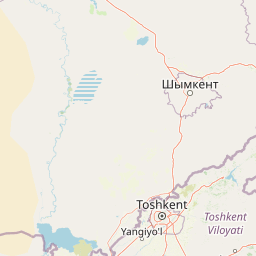
The landscape of Sayram-Ugam is interwoven with human history dating back to ancient times, as evidenced by the park's name derived from Sayram, a historic town in the region with roots extending deep into Central Asian history. The mountain communities inhabiting the surrounding areas have maintained traditional land use practices for centuries, including pastoral activities and orchard cultivation in the foothills and lower slopes. These traditional practices have shaped the cultural landscape and, in some cases, contributed to the establishment of the wild fruit tree populations that now represent such significant ecological value. The proximity to Shymkent, the largest city in southern Kazakhstan, and to Tashkent, the capital of Uzbekistan, places the park within a region of dense human population and long-standing agricultural activity. This historical human presence has created a cultural context in which the park's natural values are understood not as wilderness in the absolute sense but as a landscape where nature and human activity have co-evolved over extended periods. The development of ecological tourism as a park management objective explicitly recognizes this cultural dimension, seeking to share the park's natural heritage while supporting sustainable economic opportunities for local communities.
Top sights and standout views in Sayram-Ugam National Park
Sayram-Ugam National Park offers visitors access to one of the most botanically significant mountain landscapes in Central Asia, with ancient juniper forests, wild fruit tree ecosystems, and dramatic alpine scenery. Ten maintained tourist routes provide opportunities for hiking and horseback exploration along trails ranging from 7 to 72 kilometers in length, allowing visitors to experience the park's diverse elevations and habitats. The park's position on the border between Kazakhstan and Uzbekistan creates opportunities for regional tourism, with the complementary Ugam-Chatkal National Park across the border extending the available wilderness experience. The seasonal climate offers contrasting experiences from the cold, snowy winters with January temperatures averaging -1.9°C to warm summers with July averages reaching 25.9°C, providing distinct visiting conditions throughout the year. Facilities within the park include campsites, viewing platforms, traditional baths and saunas, yurt accommodation, and a hotel, supporting multi-day exploration of this mountainous wilderness.
Best time to visit Sayram-Ugam National Park
The park can be visited year-round, though the optimal period for most outdoor activities runs from late spring through early autumn when the mountain trails are accessible and the weather is most favorable. Summer months offer warm conditions ideal for hiking and exploration, with the alpine meadows displaying their full floral displays and the higher elevation routes accessible without winter equipment. The shoulder seasons of spring and autumn present different but equally compelling experiences, with spring bringing wildflower blooms across the lower elevations and autumn offering the opportunity to observe the fruit trees in their seasonal color. Winter visitation is possible but requires appropriate preparation for cold conditions, with the January average temperature of -1.9°C indicating significant winter cold. The semi-arid climate means that precipitation is relatively limited throughout the year, reducing the likelihood of prolonged weather disruptions to travel plans but also requiring visitors to bring sufficient water supplies for trail activities. The diversity of elevation zones within the park allows visitors to seek out microclimatic conditions suited to their preferences and tolerance for different temperature ranges.